Practical car guides for US drivers
Explore 1028 researched guides. Every entry links to a completed article—not a planned topic or an empty draft.
Auto Financing and Leasing

Are Extended Warranties Worth Financing?
Compare the cash price and financed cost of an optional vehicle service contract, including interest, coverage dates, deductibles and refunds.
Read guide ↗
Auto Loan APR vs Interest Rate Explained
Interest rate measures interest charged on borrowed principal, while annual percentage rate can include certain credit fees. Understanding both helps compare financing offers.
Read guide ↗
Auto Loan Term Length: 48 vs 60 vs 72 Months
Compare 48-, 60-, and 72-month auto loans using a clearly labeled same-principal APR illustration, total interest, monthly payment and negative-equity considerations.
Read guide ↗
Car Financing With Limited Credit History
Approach car financing with a limited credit file by checking reports, building a budget and comparing legitimate lender offers.
Read guide ↗
Car Leasing Explained for Beginners
Understand what a car lease payment covers, how mileage and condition charges work, and what to compare before signing a US vehicle lease.
Read guide ↗
Car Loan Refinancing: When Does It Help?
Learn when refinancing an auto loan reduces total remaining interest, how term extensions change the calculation, and what fees to check.
Read guide ↗
Cosigning a Car Loan: Risks and Responsibilities
Evaluate co-signing as a real debt obligation with credit, cash-flow and relationship consequences.
Read guide ↗
GAP Insurance vs GAP Waiver
Understand how GAP insurance and GAP waivers differ in provider, cancellation terms and eligible loan shortfalls after a covered total loss.
Read guide ↗
How Auto Loan Hard Inquiries Affect Your Credit
Understand hard and soft credit inquiries and organize auto-loan comparison shopping without assuming a fixed score impact.
Read guide ↗
How Credit Scores Affect Auto Loans
Understand how credit information can influence auto-loan eligibility and pricing while other application factors still matter.
Read guide ↗
How Do Lease Mileage Limits Work?
Learn how total allowed mileage, excess-mile charges and early lease changes affect the cost of using and returning a leased car.
Read guide ↗
How Does a Car Loan Payoff Quote Work?
Understand why a car-loan payoff quote differs from a statement balance, how its good-through date works, and how to confirm lien release.
Read guide ↗
How Does a Car Loan Work?
An auto loan lets you borrow part of a vehicle purchase price and repay it over time with interest. Your down payment, interest rate, APR and term all affect the total cost.
Read guide ↗
How Much Down Payment Do You Need for a Car?
Explain car down payments without a universal percentage rule, with a USD loan example, loan-to-value risk, trade-ins, negative equity and an emergency-fund checklist.
Read guide ↗
How to Compare Dealer Financing With a Credit Union
Compare a dealership auto-loan offer with credit-union financing using matched loan amounts, APRs, fees, terms and total payments.
Read guide ↗
How to Get Preapproved for an Auto Loan
Prepare for auto-loan preapproval with a budget, accurate documentation and clear understanding of conditional offer terms.
Read guide ↗
How to Pay Off a Car Loan Early
Learn how extra principal payments and a final payoff differ, how interest savings are calculated, and which lender rules to confirm before paying early.
Read guide ↗
How to Read an Auto Loan Contract
Review an auto-loan agreement by reconciling the purchase, financing disclosures, payment schedule and conditional terms.
Read guide ↗
Lease vs Buy: Total Cost Comparison
Compare leasing and buying a vehicle over the same ownership horizon, including upfront money, loan balance, resale value and end-of-lease charges.
Read guide ↗
What Counts as Excess Wear on a Car Lease?
Understand how end-of-lease inspections assess tires, dents, glass, interior condition and modifications, and how to avoid surprise excess-wear charges.
Read guide ↗
What Happens at the End of a Car Lease?
Review your car lease maturity options: vehicle return, buyout, replacement, inspection, excess mileage, wear charges and tax considerations.
Read guide ↗
What Happens if You Miss a Car Payment?
What one missed car loan payment can trigger, how to contact a lender and what to verify about fees, credit reporting and repossession.
Read guide ↗
What Is a Dealer Finance Reserve?
Explain dealer finance reserve, lender-approved rates, potential rate markups, disclosures and how to compare dealership financing with preapproval.
Read guide ↗
What Is Negative Equity on a Car Loan?
Negative equity and the actual payoff.
Read guide ↗
Why Focusing Only on a Monthly Car Payment Can Be Costly
Why the lowest car payment is not necessarily the cheapest car.
Read guide ↗Auto Insurance

Adding a New Driver to Your Car Insurance
Understand when a household member or regular user should be reported to your auto insurer, how listing affects premiums, and how exclusions differ by state.
Read guide ↗
Car Insurance for Occasional Drivers
Learn how permissive use, household membership and driving frequency can change whether an occasional borrower is covered by a US auto policy.
Read guide ↗
Car Insurance for Teen Drivers: What to Know
Explore when teens must be reported to an auto insurer, what affects premiums, how driver training or car choice matters, and which coverages to compare.
Read guide ↗
Classic Car Insurance vs Standard Auto Insurance
Compare collector-car agreed-value insurance with ordinary auto policies, including valuation, mileage, storage, driver eligibility and covered use.
Read guide ↗
Collision vs Comprehensive Car Insurance
Understand which events collision and comprehensive coverage generally address, how deductibles affect claims, and how to compare options.
Read guide ↗
Diminished Value Claims Explained
Understand post-repair diminished vehicle value, how third-party and first-party claims can differ, and the evidence needed to document a loss.
Read guide ↗
Does Driving Less Reduce Car Insurance Rates?
Learn when reduced annual mileage might lower auto premiums, how commute changes and pay-per-mile programs work, and what proof insurers may request.
Read guide ↗
Electric Car Insurance: What Changes?
Compare EV auto insurance with gasoline-vehicle coverage, focusing on battery damage, repair networks, charging equipment and valuation.
Read guide ↗
How Does a Deductible Affect Auto Insurance Cost?
Compare auto insurance deductibles and premiums by understanding out-of-pocket exposure, example claims and the savings needed to justify a higher deductible.
Read guide ↗
How Driving History Affects Auto Insurance Premiums
Learn how collisions, violations, claims and years of driving experience can affect auto insurance rating, and how to compare quotes fairly.
Read guide ↗
How Modifications Can Affect Insurance Coverage
A US driver's guide to how aftermarket wheels, performance changes and custom parts may affect disclosures, coverage limits and claims.
Read guide ↗
How Multi-Car Insurance Discounts Work
Understand eligibility for multi-car auto insurance discounts and why the total household premium can rise even when a discount appears.
Read guide ↗
How to File a Car Insurance Claim
Learn how to report an auto insurance loss, document evidence, work with an adjuster, review a settlement and challenge errors appropriately.
Read guide ↗
Insurance When Buying Your First Car
Arrange insurance for a first car before delivery by verifying liability requirements, financed-car coverage, deductibles and accurate driver details.
Read guide ↗
Liability Insurance vs Full Coverage
Clarify the difference between liability coverage and the informal term full coverage, including physical damage, policy limits and financed-car requirements.
Read guide ↗
Personal Injury Protection vs Medical Payments Coverage
Compare Personal Injury Protection and Medical Payments auto coverage by eligible injury expenses, lost-income benefits, fault rules and state availability.
Read guide ↗
Pickup Truck Insurance Considerations
Review pickup insurance by vehicle configuration, personal versus commercial use, towing, accessories, payload and liability exposure.
Read guide ↗
Should You File a Claim for Minor Vehicle Damage?
Decide whether to claim minor vehicle damage by comparing approved repair estimates, deductibles, coverage, safety and possible rate consequences.
Read guide ↗
Uninsured Motorist Coverage Explained
Understand uninsured and underinsured motorist coverage, how eligible injuries and property damage may be treated, and why state-specific policy terms matter.
Read guide ↗
Usage-Based Insurance: Pros and Cons
Compare usage-based auto insurance programs by monitored driving data, premium effects, device requirements, privacy and real-world suitability.
Read guide ↗
What Does Rental Reimbursement Cover?
Understand what auto insurance rental reimbursement can pay for, when it applies, and how daily limits and claim timelines affect your rental.
Read guide ↗
What Happens When a Car Is Totaled?
What a total-loss insurance decision means, how vehicle value is calculated, and what happens to a loan, settlement and salvage title.
Read guide ↗
What to Do After a Car Accident for Insurance
Insurance-focused checklist for the first minutes and days after a car crash: safety, evidence, notification, claim documents and repair authorization.
Read guide ↗
What to Know About Insurance After Moving States
Checklist for updating auto insurance when relocating across US state lines, including insurer eligibility, coverage limits, vehicle registration and policy start dates.
Read guide ↗
Why Is My Car Insurance Premium So High?
Understand common factors behind a high car insurance premium, how to spot rating errors, compare equivalent quotes and choose sensible ways to reduce cost.
Read guide ↗Automotive Calculators and Tools

Automotive Careers and Education

ASE Certification Explained
Understand ASE certification: how the test series are organized, the work-experience requirement, Master Technician status and five-year recertification.
Read guide ↗
Automotive Apprenticeships in the US
See how registered automotive apprenticeships are structured, how long they last, what dealer programs add and how to check a sponsor before you enroll.
Read guide ↗
Automotive Battery Engineering Careers
Explore engineering roles across EV battery cells, packs, controls, testing, manufacturing and safety, plus the education and evidence employers may seek.
Read guide ↗
Automotive Diagnostics Career Path
See how automotive diagnostics becomes a career specialty, which ASE tests signal diagnostic skill and what experience employers expect before specialization.
Read guide ↗
Automotive Engineer vs Mechanical Engineer
Compare automotive and mechanical engineering in official occupation data, daily work, degrees and licensing, and learn how the two career paths differ.
Read guide ↗
Automotive Service Advisor Career Guide
See what automotive service advisors do all day, the skills and entry routes that matter, and what to check before paying for a service-advisor course.
Read guide ↗
Car Sales Consultant Career Overview
Understand the daily work, product knowledge, licensing and compliance duties of a car sales consultant, plus what to check before paying for training.
Read guide ↗
Careers in Automotive Parts and Logistics
Compare parts counter, warehouse, dispatch and planning roles in automotive parts and logistics, with O*NET pay, outlook and entry requirements.
Read guide ↗
Dealership Technician vs Independent Shop Technician
Compare dealership and independent shop technician jobs on BLS pay, flat-rate work, warranty and recall jobs, training access and who buys the tools.
Read guide ↗
Degrees for Automotive Software Engineering
Compare computer science, software engineering, computer engineering and automotive master's degrees, plus certificates, portfolios and skills employers list.
Read guide ↗
Entry-Level Automotive Mechanic Tools
Build a first tool set from a school program list and BLS guidance, covering sockets, wrenches, pliers, test gear and safety equipment in buying order.
Read guide ↗
High-Voltage Safety Training for Automotive Workers
Understand the shock, arc-flash and battery hazards of EV work, what OSHA requires and where NFPA 70E and ASE's xEV levels fit.
Read guide ↗
How Automotive Technicians Keep Up With New Technology
See how technicians use ASE recertification, the ASE Renewal App, manufacturer training and accredited programs to stay current as vehicles change.
Read guide ↗
How to Become an Automotive Technician in the US
Compare the three routes into the trade, what BLS and O*NET say about training, how registered apprenticeships work and when ASE and EPA certificates matter.
Read guide ↗
How to Become an EV Technician
Follow the realistic route to EV technician work, from accredited training and dealer apprenticeships to ASE xEV and L3 credentials.
Read guide ↗
How to Compare Automotive Training Programs
Compare automotive training programs on accreditation, instructional hours, task coverage, equipment, total cost and documented completion outcomes.
Read guide ↗
How to Start a Car Detailing Business
Plan a detailing business in the right order: service scope, licensing, local wash-water rules, insurance and a break-even price based on your own costs.
Read guide ↗
How to Start a Career in Vehicle Design
Learn how transportation design degrees, portfolio rules and studio skills work, and what federal data says about industrial design jobs and pay.
Read guide ↗
Skills Needed for Vehicle Software Diagnostics
Learn the electrical, network, scan-tool and documentation skills behind vehicle software diagnostics, plus training routes and what to check before paying.
Read guide ↗
Starting an Independent Auto Repair Shop
Learn the registrations, zoning, insurance and environmental rules that apply before opening an independent auto repair shop in the US.
Read guide ↗
Trade School vs Community College for Auto Tech
Compare trade schools and community colleges for auto tech on tuition, credentials, credit transfer, accreditation and documented outcomes.
Read guide ↗
What Automotive Test Engineers Do
Learn how automotive test engineers plan tests, instrument vehicles, analyze data and report failures, plus the skills, setting and education involved.
Read guide ↗
What Does a Master Automotive Technician Do?
A master automotive technician is ASE-certified in all eight core automobile areas. See the daily work, the A1 to A8 requirement and the five-year recert cycle.
Read guide ↗
What Does an ADAS Calibration Technician Do?
See what ADAS calibration technicians do, from pre-scan and target setup to static and dynamic procedures, training paths and documentation.
Read guide ↗
What Is Manufacturer-Specific Technician Training?
Manufacturer-specific technician training teaches one maker's vehicles, tools and service procedures, often through partner schools and dealerships.
Read guide ↗Automotive Glossary
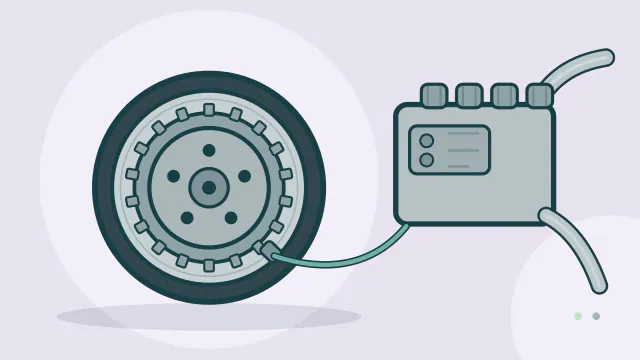
What Does ABS Stand For?
ABS stands for anti-lock braking system. Learn what the letters mean, what the federal rule requires and when the dashboard light matters.
Read guide ↗
What Does AWD Mean?
Learn what all-wheel drive means, how full-time and on-demand systems differ and what AWD can and cannot do for traction and safety.
Read guide ↗
What Does CVT Stand For?
CVT stands for continuously variable transmission: a stepless automatic that uses two variable pulleys and a belt or chain instead of a fixed set of gears.
Read guide ↗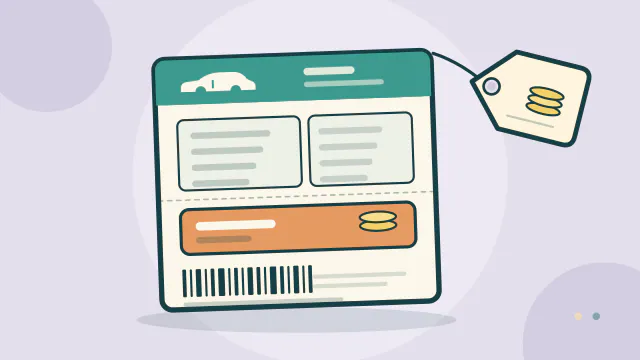
What Does MSRP Mean?
MSRP means manufacturer's suggested retail price: the figure federal law puts on a new car's window label, what the total includes and what stays outside it.
Read guide ↗
What Does RPM Mean in a Car?
RPM means revolutions per minute. Learn what the number measures, how to read a tachometer, why engine speed differs from road speed and what a redline is.
Read guide ↗
What Does SOC Mean for EV Batteries?
SOC means state of charge, the share of an EV battery's capacity that remains. Learn to read the percentage and convert it to kilowatt-hours.
Read guide ↗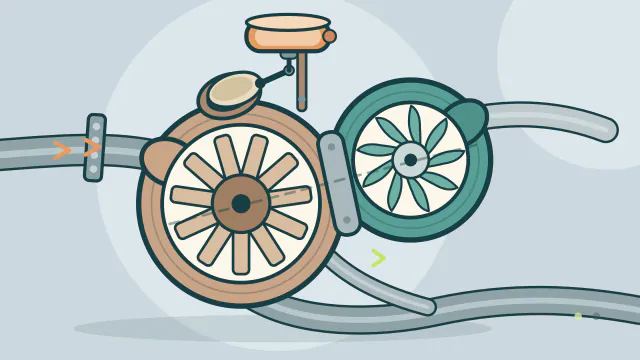
What Is a Turbo Wastegate?
A turbo wastegate is a valve that lets exhaust gas bypass the turbine to limit boost. Learn how internal and external wastegates control turbo speed.
Read guide ↗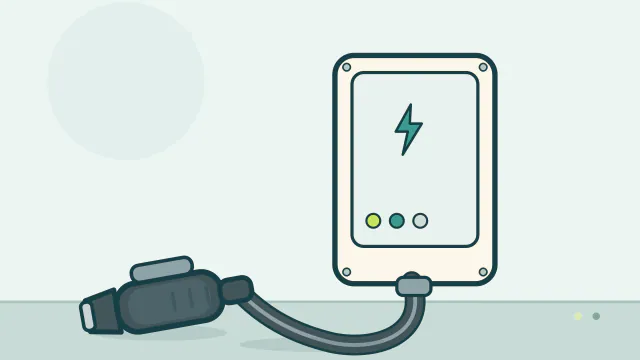
What Is EVSE?
EVSE stands for electric vehicle supply equipment. Learn what the term covers, how it differs from the onboard charger, and what each level supplies.
Read guide ↗
What Is MPGe?
MPGe is the EPA's miles per gallon gasoline equivalent rating for electric and plug-in hybrid cars. See how it is calculated and what it hides.
Read guide ↗
What Is TPMS?
TPMS stands for tire pressure monitoring system. Learn how direct and indirect systems work, when the warning must trigger and what it cannot do.
Read guide ↗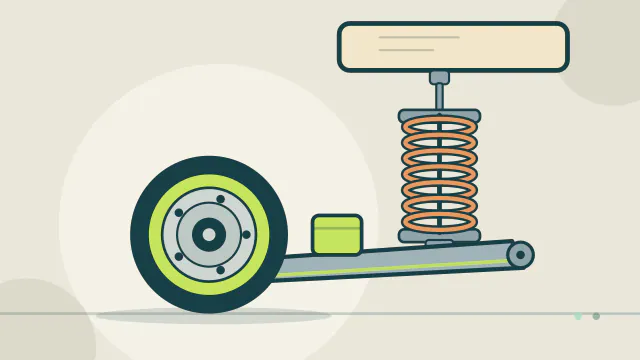
What Is Unsprung Weight?
Unsprung weight is the mass that moves with each wheel instead of resting on the suspension springs, and it shapes ride comfort, grip and wheel control.
Read guide ↗Automotive History

Early Electric Cars: A Short History
Trace early electric cars from Morrison's 1890s wagon through the 1900 peak, the battery limits and the gasoline changes that ended the market.
Read guide ↗
Evolution of the Chevrolet Corvette
Trace the Corvette from its 1953 roadster origins through mid-engine C8, focusing on the engineering changes that defined each generation.
Read guide ↗
Evolution of US EV Charging Connectors
Trace US EV charging plugs from the first SAE J1772 edition through CCS and CHAdeMO to Tesla's NACS design and the SAE J3400 standard.
Read guide ↗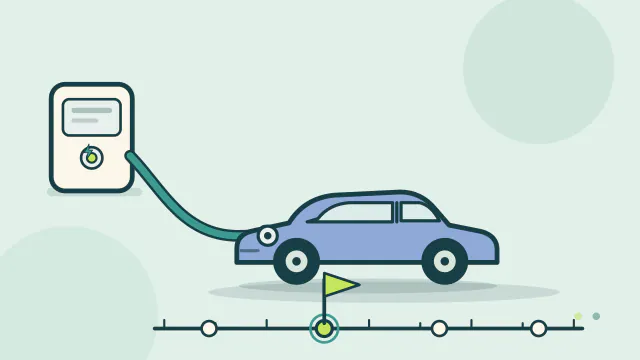
First Mass-Market Electric Cars Explained
The Nissan LEAF is usually called the first mass-market EV, but price, volume, range and public sales decide which early electric cars qualify.
Read guide ↗
History of Anti-Lock Brakes in Passenger Cars
Anti-lock brakes reached US cars in 1971 and went digital in 1978, but ABS became standard through the 2012 stability-control rule, not an ABS law.
Read guide ↗
History of Automatic Transmissions
Trace the automatic transmission from Earl Thompson's hydraulic patent and the 1940 Hydra-Matic to lockup converters, eight-speed gearboxes and CVTs.
Read guide ↗
History of Ford's F-Series Pickup
Trace the Ford F-Series from the 1948 F-1 through the 1975 F-150 and the 2015 aluminum body, and see how each era changed the truck.
Read guide ↗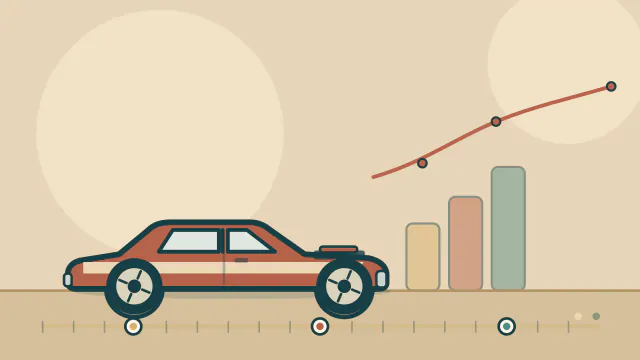
History of the American Muscle Car
Follow the American muscle car from the 1964 GTO option through the 1970 horsepower peak, and see which rules ended the first era.
Read guide ↗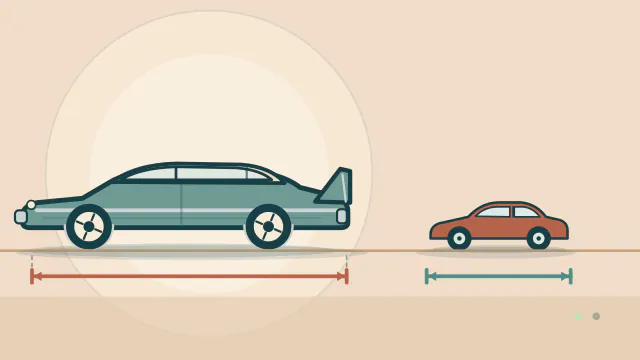
History of the Compact Car in America
Follow the American compact car from the 1950 Nash Rambler through the 1960 Big Three launches, the 1970s oil shocks and today's crossover market.
Read guide ↗
History of the Three-Point Seat Belt
Follow the three-point seat belt from Nils Bohlin's 1959 Volvo design and its US patent to federal rules, state laws and crash statistics.
Read guide ↗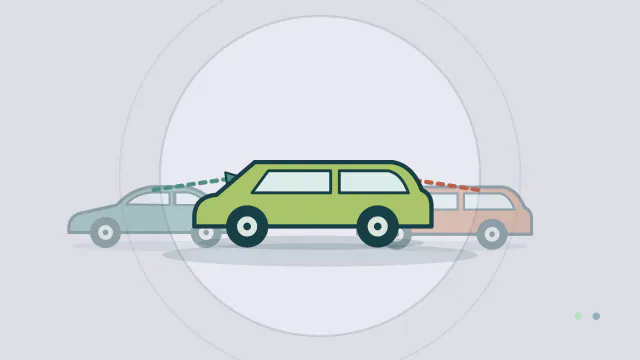
How Crossover SUVs Changed Car Design
See how the Toyota RAV4's car-based formula, fuel-economy rules and buyer demand moved American design from sedans to tall crossovers.
Read guide ↗
How EV Range Improved Over Time
EPA range went from 73 miles for the 2011 Nissan Leaf to 520 for the 2022 Lucid Air. See the model-year milestones and how the median moved.
Read guide ↗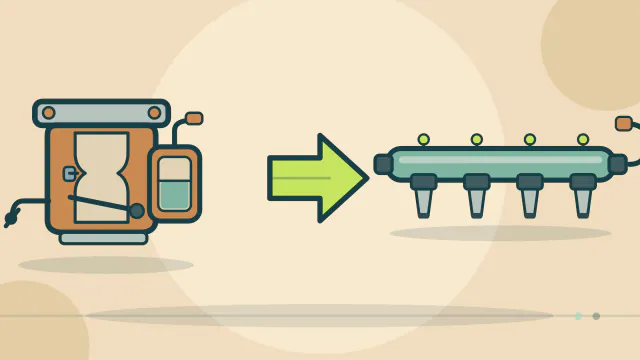
How Fuel Injection Replaced Carburetors
See how emissions rules and catalytic converters pushed gasoline engines from carburetors to port injection, then to direct injection.
Read guide ↗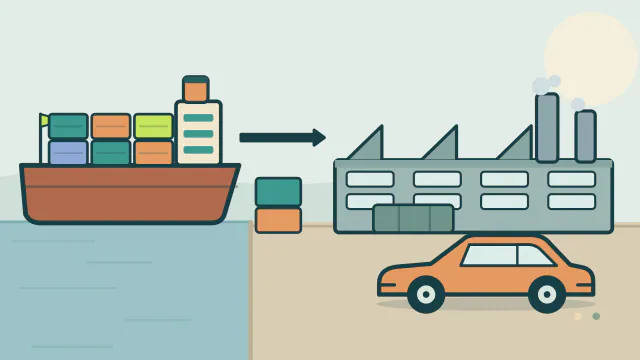
How Japanese Automakers Grew in the US
Trace how Japanese brands entered the US market, coped with the 1981 export cap, and moved from imports to American factories and luxury lines.
Read guide ↗
How Lithium-Ion Batteries Changed EVs
Lithium-ion cells arrived in cars in 2008, cut pack weight for a given range and helped push battery costs down by about 90 percent since 2008.
Read guide ↗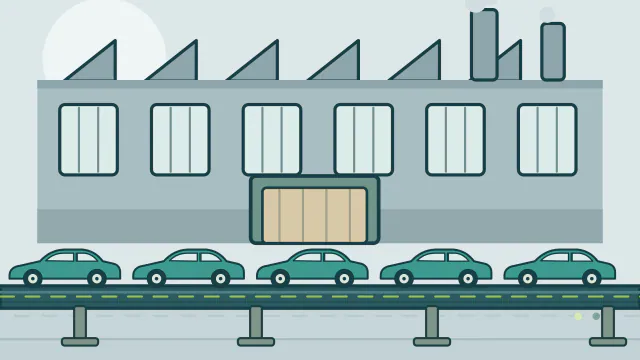
How Mass Production Changed the Auto Industry
See how mass production cut car prices, raised output and consolidated the US industry, and how credit, wages and suppliers changed with it.
Read guide ↗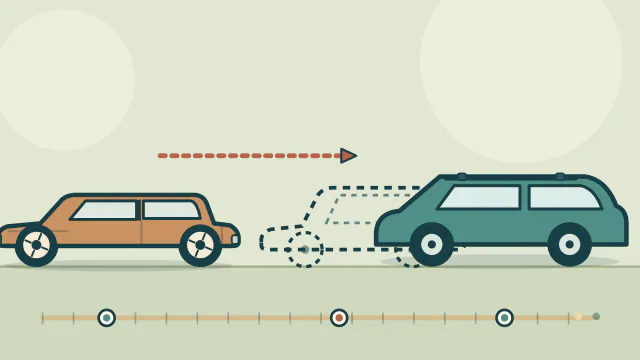
How SUVs Became Popular in the US
See how the SUV moved from utility wagon to default family vehicle, and how fuel-economy categories shaped the market from 1975 onward.
Read guide ↗
How Tailfins Became a Car Design Trend
See how a 1948 Cadillac detail became a 1950s styling race, why rival automakers copied it, and how the fins receded as tastes changed.
Read guide ↗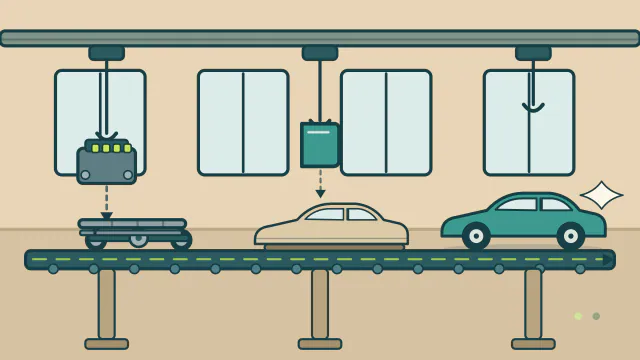
How the Assembly Line Transformed Car Manufacturing
Follow the moving assembly line from Ford's 1913 magneto experiments to the 93-minute line pace, robots and Toyota's just-in-time system.
Read guide ↗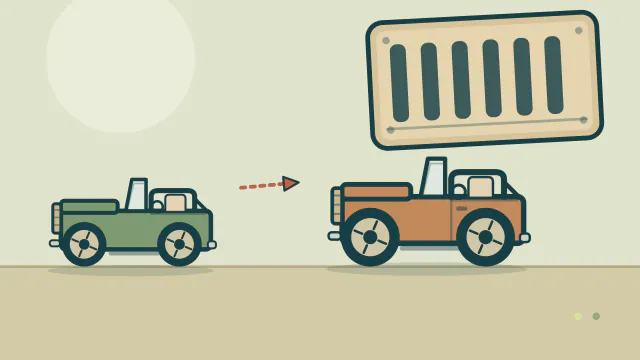
How the Jeep Wrangler Evolved
Trace the Jeep Wrangler from the 1941 Willys MB through the CJ, YJ, TJ, JK and JL generations, and see which changes still matter to buyers.
Read guide ↗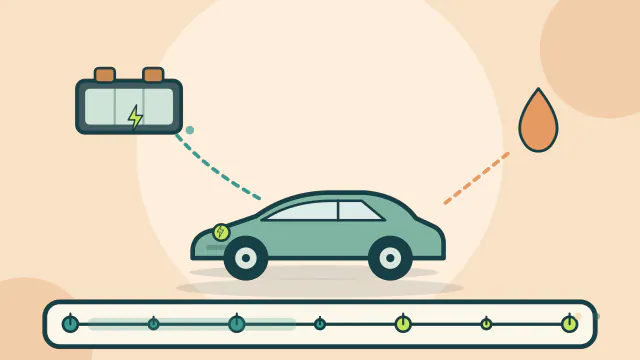
The History of Hybrid Cars in the US
Trace the US hybrid market from the 1999 Honda Insight and 2000 Toyota Prius to SUVs, lithium-ion packs and the model count in 2025.
Read guide ↗
When Did Cars Become Common in the United States?
Registrations rose from 8,000 in 1900 to 26.7 million in 1930. See the decade counts, the 1920s tipping point and what the numbers leave out.
Read guide ↗
When Did Cars Get Airbags?
Trace the US air bag timeline from 1970s experiments and the 1984 automatic-protection rule to the 1997 car and 1998 light-truck mandates.
Read guide ↗
Who Invented the Automobile?
Benz built the first practical gasoline car, but steam, electric and American inventors all contributed. See who did what and why the answer shifts.
Read guide ↗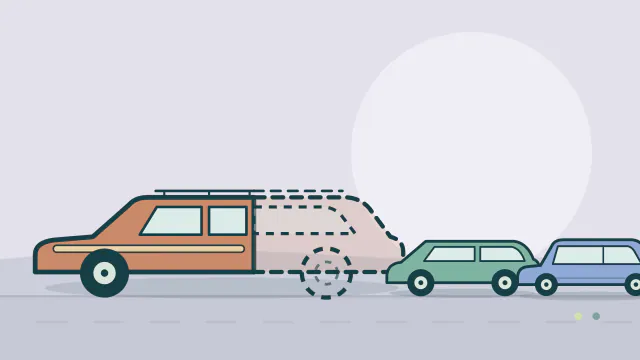
Why Station Wagons Declined in the US
See why the station wagon lost ground to minivans and SUVs, including the fuel-economy rules that treated similar family vehicles differently.
Read guide ↗Automotive Mechanical Systems

CAN Bus Explained for Car Owners
Understand how a vehicle CAN bus lets control modules exchange messages, what network faults can look like and why diagnosis requires more than reading one code.
Read guide ↗
Crankshaft Position Sensor vs Camshaft Position Sensor
Learn what the crankshaft and camshaft position sensors each measure, why an engine needs both signals and how federal OBD rules treat cam-crank alignment.
Read guide ↗
Direct Injection vs Port Injection
Compare direct and port fuel injection: where each injector sprays, how the mixture is prepared, and why some modern engines use both systems together.
Read guide ↗
Disc Brake Components Explained
A disc brake clamps two pads against a spinning rotor. Learn the rotor, caliper, pads, hydraulic lines and hardware jobs and how each part is checked.
Read guide ↗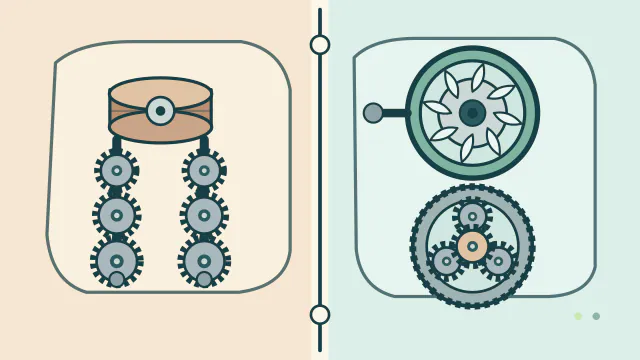
Dual-Clutch Transmission vs Conventional Automatic
A dual-clutch uses two clutches and preselected gears; a conventional automatic uses a torque converter and planetary gears. Compare driving feel and fuel use.
Read guide ↗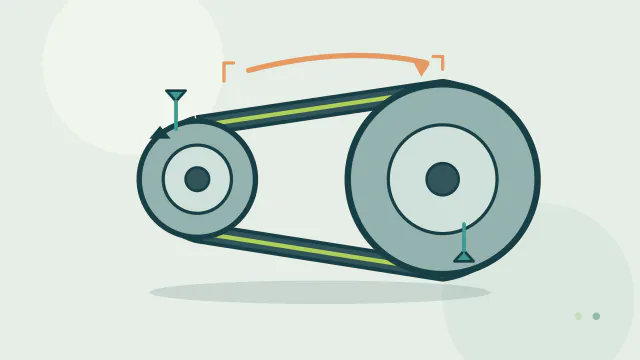
How a CVT Transmission Works
A CVT changes ratio with two moving pulleys and a steel belt or chain, then uses a launch device and a lockup clutch to move the car from rest.
Read guide ↗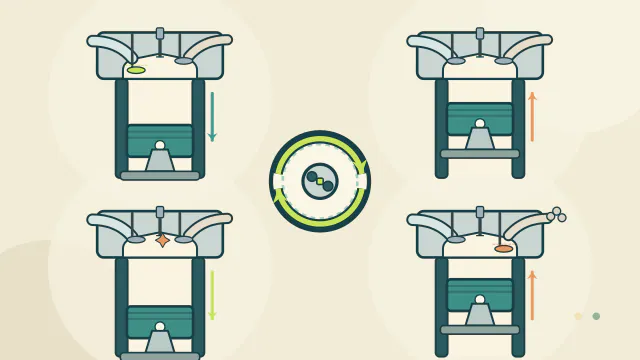
How a Four-Stroke Gas Engine Works
Follow a gasoline engine through intake, compression, power and exhaust, with a labelled cylinder diagram described in words and a clear energy picture.
Read guide ↗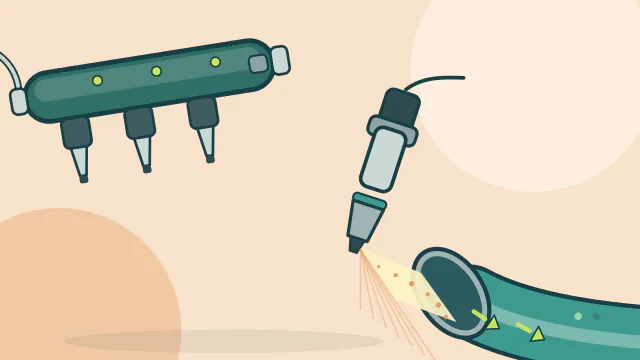
How a Modern Fuel Injection System Works
See how pumps, injectors and the engine control unit meter gasoline, and how port and direct injection differ in pressure, mixture formation and deposits.
Read guide ↗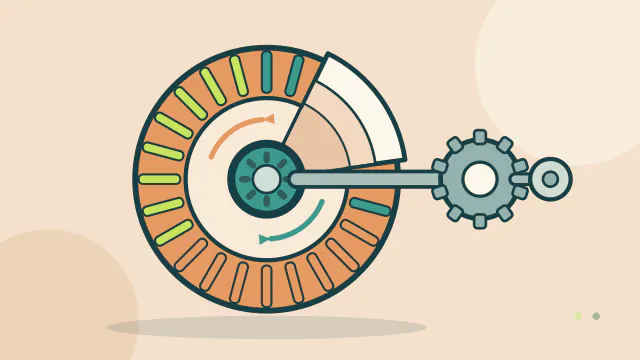
How a Torque Converter Automatic Works
A torque converter automatic launches through a fluid coupling, changes ratio with planetary gearsets and locks the converter to cut slip at road speed.
Read guide ↗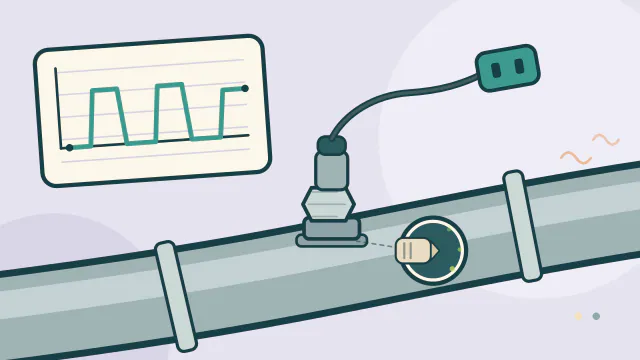
How an Oxygen Sensor Affects Engine Performance
An oxygen sensor reports the exhaust oxygen level so the engine computer can correct fuel delivery. A slow or failed sensor can raise emissions and set a code.
Read guide ↗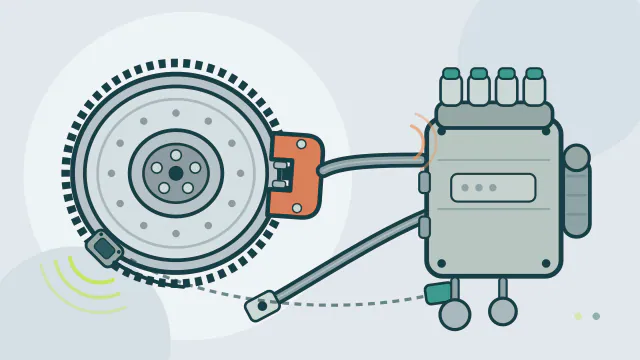
How Anti-Lock Braking Systems Work
ABS reads wheel speed, compares it with the car's motion and pulses brake pressure at each wheel to keep the tires rolling and steering alive.
Read guide ↗
How Automotive Relays Work
See how an automotive relay uses a small coil current to switch a larger load, what normally open and changeover contacts do and where relays sit in a car.
Read guide ↗
How Does an Alternator Charge the Battery?
Follow the charging path from the engine-driven rotor to the battery: three-phase alternating current, diode rectification and regulator control explained.
Read guide ↗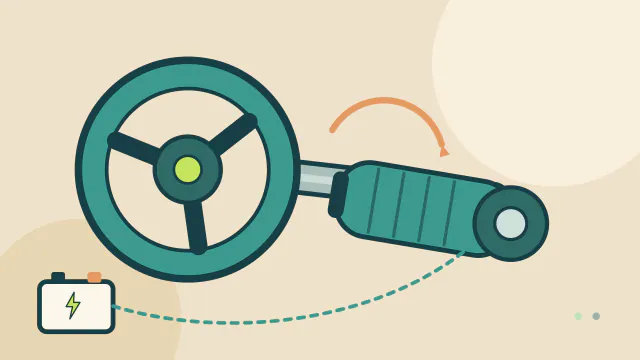
How Electric Power Steering Works
Electric power steering uses a motor, sensors and a control module to assist the driver. See the main layouts and what an EPS warning light means.
Read guide ↗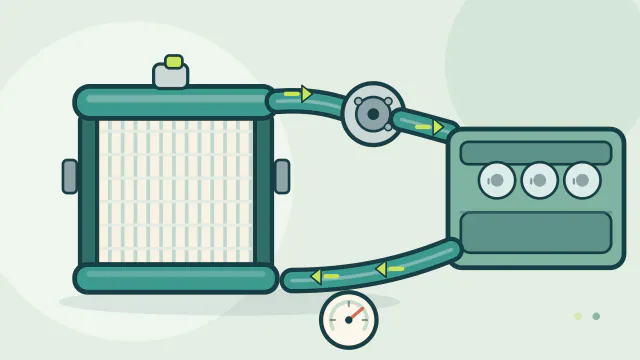
How Engine Cooling Systems Work
Follow coolant from the pump through the engine, thermostat and radiator, and see how pressure, airflow and the heater core keep engine temperature stable.
Read guide ↗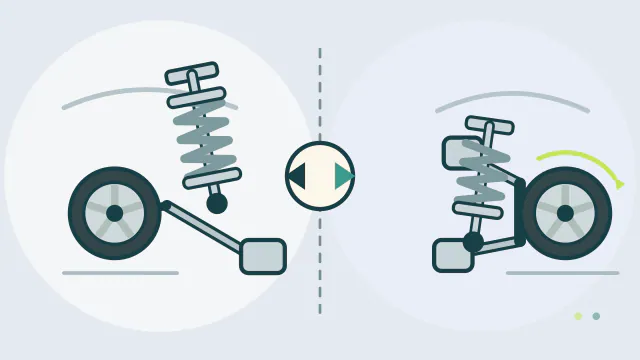
MacPherson Strut vs Double-Wishbone Suspension
Compare MacPherson strut and double-wishbone front suspension by load path, wheel-angle control, packaging and service needs, with real manufacturer examples.
Read guide ↗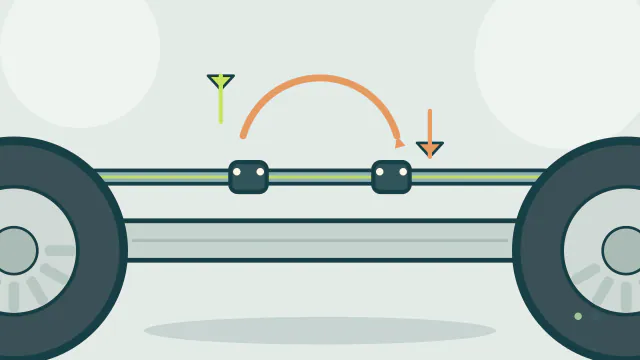
What Do Sway Bars Do?
A sway bar links the left and right sides of a suspension and resists body roll in corners. See how front and rear bars differ and what they trade away.
Read guide ↗
What Does a Car ECU Do?
A car ECU is the computer that runs the engine: it reads sensors, times fuel and spark, commands actuators and watches emissions hardware for faults.
Read guide ↗
What Does an EGR Valve Do?
An EGR valve sends a controlled amount of exhaust gas back into the intake to lower combustion temperature and reduce nitrogen oxides.
Read guide ↗
What Happens Inside a Turbocharger?
Trace exhaust energy through the turbine and shaft to the compressor, and see why charge air is cooled, how boost is limited and what heat does to the turbo.
Read guide ↗Automotive News and Industry
Evaluating Claims About New EV Charging Speed Records
Check EV charging record claims by separating peak power, average power, energy added, state-of-charge window and repeatable customer conditions.
Read guide ↗
How Automaker Incentives Affect New Car Demand
Manufacturer rebates, special rates and lease offers can shift demand, but region, model year, eligibility and expiration dates decide who actually gets them.
Read guide ↗
How Automakers Share Vehicle Production Plans
Read automaker production plans through SEC filings, investor presentations, state incentive deals and WARN notices, and see what each source can prove.
Read guide ↗
How Leasing Trends Affect Used Car Supply
Follow how a lease becomes a used car: contract length, buyouts, inspections, auctions and dealer reconditioning shape the supply that reaches lots.
Read guide ↗
How to Compare Launch MSRP With Final Transaction Price
Compare a launch MSRP with the price you actually sign by matching the window sticker total to an itemized out-the-door quote for one VIN.
Read guide ↗
How to Distinguish an EV Concept From a Production Model
Use VIN decoding, EPA certification and fuel-economy records, and a real order path to tell an EV show car from a model you can buy.
Read guide ↗
How to Evaluate Claims About Solid-State Battery Breakthroughs
Check what a solid-state battery claim actually measured: cell size, energy-density basis, test conditions, cycle life and production evidence.
Read guide ↗
How to Follow NHTSA Recall Announcements
Follow a US vehicle recall from the manufacturer's report to the owner notice, and learn where NHTSA publishes each document and what the deadlines mean.
Read guide ↗
How to Read an Automotive Safety Investigation
Read an NHTSA defect investigation by its type, stage and documents, and understand what early warning data and a closing resume can and cannot prove.
Read guide ↗
How to Read Monthly US Auto Sales Reports
Learn what monthly US auto sales reports count, how the seasonally adjusted annual rate works and why sales, retail dollars and registrations differ.
Read guide ↗
How to Verify New Car Trim and Powertrain Availability
Verify a new car's trim and powertrain by matching the window sticker, the EPA listing and a VIN decode to one model year and configuration.
Read guide ↗
How to Verify Robotaxi Deployment Announcements
Check state DMV, public utility and transportation records, plus the operator's own map, to test a robotaxi launch claim before you believe it.
Read guide ↗
How Trade Policy Can Affect US Vehicle Prices
See how tariffs, USMCA rules of origin and customs value reach vehicle prices, and which parts of the cost a buyer can actually check.
Read guide ↗
New Vehicle Launch vs On-Sale Date: Why They Differ
A launch date, a model year and an on-sale date are three different things. Confirm real availability with a VIN, a fuel economy label and dealer inventory.
Read guide ↗
Understanding Automotive Joint Ventures
Learn how an automotive joint venture differs from ownership and platform sharing, with Ultium Cells and BlueOval SK as named examples.
Read guide ↗
Understanding Automotive Regulatory Effective Dates
A federal vehicle rule has a publication date, an effective date and a model-year compliance date. Learn to read each one before relying on a rule.
Read guide ↗
What Is Dealer Days Supply?
Days supply compares vehicles in stock with the recent selling rate. Learn the formula, a worked example and why definitions change the result.
Read guide ↗
What to Check in Automotive Software Update Announcements
Separate recalls from feature releases, confirm the covered vehicles and software version, and check the install route, cost and VIN status.
Read guide ↗
What to Look for in a New Model Press Release
Read a new-model press release for what it can prove, which figures are targets, and which public records verify fuel economy, certification and equipment.
Read guide ↗
What to Verify in an EV Incentive Policy Update
Check an EV incentive update against the IRS and DOE pages, then match the VIN, acquisition date, possession date and model year before trusting it.
Read guide ↗
Why Auto Factory Shutdowns Affect Car Buyers
A factory shutdown removes specific models from the supply pipeline, changes dealer inventory and allocation, and can alter choices, wait times and discounts.
Read guide ↗
Why Car Model Cancellations Matter for Parts Support
A cancelled model still carries recall and service-information obligations, but ordinary replacement parts are a separate question to check part by part.
Read guide ↗
Why Car Sales Can Rise While Inventory Falls
Sales are a flow and inventory is a stock. See how stock-flow arithmetic, model-year changeovers, incentives and supply limits explain the gap.
Read guide ↗
Why Vehicle Emissions Rules Change
See why federal vehicle emissions rules get revised: technology and cost evidence, the California waiver, court review and new model-year standards.
Read guide ↗Car Accessories and Equipment

Aftermarket CarPlay Head Units: Compatibility Guide
Check phone requirements, head-unit certification and vehicle integration such as steering controls, factory amps, cameras and antennas before buying.
Read guide ↗
Best Items to Keep in a Roadside Emergency Kit
Build a roadside kit from NHTSA, AAA and Car Care Council lists, then add cold-weather gear a state DOT recommends for winter travel.
Read guide ↗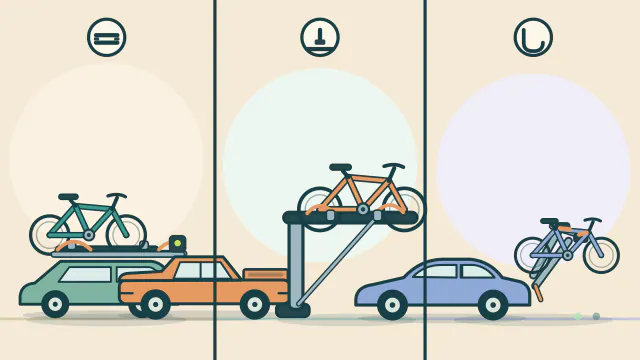
Bike Rack Types for Cars and SUVs
Compare roof, hitch and trunk bike racks by how they carry weight, which vehicle limit applies, and how to match a rack to your bikes.
Read guide ↗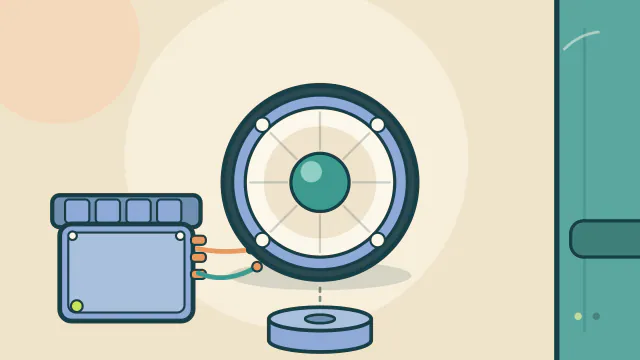
Car Speaker Upgrade Basics
Learn what impedance, sensitivity, RMS power handling and mounting depth mean, and how to match new speakers to a factory radio or amplifier.
Read guide ↗
Cargo Liners vs Carpet Mats
Compare cargo liners and carpet mats for water resistance, cargo sliding, cleaning and tie-down access, and choose by what you carry.
Read guide ↗
Compact Toolkits for Everyday Car Owners
Build a small car toolkit from the tools your owner's manual lists, plus a tire gauge, gloves, eye protection and a few hand tools for routine checks.
Read guide ↗
Dash Cam Parking Mode Explained
Understand buffered, impact, motion and time-lapse parking modes, their power needs and the privacy and battery checks to make before installation.
Read guide ↗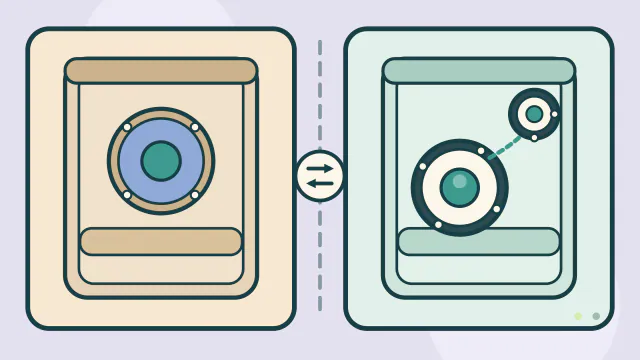
Factory Audio vs Aftermarket Audio: Pros and Cons
Compare factory and aftermarket car audio on cost structure, warranty coverage and integration with controls, warning chimes and vehicle electronics.
Read guide ↗
Front-Only vs Dual-Channel Dash Cameras
Compare front-only and dual-channel dash cameras on what they record, mounting and power needs, storage, privacy and the questions to settle before buying.
Read guide ↗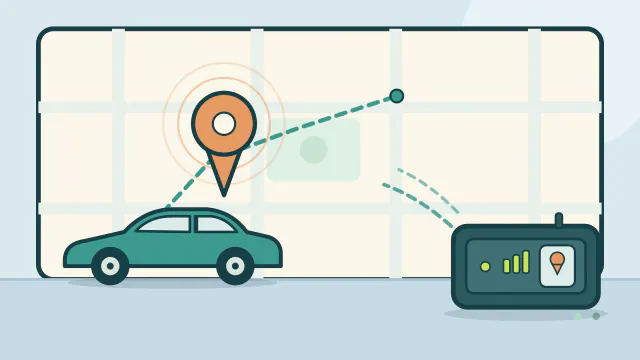
GPS Car Trackers: How They Work
See how a GPS tracker finds a car, what OBD, hardwired and battery units each need, and what to check before sharing a vehicle's location data.
Read guide ↗
How to Choose a Car Sunshade
Compare custom, folding and roll-up sunshades, measure a windshield correctly, and judge heat and UV claims without expecting a parked car to stay cool.
Read guide ↗
How to Choose a Dash Cam for Your Car
Compare dash cam resolution, field of view, low-light recording, parking power, location stamping, card capacity and heat limits before prices.
Read guide ↗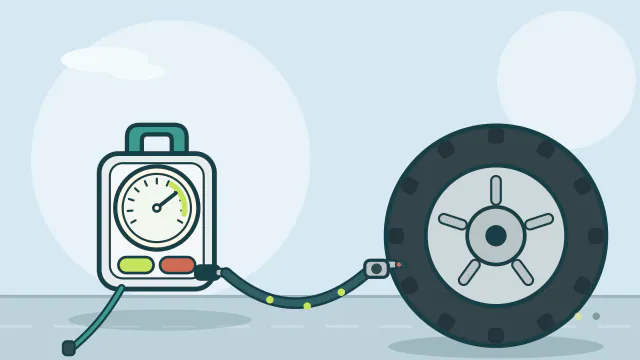
How to Choose a Portable Tire Inflator
Choose a portable tire inflator by working pressure, duty cycle, gauge accuracy and power source, then match it to the cold pressure on your car's placard.
Read guide ↗
How to Choose a Secure Car Phone Mount
Pick a phone mount that holds firmly without blocking your view, covering an airbag or breaking your state's windshield rules.
Read guide ↗
How to Choose Crossbars for Your Car
Choose crossbars by roof type, bar width and approved mount positions, then work from the lowest roof, bar and accessory load rating.
Read guide ↗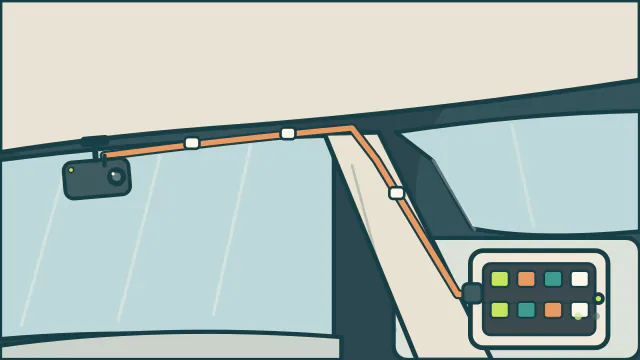
How to Hide Dash Cam Wiring Safely
Plan a dash cam cable route clear of airbag zones, choose between the 12V socket and a fused hardwire kit, and read the manual before tapping a circuit.
Read guide ↗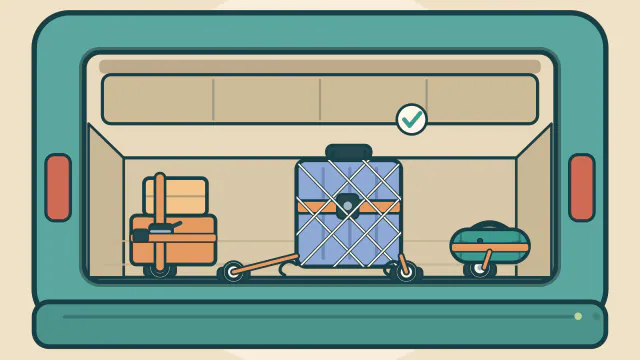
How to Secure Luggage in an SUV
Load an SUV so luggage stays low and restrained, the seatbacks stay below their limit, and the tie-downs and airbag paths remain usable.
Read guide ↗
Portable Jump Starter vs Jumper Cables
Compare a portable jump starter with jumper cables on power source, battery chemistry, cold-weather limits and upkeep, using manufacturer and AAA guidance.
Read guide ↗
Roof Cargo Box vs Hitch Cargo Carrier
Compare roof cargo boxes and hitch cargo carriers by roof load, tongue weight, fuel use, garage height and everyday access before you buy.
Read guide ↗
Seat Cover Compatibility With Side Airbags
Check where your seat's side airbag and occupant sensor sit, what the manual says about covers, and whether a cover leaves the deployment path clear.
Read guide ↗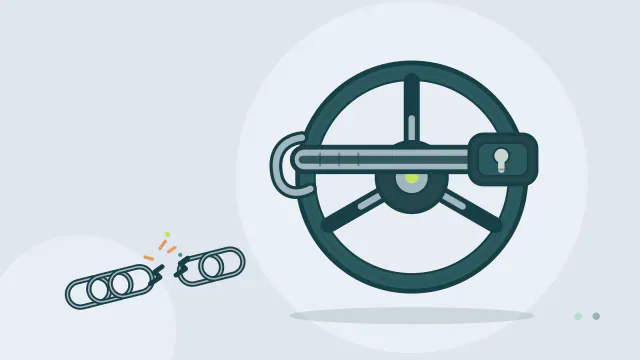
Steering Wheel Locks: What Do They Protect Against?
See what a steering wheel lock deters, how NHTSA separates visible devices from immobilizers and tracking systems, and where the device stops short.
Read guide ↗
What to Look for in a Car Fire Extinguisher
Choose a car fire extinguisher by its A, B and C rating, mounting bracket and inspection routine, and know when official guidance says to walk away.
Read guide ↗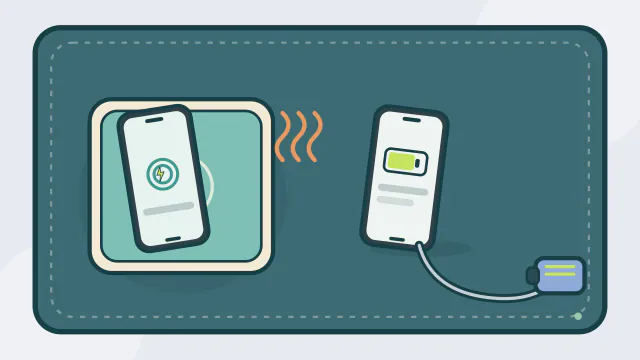
Wired vs Wireless Car Phone Chargers
Compare wired and wireless car charging on speed, heat, case fit and mounting, using USB and Qi standards plus owner's manual limits.
Read guide ↗Car Brands and Models
Acura MDX Seating and Cargo Configurations
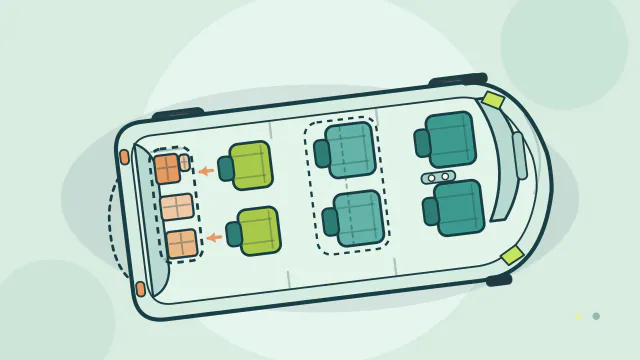
See how the 2026 Acura MDX seats up to seven, how each row measures, and how much cargo it holds behind the third, second and first rows.
Read guide ↗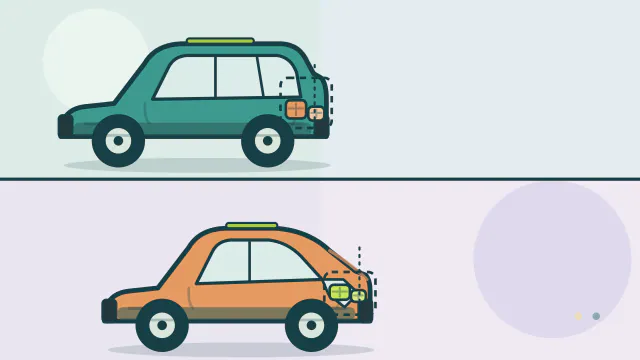
Audi Q5 vs Q5 Sportback: Space and Style
Compare the 2026 Audi Q5 and Q5 Sportback on cargo, rear room, exterior size, roof shape, EPA ratings and NHTSA recall counts.
Read guide ↗
Best Ways to Research US-Spec Cars
A practical US-market research guide covering evidence, documents, comparison methods and common mistakes when evaluating vehicles.
Read guide ↗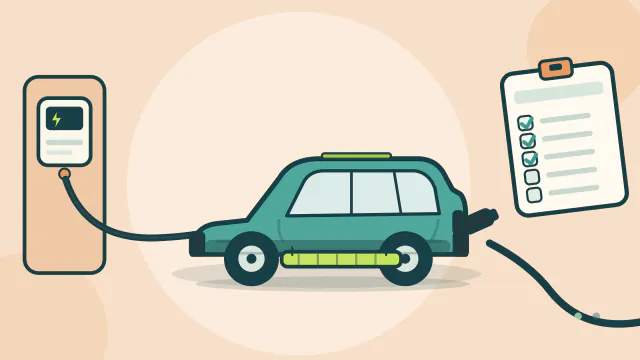
BMW X5 Plug-In Hybrid: Ownership Questions
Answer the practical questions about a 2025 or 2026 BMW X5 xDrive50e: electric range, 240-volt charge times, fuel grade, battery warranty and recalls.
Read guide ↗
Car Generations Explained: Why Redesign Years Matter
A practical US-market research guide covering evidence, documents, comparison methods and common mistakes when evaluating vehicles.
Read guide ↗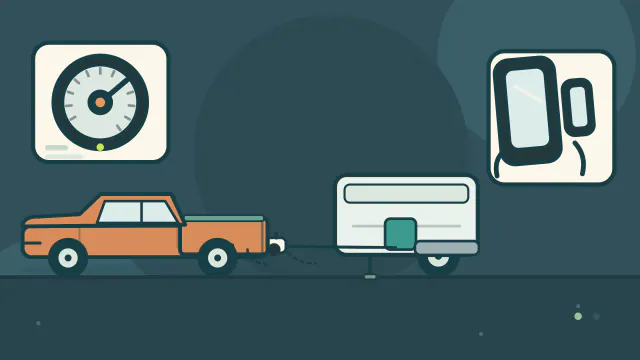
Chevrolet Colorado Trailering Features Explained
A 2026 Chevrolet Colorado guide to the Trailering Package, integrated trailer brake controller, Tow/Haul mode, camera aids and the printed tow ratings.
Read guide ↗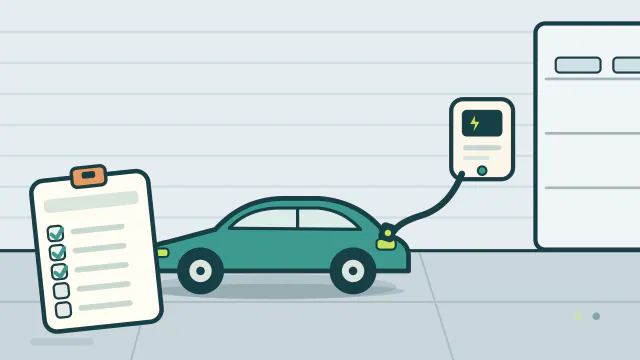
Chevrolet Equinox EV: Home Charging Checklist
A home-charging checklist for the 2025 and 2026 Chevrolet Equinox EV, built from the owner's manual circuit rules, cord limits, charge targets and status lights.
Read guide ↗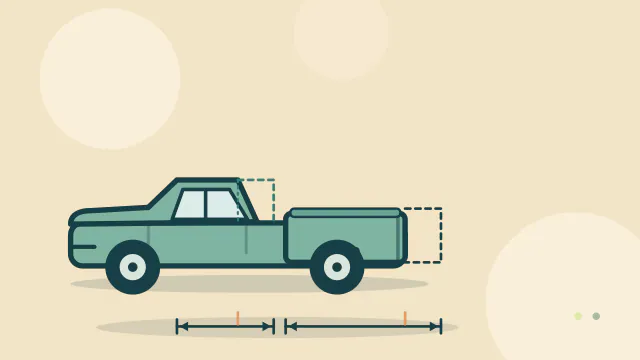
Chevrolet Silverado 1500 Cab and Bed Choices Explained
See the five cab and bed combinations Chevrolet lists for the 2026 Silverado 1500, with box lengths, seat counts and payload ranges for each.
Read guide ↗
Ford Bronco vs Bronco Sport: Key Differences
Compare the 2026 Ford Bronco and Bronco Sport by body construction, size, doors, roof, off-road equipment, towing, cargo and EPA fuel economy.
Read guide ↗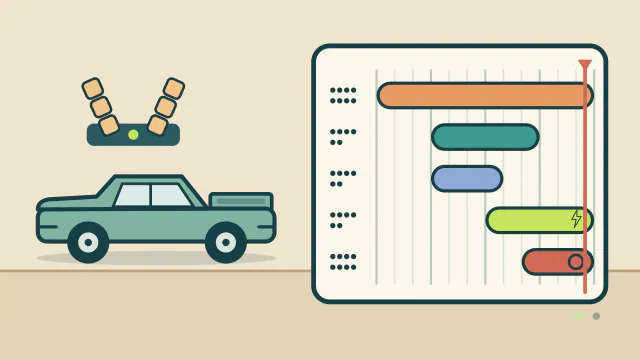
Ford F-150 Engine Options: How to Compare by Model Year
Compare F-150 engines by model year using EPA listings, the window sticker and a VIN-based recall check instead of the engine name alone, with 2026 EPA figures.
Read guide ↗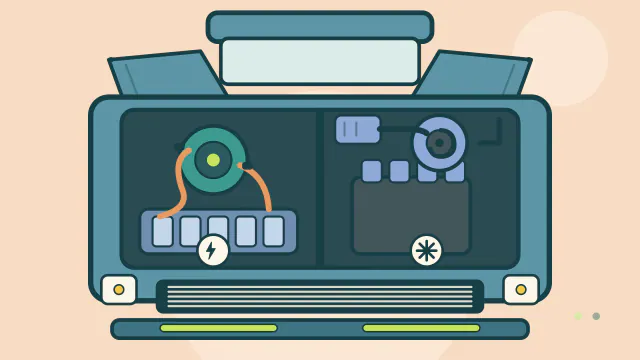
Ford Maverick Hybrid vs EcoBoost: Buyer Considerations
Compare the 2026 Ford Maverick hybrid and EcoBoost by EPA ratings, towing, payload, fuel octane, all-wheel drive and flat-towing ability.
Read guide ↗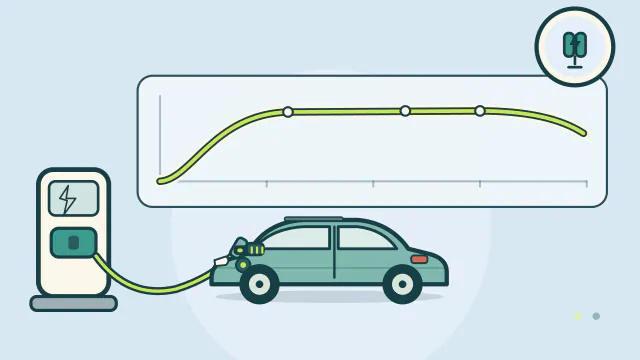
Ford Mustang Mach-E Charging Basics
How the 2026 Ford Mustang Mach-E charges, from its two battery types and mobile cord to public AC, DC fast charging and charge settings, using Ford's manual.
Read guide ↗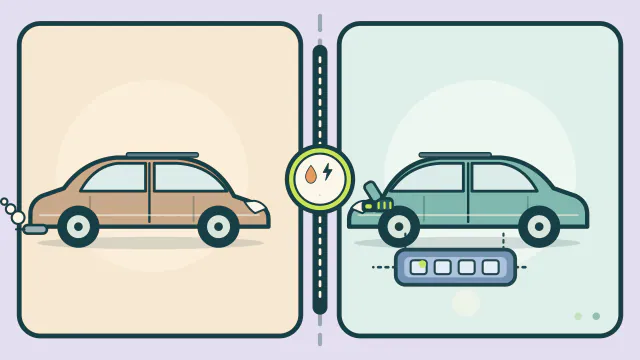
Genesis GV70 vs Electrified GV70
Compare the 2026 Genesis GV70 and Electrified GV70 on power, EPA class and economy, range, cargo, towing, charging times and warranty terms.
Read guide ↗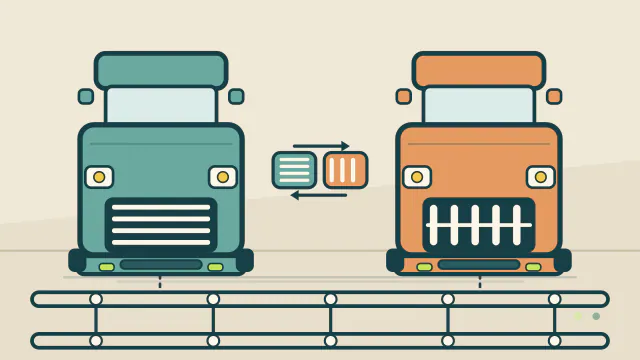
GMC Sierra 1500 vs Chevrolet Silverado 1500
Compare the 2026 GMC Sierra 1500 and Chevrolet Silverado 1500 on cab choices, payload by configuration, towing, bed volume and EPA fuel economy.
Read guide ↗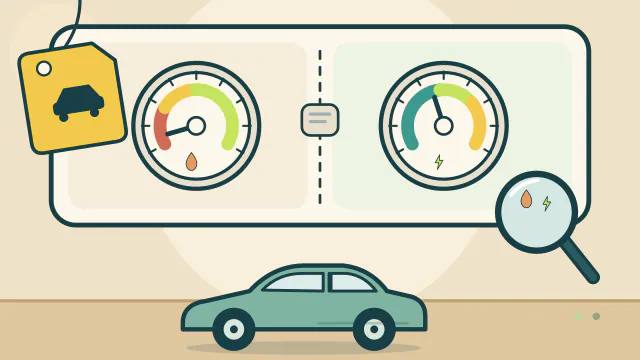
Honda Accord Hybrid vs Gas: Used Buyer Considerations
Compare used Honda Accord hybrid and gas models by year, including which years offered both, trunk space, EPA ratings, recalls and battery warranty terms.
Read guide ↗
Honda Civic Sedan vs Hatchback: Which Fits Your Needs?
Compare the 2022-2027 Honda Civic sedan and hatchback by cargo volume, length, passenger space, hybrid trims, rear wiper and recall coverage.
Read guide ↗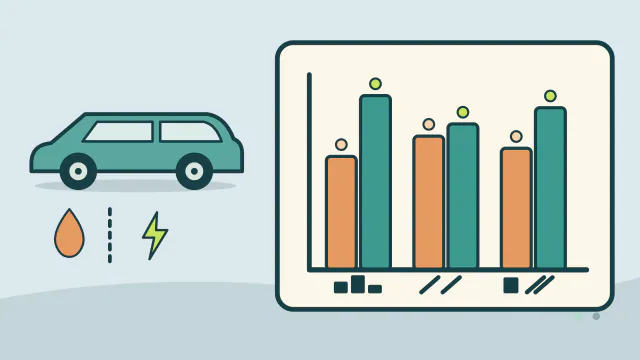
Honda CR-V Hybrid vs Gas: Ownership Trade-Offs
Compare the Honda CR-V hybrid and gas versions with 2026 EPA fuel economy, annual fuel cost and range, plus a break-even method you can run with your own driving.
Read guide ↗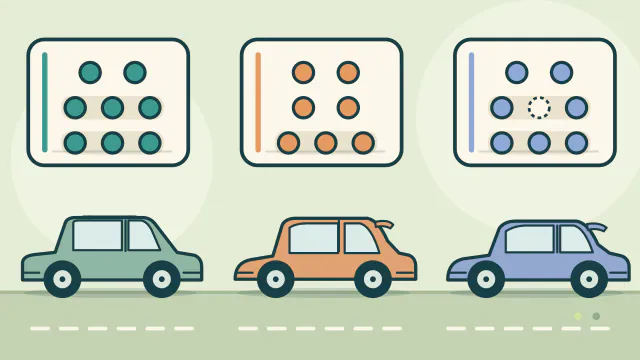
Honda Pilot Seating Configurations by Generation
Trace Honda Pilot seating from 2003 to 2026: eight-seat layouts, second-row benches, captain's chairs and the removable middle seat by generation and trim.
Read guide ↗
How Car Brand Ownership and Parent Companies Work
A practical US-market research guide covering evidence, documents, comparison methods and common mistakes when evaluating vehicles.
Read guide ↗
How to Check Vehicle Repair Records Before Purchase
A practical US-market research guide covering evidence, documents, comparison methods and common mistakes when evaluating vehicles.
Read guide ↗
How to Check Whether a Feature Is Standard or Optional
A practical guide to verify equipment status, with reliable documentation, comparison methods and important limitations for US drivers.
Read guide ↗
How to Compare Trim Levels Within One Car Model
A practical US-market research guide covering evidence, documents, comparison methods and common mistakes when evaluating vehicles.
Read guide ↗
How to Compare Warranty Coverage Across Car Brands
Learn how to compare bumper-to-bumper, powertrain, corrosion and EV battery warranties by terms, exclusions, transferability and service obligations before choosing a US car brand.
Read guide ↗
How to Find an Official Owner's Manual by Make and Model
A practical US-market research guide covering evidence, documents, comparison methods and common mistakes when evaluating vehicles.
Read guide ↗
How to Identify the Factory That Built Your Vehicle
A practical US-market research guide covering evidence, documents, comparison methods and common mistakes when evaluating vehicles.
Read guide ↗
How to Interpret Owner Complaint Reports
A practical US-market research guide covering evidence, documents, comparison methods and common mistakes when evaluating vehicles.
Read guide ↗
How to Research a Car Model Before Buying
A practical US-market research guide covering evidence, documents, comparison methods and common mistakes when evaluating vehicles.
Read guide ↗
How to Research Discontinued Car Models
A practical US-market research guide covering evidence, documents, comparison methods and common mistakes when evaluating vehicles.
Read guide ↗
How to Research Reliability by Model and Year
A practical guide to research reliability by exact model year, with reliable documentation, comparison methods and important limitations for US drivers.
Read guide ↗
How to Spot a Midcycle Refresh
A practical guide to recognize a midcycle update, with reliable documentation, comparison methods and important limitations for US drivers.
Read guide ↗
Hyundai IONIQ 5 Charging and Connector Basics
Hyundai changed the IONIQ 5 charge port by model year. See which cars use CCS1 or NACS, what adapters came with them, and how charging works.
Read guide ↗
Imported Cars Sold in America: What Buyers Should Check
A practical US-market research guide covering evidence, documents, comparison methods and common mistakes when evaluating vehicles.
Read guide ↗
Luxury Car Brands vs Mainstream Brands: What Do Buyers Actually Get?
Compare luxury and mainstream car brands on equipment, refinement, insurance, safety, warranties and total ownership cost.
Read guide ↗
Model Year vs Calendar Year: What's the Difference?
A practical guide to distinguish model year from build date, with reliable documentation, comparison methods and important limitations for US drivers.
Read guide ↗
Recalls vs Technical Service Bulletins: What's the Difference?
A practical guide to distinguish recalls from service bulletins, with reliable documentation, comparison methods and important limitations for US drivers.
Read guide ↗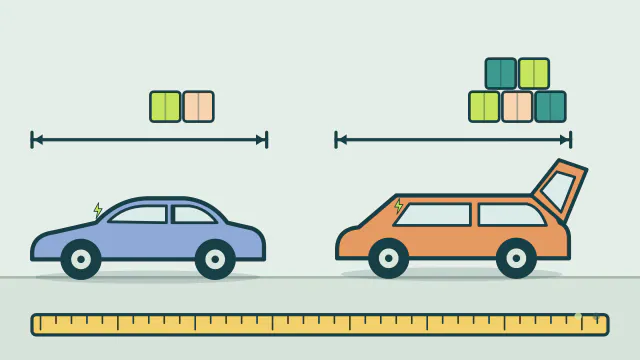
Tesla Model 3 vs Model Y: Size and Practicality
Compare Tesla Model 3 and Model Y size, cargo space, rear seat room, ground clearance and 2026 EPA range using Tesla manuals, EPA and NHTSA data.
Read guide ↗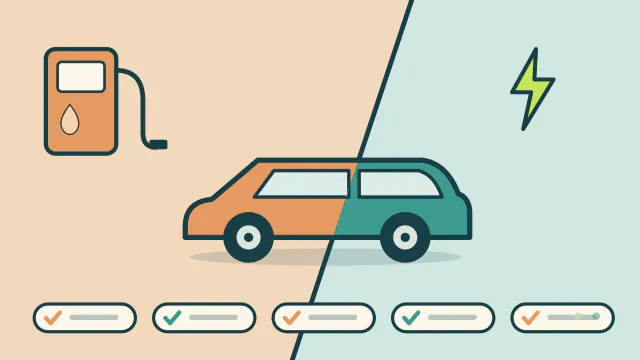
Toyota RAV4 Gas vs Hybrid: Buyer Comparison
Compare the Toyota RAV4 gas and hybrid versions by model year: which years offer both, plus power, towing, drivetrain, space, EPA ratings and warranty.
Read guide ↗
US-Spec vs International-Spec Cars: Key Differences
A practical US-market research guide covering evidence, documents, comparison methods and common mistakes when evaluating vehicles.
Read guide ↗
What Makes a Car Brand Reliable?
Learn how US car reliability is measured, why model-year history beats brand reputation alone, and how to weigh survey methods, recalls and repair records.
Read guide ↗
When Does a New Car Generation Usually Launch?
A practical guide to evaluate generation launch timing, with reliable documentation, comparison methods and important limitations for US drivers.
Read guide ↗
Which Car Brands Have the Lowest Long-Term Ownership Costs?
Why no car brand is permanently cheapest to own: compare specific models by depreciation, maintenance, insurance, fuel and financing over the same period.
Read guide ↗
Why a Problem on One Generation May Not Affect Another
A practical guide to compare generations carefully, with reliable documentation, comparison methods and important limitations for US drivers.
Read guide ↗
Why the Same Car Model Has Different Features by Year
A practical guide to explain annual equipment changes, with reliable documentation, comparison methods and important limitations for US drivers.
Read guide ↗
Why Vehicle Names Change Between Markets
A practical US-market research guide covering evidence, documents, comparison methods and common mistakes when evaluating vehicles.
Read guide ↗Car Buying

Buying a Car as a College Student
A student-friendly car should fit transportation needs without exhausting tuition and living-expense reserves. A practical US-market guide to checking evidence before buying.
Read guide ↗
Buying a New Car From an Out-of-State Dealership
Out-of-state purchases add registration, transport and tax coordination that need confirmation before payment. A practical US-market guide to checking evidence before buying.
Read guide ↗
Buying Your First Family SUV
The best family SUV fits real passengers, child seats and cargo without ignoring parking or running costs. A practical US-market guide to checking evidence before buying.
Read guide ↗
Can You Return a Newly Purchased Car in the US?
A general federal three-day right to return a dealership car purchase does not exist. A practical US-market guide to checking evidence before buying.
Read guide ↗
Choosing a Car for a Teen Driver
Prioritize manageable performance, crash protection, visibility and affordable insurance for new drivers. A practical US-market guide to checking evidence before buying.
Read guide ↗
Dealer Add-Ons Worth Questioning
Dealer add-ons can raise the transaction price without delivering clear value for every buyer. A practical US-market guide to checking evidence before buying.
Read guide ↗
Documents to Bring When Buying a Car
The documents needed depend on payment method, financing and local registration requirements. A practical US-market guide to checking evidence before buying.
Read guide ↗
Factory Ordering a Car: Benefits and Risks
Factory orders can improve specification choice but delivery dates and pricing may change. Practical US-specific steps to make a better-informed decision.
Read guide ↗
How Manufacturer Rebates and Incentives Work
Manufacturer offers may reduce prices or finance rates but depend on eligibility and offer terms. A practical US-market guide to checking evidence before buying.
Read guide ↗
How to Compare Two Cars with Different Standard Equipment
Compare equivalent equipment rather than treating different base prices as like-for-like. Practical US-specific steps to make a better-informed decision.
Read guide ↗
How to Confirm Warranty Start Dates
Warranty coverage timing can depend on the vehicle's in-service date and the manufacturer's specific terms. A practical US-market guide to checking evidence before buying.
Read guide ↗
How to Shop for a Car When You Have a Long Commute
A long commute makes seating support, energy costs and reliability more important than infrequently used features. A practical US-market guide to checking evidence before buying.
Read guide ↗
New Car Delivery Inspection Checklist
Inspect paint, glass, tires, equipment and paperwork before accepting delivery. Practical US-specific steps to make a better-informed decision.
Read guide ↗
What Are Dealer Documentation Fees?
Documentation fees are dealer charges for handling transaction paperwork and vary by dealership and state. A practical US-market guide to checking evidence before buying.
Read guide ↗
What to Check Before Signing a Car Purchase Contract
Review the entire out-the-door price and funding terms before signing. Practical US-specific steps to make a better-informed decision.
Read guide ↗Car Detailing and Protection

Car Wax vs Paint Sealant vs Ceramic Coating
Compare car wax, paint sealant and ceramic coating by chemistry, maker-stated durability and preparation needs before you choose.
Read guide ↗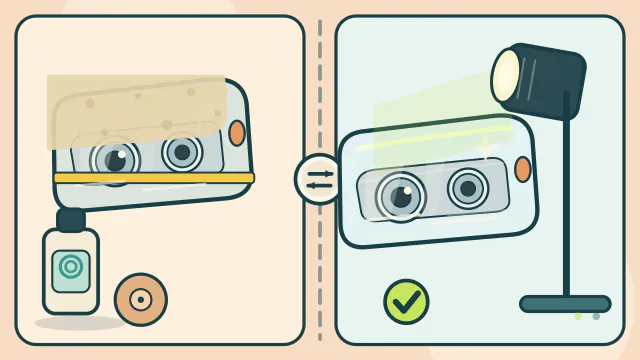
Headlight Restoration: DIY vs Professional
Compare DIY headlight kits with professional restoration, their measured light output, and when a new lens assembly is the better answer.
Read guide ↗
How Long Does Ceramic Coating Last?
Ceramic coating durability depends on the product, the preparation and the washing routine. Compare stated guarantees, conditions and real-world limits.
Read guide ↗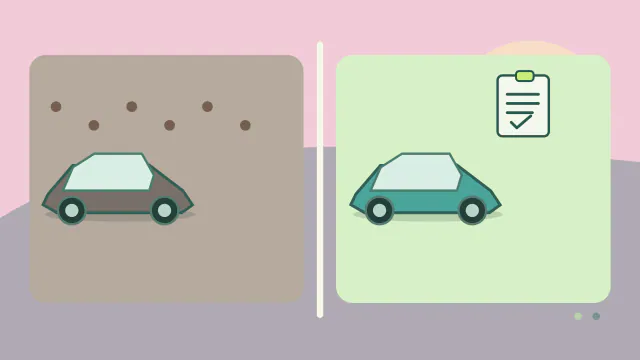
How Much Does Professional Car Detailing Cost?
Learn why detailing prices vary, how to compare written scopes and which condition, vehicle and protection factors change a professional quote.
Read guide ↗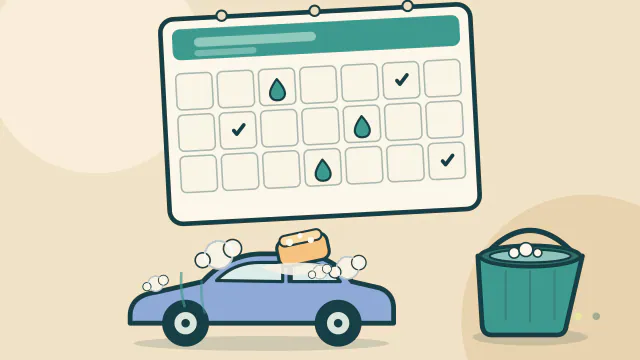
How Often Should You Wash Your Car?
Learn how often to wash a car using owner's manual minimums, AAA winter salt guidance, and the conditions that call for washing sooner.
Read guide ↗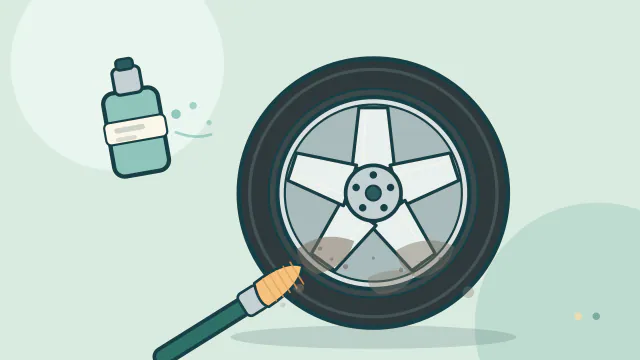
How to Clean Alloy Wheels Safely
Clean coated alloy wheels with mild soap, cool wheels and soft tools, and avoid the acid, alkaline and abrasive products makers warn against.
Read guide ↗
How to Clean Car Touchscreens Safely
Learn how to clean a car touchscreen with a soft microfiber cloth and plain water, and which cleaners can harm anti-glare or fingerprint coatings.
Read guide ↗
How to Clean Fabric Car Seats
Learn how to identify your seat fabric, spot test a cleaner, choose foam or shampoo, and dry the seat fully so mildew does not return.
Read guide ↗
How to Maintain a Ceramic-Coated Car
Keep a ceramic coating working with pH-neutral hand washes, safe drying, decontamination and the maintenance intervals the coating maker specifies.
Read guide ↗
How to Remove Pet Hair From Car Upholstery
Learn how a vacuum, rubber brush, lint roller and pumice stone lift pet hair from car seats, and how to avoid snagging looped fabric.
Read guide ↗
How to Remove Road Salt From a Car
Learn why road salt damages metal, when state DOT and owner's manual guidance says to wash, and how to flush the underbody, wheel wells and drain holes.
Read guide ↗
How to Remove Smoke Smell From a Car
Learn why smoke odor returns, how to clean the surfaces and cabin filter that hold residue, and what EPA says about ozone treatments.
Read guide ↗
How to Remove Water Spots From Car Glass
Learn what hard-water spots are, how to remove fresh mineral film with the mildest method, when the glass is etched, and when polishing is the only fix.
Read guide ↗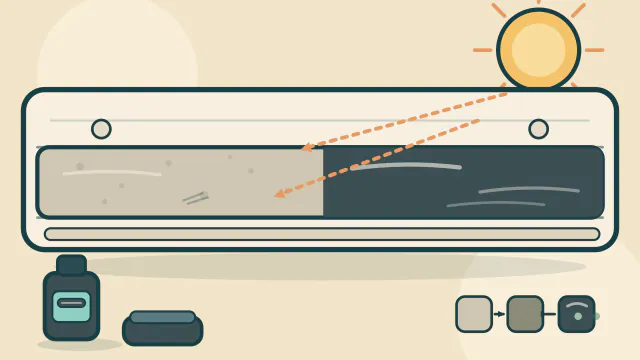
How to Restore Faded Exterior Plastic Trim
Learn why exterior plastic trim fades, how protectants, coatings, dyes and replacement parts differ, and how to avoid silicone stains and uneven results.
Read guide ↗
How to Wash a Car Without Scratching Paint
Learn where wash scratches come from, how to pre-rinse and wash top-down, and why clean mitts, grit guards and microfiber drying protect clear coat.
Read guide ↗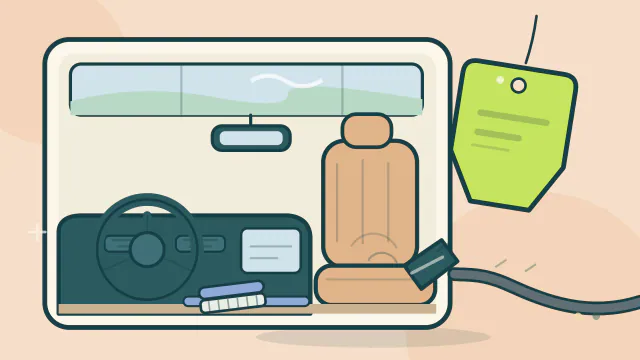
Is Interior Detailing Worth It Before Selling a Car?
Decide whether pre-sale interior detailing is worth the cost by looking at what buyers inspect, what cleaning can fix and what it cannot prove.
Read guide ↗
Leather Car Seat Cleaning and Conditioning
Learn how coated, semi-aniline and aniline leather differ, how to clean seats with a pH-neutral product, and when conditioning helps.
Read guide ↗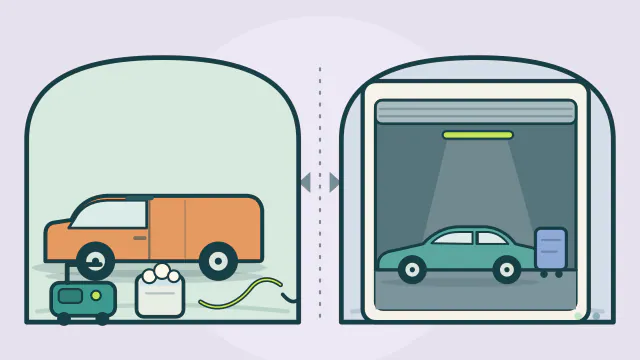
Mobile Detailer vs Detailing Shop
Compare mobile detailing with a fixed shop on water and power access, workspace, paint-correction capacity, insurance, written quotes and travel fees.
Read guide ↗
Paint Protection Film vs Ceramic Coating
Paint protection film absorbs physical hits while ceramic coating changes surface chemistry. Compare coverage, warranties, maintenance and how they combine.
Read guide ↗
Safe Bug and Tar Removal for Automotive Paint
Learn how to soften bug splatter and road tar without damaging clear coat, which tools and solvents to avoid, and when to hand the job to a professional.
Read guide ↗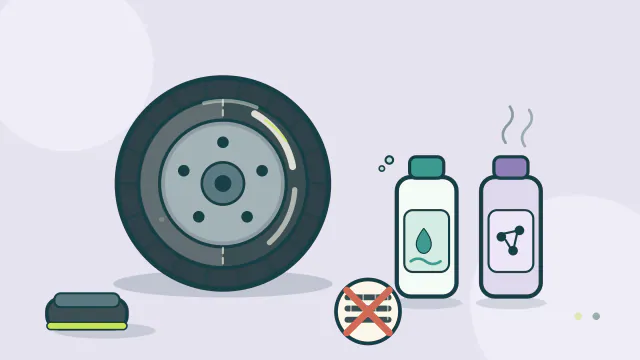
Tire Dressing: Water-Based vs Solvent-Based
Compare water-based and solvent-based tire dressings on finish, sling, dust and rubber care, and see why dressing must stay off the tread and brake parts.
Read guide ↗
Two-Bucket vs Rinseless Car Washing
Compare the two-bucket hose wash with rinseless products on water use, grit control and safe use, including when a rinseless wash is the wrong choice.
Read guide ↗
What Is Included in a Full Car Detail?
See what a full car detail usually covers, from decontamination wash and interior cleaning to correction and protection, and what to confirm in the quote.
Read guide ↗
What Is Paint Decontamination?
Paint decontamination removes bonded iron fallout and tar before polishing or protection. Learn the chemical and mechanical steps and their order.
Read guide ↗
When Does Car Paint Need Polishing?
Learn when polishing can safely fix swirls, oxidation and water spots, how much clear coat it removes, and when the damage calls for a paint shop.
Read guide ↗Car Maintenance
Car Maintenance After Driving Through Floodwater
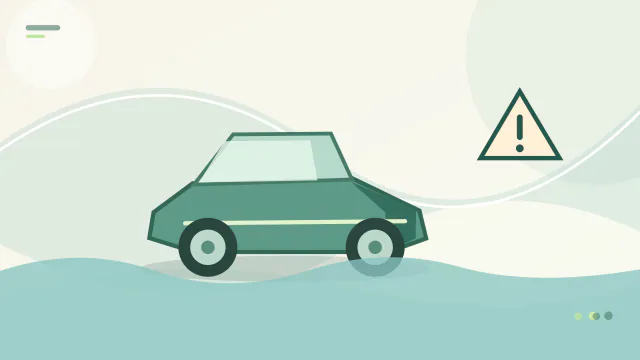
Floodwater can affect brakes, bearings, electronics and engine systems; even a running vehicle may have hidden damage.
Read guide ↗
Car Maintenance Schedule by Mileage
Mileage-based checklists help organize routine service, but the manufacturer schedule takes priority. Different components wear by both distance and time.
Read guide ↗
Coolant Flush: When Is It Necessary?
Learn when manufacturer coolant intervals, fluid contamination or a cooling-system fault justify replacement, flushing or further diagnosis.
Read guide ↗
How Long Does a Car Battery Last?
Car battery life depends on heat, cold, driving frequency, electrical load and charging-system condition; age alone does not diagnose a failing battery.
Read guide ↗
How Often Should You Change Engine Oil?
The correct oil-change interval depends on the vehicle, engine, oil specification, driving conditions and manufacturer maintenance schedule. There is no one mileage interval that suits every car.
Read guide ↗
How Often Should You Change Spark Plugs?
Learn why spark plug replacement intervals vary by engine and plug type, what symptoms matter, how to read a maintenance schedule and when professional diagnosis is safer.
Read guide ↗
How Often Should You Change Transmission Fluid?
Understand why automatic, CVT, DCT and manual transmission service schedules differ, what severe use changes and why correct fluid specifications matter more than fixed mileage advice.
Read guide ↗
How Often Should You Replace Brake Fluid?
Understand US brake fluid maintenance intervals, DOT fluid differences, moisture contamination, symptoms and safe service decisions based on the exact vehicle owner's manual.
Read guide ↗
How Often Should You Replace the Engine Air Filter?
Engine air-filter service intervals vary by vehicle and driving environment; visible dirt does not automatically establish a universal replacement mileage.
Read guide ↗
How to Check and Top Off Washer Fluid
Follow a safe step-by-step process for identifying a car's washer reservoir, choosing climate-appropriate fluid and avoiding coolant or brake-fluid mix-ups.
Read guide ↗
How to Check Car Battery Terminal Corrosion
Powdery deposits around 12-volt battery terminals can signal a connection or battery issue, but do not automatically prove the battery needs replacing.
Read guide ↗
How to Follow Severe-Service Maintenance Intervals
How to check if your own driving qualifies as severe service and follow the vehicle-specific maintenance schedule for oil, filters, coolant and other components.
Read guide ↗
How to Prepare a Car for Long-Term Storage
Long periods without driving can affect the battery, fuel, tires, fluids and interior even when a car looks unchanged.
Read guide ↗
How to Recognize a Failing Alternator Before a Breakdown
Charging-system faults may cause repeated battery discharge, warning lights or erratic electrical operation; symptoms alone cannot confirm an alternator failure.
Read guide ↗
Power Steering Fluid Maintenance Guide
Check whether your vehicle uses hydraulic or electric power steering before inspecting fluid level, leaks, maintenance intervals or the correct specification.
Read guide ↗
Pre-Road-Trip Vehicle Inspection Checklist
A short pre-trip inspection can identify tire, fluid, lighting and battery problems before an extended drive.
Read guide ↗
Summer Car Maintenance Checklist
Heat and long-distance driving can increase the consequences of weak cooling systems, worn tires and aging batteries.
Read guide ↗
Synthetic vs Conventional Motor Oil
Understand synthetic, synthetic blend and conventional motor oil, viscosity grades, quality specifications and maintenance intervals without making misleading mileage promises.
Read guide ↗
Timing Belt vs Timing Chain Maintenance
Compare engine timing belts and timing chains, understand why inspection and replacement schedules vary, and learn how to handle uncertain service history and warning symptoms safely.
Read guide ↗
What Happens if You Skip Oil Changes?
Understand why overdue engine oil changes can increase wear, deposits and repair risk, plus safe next steps for drivers.
Read guide ↗
What Is Included in a 100,000-Mile Service?
Prepare for 100,000-mile vehicle maintenance by reviewing completed work, overdue factory services, age-related inspections and repair priorities.
Read guide ↗
What Is Included in a 30,000-Mile Service?
Understand what a 30,000-mile service may include, why the factory schedule matters, and which inspections or replacements require evidence.
Read guide ↗
What Is Included in a 60,000-Mile Service?
Check the factory 60,000-mile service schedule, distinguish fluids and scheduled parts from condition-based inspections, and compare itemized quotes.
Read guide ↗
When Should You Change a Cabin Air Filter?
Cabin air filters capture airborne particles entering the passenger compartment; their replacement schedule depends on the vehicle and local dust or pollen exposure.
Read guide ↗
Winter Car Maintenance Checklist
Cold weather can reduce battery performance, tire pressure and visibility while snow or ice raises driving risk.
Read guide ↗Car Modifications and Tuning
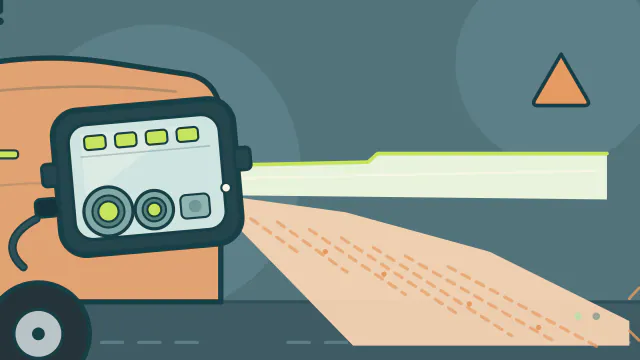
Aftermarket LED Headlight Conversion Risks
A drop-in LED bulb is not automatically legal. FMVSS 108 tests the whole headlamp system, and a mismatch can cause glare and fail inspection.
Read guide ↗
Aftermarket Wheels and Electric Vehicle Range
Understand how wheel diameter, width, mass, aerodynamics and tire choice can change EV energy use, fitment and displayed range.
Read guide ↗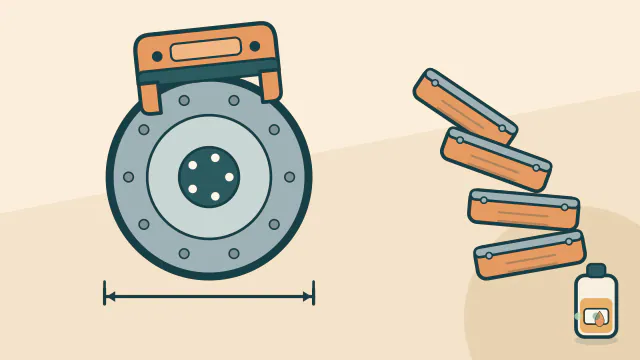
Brake Upgrade Options for Daily Drivers
Compare daily-driver brake upgrades, including pad compounds, larger rotors, fluid and cooling, plus the wheel clearance and balance checks that come first.
Read guide ↗
Can Tuning Void a Manufacturer Warranty?
Learn what federal warranty law says about tuned cars, when a dealer can deny a specific claim, and which evidence decides a denied repair.
Read guide ↗
Car Interior Trim Customization Ideas
Interior trim ideas that respect airbags and sensors, plus the seat-cover, adhesive and wiring cautions found in owner's manuals.
Read guide ↗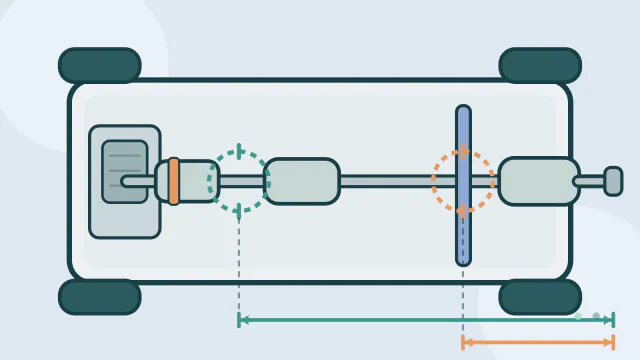
Cat-Back Exhaust vs Axle-Back Exhaust
Compare cat-back and axle-back exhaust systems by where they start, what they replace and what they leave untouched, including the converter.
Read guide ↗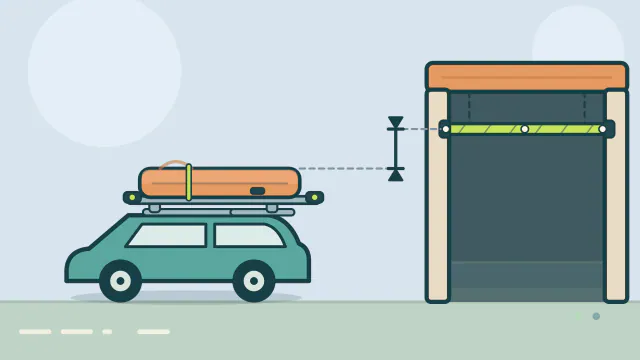
Choosing a Roof Rack for a Modified SUV
Pick a roof rack for a lifted or modified SUV by matching roof load limits, crossbar spacing, sunroof clearance and garage height.
Read guide ↗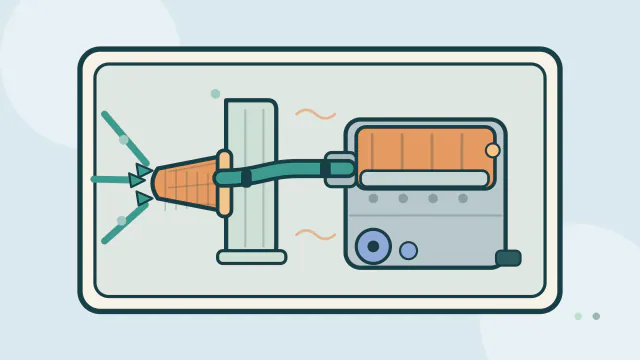
Cold Air Intake: Real-World Benefits and Trade-Offs
See what a cold air intake really changes, how airflow sensor scaling affects fueling, and where emissions rules and warranty terms limit the gain.
Read guide ↗
ECU Tuning Explained for Beginners
Learn what an ECU tune changes, how flash tuning differs from a piggyback box, and what octane, emissions rules and warranty terms mean for your car.
Read guide ↗
EV Performance Software Updates and Warranty Questions
See how Tesla's warranty treats software updates and modifications, how NHTSA recalls differ from feature updates, and when coverage can be affected.
Read guide ↗
Federal Emissions Rules and Aftermarket Parts
See how Clean Air Act tampering and defeat-device rules apply to aftermarket parts, when EPA discretion applies, and what to verify first.
Read guide ↗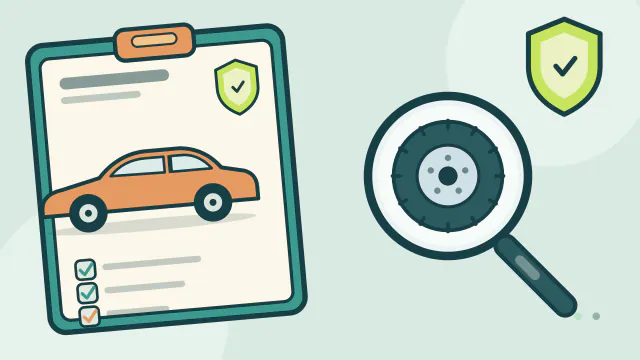
How to Check Whether a Car Modification Is Street-Legal
Check a car modification against four layers: federal safety standards, federal emissions law, state inspection rules and your insurance policy.
Read guide ↗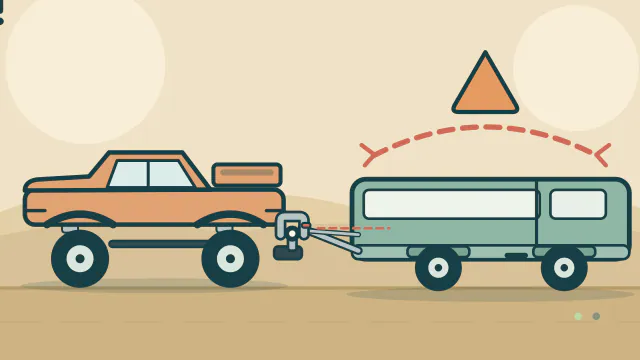
Lifted Truck Towing: What Changes?
A lift kit changes hitch height, headlamp aim and the assumptions behind a truck's published tow rating. Check these points before towing.
Read guide ↗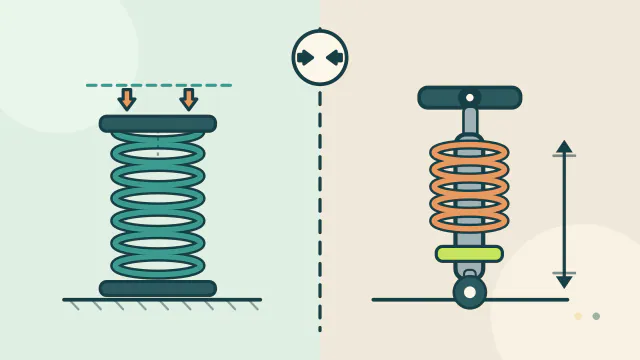
Lowering Springs vs Coilovers
Compare lowering springs and coilovers for ride height, damper matching, alignment, clearance and headlight aim, and learn which change suits a daily driver.
Read guide ↗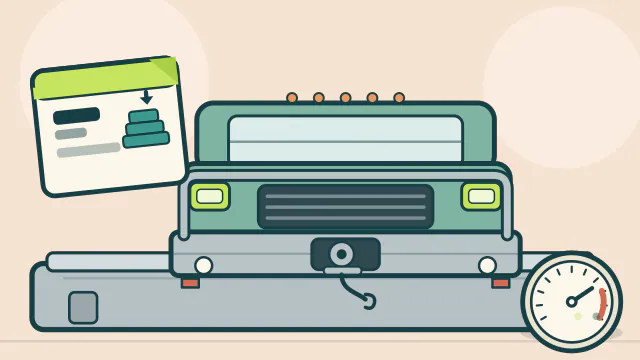
Off-Road Bumpers and Payload Considerations
A steel bumper, winch and lights all count against the truck's payload label. Here is the arithmetic, plus airbag and inspection questions to settle first.
Read guide ↗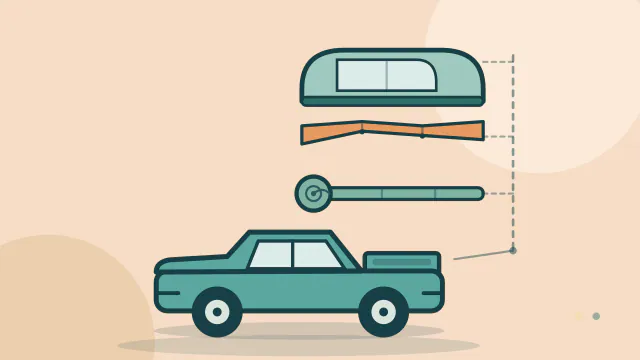
Pickup Truck Bed Covers: Types and Trade-Offs
Compare soft, folding, hard and retractable pickup bed covers by bed access, security, sealing, weight and fit before buying.
Read guide ↗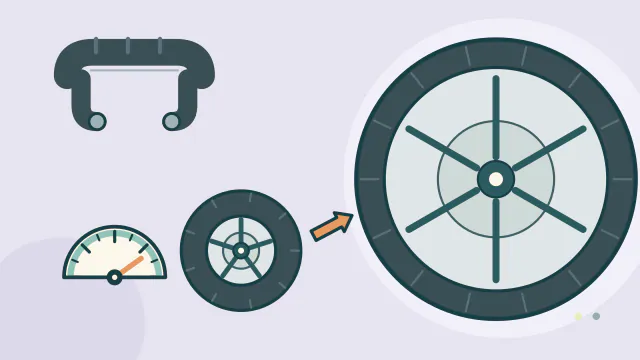
Plus-Sizing Wheels: Benefits and Risks
See what plus-sizing changes on a car: sidewall height, unsprung mass, speedometer error, load index, TPMS and ABS, checked against factory wheel specs.
Read guide ↗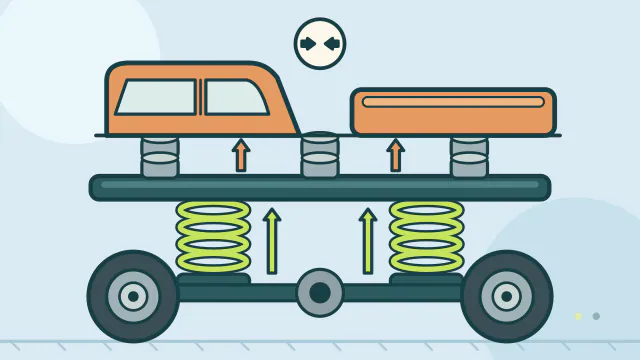
Suspension Lift vs Body Lift for Trucks
Compare suspension and body lifts: what each raises, alignment and steering changes, driveshaft and brake-line strain, stability, towing and inspection rules.
Read guide ↗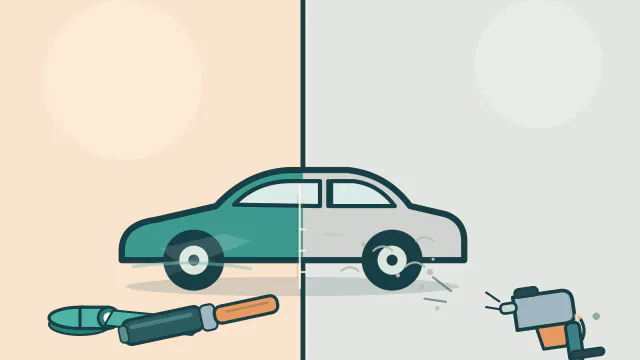
Vehicle Vinyl Wrap vs Repaint
Compare vinyl wrap and repaint on cost, rated life, removal risk and paint condition, plus when a color change needs a DMV update.
Read guide ↗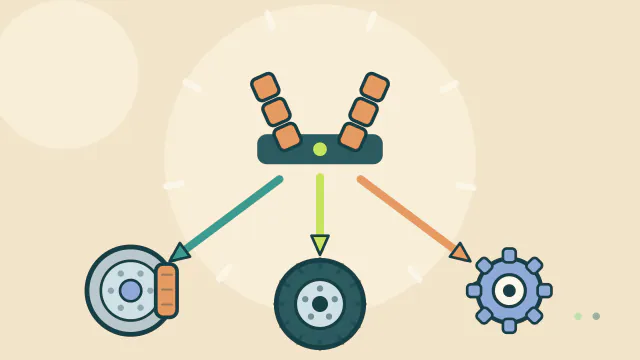
What to Consider Before Adding Engine Power
Plan an engine power increase around brakes, tires, cooling, fuel supply, driveline limits, insurance and warranty instead of the horsepower claim alone.
Read guide ↗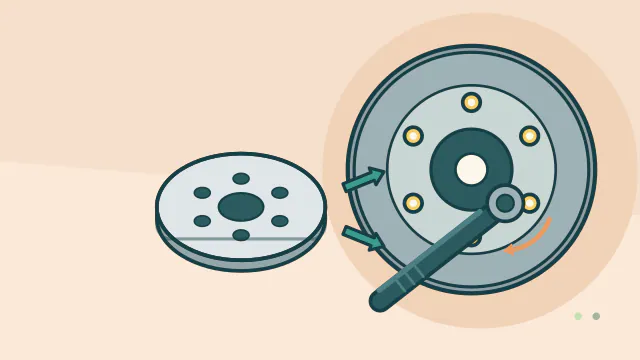
Wheel Spacers: Fitment and Safety
How wheel spacers change offset and track, why stud length and torque matter, what they do to bearing load, and why state rules differ on their use.
Read guide ↗
Why Dyno Results Differ Between Runs
See why two dyno pulls can report different horsepower, from SAE correction factors and weather to inertia versus load-bearing machines and operator settings.
Read guide ↗
Why Removing Emissions Equipment Is Illegal on Road Cars
Federal law bans removing or disabling emissions controls on a certified road car, and the prohibition lasts for the life of the vehicle.
Read guide ↗
Window Tint Types Explained
Compare dyed, metalized and ceramic window film by VLT, heat rejection and signal interference, and see how state tint limits are measured.
Read guide ↗Car Ownership and Running Costs

Annual Car Ownership Cost Breakdown
Build an annual vehicle budget for cash payments, fuel, maintenance, financing interest and depreciation without double counting costs.
Read guide ↗
Car Ownership Checklist After Moving to a New State
A state-to-state car ownership checklist covering vehicle registration, license, title, local inspection, insurance and deadlines using destination-state rules.
Read guide ↗
Cost of Owning an EV Without Home Charging
Estimate what EV ownership can cost when you rely on public Level 2 and DC fast charging, including electricity, fees, parking time and access.
Read guide ↗
EV vs Gas Car Maintenance Costs
Compare routine service and repair expense for electric versus gasoline cars without confusing lower scheduled maintenance with guaranteed lower total ownership cost.
Read guide ↗
Factory Warranty Explained
Understand the scope of a manufacturer's new-vehicle warranty, its time and mileage limits, common exclusions and how warranty repairs are requested.
Read guide ↗
Hidden Costs of Owning a Pickup Truck
Explore often-overlooked US pickup truck ownership expenses including fuel when hauling, tires, insurance, payload equipment, registration, maintenance and depreciation.
Read guide ↗
Home Charger Installation vs Public Charging Costs
Compare the upfront expense of an EV home charger with ongoing public charging rates, electrical upgrades, parking costs and realistic break-even mileage.
Read guide ↗
How Battery Warranty Affects Used EV Value
Understand how remaining battery-warranty coverage, transferability, capacity thresholds and actual battery condition affect the risk of buying a used electric vehicle.
Read guide ↗
How Often Should You Drive a Seldom-Used Car?
Learn how to maintain a car driven infrequently, including battery charge, tires, fuel, moisture and when proper storage is better than short idle sessions.
Read guide ↗
How to Estimate Resale Value Before Buying
Estimate potential future vehicle resale value using comparable cars, mileage projections, local demand and transaction costs rather than one generic percentage.
Read guide ↗
How to Keep Vehicle Service Records
Create useful vehicle maintenance records with dates, mileage, VIN, parts and invoices to support warranty questions, future service and resale.
Read guide ↗
How to Make a Car Maintenance Budget
Create an accurate US vehicle maintenance budget using factory schedules, service quotes, wear-item checks and a separate repair reserve.
Read guide ↗
How to Prepare for Major Car Repair Bills
Prepare for expensive vehicle repairs using a cash reserve, written diagnosis, staged priorities and an informed repair-versus-replace comparison.
Read guide ↗
How to Store a Car for Several Months
Prepare a vehicle for seasonal storage using manufacturer guidance for battery, tires, fuel, moisture, pests and insurance before returning it to service.
Read guide ↗
How to Track Your EV Energy Expenses
Build a realistic EV charging-cost log from home-meter data, public sessions, charging losses and distance to calculate cents per mile.
Read guide ↗
Is It Worth Maintaining a 15-Year-Old Car?
Decide whether maintaining a 15-year-old car makes sense by assessing structural safety, repair history, reliability needs and real replacement costs.
Read guide ↗
Is Roadside Assistance Worth Paying For?
Assess whether a roadside assistance plan is worth its annual fee by comparing towing distance, service limits, coverage overlap and local availability.
Read guide ↗
New vs Used Car Ownership Costs Over Five Years
Compare new and used cars over five years with depreciation, financing interest, insurance, fuel, repairs and projected sale value using consistent assumptions.
Read guide ↗
Powertrain vs Bumper-to-Bumper Warranty
Understand the different scopes of powertrain and basic limited vehicle warranties, including covered parts, exclusions and time/mileage limits.
Read guide ↗
Repair vs Replace: How to Make the Decision
Use a forward-looking repair-versus-replace worksheet that compares repair evidence, replacement transaction costs, future reliability and end values.
Read guide ↗
Vehicle Service Contract vs Manufacturer Warranty
Separate manufacturer warranty obligations from paid vehicle service contracts by comparing providers, exclusions, claim authorization and cancellation.
Read guide ↗
What Does a Car Warranty Exclude?
Learn which repairs commonly fall outside factory warranties and service contracts, including normal wear, maintenance, misuse, damage and noncovered parts.
Read guide ↗
What Does It Really Cost to Own a Car?
A car costs more than its sticker price. Depreciation, financing, insurance, energy, maintenance and fees all affect the true cost of ownership.
Read guide ↗
What to Keep in Your Car at All Times
A practical car essentials checklist for safety, breakdowns, paperwork, weather and emergency needs, with notes on what not to leave in a parked car.
Read guide ↗
When Is It Time to Replace Your Car?
A practical framework for deciding whether to repair or replace an aging car using safety, reliability, future costs and real replacement affordability.
Read guide ↗Car Parts and Fluids

AGM vs Flooded Car Batteries
Compare AGM and flooded lead-acid starting batteries by construction, charging needs, cycling, fitment and replacement decisions.
Read guide ↗
API and ILSAC Motor Oil Ratings Explained
Learn what API SP, Resource Conserving, ILSAC GF-6A and GF-6B mean on an oil bottle, how the marks differ and why the owner's manual comes first.
Read guide ↗
Automatic Transmission Fluid Types Explained
See why automatic transmission fluid is a family of maker-specific specifications, how one model line can list four different fluids, and how to read the label.
Read guide ↗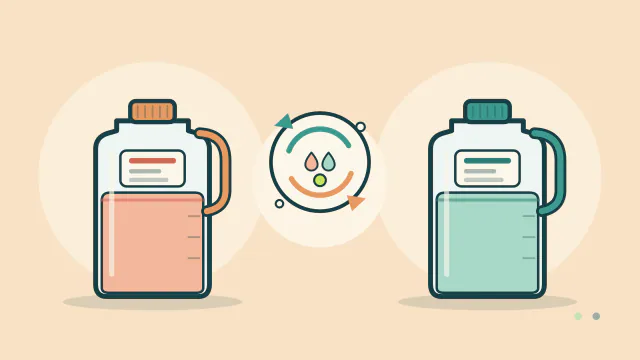
Can You Mix Different Coolant Colors?
Learn why coolant color does not identify chemistry, what mixing two coolants can do to corrosion protection and when a drain and refill is the safer choice.
Read guide ↗
Can You Mix Different Motor Oil Brands?
Mixing oil brands is usually acceptable when the grade and specification match. See what has to agree, how synthetic blends behave and what warranty law allows.
Read guide ↗
Different Types of Engine Coolant Explained
Compare conventional, OAT and hybrid coolant chemistries, see what each type protects and why the owner's manual specification matters more than bottle color.
Read guide ↗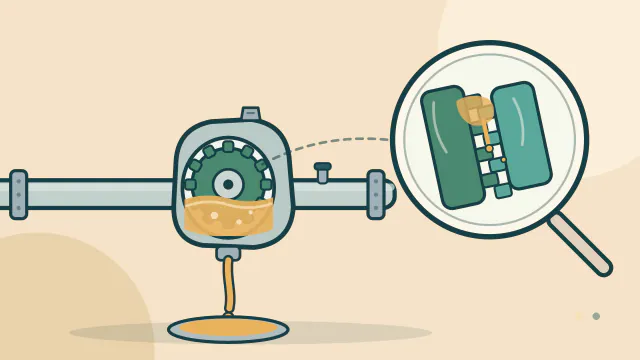
Differential Fluid: What It Does
See what differential fluid lubricates inside an axle, how GL-5 gear oil differs from transmission fluid, and what two owner's manuals actually schedule.
Read guide ↗
DOT 3 vs DOT 4 Brake Fluid
Compare DOT 3 and DOT 4 brake fluid on federal boiling point and viscosity limits, what the label must show and which grade your manual requires.
Read guide ↗
Genuine vs Counterfeit Car Parts: Warning Signs
See how genuine and counterfeit car parts differ, what federal agencies say about fake airbags and brake parts, and which warning signs justify walking away.
Read guide ↗
High-Mileage Motor Oil: Is It Worth Using?
High-mileage oil adds seal conditioners, but helps only if it matches the manual's grade and specification. See when it is worth trying and when it risks harm.
Read guide ↗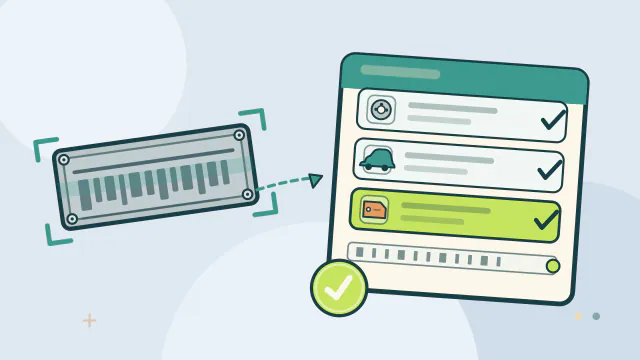
How to Check Auto Part Compatibility
Use the VIN, engine, trim and old part number to confirm a part fits before you buy, and know which parts need a professional check.
Read guide ↗
How to Check Coolant Level Safely
Learn when and how to check engine coolant on a cold engine, read the reservoir marks, choose the right coolant and spot a low level that needs diagnosis.
Read guide ↗
How to Find Your Vehicle's Required Oil Specification
Find the exact oil grade, API or manufacturer approval and capacity for your engine using the owner's manual, the filler cap and the container label.
Read guide ↗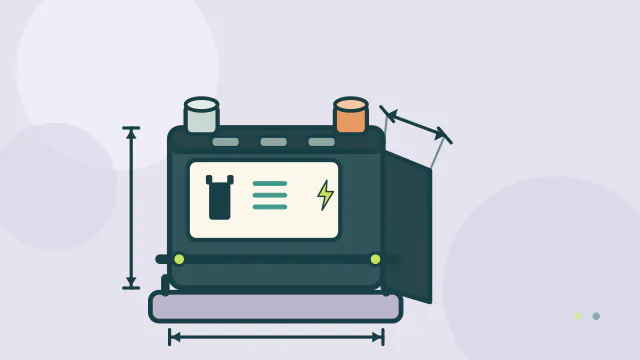
How to Read a Car Battery Group Size
Learn what the letters and numbers in a battery group size mean, how BCI defines dimensions and terminals, and why fit still needs the right chemistry.
Read guide ↗
Manual Transmission Gear Oil Basics
Learn what manual gearbox oil has to do, how API GL-4, GL-5 and MT-1 differ, and why a 2024 Mazda manual allows GL-4 75W-90 only as a fallback.
Read guide ↗
New vs Remanufactured Auto Parts
See how new, remanufactured and salvage parts differ, what rebuilders and federal guidance say, and the details to check before approving one.
Read guide ↗
OEM vs Aftermarket Car Parts
See how original equipment and aftermarket parts differ, what federal rules say about warranty and disclosure, and how to judge a certified replacement.
Read guide ↗
Spark Plug Types: Copper Platinum and Iridium
Compare copper, platinum and iridium spark plugs by electrode construction, heat range and gap, and learn why the engine's specified plug still governs.
Read guide ↗
Transfer Case Fluid Maintenance
Understand what transfer case fluid protects, how AWD and 4WD units differ, and what a 2026 Kia manual says about inspection, severe use and water exposure.
Read guide ↗
What Do 0W-20 and 5W-30 Mean?
SAE grades such as 0W-20 and 5W-30 describe cold-start flow and hot-engine thickness. Learn what each number measures and why the manual's grade matters.
Read guide ↗
Which Car Parts Are Safe to Buy Used?
Judge a used car part by its job, its history and its paperwork, with clear guidance on body panels, wear items, electronics, brakes and airbags.
Read guide ↗
Why Brake Fluid Absorbs Moisture
Understand why glycol brake fluid takes on water, how moisture lowers its boiling point and what the federal wet-boiling standard means for replacement.
Read guide ↗
Why Using the Wrong Transmission Fluid Can Cause Problems
See why a fluid that meets a generic compatible claim can still be wrong, what the 2026 Kia K5 manual warns, and how to check the exact specification.
Read guide ↗Car Prices and Valuation
How Accident History Affects Resale Value
Assess accident-related resale differences using repair evidence, title history, inspection findings and comparable offers.
Read guide ↗
How Car Depreciation Works
Understand depreciation as a change in market value, separate from loan balance, running costs and a dealer offer.
Read guide ↗
How EV Depreciation Differs From Gas Cars
Compare EV and gasoline resale using actual purchase costs, battery evidence, charging capability and comparable market offers.
Read guide ↗
How Fuel Prices Influence SUV and Truck Demand
Explain how fuel costs can influence SUV and truck shopping while capability, supply and local needs also shape demand.
Read guide ↗
How Interest Rates Affect Car Prices
Separate vehicle selling price from borrowing cost when interest rates change, and compare complete written offers.
Read guide ↗
How Mileage Affects Used Car Value
Interpret mileage alongside age, use, service history and vehicle condition when comparing used-car values.
Read guide ↗
How Optional Packages Affect the Final Price
Compare factory packages, standalone equipment and dealer extras using the exact vehicle sticker and a complete purchase quote.
Read guide ↗
How to Calculate the Value of Factory Options
Estimate factory-option value from verified equipment and matched used-car comparables rather than the original sticker charge.
Read guide ↗
How to Compare Total Price of Two Vehicles
Compare two vehicles with aligned purchase quotes, finance terms and a consistent ownership horizon without double counting costs.
Read guide ↗
How to Estimate a Fair Asking Price
Set a defensible asking range using comparable vehicles, condition evidence and a clearly defined selling channel.
Read guide ↗
How to Estimate Five-Year Depreciation
Build a five-year depreciation range with transparent purchase, mileage, condition and selling-channel assumptions.
Read guide ↗
How to Interpret Used Car Market Price Indexes
Read used-car indexes by identifying the market, adjustment method, period and limitations before applying them to a specific car.
Read guide ↗
How to Price a Used Car With Cosmetic Damage
Price visible cosmetic damage with documented condition, realistic repair estimates and comparable as-presented offers.
Read guide ↗
Market Adjustment Fees Explained
Identify a market adjustment in a dealer quote and compare it with the full price of equivalent available vehicles.
Read guide ↗
MSRP vs Invoice Price: What Buyers Should Know
Understand MSRP, invoice and transaction price without treating invoice as the dealer net cost or the final amount a buyer pays.
Read guide ↗
Private Party Value vs Trade-In Value
Compare private-party and trade-in values using realistic net proceeds, effort, payoff and transaction conditions.
Read guide ↗
What Makes a Used Car a Good Value?
Judge a used car by suitability, verified condition and total acquisition cost rather than a low advertised price alone.
Read guide ↗
What Vehicle Inventory Means for Buyers
Interpret dealer stock, days supply and availability with attention to exact vehicle specifications and written quotes.
Read guide ↗
When Is a Dealer Trade-In Offer Competitive?
Assess a dealer trade offer against standalone appraisals, loan payoff and the full replacement-car transaction.
Read guide ↗
Which Factors Speed Up Vehicle Depreciation?
Identify the vehicle and market factors that can reduce resale value without assuming a fixed penalty for each one.
Read guide ↗
Why Location Changes Used Car Prices
Compare regional used-car prices after including specification, condition, transport and your registration costs.
Read guide ↗
Why New Car Transaction Prices Differ by Dealer
Compare dealer transaction prices by VIN, equipment, discounts, fees and financing conditions instead of headline discounts alone.
Read guide ↗
Why Out-the-Door Price Matters More Than Monthly Payment
Use the out-the-door amount to compare purchases, then evaluate loan cost and monthly affordability as separate checks.
Read guide ↗
Why Some Pickup Trucks Hold Value Better Than Others
Research pickup resale with matching configuration, work history and condition rather than relying on a brand-wide ranking.
Read guide ↗
Why Used Car Prices Change Seasonally
Evaluate seasonal used-car pricing claims using comparable vehicles, consistent data and the costs of delaying a purchase.
Read guide ↗Car Problems

Car Engine Overheating: What to Do Safely
Understand a rising temperature gauge or overheating warning, what to observe, when to stop driving and how to approach diagnosis without guessing.
Read guide ↗
Flashing vs Steady Check Engine Light
Understand an illuminated malfunction indicator, what to observe, when to stop driving and how to approach diagnosis without guessing.
Read guide ↗
Soft or Spongy Brake Pedal: Possible Causes
Understand a brake pedal that travels unusually far or feels soft, what to observe, when to stop driving and how to approach diagnosis without guessing.
Read guide ↗
Squealing Brakes: When to Worry
Understand a high-pitched noise during braking, what to observe, when to stop driving and how to approach diagnosis without guessing.
Read guide ↗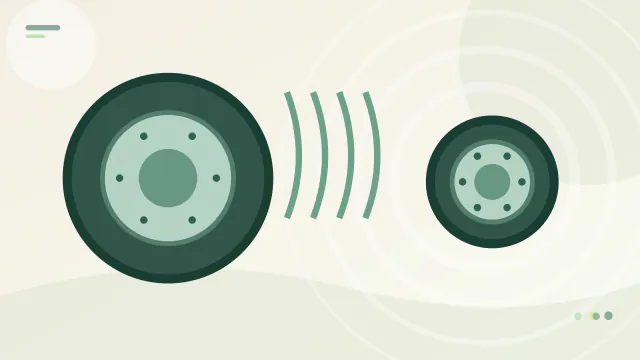
Steering Wheel Shakes at Highway Speeds
Understand a steering-wheel vibration that appears at speed, what to observe, when to stop driving and how to approach diagnosis without guessing.
Read guide ↗
Uneven Tire Wear Patterns Explained
Understand tread wearing faster in particular areas, what to observe, when to stop driving and how to approach diagnosis without guessing.
Read guide ↗
Why a Car Pulls to One Side While Driving
Understand the vehicle drifting or pulling without steering input, what to observe, when to stop driving and how to approach diagnosis without guessing.
Read guide ↗
Why a Car Squeaks Over Bumps
Understand a squeak or creak when suspension moves, what to observe, when to stop driving and how to approach diagnosis without guessing.
Read guide ↗
Why a Car Vibrates When Braking
Understand pulsation through the pedal or steering wheel when slowing, what to observe, when to stop driving and how to approach diagnosis without guessing.
Read guide ↗
Why Car Headlights Flicker While Driving
Understand headlights intermittently dimming or flickering, what to observe, when to stop driving and how to approach diagnosis without guessing.
Read guide ↗
Why Tire Pressure Keeps Dropping
Understand one tire repeatedly losing air, what to observe, when to stop driving and how to approach diagnosis without guessing.
Read guide ↗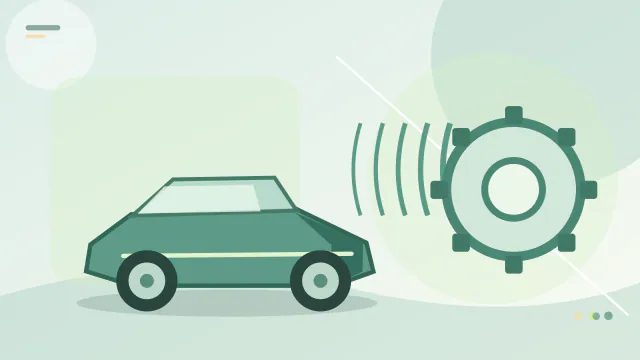
Why Your Car Shakes When Idling
Understand an uneven idle and vibration while stopped, what to observe, when to stop driving and how to approach diagnosis without guessing.
Read guide ↗
Windshield Wipers Streaking or Chattering: Fixes
Understand streaks, skips or chatter during windshield wiping, what to observe, when to stop driving and how to approach diagnosis without guessing.
Read guide ↗Car Problems and Diagnostics
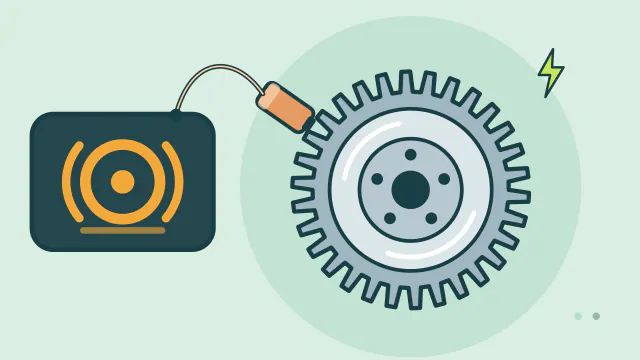
ABS Warning Light: Common Causes
Learn what the ABS warning light reports, which causes owner's manuals and federal rules support, and when the light means stop driving.
Read guide ↗
Automatic Transmission Slipping Symptoms
Recognize RPM flare, delayed engagement and loss of drive; distinguish transmission slipping from other drivability faults and know when to stop.
Read guide ↗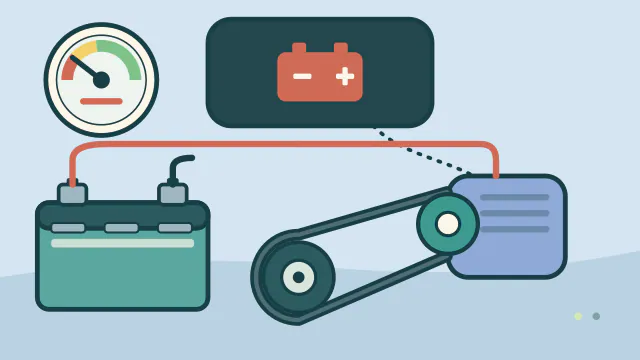
Battery Warning Light While Driving
See what the battery warning light signals, what two owner's manuals tell drivers to do and how to handle the first minutes safely.
Read guide ↗
Car Cranks but Does Not Start
A safety-first diagnostic guide for a gasoline car that cranks normally but will not start, with fuel, ignition, security, timing and sensor possibilities and safe next steps.
Read guide ↗
Car Jerks When Changing Gears
Find out how to distinguish harsh gear changes from engine hesitation, mounts or transmission faults, and when a jerking car needs urgent diagnosis.
Read guide ↗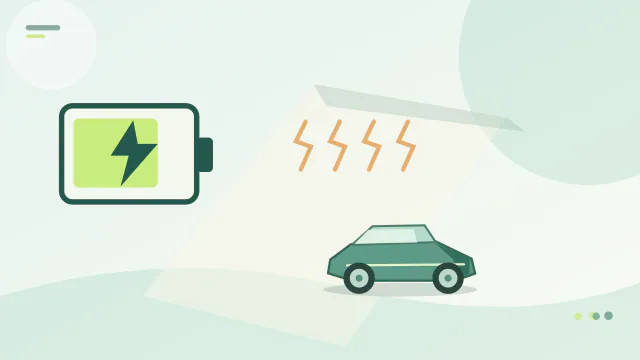
Car Makes a Clicking Noise but Won't Start
Learn what a single click or rapid clicking with no engine crank suggests, how to distinguish battery and connection faults, and when to call for help.
Read guide ↗
Car Shakes at Idle: Causes and Next Checks
Learn possible reasons a car shakes at idle, how to observe symptoms, when to stop driving and what a mechanic should test.
Read guide ↗
Car Starts Then Stalls: Possible Causes
Understand why an engine starts then immediately shuts off, including fuel delivery, idle control, security systems and warning signs requiring roadside help.
Read guide ↗
Car Takes Longer to Start When Cold
Distinguish a slow-cranking battery or starter problem from normal cranking with delayed fuel or ignition, using practical cold-start observations.
Read guide ↗
Car Won't Start but Lights Come On
Dashboard or headlight power does not prove the battery can deliver enough current to start the engine. Start with the difference between a no-crank problem and a cranks-but-won’t-start problem.
Read guide ↗
Clicking Noise When Turning: CV Joint or Something Else?
Clicking Noise When Turning: CV Joint or Something Else: important differences, practical checks, limitations and safe next steps for US motorists.
Read guide ↗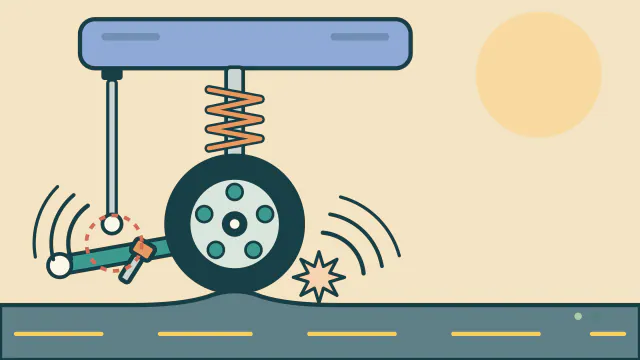
Clunking Noise Over Bumps
Learn what a clunk or knock over bumps can point to, which simple checks to make first and which signs mean the car needs a prompt inspection.
Read guide ↗
Engine Misfire Symptoms Explained
Recognize rough idle, shaking, poor acceleration and flashing check-engine lights, and learn why trouble codes narrow—but do not prove—the cause of an engine misfire.
Read guide ↗
Humming Noise That Changes With Speed
Humming Noise That Changes With Speed: important differences, practical checks, limitations and safe next steps for US motorists.
Read guide ↗
Loss of Power When Accelerating: Possible Causes
Identify why a car hesitates or loses power when accelerating, from engine misfires and fuel delivery to airflow, transmission and reduced-power mode.
Read guide ↗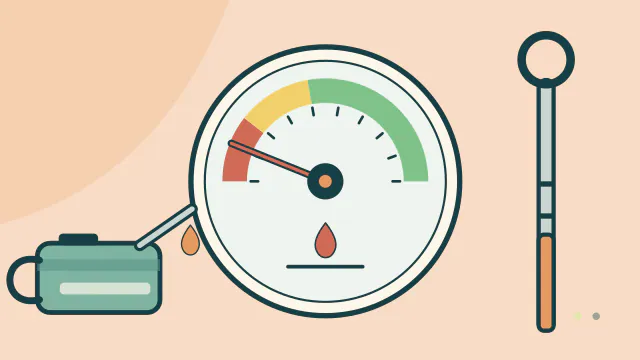
Oil Pressure Warning Light: What to Do
Learn what the oil pressure light means, the stop-and-check steps a Kia owner's manual gives, how to check the oil level and when to call for help.
Read guide ↗
P0300 Random Misfire Code Explained
Learn what a P0300 random or multiple cylinder misfire code means, how pending and confirmed codes work, and why the code alone does not name a bad part.
Read guide ↗
Transmission Fluid Leak: Warning Signs
Transmission Fluid Leak: Warning Signs: important differences, practical checks, limitations and safe next steps for US motorists.
Read guide ↗
White vs Blue vs Black Exhaust Smoke
Compare white, blue and black exhaust smoke, understand what persistent colors may indicate, and know when a vehicle needs immediate diagnosis.
Read guide ↗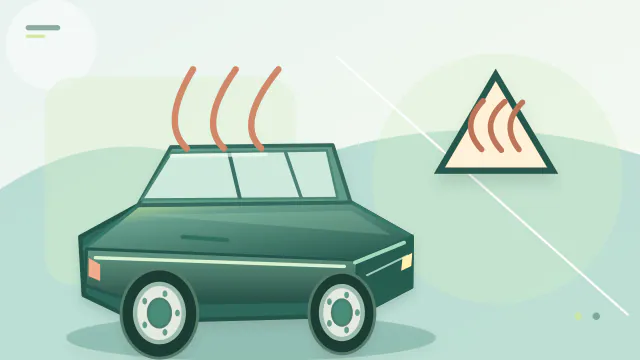
Why Is My Engine Overheating?
An overheating engine can be caused by low coolant, a leak, airflow problems, thermostat failure, a faulty fan, a damaged water pump or other issues. Continuing to drive may cause major damage.
Read guide ↗Car Reviews
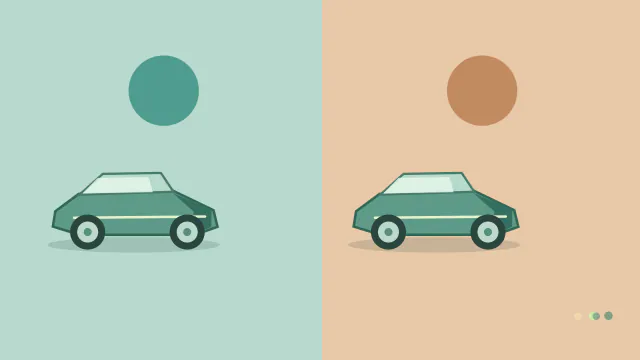
Budget EV vs Budget Hybrid: Ownership Trade-Offs
A budget EV can lower home-charging energy costs, while a hybrid may simplify long trips without charging access. An evidence-led guide for comparing US-market vehicles and ownership decisions.
Read guide ↗
Buying a Used Luxury Car vs New Economy Car
A used luxury model can offer more premium equipment for the purchase price but greater repair and insurance exposure. An evidence-led guide for comparing US-market vehicles and ownership decisions.
Read guide ↗
Compact Pickup vs Used Full-Size Pickup
Compact pickups prioritize maneuverability, while used full-size trucks may offer greater bed and trailer capabilities. An evidence-led guide for comparing US-market vehicles and ownership decisions.
Read guide ↗
Compact SUV vs Midsize SUV for Families
Family practicality depends on rear-seat child-seat installation, cargo access, parking and the number of passengers.
Read guide ↗
Electric SUV vs Hybrid SUV for Road Trips
Road-trip suitability depends on charging access, real-speed efficiency, weather, refueling time and luggage needs.
Read guide ↗
How to Compare Cars for Winter Driving
Winter suitability depends heavily on tires, driver visibility, heating, traction control and ground conditions.
Read guide ↗
How to Rank SUVs by Cargo Usability
Cargo usefulness depends on the shape of the opening, floor height, seat-fold geometry and what the owner actually carries.
Read guide ↗
Hybrid Sedan vs Gas Sedan for Commuters
Hybrid sedans may use less fuel in congestion, while a gasoline sedan can have a different purchase price and service profile.
Read guide ↗
New Car vs Three-Year-Old Used Car
A new car offers a full new-vehicle warranty and a known ownership start; a three-year-old used car may have a lower price. An evidence-led guide for comparing US-market vehicles and ownership decisions.
Read guide ↗
Pickup Truck vs SUV for Weekend Towing
Weekend towing decisions must satisfy vehicle-specific towing, payload, hitch and axle ratings.
Read guide ↗
Tesla Model Y vs Hyundai IONIQ 5: Ownership Trade-Offs
Compare the precise US model years and trims because range, battery, charging capabilities and driver-assistance features can change.
Read guide ↗
Three-Row SUV vs Minivan for Family Travel
A third row's usability depends on access, seat dimensions, cargo room with seats occupied and door style.
Read guide ↗
Toyota Camry vs Honda Accord: Which Fits Your Needs?
Compare the exact model year and trim, not outdated sedan stereotypes. A practical US-market guide to checking evidence before buying.
Read guide ↗
Toyota RAV4 vs Honda CR-V: Buyer Comparison
Choose based on actual cargo loading, passenger space and drivetrain rather than SUV popularity. A practical US-market guide to checking evidence before buying.
Read guide ↗
Under $20,000 Used Car: What to Prioritize
A used-car budget should include purchase fees, an inspection, insurance and immediate maintenance rather than being spent entirely on the asking price.
Read guide ↗
What Makes a Comfortable Car for Tall Drivers?
Tall-driver comfort involves seat-track travel, headroom in a natural posture, steering-column reach and door opening.
Read guide ↗
What Makes a Good Car for Short City Trips?
Frequent short trips emphasize easy parking, visibility, maneuverability and stop-start running costs.
Read guide ↗
What Makes a Good Highway Commuter Car?
Highway commuters often benefit from supportive seats, stable ride, low cabin noise and predictable fuel or energy costs.
Read guide ↗
What to Look for in an Owner Review
An owner review is most useful when it states the exact model year, trim, mileage and conditions behind the experience.
Read guide ↗Car Reviews and Comparisons
Ford F-150 vs Chevrolet Silverado 1500: Practical Differences
Compare Ford F-150 and Chevrolet Silverado 1500 by exact model-year configurations, payload labels, cab and bed choices, towing needs and ownership cost.
Read guide ↗
How to Compare Vehicle Review Scores
A practical guide to comparing automotive scores across websites by testing method, scoring weights, model-year relevance, trim and conflicts of interest.
Read guide ↗
How to Read a Car Review Critically
Evaluate road-test methods, review scores, trims, evidence quality and model-year differences to make better US car buying decisions.
Read guide ↗
Long-Term Car Reviews vs First Impressions
Understand what short press drives and long-term vehicle reviews can each reveal, and how to evaluate reviewer mileage, test conditions and reliability claims.
Read guide ↗
Subaru Outback vs Honda Passport: Which Fits an Active Lifestyle?
Compare Subaru Outback and Honda Passport by exact model-year cabin space, ride, cargo use, towing configuration and everyday ownership.
Read guide ↗
What a Proper Car Test Drive Should Cover
Plan a meaningful car test drive by checking seating, controls, braking, visibility, ride, driver assistance and the exact vehicle configuration.
Read guide ↗Car Safety and Recalls
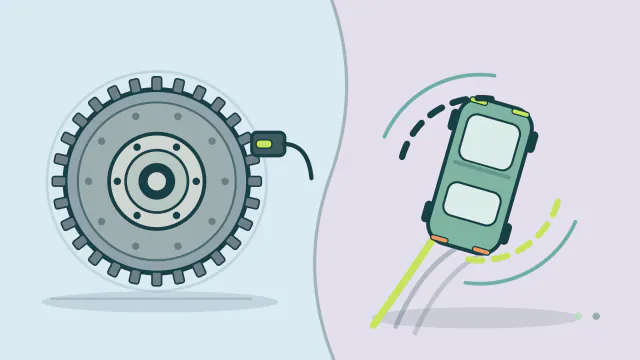
ABS vs Electronic Stability Control
ABS stops wheels locking under braking; stability control uses the same hardware to correct a skid. Compare what each does and what the rules require.
Read guide ↗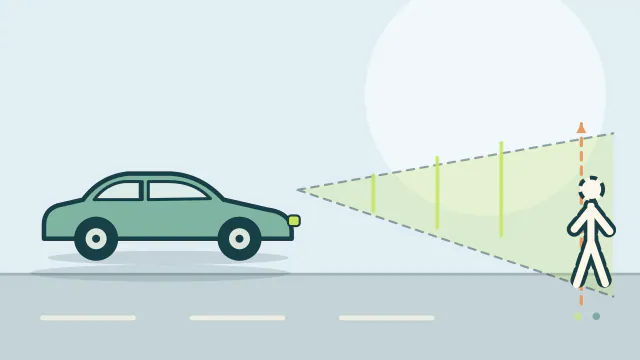
Automatic Emergency Braking Limitations
Automatic emergency braking can prevent some rear-end and pedestrian crashes, but federal tests define how fast and in what weather it must work.
Read guide ↗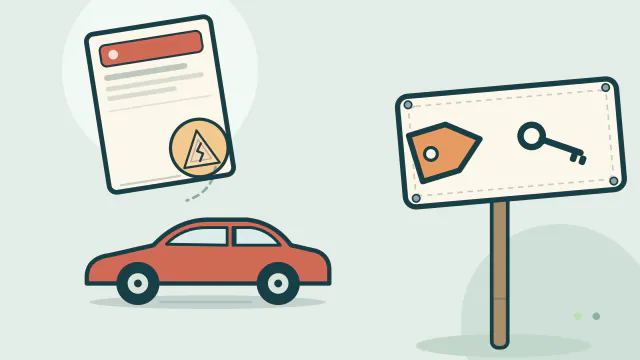
Can You Sell a Car With an Open Recall?
Learn how open recalls affect a used-car sale, who must disclose them, why the free repair follows the vehicle, and what a seller or buyer should check first.
Read guide ↗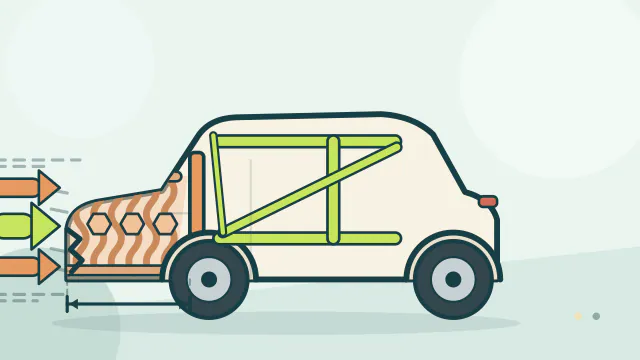
Crumple Zones Explained
See how a car's crumple zones absorb crash energy, why the occupant compartment must stay strong, and where crumple zones stop helping.
Read guide ↗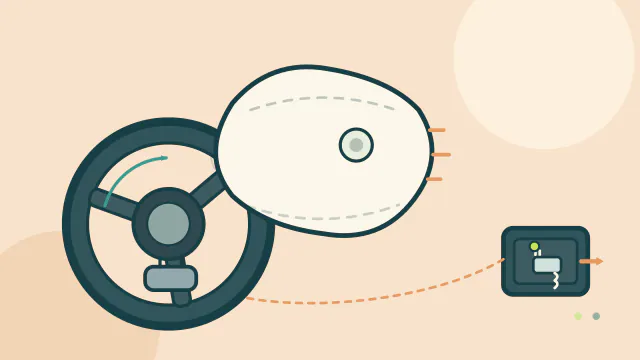
How Car Airbags Work
Follow an airbag from crash signal to inflation, see when frontal and side bags deploy, and learn why replacement and servicing belong to trained technicians.
Read guide ↗
How to Check Car Recalls by VIN
Check for open US vehicle safety recalls using the 17-character VIN, understand what the NHTSA results include and exclude, and know what to do if a recall is listed.
Read guide ↗
How to Check for Hidden Damage After a Crash
Use a structured post-crash check for structural, fluid, suspension and safety-system damage, and learn when a teardown estimate is needed.
Read guide ↗
How to Report a Safety Defect to NHTSA
Learn what NHTSA treats as a vehicle safety defect, how to separate a defect from normal wear, and how to build a report its investigators can use.
Read guide ↗
IIHS Top Safety Pick Ratings Explained
Learn the difference between 2026 IIHS Top Safety Pick and Top Safety Pick+, what tests and standard safety equipment qualify, and how to interpret model-year and build-date restrictions.
Read guide ↗
NHTSA Five-Star Safety Ratings Explained
NHTSA’s New Car Assessment Program uses a five-star system to communicate crash-test and rollover performance. Ratings should be compared within the correct model year and vehicle configuration.
Read guide ↗
NHTSA vs IIHS Crash Testing: Key Differences
Understand how NHTSA's US five-star government ratings differ from IIHS crashworthiness and crash-avoidance ratings, and how to compare specific vehicle years.
Read guide ↗
Pedestrian Detection in Modern Cars
Pedestrian detection uses cameras and radar to warn or brake for people in the car's path, but crash data shows the benefit shrinks sharply at night on unlit roads.
Read guide ↗
Rear Cross-Traffic Alert Explained
Rear cross-traffic alert warns about vehicles crossing behind you while reversing, but it covers only part of the scene and never brakes for you.
Read guide ↗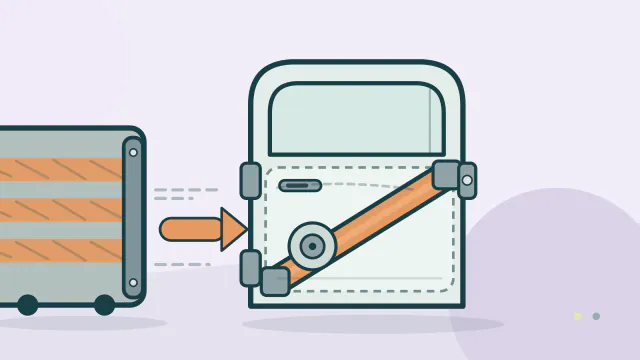
Side-Impact Protection in Cars
Side crashes leave little crush space, so door structure, side airbags, curtain airbags and belt fit do most of the work. Here is what each part does.
Read guide ↗
Vehicle Recall vs Service Campaign
Compare a US safety recall with a manufacturer service campaign: who requires it, who pays, which VIN tools list it and what each notice means.
Read guide ↗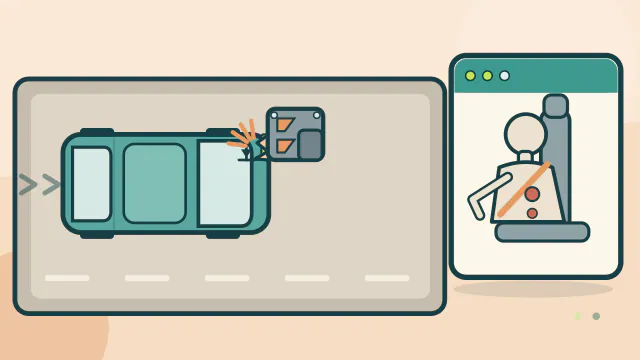
What Is a Small-Overlap Front Crash Test?
Learn how IIHS runs its 40 mph small-overlap front test, what the 25 percent overlap measures, and how to compare the result with other crash tests.
Read guide ↗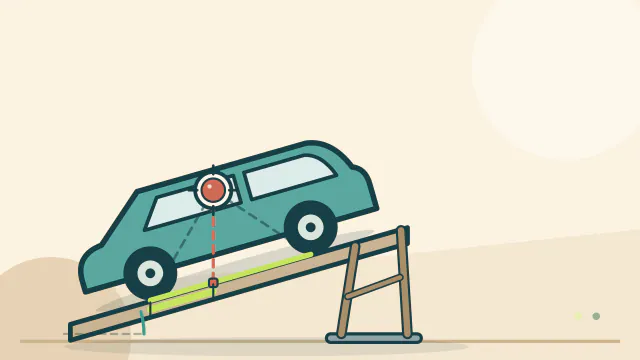
What Makes a Vehicle More Resistant to Rollover?
Rollover resistance starts with a low center of gravity and a wide track, then depends on stability control, roof strength, tires and how the vehicle is loaded.
Read guide ↗
What To Do If Your Car Has an Open Recall
Turn an open recall notice into a finished repair: confirm the VIN, follow interim warnings, book the free remedy, keep the paperwork and escalate a refusal.
Read guide ↗
What to Do Immediately After a Minor Car Crash
A step-by-step sequence for the first minutes after a low-speed crash: clearing the lane, calling the right number, exchanging details and filing reports.
Read guide ↗
When Child Car Seats Need Replacement After a Crash
Use NHTSA's five-part minor-crash test, then check the seat manufacturer's rule, which can be stricter and may require a new seat after any crash.
Read guide ↗
When Not to Drive a Car After a Collision
Learn which crash damage, fluid leaks, airbag deployments and warning lights make a car unsafe to drive, plus what a tow operator, insurer and inspector need.
Read guide ↗
Why Airbag Warning Lights Need Attention
Learn what the airbag warning light monitors, why a lit or missing light matters after a crash, and when a recall or deployed airbag means do not drive.
Read guide ↗
Why Blind-Spot Monitoring Cannot Replace Mirror Checks
Blind-spot monitoring watches a limited zone and warns; it does not show the whole scene. See the gaps in an owner's manual and keep a safer lane-change habit.
Read guide ↗
Why Crash-Test Ratings Vary by Model Year
Understand how vehicle redesigns, carried-over test results, different testing protocols and trim-specific safety equipment affect NHTSA and IIHS crash ratings across model years.
Read guide ↗
Why Seat Belt Pretensioners Matter
Pretensioners pull slack out of the belt at the start of a crash, and load limiters then release force. Both are one-time parts that need replacement after use.
Read guide ↗Car Specifications
Approach Departure and Breakover Angles
These geometric measurements indicate how a vehicle may clear an obstacle without scraping front, rear or center. A practical US-market guide to making evidence-based vehicle decisions.
Read guide ↗
Compression Ratio Explained for Car Buyers
Compression ratio compares cylinder volume at the piston's lowest and highest positions. Learn how to compare US-market vehicle specifications without misleading assumptions.
Read guide ↗
Curb Weight vs Gross Vehicle Weight Rating
Curb weight is the weight of a vehicle in a defined ready-to-drive condition; GVWR is its maximum permissible loaded weight. An evidence-led guide for comparing US-market vehicles and ownership decisions.
Read guide ↗
Engine Displacement Explained: Liters and Cubic Inches
Engine displacement is the combined swept volume of all cylinders, commonly shown in liters or cubic inches. Learn how to compare US-market vehicle specifications without misleading assumptions.
Read guide ↗
EPA-Rated Range vs Real-World Range
An EPA range rating is a standardized comparison figure, not a promise of miles in every journey. Learn how to compare US-market vehicle specifications without misleading assumptions.
Read guide ↗
Gross Combined Weight Rating Explained
GCWR is the manufacturer's maximum rated combined weight of a loaded tow vehicle and loaded trailer. A practical US-market guide to making evidence-based vehicle decisions.
Read guide ↗
Ground Clearance: How Much Do You Need?
Ground clearance measures a vehicle's distance to the ground at a specified underbody point. An evidence-led guide for comparing US-market vehicles and ownership decisions.
Read guide ↗
Horsepower vs Torque: What Drivers Should Know
Torque describes twisting force, while horsepower expresses the rate at which work is done. Learn how to compare US-market vehicle specifications without misleading assumptions.
Read guide ↗
How Braking Distance Is Measured
Braking distance usually means the distance traveled after braking begins until the vehicle stops; total stopping distance also includes reaction distance. Learn how to compare US-market vehicle specifications without misleading assumptions.
Read guide ↗
How to Compare Rear Seat Legroom Accurately
Published rear-seat legroom is useful but seat geometry and front-seat settings determine practical knee room. An evidence-led guide for comparing US-market vehicles and ownership decisions.
Read guide ↗
How to Read a Pickup Truck Payload Sticker
Find the specific truck's tire-and-loading information label and interpret its combined occupant-and-cargo limit. A practical US-market guide to making evidence-based vehicle decisions.
Read guide ↗
How to Read Car Length Width and Height Specs
Exterior dimensions affect parking, garage fit and daily maneuvering. An evidence-led guide for comparing US-market vehicles and ownership decisions.
Read guide ↗
Inline-Four vs V6 vs V8 Engines
These names describe the cylinder count and arrangement, not a universal ranking of engine quality. Learn how to compare US-market vehicle specifications without misleading assumptions.
Read guide ↗
kW vs kWh on an Electric Car Spec Sheet
Kilowatts measure the rate of power transfer; kilowatt-hours quantify energy. Learn how to compare US-market vehicle specifications without misleading assumptions.
Read guide ↗
Peak Charging Rate vs Charging Curve
Peak DC charging power is a momentary maximum; the charging curve shows power over state of charge. Learn how to compare US-market vehicle specifications without misleading assumptions.
Read guide ↗
Power-to-Weight Ratio Explained
Power-to-weight compares an engine's rated output with the mass it must move. An evidence-led guide for comparing US-market vehicles and ownership decisions.
Read guide ↗
Single-Motor vs Dual-Motor EV Specifications
Motor count can affect traction layout, power output, efficiency, complexity and price. Learn how to compare US-market vehicle specifications without misleading assumptions.
Read guide ↗
Top Speed vs Real-World Performance
Top speed describes a vehicle's maximum attainable speed under specified conditions, not how useful it feels in daily traffic. An evidence-led guide for comparing US-market vehicles and ownership decisions.
Read guide ↗
Towing Capacity vs Payload Capacity
Towing capacity describes a trailer weight limit, while payload limits how much weight the truck itself carries. Learn how to compare US-market vehicle specifications without misleading assumptions.
Read guide ↗
Turbocharged vs Naturally Aspirated Engines
Turbochargers use exhaust-driven compressors to increase intake-air pressure; naturally aspirated engines rely on atmospheric pressure. Learn how to compare US-market vehicle specifications without misleading assumptions.
Read guide ↗
Usable Battery Capacity vs Gross Capacity
Gross battery capacity measures the pack's nominal total energy, while usable capacity is the portion normally available for driving. Learn how to compare US-market vehicle specifications without misleading assumptions.
Read guide ↗
What Does a Quarter-Mile Time Measure?
Quarter-mile elapsed time reports how long a vehicle takes to cover a fixed distance from a standing start. An evidence-led guide for comparing US-market vehicles and ownership decisions.
Read guide ↗
What Is Tongue Weight?
Tongue weight is the downward force a conventional trailer places on the tow vehicle's hitch. Learn how to compare US-market vehicle specifications without misleading assumptions.
Read guide ↗
Wheelbase vs Overall Length: Why Both Matter
Wheelbase measures the distance between axle centers while overall length spans the vehicle's extremities. An evidence-led guide for comparing US-market vehicles and ownership decisions.
Read guide ↗
Zero-to-60 Times: How to Compare Them Fairly
Zero-to-60 mph is a commonly used acceleration test but different testing methods can produce different numbers. An evidence-led guide for comparing US-market vehicles and ownership decisions.
Read guide ↗Car Technology and Electronics
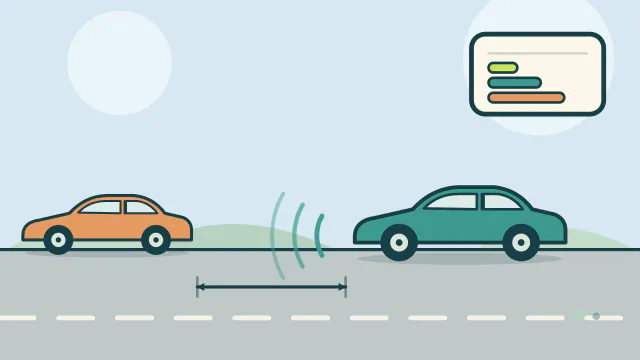
Adaptive Cruise Control Explained
Understand what adaptive cruise control controls, how following-distance settings work in real numbers, and where the owner's manual says it can fail.
Read guide ↗
ADAS Camera Calibration After Windshield Replacement
Learn why a forward camera may require calibration after windshield work, what static and dynamic procedures involve and what documentation to request.
Read guide ↗
Apple CarPlay vs Android Auto
Compare Apple CarPlay and Android Auto on phone requirements, wired and wireless setup, voice control, app choices and the car hardware both depend on.
Read guide ↗
Automatic Climate Control Explained
Learn how automatic climate control uses a setpoint and sensors to hold cabin temperature, and why the fan, vents and defogger behave as they do.
Read guide ↗
Automotive Cybersecurity Risks for Drivers
Understand the realistic cyber risks in a connected car, from keyless relay theft and data collection to accessory ports and delayed software updates.
Read guide ↗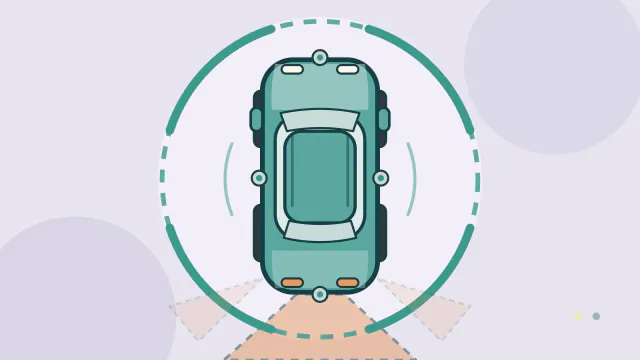
Backup Camera vs 360-Degree Camera
A backup camera is the federally required rear view; a 360 system adds cameras and a synthesized top-down image. Compare coverage, limits and cost.
Read guide ↗
Digital Car Keys Explained
Learn how a phone or watch becomes a car key, how NFC, Bluetooth and UWB differ, and what to check before relying on one for daily driving.
Read guide ↗
Head-Up Displays: Are They Useful?
Head-up displays put speed, navigation and assistance cues near eye level. Learn what they show, where they fall short and who benefits most.
Read guide ↗
Heated vs Ventilated Car Seats
Compare heated and ventilated car seats, including how each feels, when they switch off, the burn and cleaning warnings, and what to check on a test drive.
Read guide ↗
How Cars Use CAN Bus Networks
See how a car uses CAN bus networks to share sensor and control data, why vehicles run several buses, and what gateways and message priorities do.
Read guide ↗
How Over-the-Air Car Updates Work
Follow an over-the-air update from wireless download to parked install, see what the car checks before it starts, and learn where the process stops.
Read guide ↗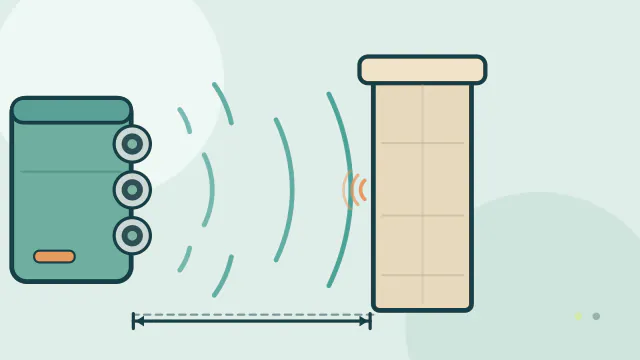
How Parking Sensors Work
Ultrasonic parking sensors turn sound echoes into distance warnings. Learn what the beeps and zones mean and which obstacles they often miss.
Read guide ↗
How Telematics Systems Collect Vehicle Data
Follow vehicle data from sensors and control modules to the onboard telematics unit, the wireless link and the account where apps and reports read it.
Read guide ↗
Keyless Entry Relay Attack Prevention
See how a relay attack extends a key fob signal to open and start a keyless car, and which countermeasures actually interrupt the chain.
Read guide ↗
Lane-Keeping Assist vs Lane-Centering Assist
Learn how lane-keeping assist corrects a drift while lane-centering assist steers continuously, with the speed limits, warnings and failure cases to check.
Read guide ↗
Radar vs Camera vs LiDAR for Driver Assistance
Cameras, radar and lidar sense the road in different ways. Compare what each measures, where it struggles and why cars combine them.
Read guide ↗
Remote Start: Benefits and Limitations
Learn what a factory remote start can and cannot do, how long it runs, when idling is restricted and why exhaust exposure is the main risk.
Read guide ↗
What Can Cause Car Sensors to Fail?
Most sensor warnings trace to dirt, damage, voltage or aim rather than a dead part. Learn the common causes and the checks that come first.
Read guide ↗
What Is a Software-Defined Vehicle?
Learn what makes a car software-defined, how centralized computers and over-the-air updates change it, and what buyers should ask before paying for the label.
Read guide ↗
What to Consider Before Paying for Connected-Car Subscriptions
Check trial renewal terms, what stops working after cancellation, data sharing and resale transfer before paying for a connected-car subscription.
Read guide ↗
What to Do After a Failed Vehicle Software Update
Work out whether the update was cancelled, failed or is still recovering, then use the conditions the car needs and know when the dealer should take over.
Read guide ↗
Why Driver Monitoring Systems Matter
See how driver monitoring systems watch gaze, hands or driving patterns, why partial automation needs them, and what a good safeguard chain should do.
Read guide ↗
Wireless vs Wired Smartphone Projection
Compare wireless and wired CarPlay and Android Auto on setup, charging, phone heat, cable quality, reliability and the trips where each fits.
Read guide ↗Classic and Collector Cars

Agreed Value vs Stated Value Insurance
Compare agreed value, stated value and actual cash value for a collector car, including total-loss payouts, appraisal clauses and salvage deductions.
Read guide ↗
BMW E30: Buyer Research Guide
Research an E30 by body style, build date, BMW archive record, structural condition, parts support and title before you judge the paint.
Read guide ↗
C2 Corvette: What Collectors Should Check
Use a documentation-first inspection for a 1963–1967 C2 Corvette, covering identity, frame, body, drivetrain, restoration quality and road behavior.
Read guide ↗
Classic Car Auctions: What Buyers Should Know
Read the buyer premium, reserve and as-is terms before you bid, then budget for tax, transport and repairs on top of the hammer price.
Read guide ↗
Classic Car vs Antique Car Definitions
State registration rules, not a national standard, decide whether an old car is classic or antique. Compare five states and the 25-year import line.
Read guide ↗
Classic Chevrolet Camaro Generations Explained
Sort the six Chevrolet Camaro generations by model years and identifying cues, then see which changes matter when researching a classic car.
Read guide ↗
Classic Datsun Z Cars Explained
Tell the classic Datsun Z cars apart: the 240Z, 260Z, 280Z and 280ZX, with their model years, engines, body styles and identifying details.
Read guide ↗
Classic Ford Bronco: Ownership Considerations
Work through parts, rust, safety, insurance and title questions before buying a 1966-1996 Ford Bronco, with generation-specific differences.
Read guide ↗
Classic Toyota Land Cruiser: What to Research
Research a classic Land Cruiser by generation, Toyota's own lineage record, import paperwork, rust, parts and your state's registration rules.
Read guide ↗
First-Generation Ford Mustang: Buyer Research Guide
Research an original Mustang by checking Ford's records, body and drivetrain identity, structural condition, title brands and odometer status.
Read guide ↗
How Classic Car Mileage Affects Value
See how odometer readings, documentation, use and rarity shape a classic car's value, and how insurers and auction results treat low mileage.
Read guide ↗
How to Assess Rust on a Classic Car
Learn a panel-by-panel method for judging classic car rust, from magnets and borescopes to the structural areas that should end a deal.
Read guide ↗
How to Inspect a Classic Car Before Buying
Run a classic car inspection in order: paperwork and identity, structure and rust, mechanical condition, cosmetics and a cold-start test drive.
Read guide ↗
How to Research Classic Car Auction Results
Read sold prices, buyer premiums, reserves and condition notes correctly so an auction result tells you what happened, not what a car is worth.
Read guide ↗
How to Verify a Classic Car's VIN and Identity
Check the physical VIN in more than one place, compare it with the title and state record, and know when a mismatch means walking away.
Read guide ↗
Mazda MX-5 Miata NA: Collector Overview
Understand the NA Miata's place in Mazda's four generations, what the first car was engineered to be, and what to verify before calling one original.
Read guide ↗
Mopar Muscle Cars: An Introductory Guide
Understand what Mopar means, which Chrysler-era cars count as muscle, how the Hemi timeline runs, and what to verify before buying one.
Read guide ↗
Original Parts vs Reproduction Parts
Tell original, NOS, licensed reproduction and unlicensed parts apart, and see why matching numbers is a separate question from originality.
Read guide ↗
Porsche 911 Air-Cooled Generations Explained
Map the four air-cooled Porsche 911 generations by type number and year, and see why Porsche's own dates overlap at the edges.
Read guide ↗
Restoration vs Restomod: Which Approach Fits Your Goals?
Compare a factory-style restoration with a restomod by originality, drivetrain changes, emissions rules, insurance and record keeping.
Read guide ↗
What Does Matching Numbers Mean for Collectors?
Understand which engine, transmission, chassis and body numbers collectors check, what a manufacturer certificate proves and why practices vary by maker.
Read guide ↗
What Influences Classic Car Values?
See how rarity, condition, provenance, originality, documentation and demand shape a classic car's value, and why an auction result is not an appraisal.
Read guide ↗
What Paperwork Matters for a Classic Car Purchase?
A classic car deal needs a title, bill of sale, odometer statement and lien release. Imported cars also need customs entry paperwork.
Read guide ↗
Why Documentation Matters During Car Restoration
Build a restoration file with dated photos, parts receipts, title papers and inspection records so condition, work and ownership can be proved.
Read guide ↗DIY Car Repair
Basic Car Repair Tools for Beginners
See which basic tools a beginner needs for car care, from the jack and stands to a socket set, tire gauge and safety gear, using owner's manuals and OSHA.
Read guide ↗
How to Change an Engine Air Filter
Follow the general sequence for swapping an engine air filter element, see how housings differ in two Ford manuals, and learn what to check before closing up.
Read guide ↗
How to Check for Parasitic Battery Drain
Learn what a parasitic drain is, how one maker's guide tests it with a meter in series, the safety rules, and when to hand the car to a technician.
Read guide ↗
How to Choose a Reputable Auto Repair Shop
Use FTC and ASE guidance to vet a repair shop before you need one: recommendations, licenses, complaint records, technician credentials and warranty terms.
Read guide ↗
How to Clean Battery Terminals Safely
Clean corrosion from a conventional 12-volt battery connection with the correct shutdown, disconnect, protection, inspection and reconnection sequence.
Read guide ↗
How to Compare Auto Repair Estimates
Learn how to compare auto repair estimates line by line, including labor pricing, parts type, diagnostic fees and warranty terms, so totals are comparable.
Read guide ↗
How to Document Symptoms Before Visiting a Mechanic
Use a simple template to record when a car problem happens, how it sounds, smells and feels, which lights show and what photos help, before the shop visit.
Read guide ↗
How to Find a Blown Car Fuse
Find a blown car fuse by locating the panels, reading the diagram, pulling the fuse and checking the element, with one Kia owner's manual as the example.
Read guide ↗
How to Find Accurate Repair Instructions for Your Car
Learn where accurate repair instructions come from: the owner's manual, maker service information, NHTSA recall and bulletin searches, and EPA and NASTF rules.
Read guide ↗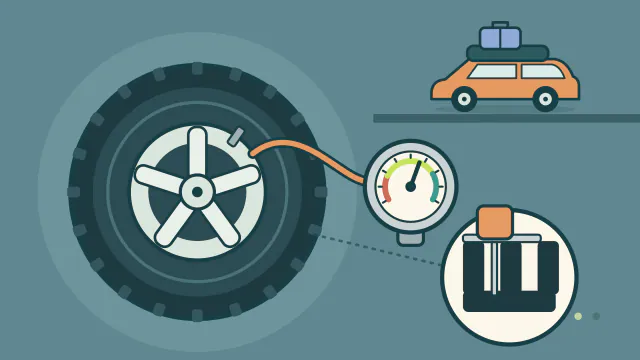
How to Inspect Tires Before a Road Trip
Check cold pressure from the door placard, tread depth, sidewall damage, the DOT date code and the spare, using NHTSA guidance, before a long drive.
Read guide ↗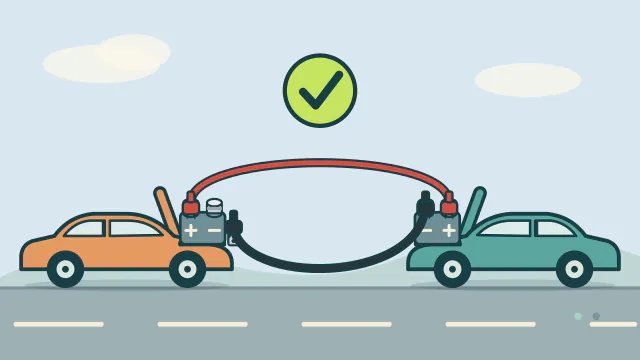
How to Jump-Start a Car Safely
Learn the cable order AAA describes, why the last black clamp goes on bare metal, and where hybrids and EVs differ according to a 2025 Kia owner's manual.
Read guide ↗
How to Read a Diagnostic Trouble Code
Learn how an OBD-II trouble code is built, what the letter and digits mean, how generic and maker-specific codes differ, and what a code cannot tell you.
Read guide ↗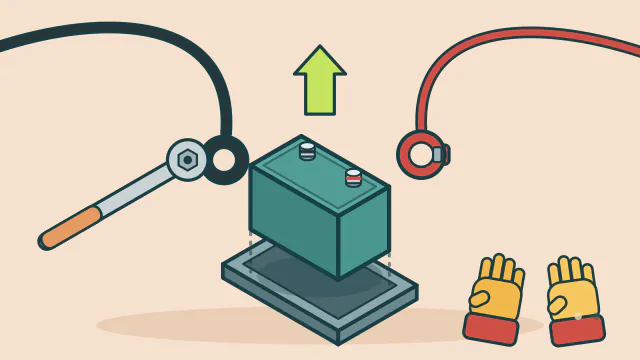
How to Replace a 12-Volt Car Battery
Replace a conventional 12-volt car battery with the disconnect order, safety gear, resets and recycling steps that AAA, EPA and Kia's owner's manuals describe.
Read guide ↗
How to Replace a Cabin Air Filter
Learn how a cabin air filter swap usually goes, why the glove box is only a common location, and how it differs from the engine air filter job.
Read guide ↗
How to Replace a Car Key Fob Battery
Learn how to find the right battery for your key fob, open the case, protect children from button cells and spot when a new battery will not fix it.
Read guide ↗
How to Replace Windshield Wiper Blades
Learn when to replace wiper blades, how to find the right fit and how two Kia manuals describe the swap, including the service position and arm cautions.
Read guide ↗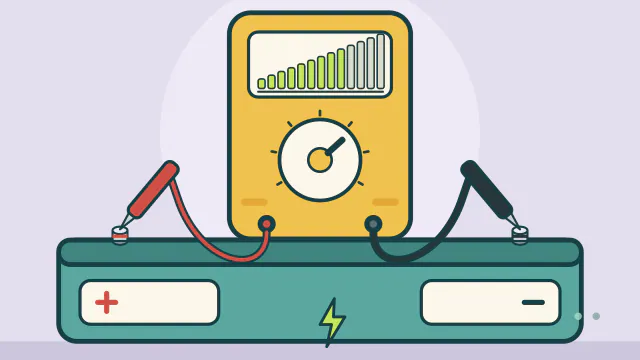
How to Test a Car Battery With a Multimeter
Test a car battery's voltage with a multimeter at rest and while running, then learn what a voltage reading cannot tell you and when to ask for a shop test.
Read guide ↗
How to Use a Torque Wrench Correctly
Learn what torque is, how a click-type torque wrench works, where to find your car's specified value and how manuals say to tighten and re-check lug nuts.
Read guide ↗
How to Use an OBD-II Scanner
Find the OBD-II connector, plug in a scanner, read the codes and readiness status, and record what you see before you clear anything or buy a part.
Read guide ↗
How to Verify That a Repair Was Completed
Check a finished car repair using the repair order, replaced parts, the original symptom and recall records, and learn what to do if work looks incomplete.
Read guide ↗
Jack Stands vs Car Ramps: Safety Considerations
Compare jack stands and car ramps using manual warnings, OSHA and state injury reports, an NHTSA recall and a ramp maker's warning, before you go under a car.
Read guide ↗
What to Ask a Mechanic Before Approving Repairs
Use FTC guidance to ask a mechanic the right questions about diagnosis, pricing, parts, approval limits and warranty before you authorize any car repair.
Read guide ↗
When a Car Repair Is Not Safe to Do Yourself
Learn which car repairs owner's manuals send to a dealer, such as airbags and hybrid high-voltage parts, and where only general caution applies to brakes.
Read guide ↗
When Is DIY Car Maintenance Worth It?
Decide which maintenance jobs to do yourself using your owner's manual, FTC warranty rules and a worked cost example built from clearly labelled sample numbers.
Read guide ↗
Why Clearing a Check Engine Light Does Not Fix the Problem
Clearing codes erases the record, not the fault. Learn why the light returns, how readiness monitors and permanent codes affect inspections, and what to do.
Read guide ↗Driving Guides

Black Ice Driving Safety Tips
Learn where black ice forms, why it is hard to see, and how to slow down, brake and steer without losing grip on a cold road.
Read guide ↗
Driving a Rental Car in an Unfamiliar City
Use the rental agreement, coverage choices, local speed and parking rules, and calm navigation to drive a rental car safely in a new city.
Read guide ↗
Driving Habits That Increase Brake Wear
See which driving habits add heat and wear to pads and rotors, what owner's manuals warn against, and how to brake with less wasted energy.
Read guide ↗
Driving in Fog: Visibility and Speed Tips
Use low beams, set speed by the distance you can see and know when to pull off the road, with guidance from the National Weather Service.
Read guide ↗
Highway Merging Tips for New Drivers
Highway Merging Tips for New Drivers: important differences, practical checks, limitations and safe next steps for US motorists.
Read guide ↗
How Often Should You Stop on a Long Drive?
Plan rest stops on a long drive using federal drowsy-driving guidance, a practical two-hour rhythm and clear signs that say stop now rather than push on.
Read guide ↗
How to Drive a Manual Transmission Car
How to Drive a Manual Transmission Car: important differences, practical checks, limitations and safe next steps for US motorists.
Read guide ↗
How to Drive an Automatic Car for Beginners
How to Drive an Automatic Car for Beginners: important differences, practical checks, limitations and safe next steps for US motorists.
Read guide ↗
How to Drive in Snow With Front-Wheel Drive
Learn how front-wheel drive behaves in snow, why tires decide most of the grip, and how to start, climb and brake without a skid.
Read guide ↗
How to Drive Safely in Heavy Rain
Slow down, double your following distance, switch off cruise control and know how to respond when tires lose contact with a wet road.
Read guide ↗
How to Improve Highway Fuel Economy
Use the government's own figures to see how speed, smooth driving, roof cargo and idling change highway mpg, and how to measure the result.
Read guide ↗
How to Pack a Car Without Blocking Visibility
Pack a car so the rear glass, side windows and mirrors stay clear, the load stays under the limit, and nothing loose can move in a stop.
Read guide ↗
How to Parallel Park Step by Step
Parallel parking is a low-speed positioning skill that improves with consistent reference points, careful observations and practice in a safe location.
Read guide ↗
How to Plan a Cross-Country Road Trip by Car
Plan a cross-country drive by setting safe daily mileage, checking official road and weather sources, and budgeting fuel, tolls and lodging.
Read guide ↗
How to Respond to Brake Failure Symptoms
Recognize brake warning signs, understand what a power-assist failure changes, and use the pedal, gears and parking brake to stop safely.
Read guide ↗
How to Stay Safe While Waiting for Roadside Assistance
Choose a protected waiting spot after a breakdown, make the car visible, brief the dispatcher and decide when leaving the vehicle is safer.
Read guide ↗
How to Use Cruise Control Efficiently
Learn when cruise control actually saves fuel, how to set it without fighting traffic, and the road conditions where the owner's manual says not to use it.
Read guide ↗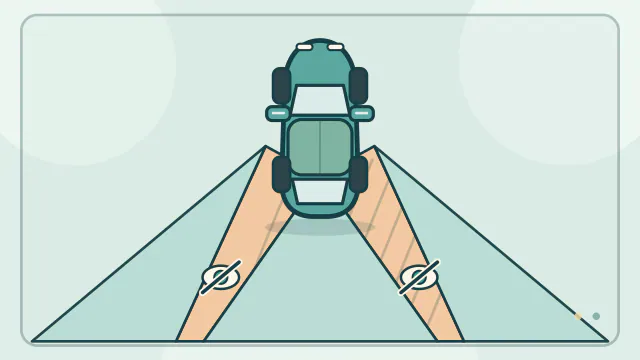
How to Use Your Car Mirrors Correctly
Set the inside mirror to frame the rear window and the outside mirrors to show only a sliver of the car, then check blind spots yourself.
Read guide ↗
Road Trip Checklist Before You Leave
A departure-day checklist for recalls, tire pressure, lights, emergency supplies, route planning and back-seat restraints before a long drive.
Read guide ↗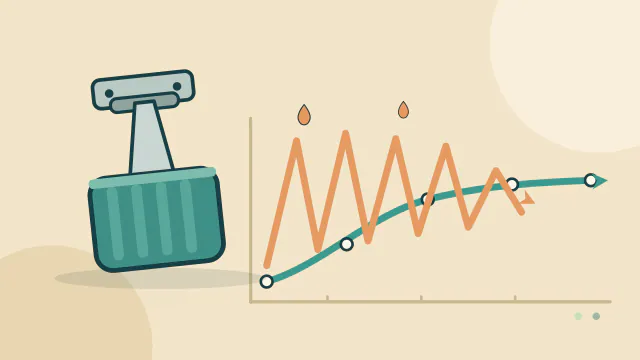
Smooth Acceleration vs Aggressive Driving: Fuel Impact
See how much fuel aggressive acceleration costs, why braking throws energy away, and how to measure the difference on your own commute.
Read guide ↗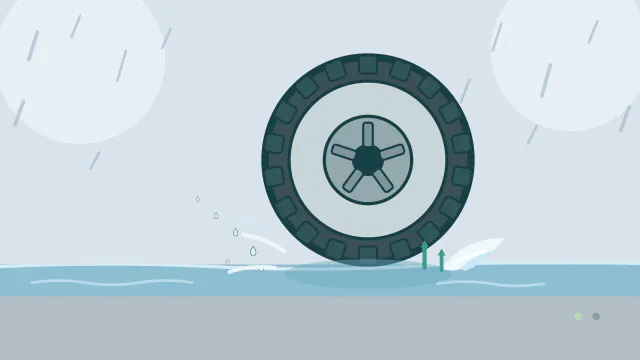
What to Do if Your Car Hydroplanes
Ease off the gas, keep the wheel steady and avoid hard braking when tires ride on water; then slow down and check the tires once grip returns.
Read guide ↗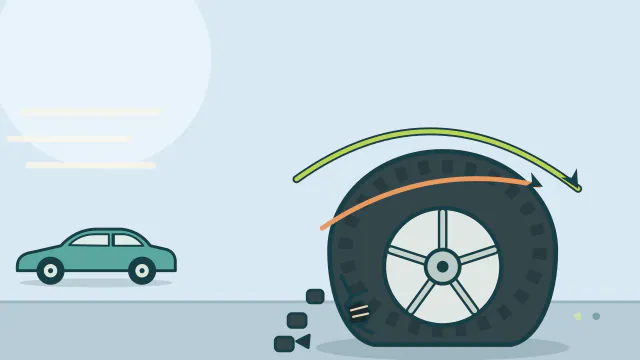
What to Do if Your Tire Blows Out While Driving
Hold the wheel, ease off the accelerator and steer to a safe stop after a blowout, then protect yourself from traffic before checking the damage.
Read guide ↗
What to Do When Your Car Breaks Down on the Highway
Move out of the travel lane, choose the safest shoulder or exit, keep people on the protected side and give responders a location they can find.
Read guide ↗Electric and Hybrid Vehicles
BEV vs HEV vs PHEV: Differences Explained
Battery-electric vehicles, conventional hybrids and plug-in hybrids use electricity differently. Choosing among them depends on home charging, daily driving and long-distance needs.
Read guide ↗
Can a Hybrid Drive on Electricity Alone?
Can a Hybrid Drive on Electricity Alone: important differences, practical checks, limitations and safe next steps for US motorists.
Read guide ↗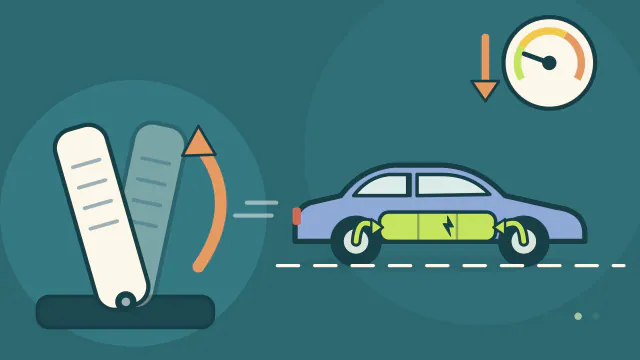
EV One-Pedal Driving Explained
Learn what one-pedal driving is, how regeneration levels differ from it, how stops work, and when the setting weakens, using DOE guidance and a 2024 Kia manual.
Read guide ↗
EV Ownership in Cold Climates
What winter does to an EV: range loss figures with their sources and dates, preconditioning, where to park and charge, and what two manuals say about deep cold.
Read guide ↗
How an Electric Car Motor Works
How an Electric Car Motor Works: important differences, practical checks, limitations and safe next steps for US motorists.
Read guide ↗
How EV Battery Warranties Work
See how EV battery warranties set years, miles and capacity limits, what three 2026-2027 booklets say, and why no federal rule sets one standard.
Read guide ↗
How Long Do Hybrid Batteries Last?
No official source gives one lifespan figure for hybrid batteries. Learn what DOE says, how one maker words its warranty, and what federal law names.
Read guide ↗
How Regenerative Braking Works
Understand how EV and hybrid regenerative braking converts motion into battery energy, why friction brakes remain essential and what limits recovery.
Read guide ↗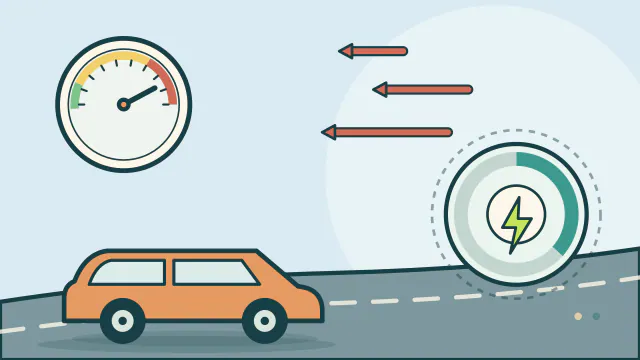
How Speed Affects Electric Car Range
See why an EV uses more energy at highway speed, what the EPA test cycles actually run, and how to estimate the range cost of driving faster.
Read guide ↗
How Temperature Affects EV Range
Cold and heat change EV range for different reasons. See the measured cold-weather figures, what air conditioning costs and how to plan a realistic margin.
Read guide ↗
How to Prepare an EV for a Long Road Trip
Turn EPA label range into a trip budget, map chargers with the AFDC Station Locator, check plug types and adapters, and plan each charging stop.
Read guide ↗
Hybrid Battery Replacement Cost Factors
See which factors set a hybrid battery replacement quote: warranty, battery type, new or remanufactured parts, labor and diagnosis, with questions for each.
Read guide ↗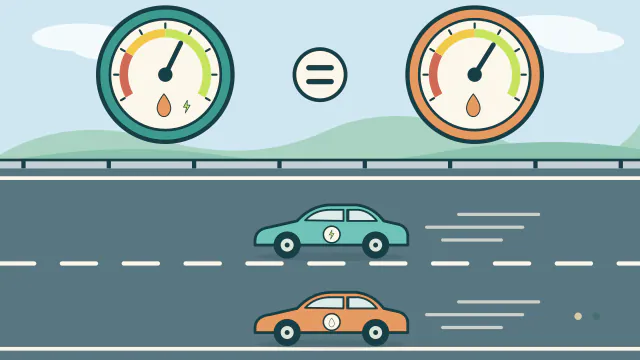
Hybrid vs Gas Car for Mostly Highway Driving
Use EPA city and highway ratings for two 2026 Hyundai pairs to see how the hybrid gap shrinks on highways, and how to size it for your own mix.
Read guide ↗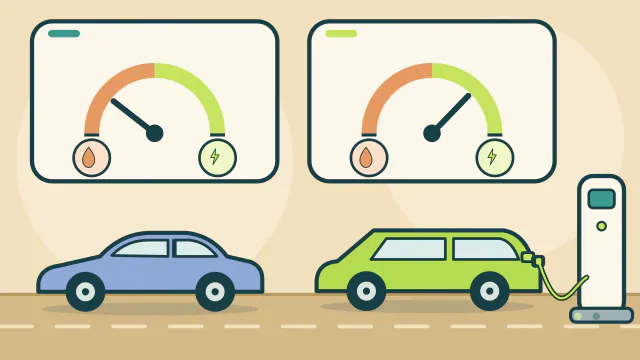
Hybrid vs Plug-In Hybrid: Which Saves More Fuel?
Compare how a hybrid and a plug-in hybrid use fuel, read the plug-in label, and test the savings with a labelled mixed-commute example and your own numbers.
Read guide ↗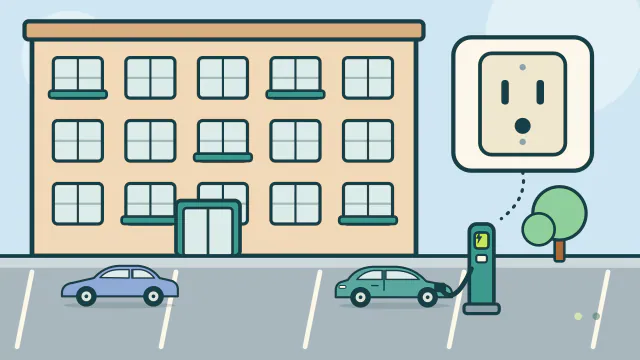
Is an EV Right for an Apartment Dweller?
Learn when an EV works without a home garage, how Level 1, Level 2 and public charging compare, and what to ask a landlord or HOA first.
Read guide ↗
LFP vs NMC EV Batteries
Compare lithium iron phosphate and nickel manganese cobalt EV batteries for energy density, cost, thermal behavior, lifespan, range and charging practices without one-size-fits-all rules.
Read guide ↗
Mild Hybrid vs Full Hybrid
Mild Hybrid vs Full Hybrid: important differences, practical checks, limitations and safe next steps for US motorists.
Read guide ↗
Pros and Cons of Buying a Used EV
Weigh a used EV's running costs, battery warranty, charging port, insurance and the ended federal credit to decide whether one fits your budget.
Read guide ↗
What Causes EV Battery Degradation?
Why EV battery capacity declines over time, how heat and charging habits affect wear, how to separate temporary range loss from degradation, and what warranties mean.
Read guide ↗
What Is Battery State of Health?
Learn what EV battery state of health means, how it differs from charge level and dashboard range, how cars report it, and why one reading is not a verdict.
Read guide ↗
What Maintenance Does an Electric Car Need?
See what an all-electric car still needs: tire rotation, cabin filter, brake fluid and coolant, shown with one real 2026 owner's manual schedule.
Read guide ↗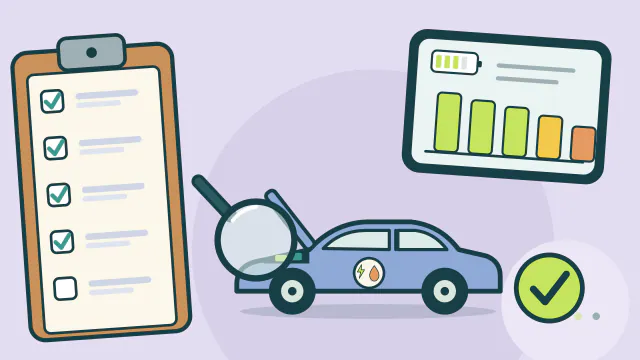
What to Check Before Buying a Used Hybrid
Check battery warranty, recalls, service records, cooling vents, warning lights and flood signs before buying a used hybrid, then get it inspected.
Read guide ↗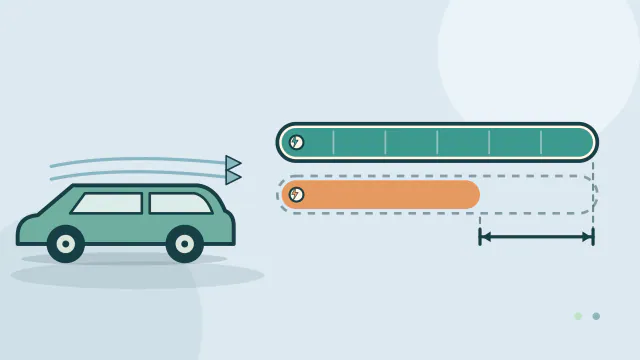
Why EPA Range and Highway Range Differ
The EPA label range is a weighted city-highway figure, not a steady highway result. See the test speeds, the 0.7 adjustment and why 75 mph uses more.
Read guide ↗
Why EV Battery Packs Need Thermal Management
Learn why lithium-ion EV packs need heating and cooling, what temperature does to life, power and safety, and what two owner's manuals say about it.
Read guide ↗EV Charging
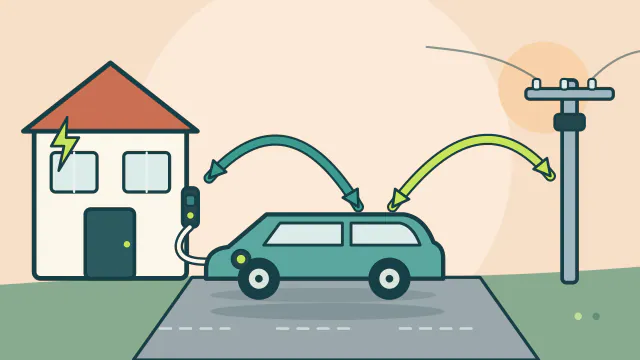
Bidirectional EV Charging Explained
Learn how V2L, V2H and V2G differ, what hardware each needs, why utilities require interconnection, and how warranty terms affect home backup.
Read guide ↗
Can Solar Panels Charge an EV?
Rooftop solar can supply an EV through the house wiring, but production, inverter and charger limits decide how many miles the array really covers.
Read guide ↗
CCS vs NACS vs CHAdeMO Connectors
Compare CCS1, NACS/J3400 and CHAdeMO EV connectors, what each supports, and when an adapter can bridge the difference safely.
Read guide ↗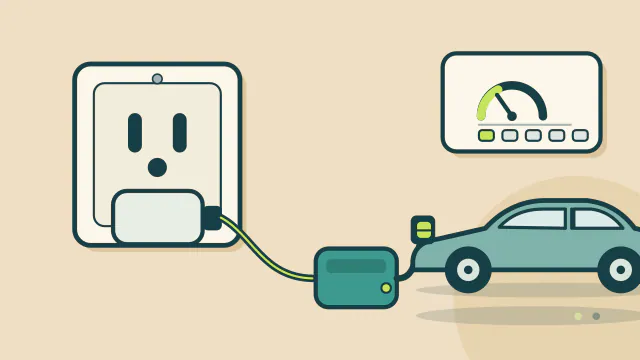
Charging an EV on a Standard 120-Volt Outlet
See what a 120-volt household outlet can add to an EV, what the circuit and cord require, and how to estimate an overnight charge with simple arithmetic.
Read guide ↗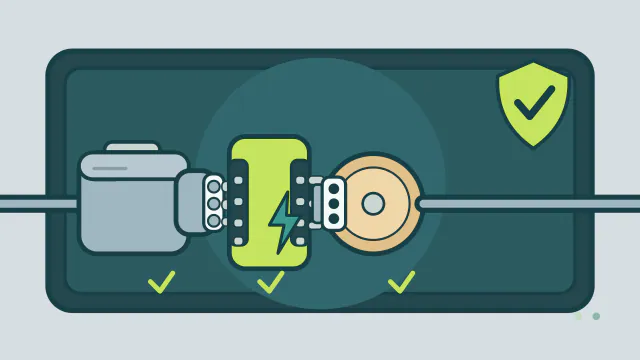
EV Charging Adapters: Safety and Compatibility
Charging adapters bridge connector types, but AC and DC versions are not interchangeable; use the adapter the vehicle maker approves for that car and station.
Read guide ↗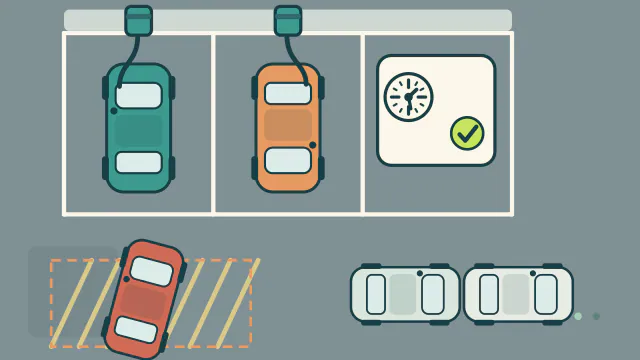
EV Charging Etiquette at Busy Stations
See what charging networks and public agencies actually say about idle fees, unplugging other cars and parking, and where etiquette is only a courtesy.
Read guide ↗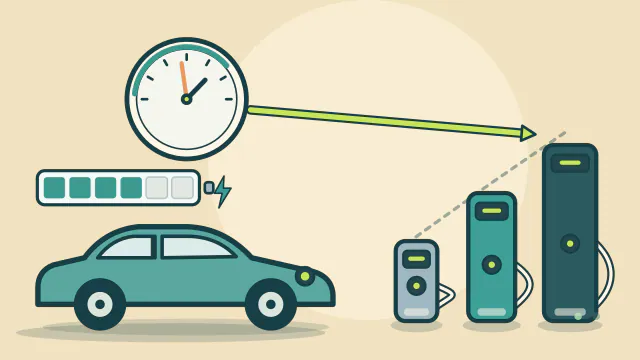
How Long Does It Take to Charge an Electric Car?
See how EPA label charge times are defined, what each charging level adds per hour, and how to estimate a session from battery size and charger power.
Read guide ↗
How Public EV Charging Pricing Works
Learn how charging networks build public EV prices from energy, time, session and idle charges, and what the charger must show before you pay.
Read guide ↗
How to Charge an EV in Freezing Weather
Cold slows the battery and can freeze the charge door. Learn the manual-based routine for overnight charging, fast-charge preparation and safe connections.
Read guide ↗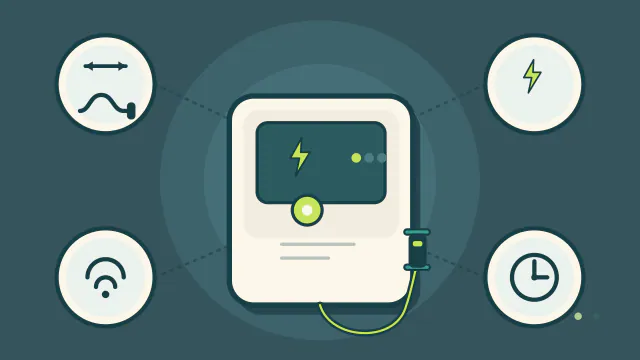
How to Choose a Home EV Charger
Compare home EV charger power, plug types, safety certification and daily features, and learn how to match the equipment to your car and routine.
Read guide ↗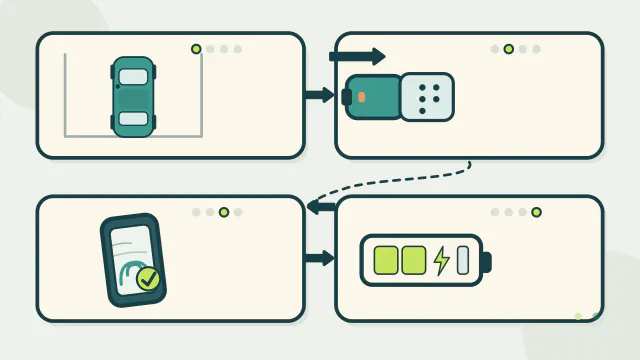
How to Use a Public EV Charging Station
Walk through a public charging session step by step, from choosing a compatible connector and starting the charge to stopping it and freeing the port.
Read guide ↗
kW vs kWh in EV Charging
Kilowatts measure power: how quickly energy moves. Kilowatt-hours measure energy: how much is stored or delivered over time. Confusing them leads to inaccurate charging estimates.
Read guide ↗
Level 1 vs Level 2 vs DC Fast Charging
Charging speed depends on the electrical supply, charger, vehicle and battery conditions. These three broad categories describe very different charging experiences.
Read guide ↗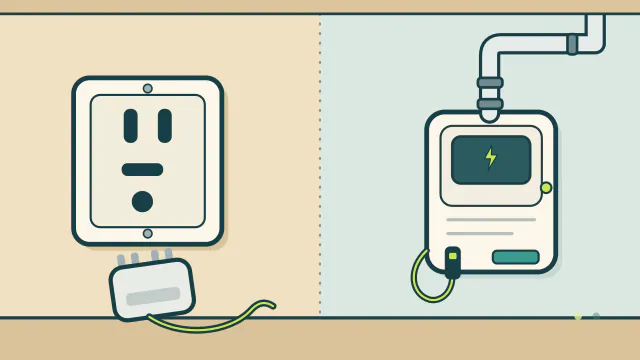
NEMA 14-50 Outlet vs Hardwired EV Charger
Compare a NEMA 14-50 outlet with a hardwired Level 2 charger: amperage limits, outdoor rules, flexibility and what an electrician must verify.
Read guide ↗
Off-Peak EV Charging: Is It Cheaper?
Learn how time-of-use electricity rates price overnight charging, what EIA data can and cannot tell you, and how to schedule a session in a real EV.
Read guide ↗
Should You Charge Your EV to 100 Percent?
Compare what Ford and Kia manuals actually say about charge limits, what EPA says about fast charging near full, and when a full battery is the right call.
Read guide ↗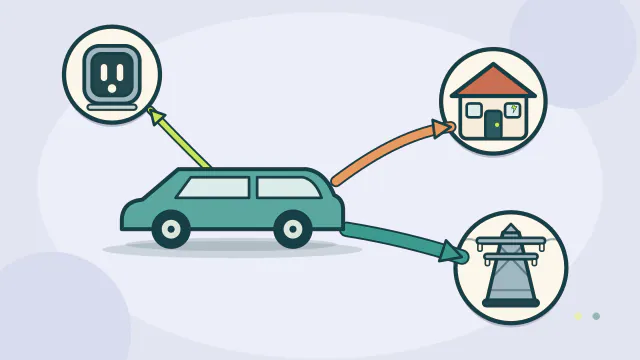
Vehicle-to-Load vs Vehicle-to-Home vs Vehicle-to-Grid
Compare V2L, V2H and V2G by what each one powers, the equipment and approvals each needs, and who can use each mode today.
Read guide ↗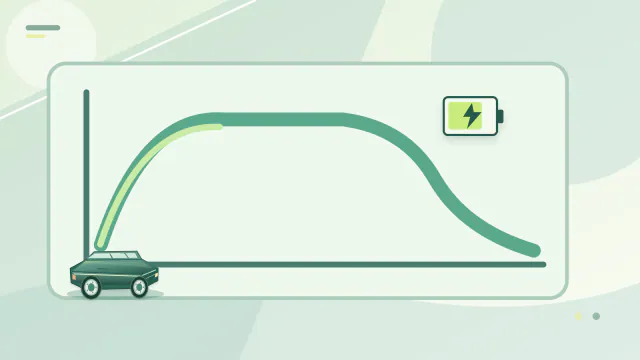
What Is an EV Charging Curve?
Understand EV DC fast-charging curves, peak kW versus sustained power, state of charge, temperature and practical road-trip charging time.
Read guide ↗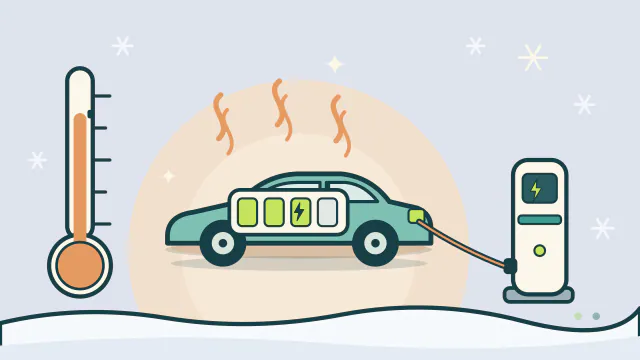
What Is EV Battery Preconditioning?
Learn what EV battery preconditioning does, how it differs from cabin preheating, when cars run it, and what the routine costs in driving range.
Read guide ↗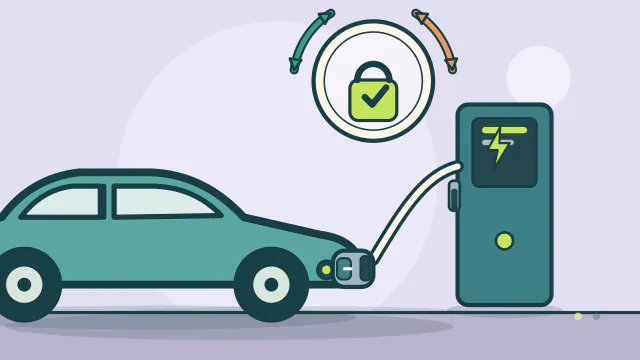
What Is Plug and Charge?
Plug and Charge lets an eligible EV authenticate and pay automatically when connected, using ISO 15118 certificates instead of an app, card or screen.
Read guide ↗
What to Do When an EV Charger Is Broken
Report a failed public charger to the network, the station operator and the AFDC Station Locator, then handle refunds and safety with official rules.
Read guide ↗
When You Need an Electrical Panel Upgrade for EV Charging
Learn how service size, load calculations, spare breaker slots and load management decide whether an EV charger needs a panel or service upgrade.
Read guide ↗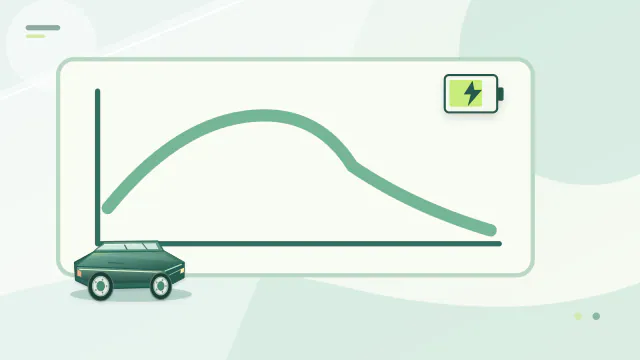
Why DC Fast Charging Slows Near Full
Why DC fast charging often tapers at high state of charge, what affects the curve, and when charging to 80% rather than 100% is more time-efficient on a road trip.
Read guide ↗Family Teen and Accessible Vehicles

Adaptive Driving Controls: An Introduction
Learn how driver evaluation, vehicle selection, prescribed adaptive equipment, qualified installation and training fit together.
Read guide ↗
Best Features to Look for in a Family Road-Trip Car
Prioritize child-seat access, usable cargo, driver assistance, night visibility and real seating comfort, then verify each feature on the exact car.
Read guide ↗
Car Features That Help Older Drivers
A practical shopping list of seat, control, visibility and access features that can make driving easier without replacing good judgment.
Read guide ↗
Common Child Car Seat Installation Mistakes
Check an install the way NHTSA does: one inch of movement at the belt path, one attachment method, a top tether, approved add-ons and a snug harness.
Read guide ↗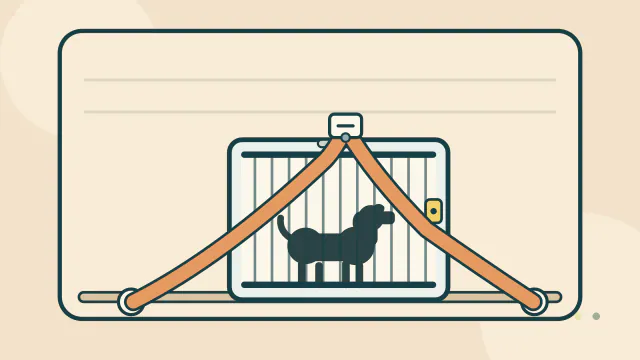
Crash-Tested Pet Restraints: What to Check
Check who tested a pet harness, crate or carrier, at what speed and with what test-dog weight before trusting a crash-test label.
Read guide ↗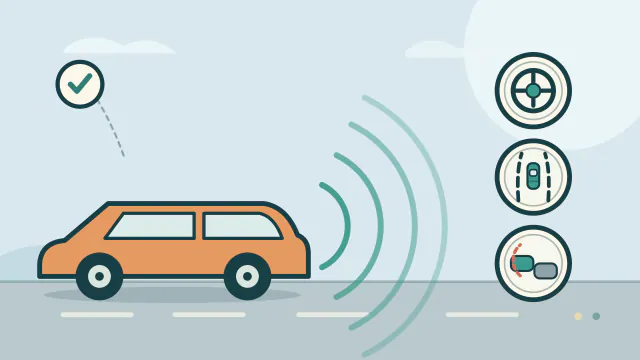
Driver Assistance Features for Older Adults
See which driver assistance systems fit older drivers' crash patterns, what IIHS and NHTSA say, and where each aid still fails.
Read guide ↗
Easy-Entry SUVs for Drivers With Limited Mobility
Learn which SUV measurements decide easy entry, how to test a seat and door at the dealer, and when a modified vehicle makes more sense.
Read guide ↗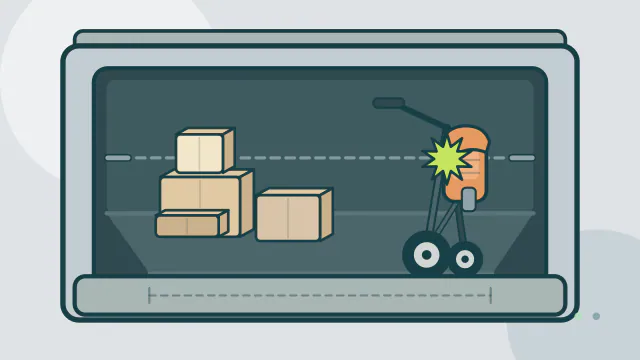
Family Car Cargo Space: What Numbers Miss
Cargo volume hides shape, load height, seat position and weight limits; use the cubic-foot figure as a filter, then measure what you will actually load.
Read guide ↗
How to Check Car Seat Compatibility
Check a car seat against your own vehicle before you buy it, using the owner's manual, anchor positions, seat belt type and a test fit.
Read guide ↗
How to Choose a Safe First Car for a Teen
Apply IIHS size, stability-control, crash-rating and headlight thresholds to a teen's first car, then verify the exact trim and build date.
Read guide ↗
How to Choose Seats for Back and Hip Comfort
Use seat adjustment, cushion length, belt fit and head restraint position to judge comfort on a test drive, without guessing from showroom softness.
Read guide ↗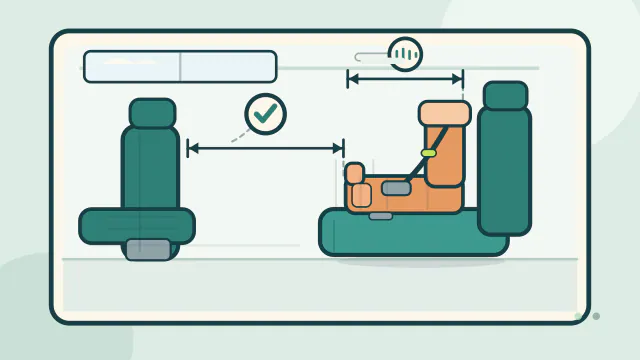
How to Compare Car Seat Fit in SUVs
Use published SUV dimensions, LATCH layout and a real seat-check to judge car seat fit before you buy a family vehicle.
Read guide ↗
How to Find Qualified Vehicle Mobility Modifiers
Vet a mobility modifier by checking NHTSA registration, NMEDA QAP status, training, written scope and the federal safety labels on finished work.
Read guide ↗
How to Set Driving Rules for a New Teen Driver
Use your state's graduated licensing limits as the floor, then add written household rules for night driving, passengers, phones and seat belts.
Read guide ↗
How to Transport a Dog Safely in a Car
Restrain a dog in the back seat, skip the pickup bed, and manage heat and stops, using AVMA vehicle-safety and travel guidance for US drivers.
Read guide ↗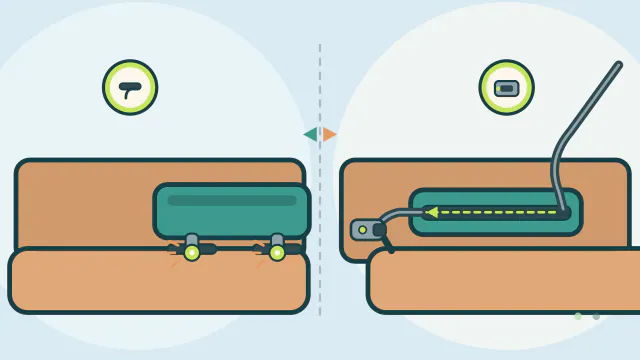
LATCH vs Seat Belt Car Seat Installation
Compare LATCH and a seat belt install by anchor weight limits, locking and seating position, and learn when the belt has to take over.
Read guide ↗
Rear-Facing vs Forward-Facing Car Seats
Learn why rear-facing is safer for a young child, what the seat's height and weight limits change, and when a forward-facing harness is the right step.
Read guide ↗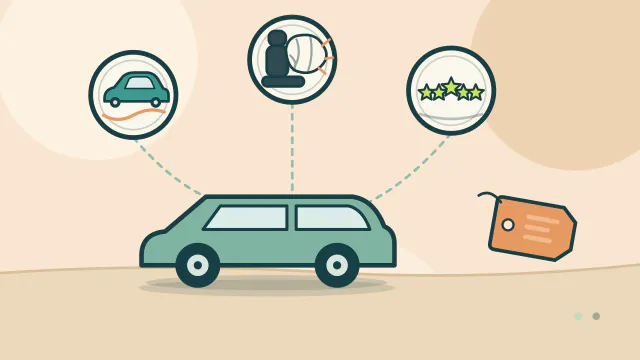
Used Car Safety Features Worth Prioritizing for Teens
Prioritize stability control, automatic emergency braking, rated headlights and crash results, then confirm each feature by model year, trim and VIN.
Read guide ↗
What Makes a Good Car for a Family of Five?
For two adults and three children, the real test is fitting three restraints across the back, not just counting five seats, plus cargo and weight limits.
Read guide ↗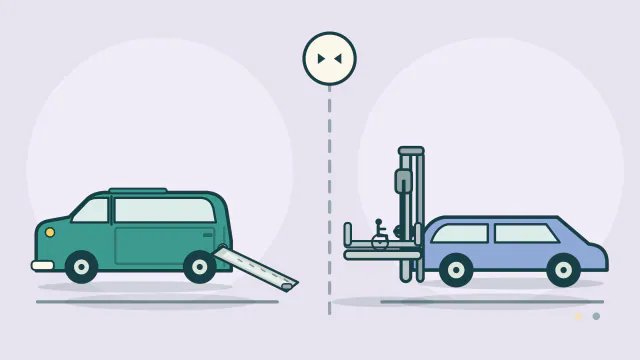
Wheelchair-Accessible SUV vs Accessible Van
Compare accessible SUV and van conversions by entry type, floor space, seating, parking and safety paperwork, using NMEDA and NHTSA guidance.
Read guide ↗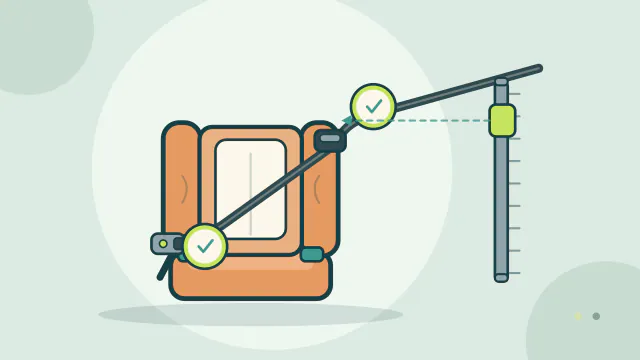
When Can a Child Move to a Booster Seat?
Use the forward-facing seat's height and weight limits plus a seat-belt fit check, not age alone, to decide when a child moves into a booster.
Read guide ↗
When to Consider a Driving Ability Assessment
Learn the changes that justify a driving assessment, how skills evaluations differ from clinical assessments, and how state licensing fits in.
Read guide ↗
Why Vehicle Size Is Not the Only Safety Factor
Vehicle size and weight change crash forces, but structure, restraints, safety technology and driver behavior decide much of the real-world risk.
Read guide ↗Fuel and Efficiency

Alternative Fuels vs Electric Vehicles
Compare battery-electric vehicles with hydrogen, natural gas, propane, ethanol, biodiesel and renewable diesel by infrastructure, emissions and use case.
Read guide ↗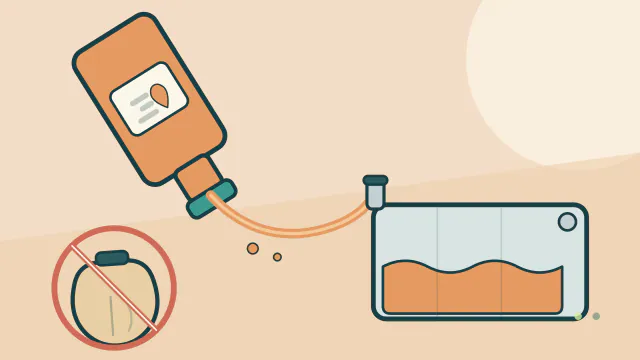
Can Fuel Additives Improve Gas Mileage?
See what EPA and FTC tests say about fuel additives, octane boosters and mileage claims, and which additive uses are maintenance rather than fuel savings.
Read guide ↗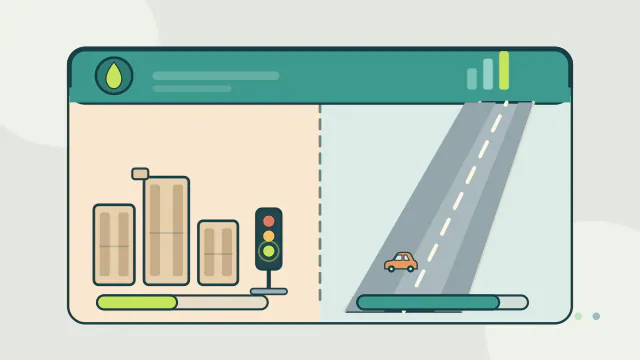
City vs Highway MPG: Why They Differ
City mpg is usually lower because the city test stops, idles and starts cold. See why the highway cycle scores better and when hybrids reverse the gap.
Read guide ↗
CNG Vehicles: Advantages and Limitations
Compressed natural gas can lower fuel costs and some emissions, but limited stations, shorter range and tank service needs shape who can use it.
Read guide ↗
Does Driving Faster Reduce MPG?
Learn when extra speed starts costing fuel, what the government speed tests measured, and how much gas each 5 mph over 50 is likely to add.
Read guide ↗
Does Idling Use More Fuel Than Restarting?
See what idling costs per minute, what a restart really uses, and when shutting the engine off saves money without adding starter wear.
Read guide ↗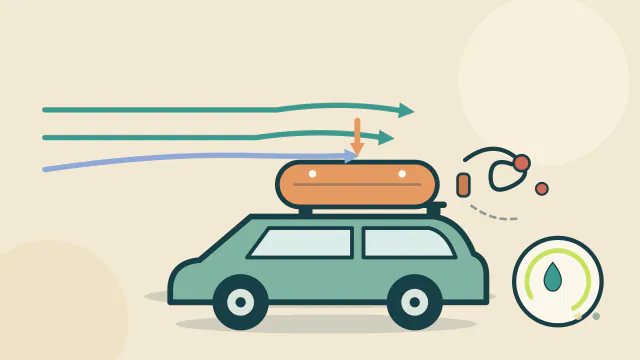
Does Roof Cargo Reduce Gas Mileage?
Read the measured fuel penalty of a roof cargo box, why drag matters more than weight, and how to estimate the cost on your own highway trip.
Read guide ↗
E10 vs E15 vs E85 Gasoline
Compare E10, E15 and E85 by ethanol content, approved vehicles, fuel economy and cost per mile, and learn which blend your owner's manual allows.
Read guide ↗
Eco Mode in Cars: What Does It Do?
Eco mode alters throttle response, shift points and climate output to save fuel. See what Kia and Hyundai manuals say it changes, and where it stops.
Read guide ↗
EPA Vehicle Emissions Labels Explained
Read the EPA window sticker section by section: fuel economy, smog and greenhouse gas ratings, tailpipe CO2 and the assumptions behind each number.
Read guide ↗
Ethanol-Free Gas: When Is It Needed?
Learn when ethanol-free gasoline is required, when E10 is allowed, and how boats, small engines, aircraft and modern cars differ in what they can burn.
Read guide ↗
How the EPA Tests Fuel Economy
See how EPA fuel economy ratings are produced in a laboratory, from the five test cycles and dynamometer runs to the combined window-sticker number.
Read guide ↗
How Tire Pressure Affects Fuel Economy
Underinflation raises rolling resistance and wastes fuel. See what EPA and NHTSA say about psi, TPMS, cold checks and the real size of the savings.
Read guide ↗
How to Calculate Your Actual Gas Mileage
Use the fill-to-fill method to measure your own mpg, with a worked example, the errors that spoil the result and reasons your number differs from the label.
Read guide ↗
How Vehicle Weight Affects Energy Use
Vehicle weight changes the energy needed to accelerate, climb and roll. See where extra mass costs fuel, with simple physics and EPA test assumptions.
Read guide ↗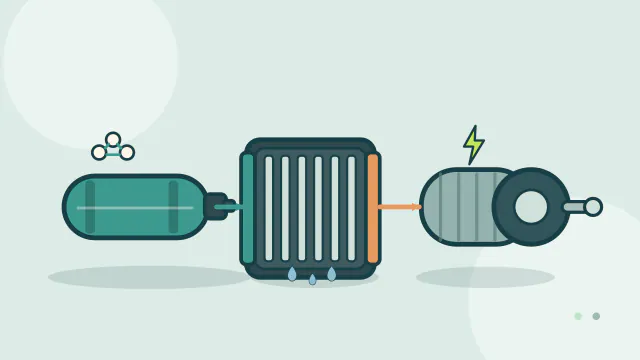
Hydrogen Fuel Cell Cars Explained
See how a hydrogen fuel cell car makes electricity, why its tank shapes the design, what comes out of the tailpipe and where refueling is still limited.
Read guide ↗
L per 100 km vs MPG Conversion
Convert between liters per 100 km and US mpg with the 235.215 factor, worked examples and a reminder that the two scales run in opposite directions.
Read guide ↗
Regular vs Premium Gas: Does It Matter?
Premium fuel matters only when the owner's manual requires or recommends it. Learn to read the fuel wording, understand the octane rule and run the cost gap.
Read guide ↗
Renewable Diesel vs Biodiesel
Learn how renewable diesel and biodiesel differ in chemistry, feedstocks, standards, blending and vehicle approval, and which one fits your diesel.
Read guide ↗
Synthetic E-Fuels: What Are They?
E-fuels are made from carbon dioxide, hydrogen and renewable electricity. Learn how they are produced, where they fit and why scale and cost remain limits.
Read guide ↗
Tailpipe Emissions vs Lifecycle Emissions
Tailpipe emissions cover what leaves the car; lifecycle emissions add fuel production, manufacturing and disposal. See what each boundary includes and hides.
Read guide ↗
What Does a Catalytic Converter Remove?
A catalytic converter does not trap pollutants. It converts carbon monoxide, hydrocarbons and nitrogen oxides into carbon dioxide, water and nitrogen.
Read guide ↗
What Does Octane Rating Mean?
Octane measures a gasoline's resistance to engine knock. See how research and motor octane numbers combine into the US pump rating, and why engines differ.
Read guide ↗
Why Cold Starts Cause Higher Emissions
Cold starts raise emissions because the engine runs fuel-rich and the catalytic converter is too cool to work. See what changes and how to limit the effect.
Read guide ↗Future Mobility and Innovation
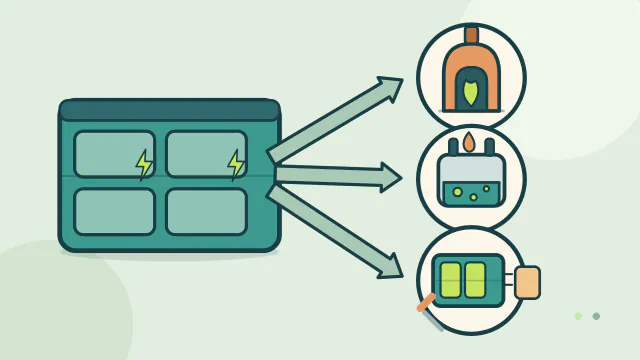
Battery Recycling Methods Explained
How smelting, chemical leaching and direct recycling recover materials from used EV batteries, what black mass is and why feedstock supply shapes the market.
Read guide ↗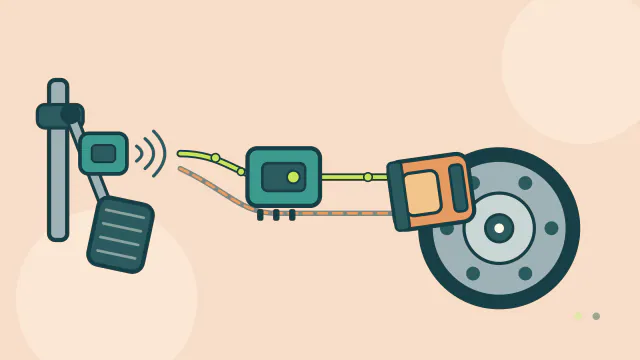
Brake-by-Wire Explained
Understand how brake-by-wire sends pedal input electrically, what FMVSS 135 requires, and how redundancy and service differ from a conventional brake system.
Read guide ↗
Car Subscriptions vs Traditional Ownership
Compare vehicle subscriptions with cash purchase, financing and leasing by control, mileage, insurance, cancellation and total cost.
Read guide ↗
Direct-to-Consumer Car Sales Explained
See how state dealer-licensing and franchise laws block or allow factory-direct sales, and what a direct purchase changes for a US buyer.
Read guide ↗
Driver Assistance vs Self-Driving: Key Differences
Learn what separates driver assistance from self-driving using NHTSA guidance and SAE's 2026 level definitions, including who must watch the road.
Read guide ↗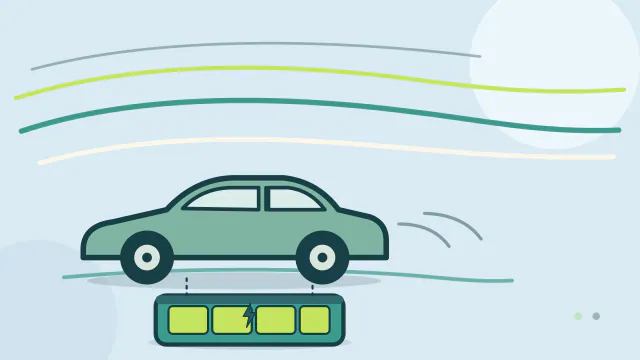
How Aerodynamics Shapes Electric Cars
See how drag force works, what the EPA highway cycle covers, and why shape and frontal area change electric car range more at highway speed.
Read guide ↗
How Automotive Software Updates Change Car Ownership
Software can change a car after purchase: recalls by download, new features, security fixes and data terms. Here is what owners now have to manage.
Read guide ↗
How Cars Exchange Road-Hazard Information
Learn how connected cars share braking, queue, weather and work-zone warnings through direct short-range messages and longer-range networks.
Read guide ↗
How Lightweight Materials Improve Efficiency
See how lighter steel, aluminum, magnesium and composites cut vehicle mass, what DOE says the fuel-economy gain is, and where the trade-offs land.
Read guide ↗
How Robotaxis Work
Follow a robotaxi from app request to drop-off, see the sensors and maps behind it, and learn how US regulators oversee driverless services.
Read guide ↗
Right-to-Repair in the Connected Car Era
Connected cars move repair access from the wrench to the data. See what the FTC found, what Massachusetts requires, and what to ask before you buy.
Read guide ↗
SAE Levels of Driving Automation Explained
Learn what the six SAE levels mean, who must supervise at each step, and which example features show the difference between assistance and automated driving.
Read guide ↗
Smart Traffic Lights and Connected Cars
Learn how adaptive signals and connected cars share red, yellow and green timing, and what signal priority and preemption can and cannot do.
Read guide ↗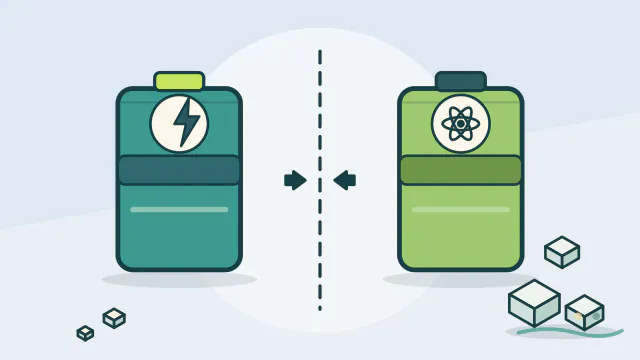
Sodium-Ion EV Batteries Explained
How sodium-ion EV batteries work, where their cold-weather strength and energy-density gap matter, and how far real production has progressed since 2023.
Read guide ↗
Software Subscriptions in Cars: Buyer Risks
See how car software subscriptions differ from purchase-time options, what renewal terms mean, and where federal auto-renewal rules stand in 2026.
Read guide ↗
Solid-State EV Batteries: Potential and Limits
What a solid electrolyte changes, which solid-state designs are actually in production, and why announced EV launch dates are not delivered vehicles.
Read guide ↗
Steer-by-Wire Explained
Steer-by-wire removes the steering shaft and uses sensors, motors and software. See how the Lexus RZ system works and why redundancy matters.
Read guide ↗
Vehicle-to-Everything Communication Explained
Learn what V2X means for vehicle communication, how V2V, V2I, V2P and V2N differ, and why the term is not the EV power shorthand V2L, V2H or V2G.
Read guide ↗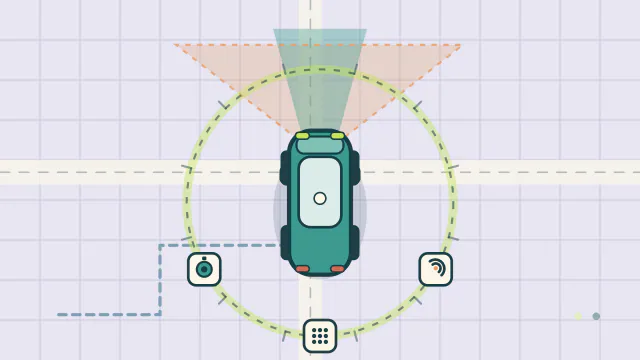
What Does a Driverless Car Need to Navigate?
See the capabilities a driverless car needs to navigate, from sensors and map data to computing, redundancy and operating limits NHTSA says must be defined.
Read guide ↗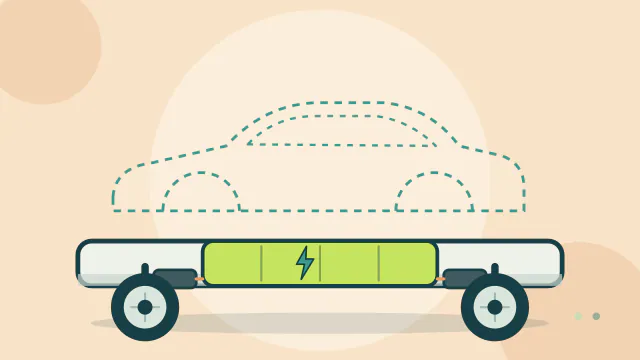
What Is an Electric Skateboard Platform?
A skateboard platform puts the battery, motor and suspension in a flat lower structure. See how makers describe it, what it gains and where the limits are.
Read guide ↗
What Is EV Battery Swapping?
Learn how a swap station exchanges a depleted EV battery for a charged one, which operators use the model, and what limits it in the US.
Read guide ↗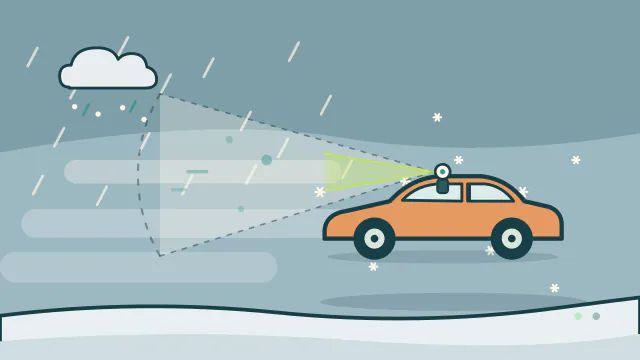
Why Bad Weather Is Difficult for Autonomous Cars
Learn how rain, snow, fog and road spray degrade cameras, radar and lidar, and why automated systems set weather limits and stop when they are exceeded.
Read guide ↗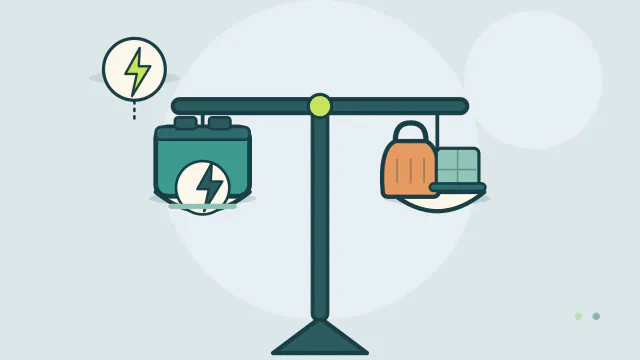
Why Battery Energy Density Matters
Learn what battery energy density measures, why pack figures differ from cell figures, and how weight and volume shape electric car range and design.
Read guide ↗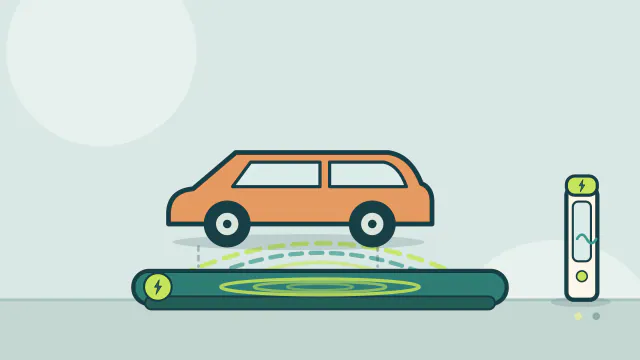
Wireless EV Charging: How It Works
See how inductive charging moves power across an air gap, what SAE J2954 covers, and which fleet and lab demonstrations show its limits.
Read guide ↗Motorsports and Performance Driving
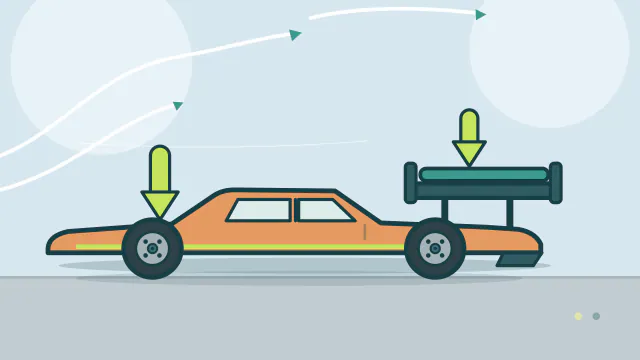
Aerodynamic Downforce Explained
Downforce is lift pointed downward: air pushes a car onto the road as speed rises. See the equation, a worked example and the drag trade-off.
Read guide ↗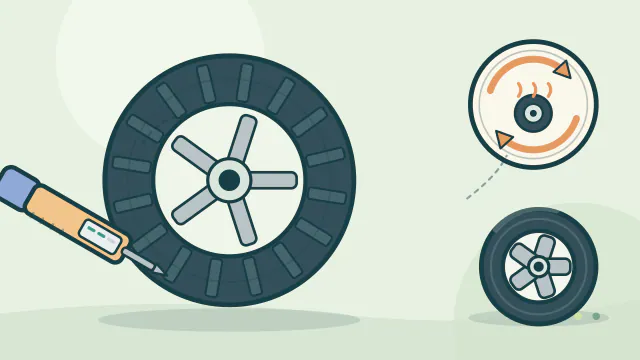
Choosing Safe Track Day Tires
Choose track day tires by organizer rules, tread condition, weather and heat cycles, and learn what UTQG grades do and do not prove.
Read guide ↗
Drag Racing Classes Explained for Beginners
NHRA events can present more than 200 vehicle classes in 15 categories, from 11,000-hp Top Fuel to index and bracket sportsman racing.
Read guide ↗
Evolution of American Road Racing
Trace US road racing from postwar club events through permanent circuits, endurance series, professional sanctioning and today's club-to-pro ladder.
Read guide ↗
First Track Day Car Checklist
Prepare a car for a first track day with the checks organizers actually make: brakes, tires, leaks, battery, belts, loose items and helmet rules.
Read guide ↗
Helmet Ratings for Track Driving
Compare Snell SA, FIA 8859 and 8860, and SFI 31.1 helmet ratings, see what each test covers, and check what your track organizer will accept.
Read guide ↗
Historic Racing Cars vs Modern Race Cars
Historic race cars are built to a past rulebook and kept in period specification, while modern race cars are built to current rules and developed continuously.
Read guide ↗
History of NASCAR Stock Cars
Trace NASCAR stock cars from 1949 showroom sedans through roll cages, aero wars and the 2022 Next Gen car, and see what stayed the same.
Read guide ↗
How Endurance Racing Works
Endurance racing shares one car between several drivers over races from a few hours to 24 hours, with pit stops and classes scored separately.
Read guide ↗
How Motorsport Hybrid Systems Work
See how Formula 1 and Le Mans Hypercar hybrids recover, store and deploy energy, and why the rules limit when the electric motor can help.
Read guide ↗
How Rally Cars Became Road-Car Legends
See how rally rules turned production cars into legends, from Group A homologation specials to Audi quattro, Subaru Impreza and the hybrid Rally1 era.
Read guide ↗
How the 24 Hours of Le Mans Began
The ACO, founded in 1906, created a 24-hour race that first ran on 26 and 27 May 1923, and a Chenard & Walcker won it at a 92 kph average.
Read guide ↗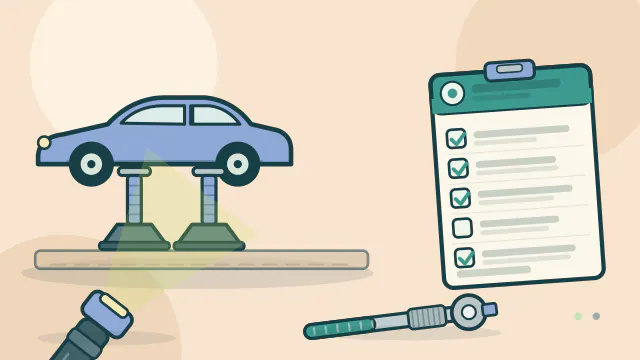
How to Inspect a Car After Track Use
Work through a post-track inspection of fluids, brakes, tires, fasteners and the underbody using the checks a club tech sheet requires.
Read guide ↗
Limited-Slip Differentials in Racing
Compare open, limited-slip and locked differentials, the clutch, cone and gear types, and how torque bias changes cornering in a race car.
Read guide ↗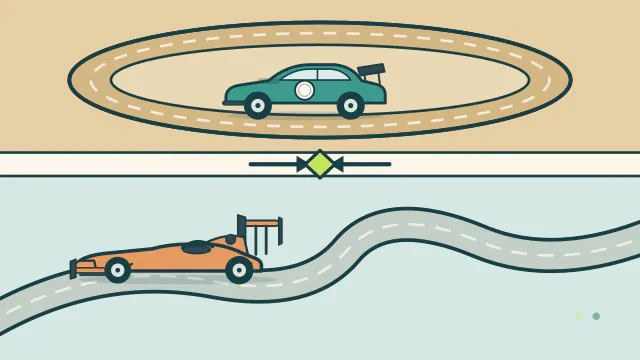
NASCAR vs Formula 1: Key Differences
Compare NASCAR and Formula 1 on car rules, circuits, race weekends and points, using the sanctioning bodies' own 2026 regulations and official series pages.
Read guide ↗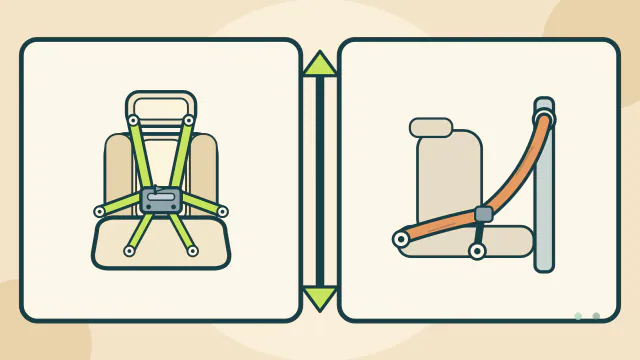
Racing Harness vs Three-Point Seat Belt
Compare a racing harness with a three-point belt on restraint geometry, standards, head-and-neck devices and street legality before changing a car.
Read guide ↗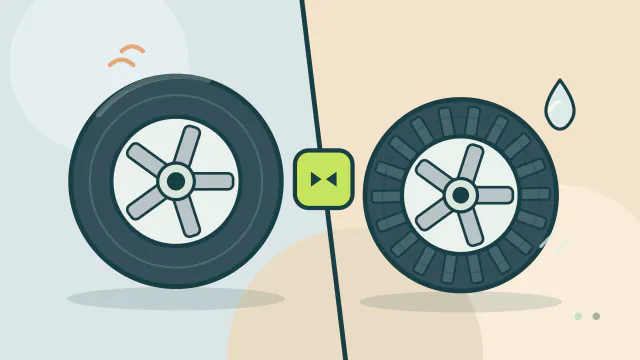
Racing Slicks vs Road Tires
Compare slick and road tires on tread, compound, heat and wet grip, and see why a race tire only works in the conditions it was built for.
Read guide ↗
Rally Racing vs Circuit Racing
Compare rally and circuit racing on course layout, starts, timing, co-drivers and surfaces, using WRC and Formula 1 rules and event information.
Read guide ↗
Track Day Insurance: What to Research
How standard auto policies treat track use, what specialty HPDE policies cover, and the agreed value, deductible and organizer questions to check.
Read guide ↗
Track Flag Meanings Explained
Read track flags the way an organizer's rulebook defines them: green, yellow, blue, white, black, red and checkered, with the response each requires.
Read guide ↗
What Is a Roll Cage and When Is It Needed?
A roll cage is a tubular steel survival structure, not a handling upgrade. Learn what it protects, how organizers define it and when rules require one.
Read guide ↗
What Is Time Attack Racing?
Learn how time attack works, from scored sessions and hot laps to SCCA classes, track limits and the safety rules that separate it from wheel-to-wheel racing.
Read guide ↗
Why Brake Fluid Matters on Track
Track braking can heat brake fluid to its boiling point. See what DOT dry and wet boiling points mean and what manufacturer track guides require.
Read guide ↗
Why Race Cars Use Data Logging
See what a race car data logger records, how sensors and logging rates shape the data, and why teams and sanctioning bodies rely on it.
Read guide ↗
Why Track Safety Rules Differ by Organization
Sanctioning bodies, activity type, car class, insurance and the venue all shape track safety rules. See why one car can pass one organizer and fail another.
Read guide ↗New Car Buying
First-Time Car Buying Checklist for US Drivers
Buying your first car is easier when you make the expensive decisions before visiting a dealership. Start with a full ownership budget, shortlist vehicles that suit your life, and compare written out-the-door quotes.
Read guide ↗
How to Build a Must-Have vs Nice-to-Have Features List
Create an actionable vehicle features checklist separating nonnegotiable fit and safety needs from optional conveniences while protecting a realistic US car budget.
Read guide ↗
How to Choose the Right Car for Your Driving Habits
Use your daily mileage, road types, passengers, cargo, charging access and real US ownership costs to choose the right vehicle.
Read guide ↗
How to Compare Dealership Quotes
Dealership quotes become useful when each seller lists the same vehicle specification, financing assumptions and itemized out-the-door price.
Read guide ↗
How to Negotiate a New Car Price Without Monthly-Payment Tricks
Negotiate a new-car deal by separating out-the-door price, trade-in equity, loan APR and optional add-ons instead of accepting only a monthly-payment figure.
Read guide ↗
How to Read a Window Sticker or Monroney Label
Learn what the US new-car Monroney window sticker actually includes, how to check options and fuel economy, and why its MSRP is not the final dealer price.
Read guide ↗
How to Set a Realistic New Car Budget
A realistic budget includes the purchase transaction, recurring expenses and a buffer for uncertainty. The most expensive car you can finance is rarely the most comfortable one to own.
Read guide ↗
MSRP vs Out-the-Door Price Explained
MSRP is a manufacturer's suggested retail price. The out-the-door price is the total vehicle purchase amount including applicable taxes, fees and other agreed charges before financing.
Read guide ↗
Should You Buy a New Car Now or Keep Your Old One?
Decide whether to repair your existing car or buy another with a fair 12–24 month cost worksheet covering safety, repair frequency, loan payments, depreciation and insurance.
Read guide ↗
What to Ask During a New Car Test Drive
A practical new-car test-drive question checklist covering comfort, visibility, safety features, highway behavior, price, and post-drive verification before purchase.
Read guide ↗Off Roading and Towing
AWD vs 4WD vs 4WD Low
AWD sends torque to both axles automatically, 4WD adds driver-selected modes and 4WD low adds a second gear reduction for slow, heavy off-road work.
Read guide ↗
Essential Off-Road Recovery Equipment
Build a recovery kit around rated points, a proper strap, gloves and a plan for communication, digging and tire repair before adding a winch.
Read guide ↗
How Does Trailer Weight Affect Braking?
Trailer weight adds energy to every stop. See how trailer brakes, controller settings, tongue load and long grades change braking on a loaded combination.
Read guide ↗
How to Approach Steep Off-Road Hills
Assess a steep off-road hill before committing, select the correct gear and line, maintain controlled momentum and know when to stop or back down.
Read guide ↗
How to Avoid Unsafe Vehicle Recovery Techniques
Unsafe recovery usually starts with an unrated attachment point, a strap or rope under load, or people standing in the line of a pull.
Read guide ↗
How to Calculate Safe Towing Weight
Work out a safe trailer weight from GCWR, GVWR, axle ratings and tongue weight, with a step-by-step example and the scale checks that confirm it.
Read guide ↗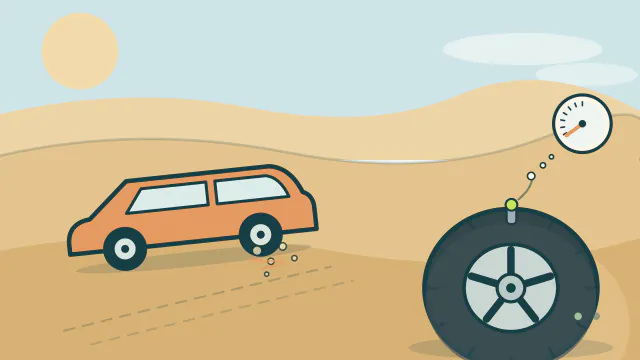
How to Drive on Sand Without Getting Stuck
Prepare tires, gearing and momentum before the sand gets soft, then use smooth throttle and steering so the vehicle keeps moving instead of digging in.
Read guide ↗
How to Plan a Road Trip While Towing
Plan a towing trip around the loaded trailer: realistic driving days, grades, fuel-stop access, campsite fit and a repeatable hitch and brake check.
Read guide ↗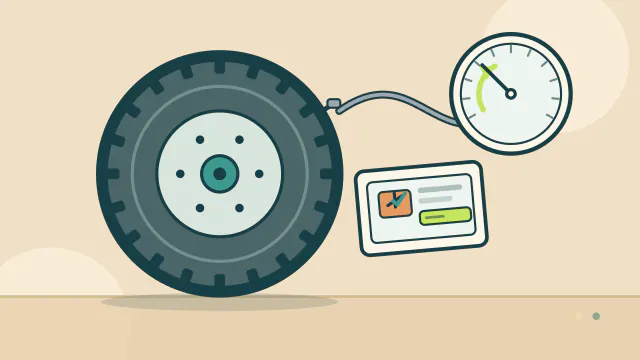
How to Read Trailer Tire Load Ratings
Decode a trailer tire's load figure, load range letter, speed marking and date code, and match the tires to the trailer axle rating with the federal arithmetic.
Read guide ↗
How to Tow a Small Travel Trailer With an SUV
Match a small travel trailer to an SUV using trailer GVWR, tongue weight, payload and hitch ratings, with 2026 Pilot and Outback figures as examples.
Read guide ↗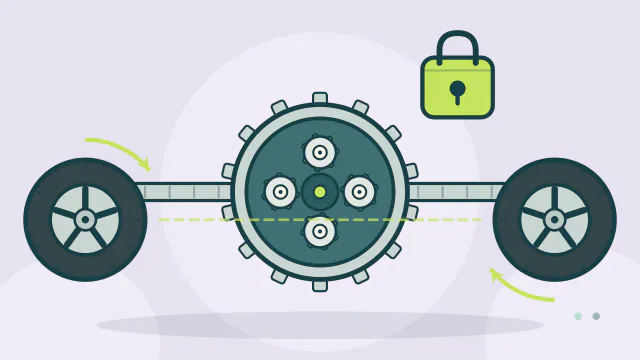
Locking Differentials Explained
A locking differential forces both wheels on an axle to turn together so the tire with grip gets torque; selectable and automatic lockers differ in engagement.
Read guide ↗
Mud Driving Tips for Pickup Trucks
Engage four-wheel drive before the mud, check the depth, keep steady momentum and stop the wheelspin if the truck starts to dig in.
Read guide ↗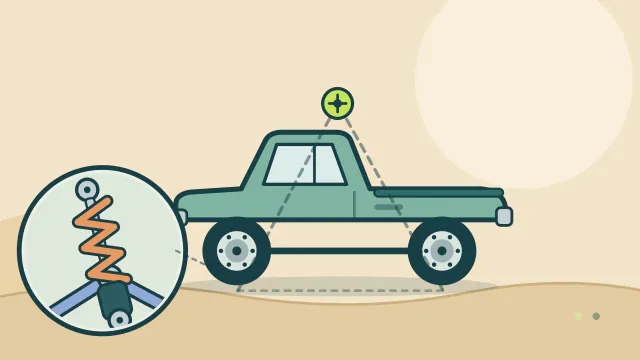
Off-Road Suspension Lift: Benefits and Trade-Offs
A suspension lift adds clearance, tire room and articulation, but it also raises the center of gravity and changes steering, braking and inspection needs.
Read guide ↗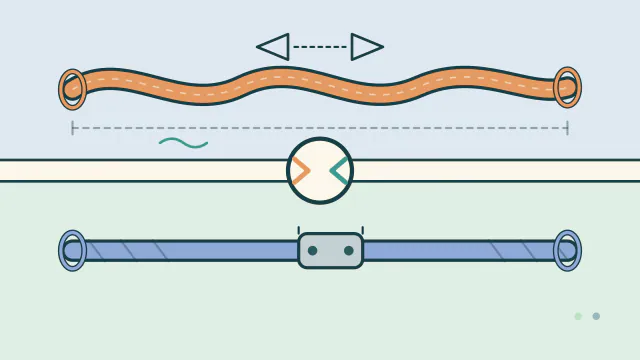
Recovery Straps vs Tow Straps: Safety Differences
Learn how kinetic recovery straps and low-stretch tow straps differ in stretch, load ratings and safe use, and how to size either one to your vehicle.
Read guide ↗
Safe Water Crossing: What to Check First
Check depth, current, bottom and exit before driving into water, then use the vehicle's own fording limit and a slow, steady crossing.
Read guide ↗
Towing a Boat With a Midsize Pickup
Match a boat and trailer to a midsize pickup's ratings, then handle tongue weight, hitch class, brakes, lights and the ramp with manufacturer guidance.
Read guide ↗
Trail Etiquette for Off-Road Drivers
Trail etiquette means staying on designated routes, yielding to hikers, horses and other vehicles, and leaving gates, water and campsites as you found them.
Read guide ↗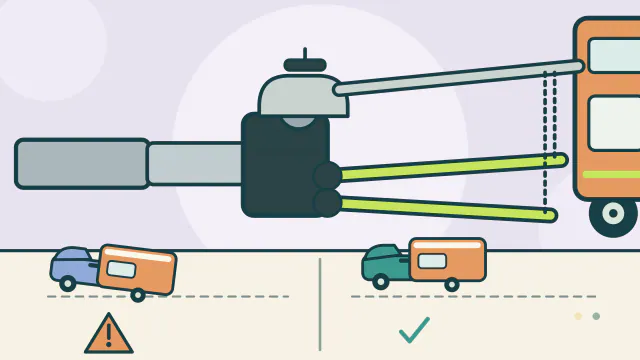
Weight-Distribution Hitches Explained
See how spring bars move tongue load across three axles, when GM's 2026 half-ton guide requires it, and how the fender-height setup works.
Read guide ↗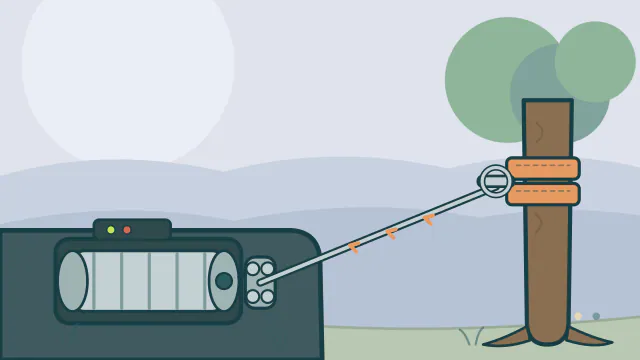
When to Use a Winch for Vehicle Recovery
Decide when a winch is safer than a kinetic pull, how to size the load against the winch rating, and which rigging limits keep the pull controlled.
Read guide ↗
Why Factory Tow Hooks May Not Be Recovery Points
Factory hooks can be recovery points, tow points or tie-downs. Learn how the owner's manual and load limits show which job each one is built for.
Read guide ↗Selling Cars and Trade Ins
Car Consignment Explained
Evaluate a consignment arrangement by checking the dealer, written authority, costs, custody and payout terms.
Read guide ↗
Car Donation vs Selling: Financial Considerations
Compare donation with a sale using realistic net proceeds, charity verification and the tax rules for the donation year.
Read guide ↗
Documents Needed to Sell a Car in the US
Prepare a US car-sale document checklist while checking the actual requirements of the titling and registration states.
Read guide ↗
How Car Auctions Work for Private Sellers
Understand the seller side of a car auction through acceptance, reserve terms, disclosure, fees and settlement.
Read guide ↗
How Car Trade-Ins Work
Follow a trade-in from appraisal through equity, replacement purchase and confirmation of the old loan payoff.
Read guide ↗
How Instant Cash Offers for Cars Work
Distinguish a vehicle valuation estimate from a conditional purchase offer and review verification, expiry and payment terms.
Read guide ↗
How Sales Tax Credits on Trade-Ins Work by State
Compare state trade-in tax treatment using official revenue-agency rules and a correctly itemized transaction.
Read guide ↗
How to Photograph a Car for a Sale Listing
Create clear, honest vehicle listing photos that show configuration, condition and useful details without exposing private documents.
Read guide ↗
How to Prepare Your Car for a Trade-In Appraisal
Prepare a trade-in for an accurate appraisal with clean presentation, service records and complete ownership information.
Read guide ↗
How to Safely Meet a Potential Car Buyer
Plan a private-sale viewing around verified communication, a suitable location and controlled inspection or test-drive arrangements.
Read guide ↗
How to Sell a Car Privately in the US
Organize a private car sale from ownership checks through listing, inspection, payment and state transfer records.
Read guide ↗
How to Sell a Car That Will Not Start
Sell a non-running car with an accurate description, clear transfer documents and a safe collection plan.
Read guide ↗
How to Sell a Car With Accident Damage
Sell an accident-damaged car with documented condition, honest disclosure and suitable inspection or transport arrangements.
Read guide ↗
How to Sell a Car With an Outstanding Loan
Coordinate a financed-car sale around an official payoff quote, lender instructions and a documented title-release plan.
Read guide ↗
How to Sell a Vehicle With a Branded Title
Understand branded-title selling through accurate title descriptions, state transfer rules and buyers who accept the documented status.
Read guide ↗
How to Sell an EV With Battery Degradation
Present an EV with battery degradation using reliable condition evidence, charging information and verified warranty terms.
Read guide ↗
How to Set a Realistic Asking Price
Set an asking price that reflects comparable private-sale vehicles and leaves a defensible plan for negotiation.
Read guide ↗
How to Sign Over a Car Title
Complete a title assignment accurately by following the issuing state instructions and resolving ownership or lien issues first.
Read guide ↗
How to Write a Used Car Listing That Builds Trust
Write a factual car listing that lets buyers verify configuration, condition and sale arrangements before a visit.
Read guide ↗
Online Car Buyers vs Local Dealerships
Compare remote car-buying services and local dealers by verified net proceeds, title handling and collection conditions.
Read guide ↗
Safe Payment Methods for Private Car Sales
Choose a private-sale payment process with your financial institution and independently verify receipt before release.
Read guide ↗
Selling a High-Mileage Car: Pricing Tips
Price a high-mileage car with service evidence, current condition and suitable comparable vehicles.
Read guide ↗
Should You Fix Your Car Before Trading It In?
Decide which work to do before a trade-in by separating safety needs from optional spending intended to raise the appraisal.
Read guide ↗
Trade-In vs Private Sale: Which Gets You More Money?
Choose between a private sale and trade-in using realistic net proceeds, timing, obligations and the replacement purchase.
Read guide ↗
What to Do With License Plates After Selling a Car
Determine whether to retain, transfer or surrender plates after a sale using the applicable state rules.
Read guide ↗Tires Wheels Brakes and Suspension

All-Season vs All-Weather Tires
Learn how all-season and all-weather tires differ, what the M+S and three-peak mountain snowflake markings mean, and what the sources do and do not promise.
Read guide ↗
All-Terrain vs Highway Terrain Tires
Compare all-terrain and highway-terrain tires using NHTSA guidance, fueleconomy.gov rolling resistance data and a truck owner's manual on size and towing.
Read guide ↗
Bad Strut vs Bad Shock: What's Different?
Compare a bad strut with a bad shock absorber using FTC, NHTSA and Pennsylvania inspection sources: what each does, what failure looks like and who names the part.
Read guide ↗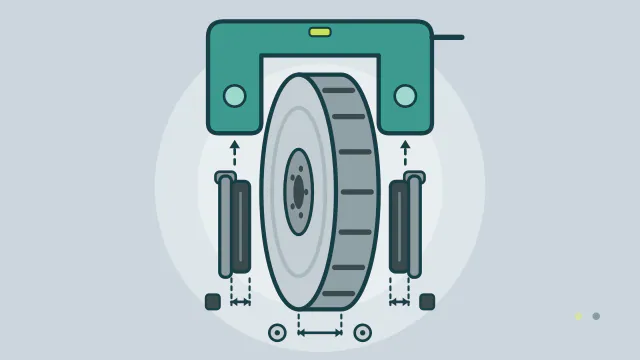
Brake Pads vs Brake Rotors: Differences
Learn how brake pads and rotors differ in job, wear and inspection, using Car Care Council guidance, a Kia owner's manual and Department of Energy brake notes.
Read guide ↗
Brake Squeal vs Brake Grinding
Compare brake squeal and brake grinding: what each noise can mean, why grinding is the more urgent warning, and what to record before a shop visit.
Read guide ↗
How Long Do Brake Pads Last?
Brake pad life has no universal mileage. Learn what changes wear, what a manual and shop inspection can tell you, and how to track your own pads.
Read guide ↗
How to Check Tire Tread Depth
Check tire tread depth with the penny test, the built-in wear bars or a gauge, measure several spots on each tire, and know when NHTSA says to replace it.
Read guide ↗
How to Read Tire Size Numbers
Decode a tire size such as P215/55R17 94V part by part, work out sidewall height from width and aspect ratio, and learn where to find the size your car needs.
Read guide ↗
How to Read Wheel Bolt Patterns
Learn how a wheel bolt pattern pairs lug count with circle diameter, how to check it with simple arithmetic, and why fitment needs more than a match.
Read guide ↗
How to Recognize Brake Fluid Problems
Learn the signs of brake fluid trouble, from a sinking pedal and warning lights to a falling reservoir level, and when to stop driving and call a technician.
Read guide ↗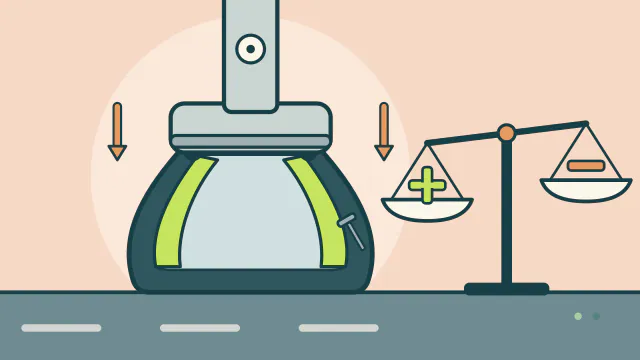
Run-Flat Tires: Pros and Cons
Learn what run-flat tires are, the benefits and limits two owner's manuals describe, why TPMS matters, and what the manuals say about repair and replacement.
Read guide ↗
Steel Wheels vs Alloy Wheels
Compare steel and alloy wheels on weight, care, corrosion, TPMS and lug nut fit, using owner's manual statements and clearly labelled reasoning.
Read guide ↗
Tire Pressure: Door Sticker vs Sidewall Maximum
The doorjamb tire placard shows the vehicle maker's recommended cold tire pressure; the number molded on the tire sidewall is a different maximum-pressure marking.
Read guide ↗
Tire Rotation Patterns Explained
Learn how forward cross and rearward cross patterns move your tires, how drivetrain, spare and directional tires change the plan, and where to confirm yours.
Read guide ↗
Touring vs Performance Tires
Learn how touring and performance tires differ, what the federal treadwear, traction and temperature grades do and do not tell you, and how to choose.
Read guide ↗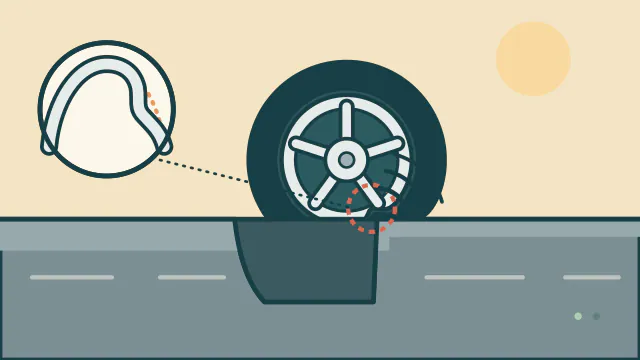
What Causes a Bent Wheel?
Learn what bends a wheel, the symptoms to watch for and why manuals and NHTSA say to inspect after a pothole or curb hit, with alignment and balance explained.
Read guide ↗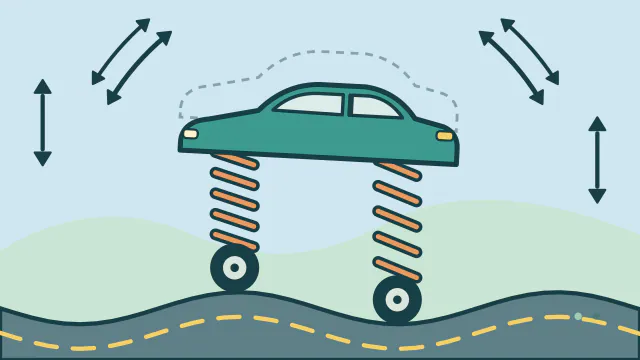
What Causes a Car to Bounce Excessively?
Learn what makes a car bounce: worn shocks or struts, tire pressure, heavy loads and damaged springs, with the FTC bounce test and a Pennsylvania rule.
Read guide ↗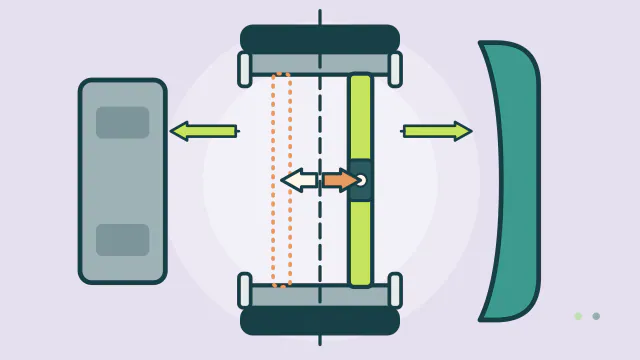
What Does Wheel Offset Mean?
Learn what wheel offset means, how positive, zero and negative offset change wheel position, and how to check fitment with your manual before changing wheels.
Read guide ↗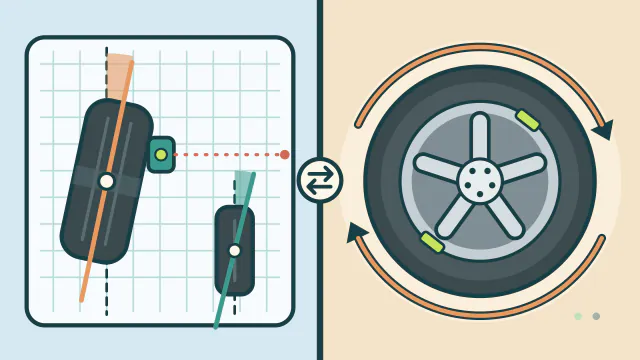
Wheel Alignment vs Wheel Balancing
Learn how wheel alignment (camber, caster, toe) differs from wheel balancing, which symptoms point to each, and what to ask a shop before paying.
Read guide ↗
Wheel Bearing Noise: How to Recognize It
Learn how to recognize wheel bearing noise by ruling out tires, brakes and loose wheel parts first, and what shops and manuals say they check at the wheel end.
Read guide ↗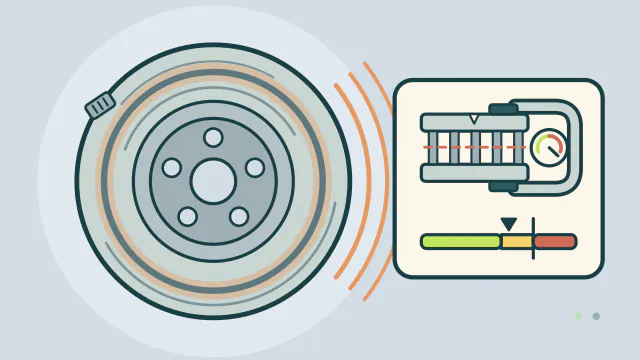
When Do Brake Rotors Need Replacement?
Learn what decides rotor replacement: the minimum thickness set by the maker, scoring, pulsation and rust, using Pennsylvania's inspection rule and manuals.
Read guide ↗
Why Tires Wear Unevenly
Four tires never do the same work. See how drive torque, braking, cornering, pressure, alignment and rotation shape tread wear, and which check comes first.
Read guide ↗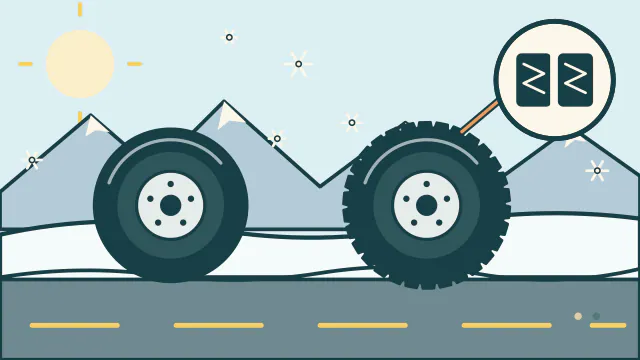
Winter Tires vs All-Season Tires
Compare winter and all-season tires using NHTSA, fueleconomy.gov and manual guidance: compounds, tread, M+S and snowflake markings, pressure and fitting rules.
Read guide ↗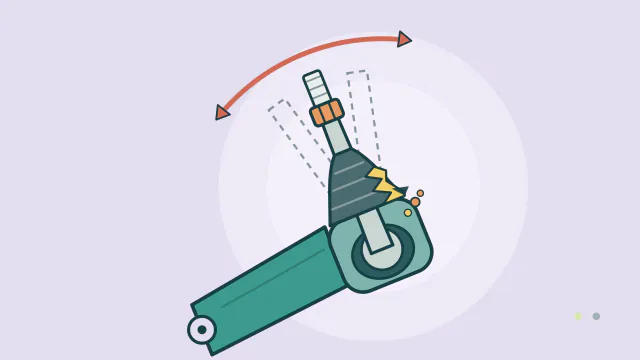
Worn Ball Joint Warning Signs
Learn the warning signs of a worn ball joint, from wandering steering to cracked boots, using FTC, Kia, Ford, Pennsylvania and NHTSA sources.
Read guide ↗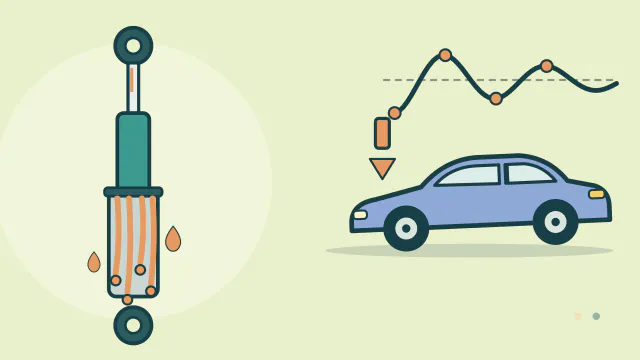
Worn Shock Absorber Symptoms
Learn the symptoms of worn shock absorbers, from leaks and rocking to clunks and tire wear, using FTC, Pennsylvania, Ford and Car Care Council sources.
Read guide ↗US State and Regional Automotive Guides

Alabama Car Title Transfer Requirements
Prepare an Alabama title assignment, confirm the age exemption and use a designated agent without confusing VIN inspection with annual testing.
Read guide ↗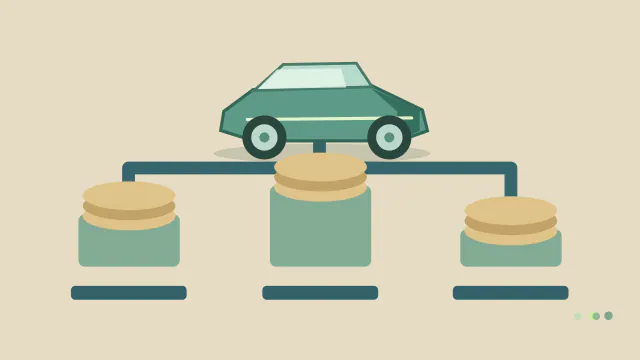
Alabama Vehicle Taxes and Fees: What Applies?
Separate Alabama casual sales tax, annual ad valorem tax and registration charges before estimating the amount due at the county office.
Read guide ↗
Alaska Car Title Transfer Requirements
Use Alaska’s current V1 application, assigned ownership document and lien evidence to transfer a purchased car within the title deadline.
Read guide ↗
Alaska Vehicle Taxes and Fees: What Applies?
Estimate Alaska title, registration and municipal motor vehicle tax costs while checking local sales tax and permanent-registration eligibility.
Read guide ↗
Arizona Car Title Transfer Requirements
Transfer an Arizona title through eligible eTitle or an MVD office using the correct assignment, lien release and 15-day deadline.
Read guide ↗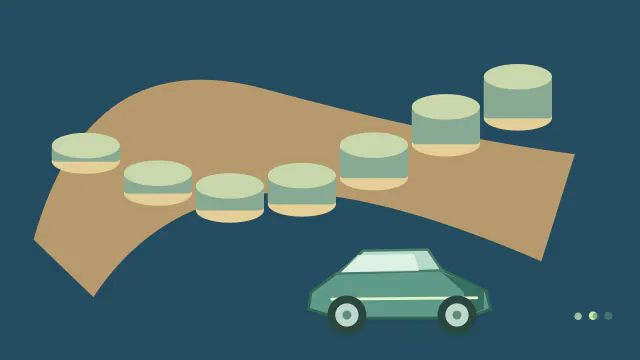
Arizona Vehicle Taxes and Fees: What Applies?
Distinguish Arizona vehicle license tax from purchase tax and estimate registration charges using vehicle value, age and transaction type.
Read guide ↗
Arkansas Car Title Transfer Requirements
Prepare an Arkansas title transfer with assigned ownership evidence, county tax records, insurance and any branded-title VIN verification.
Read guide ↗
Arkansas Vehicle Taxes and Fees: What Applies?
Understand Arkansas used-car tax brackets, local tax and separate title, registration and county property-tax requirements.
Read guide ↗
Buying a Car in a Snowy Climate: What to Check
A snow-country used-car checklist covering tire tread and age, battery health, block heaters, salt damage and a genuine cold start.
Read guide ↗
California Car Title Transfer Requirements
Handle a California private-party title transfer with the buyer and seller deadlines, signatures, lien release and applicable Smog Check.
Read guide ↗
California Vehicle Taxes and Fees: What Applies?
Estimate California purchase tax and DMV charges using the registration address, transaction value and current fee calculator rather than a flat total.
Read guide ↗
Car Buying in Rural Areas vs Large Cities
Rural and city car buying differ in inventory, travel for inspection and service, registration timing and charging access. Compare the real total.
Read guide ↗
Car Sales Tax vs Vehicle Excise Tax
Separate one-time sales tax, annual excise tax and Georgia's title tax, and see why a trade-in changes the taxable base in some states.
Read guide ↗
Charging an EV in an Apartment Under HOA Rules
A practical path for renters and condo owners who want EV charging, from state right-to-charge rules to HOA approval, metering and cost sharing.
Read guide ↗
Colorado Car Title Transfer Requirements
Transfer a Colorado title through the county office with the correct endorsements, mileage disclosure, lien evidence and applicable emissions record.
Read guide ↗
Colorado Vehicle Taxes and Fees: What Applies?
Break Colorado vehicle costs into purchase tax, annual specific ownership tax, registration fees and current surcharges.
Read guide ↗
Connecticut Car Title Transfer Requirements
Prepare Connecticut ownership-transfer evidence, identify the title-age rule and separate family or gift exemptions from registration compliance.
Read guide ↗
Connecticut Vehicle Taxes and Fees: What Applies?
Estimate Connecticut vehicle sales or use tax, current DMV fee components and separate municipal property-tax obligations.
Read guide ↗
Cross-State Road Trips: Vehicle and Toll Preparation
Prepare a car for a multi-state trip by checking toll transponder coverage, registration and inspection status, and state equipment rules.
Read guide ↗
Delaware Car Title Transfer Requirements
Complete a Delaware title transfer with the correct title sections, co-owner signatures, insurance, residency evidence and 30-day timing.
Read guide ↗
Delaware Vehicle Taxes and Fees: What Applies?
Understand Delaware’s 5.25% vehicle document fee, registration charges, alternative-fuel additions and possible replacement-vehicle credits.
Read guide ↗
District of Columbia Car Title Transfer Requirements
Transfer a Washington, DC car title with original ownership evidence, correct owner signatures, insurance and current excise-tax treatment.
Read guide ↗
District of Columbia Vehicle Taxes and Fees: What Applies?
Understand DC vehicle excise tax, registration, title and payment fees before buying a car or transferring an out-of-state vehicle.
Read guide ↗
Does Alabama Require Vehicle Emissions or Safety Inspections?
Understand Alabama’s lack of registration emissions testing and the separate VIN checks that can apply to first titles and exempt vehicles.
Read guide ↗
Does Alaska Require Vehicle Emissions or Safety Inspections?
Distinguish Alaska’s discontinued emissions programs from reconstructed-vehicle identity checks and inspections for commercial or rideshare use.
Read guide ↗
Does Arizona Require Vehicle Emissions or Safety Inspections?
Check Arizona emissions areas and exemptions without confusing a VIN verification with a periodic safety inspection.
Read guide ↗
Does Arkansas Require Vehicle Emissions or Safety Inspections?
Distinguish Arkansas’s repealed periodic safety inspection from branded-title VIN verification and ordinary registration requirements.
Read guide ↗
Does California Require Vehicle Emissions or Safety Inspections?
Use California’s Smog Check age and fuel rules correctly and distinguish routine emissions testing from revived-salvage safety certification.
Read guide ↗
Does Colorado Require Vehicle Emissions or Safety Inspections?
Check Colorado gasoline and diesel emissions areas, the 2026 model-year matrix and the separate standard or certified VIN procedures.
Read guide ↗
Does Connecticut Require Vehicle Emissions or Safety Inspections?
Distinguish Connecticut’s biennial emissions program from ordinary safety inspections, VIN verification and salvage-vehicle requirements.
Read guide ↗
Does Delaware Require Vehicle Emissions or Safety Inspections?
Apply Delaware’s current model-year inspection exemptions while distinguishing safety, emissions and mandatory VIN verification for qualifying incoming vehicles.
Read guide ↗
Does District of Columbia Require Vehicle Emissions or Safety Inspections?
District of Columbia vehicle inspection guidance, documents to check, and official agency resources before a purchase or move.
Read guide ↗
Does Florida Require Vehicle Emissions or Safety Inspections?
Florida vehicle inspection guidance, documents to check, and official agency resources before a purchase or move.
Read guide ↗
Does Georgia Require Vehicle Emissions or Safety Inspections?
Georgia vehicle inspection guidance, documents to check, and official agency resources before a purchase or move.
Read guide ↗
Does Hawaii Require Vehicle Emissions or Safety Inspections?
Hawaii vehicle inspection guidance, documents to check, and official agency resources before a purchase or move.
Read guide ↗
Does Idaho Require Vehicle Emissions or Safety Inspections?
Idaho vehicle inspection guidance, documents to check, and official agency resources before a purchase or move.
Read guide ↗
Does Illinois Require Vehicle Emissions or Safety Inspections?
Illinois vehicle inspection guidance, documents to check, and official agency resources before a purchase or move.
Read guide ↗
Does Indiana Require Vehicle Emissions or Safety Inspections?
A Indiana vehicle inspection guide for ownership paperwork, costs, local differences and where to verify official requirements.
Read guide ↗
Does Iowa Require Vehicle Emissions or Safety Inspections?
A Iowa vehicle inspection guide for ownership paperwork, costs, local differences and where to verify official requirements.
Read guide ↗
Does Kansas Require Vehicle Emissions or Safety Inspections?
A Kansas vehicle inspection guide for ownership paperwork, costs, local differences and where to verify official requirements.
Read guide ↗
Driving From the US Into Mexico: Insurance Basics
Understand Mexican liability insurance, temporary vehicle import permits and the documents U.S. drivers need before crossing into Mexico.
Read guide ↗
Driving Your US Car Into Canada: Documents to Check
Check the passport, licence, registration and insurance papers a US driver needs for a temporary car trip into Canada, and when an import form applies.
Read guide ↗
EV Charging Planning for Rural US Drivers
A planning method for rural EV owners: size home charging first, map fast chargers for longer trips, and budget range for cold weather and detours.
Read guide ↗
Florida Car Title Transfer Requirements
Florida vehicle ownership transfer guidance, documents to check, and official agency resources before a purchase or move.
Read guide ↗
Florida Vehicle Taxes and Fees: What Applies?
Florida vehicle tax and government fee guidance, documents to check, and official agency resources before a purchase or move.
Read guide ↗
Georgia Car Title Transfer Requirements
Georgia vehicle ownership transfer guidance, documents to check, and official agency resources before a purchase or move.
Read guide ↗
Georgia Vehicle Taxes and Fees: What Applies?
Georgia vehicle tax and government fee guidance, documents to check, and official agency resources before a purchase or move.
Read guide ↗
Hawaii Car Title Transfer Requirements
Hawaii vehicle ownership transfer guidance, documents to check, and official agency resources before a purchase or move.
Read guide ↗
Hawaii Vehicle Taxes and Fees: What Applies?
Hawaii vehicle tax and government fee guidance, documents to check, and official agency resources before a purchase or move.
Read guide ↗
How Dealer Fees Differ by State
Compare dealer documentation fee rules in California, New York, Maryland, Minnesota, Texas and Florida, with caps and disclosure requirements.
Read guide ↗
How to Check State Vehicle Emissions Requirements
Find the state or local program that runs emissions testing, then confirm the rule for your county, model year, fuel type and registration transaction.
Read guide ↗
How to Check Whether Your State Requires Vehicle Inspections
A research method for finding your state's safety, emissions and VIN inspection rules, with verified Virginia, California and New York examples.
Read guide ↗
How to Register a Car in Alabama
Follow Alabama’s county registration process with the correct purchase or relocation deadline, ownership records and insurance evidence.
Read guide ↗
How to Register a Car in Alaska
Register a passenger car in Alaska using the current application, correct entry or purchase deadline and location-specific fee estimate.
Read guide ↗
How to Register a Car in Arizona
Complete Arizona private-car registration using ownership evidence, emissions compliance where applicable and the correct temporary operating permission.
Read guide ↗
How to Register a Car in Arkansas
Register a passenger car in Arkansas with current 60-day timing, county assessment, insurance and the correct ownership documents.
Read guide ↗
How to Register a Car in California
Register a car in California using the correct purchase or relocation deadline, ownership evidence, VIN verification and Smog Check rules.
Read guide ↗
How to Register a Car in Colorado
Register a Colorado passenger car through the county using the correct 60-day purchase or 90-day residency deadline and applicable testing records.
Read guide ↗
How to Register a Car in Connecticut
Register a Connecticut passenger car after resolving compliance holds and preparing ownership, insurance, H-13B and applicable emissions or VIN evidence.
Read guide ↗
How to Register a Car in Delaware
Register a Delaware passenger car with insurance, ownership documents, the correct purchase or residency timing and current inspection or VIN evidence.
Read guide ↗
How to Register a Car in District of Columbia
District of Columbia vehicle registration guidance, documents to check, and official agency resources before a purchase or move.
Read guide ↗
How to Register a Car in Florida
Florida vehicle registration guidance, documents to check, and official agency resources before a purchase or move.
Read guide ↗
How to Register a Car in Georgia
Georgia vehicle registration guidance, documents to check, and official agency resources before a purchase or move.
Read guide ↗
How to Register a Car in Hawaii
Hawaii vehicle registration guidance, documents to check, and official agency resources before a purchase or move.
Read guide ↗
How to Register a Car in Idaho
Idaho vehicle registration guidance, documents to check, and official agency resources before a purchase or move.
Read guide ↗
How to Register a Car in Illinois
A Illinois vehicle registration guide for ownership paperwork, costs, local differences and where to verify official requirements.
Read guide ↗
How to Register a Car in Indiana
A Indiana vehicle registration guide for ownership paperwork, costs, local differences and where to verify official requirements.
Read guide ↗
How to Register a Car in Iowa
A Iowa vehicle registration guide for ownership paperwork, costs, local differences and where to verify official requirements.
Read guide ↗
How to Register a Car in Kansas
A Kansas vehicle registration guide for ownership paperwork, costs, local differences and where to verify official requirements.
Read guide ↗
How to Register a Car in Kentucky
Register a Kentucky car with the county clerk: the 10-day new-resident rule, 15-day title transfer, sheriff inspection and insurance proof.
Read guide ↗
How to Register a Car in Louisiana
Register a Louisiana vehicle with OMV: the 40-day purchase filing, 30-day new-resident rule, 15/30/25 insurance and itemized title fees.
Read guide ↗
How to Register a Car in Maine
Register a Maine car at the town office and BMV: the 30-day new-resident rule, excise tax, 5.5% sales tax and annual inspection.
Read guide ↗
How to Register a Car in Maryland
Title and register a Maryland car within 60 days of moving: safety inspection, 30/60/15 insurance, MVA fees and renewal rules.
Read guide ↗
How to Register a Car in Massachusetts
Walk through Massachusetts registration with the RMV, from the insurance-stamped application and title fee to the seven-day inspection rule.
Read guide ↗
How to Register a Car in Michigan
Use Michigan's 15-day title rule, no-fault insurance proof and Secretary of State fee schedule to register a car without a wasted office trip.
Read guide ↗
How to Register a Car in Minnesota
Minnesota's 60-day new-resident window, deputy registrar paperwork, no-fault insurance rule and published title and plate fees explained.
Read guide ↗
How to Register a Car in Mississippi
Mississippi's 30-business-day purchase rule, county tax collector steps, title paperwork and 25/50/25 insurance minimum explained.
Read guide ↗
How to Register a Car in Missouri
Follow Missouri's 30-day purchase and residency deadlines, the documents a license office needs, inspection rules and plate renewal requirements.
Read guide ↗
How to Register a Car in Montana
Use a Montana county treasurer to title and register in one visit, with the 40-day sale deadline, 60-day residency rule and insurance limits explained.
Read guide ↗
How to Register a Car in Nebraska
Title and register at your Nebraska county office within 30 days, with the sheriff's inspection, insurance proof, fees and renewal rules explained.
Read guide ↗
How to Register a Car in Nevada
Register a Nevada vehicle within 30 days, using a Nevada insurance policy, VIN inspection, county emissions test and the state's fee rules.
Read guide ↗
How to Register a Car in Ohio
Follow Ohio's two-office process: convert the out-of-state title, then register at a deputy registrar within 30 days of establishing residency.
Read guide ↗
How to Register a Car in Oklahoma
Use Service Oklahoma or a licensed operator to title and register a car, with 30 days for new residents and two months after a purchase.
Read guide ↗
How to Register a Car in Oregon
Title and register an Oregon car in one DMV transaction, with 30-day deadlines, DEQ testing in two regions and fees set by the car's MPG rating.
Read guide ↗
How to Register a Car in Pennsylvania
Apply for Pennsylvania title and registration within 20 days through an authorized agent, then complete the safety inspection within 10 days.
Read guide ↗
How to Register a Car in Tennessee
A Tennessee registration guide to the county clerk process, the 30-day new-resident rule, title papers, insurance, taxes and annual renewal.
Read guide ↗
How to Register a Car in Texas
A Texas registration guide to the 30-day new-resident rule, county tax offices, title transfer, insurance, inspection, fees and renewal.
Read guide ↗
How to Register a Car in Utah
A Utah registration guide to the 60-day new-resident window, title and VIN checks, insurance, county emissions tests, fees and renewal.
Read guide ↗
How to Register a Car in Vermont
A Vermont registration guide to the 60-day move rule, title and tax paperwork, insurance, the annual safety inspection, fees and renewal.
Read guide ↗
How to Register a Car in Virginia
Virginia gives new residents 30 days to title and register a car, with insurance, safety inspection and local sticker steps that must line up.
Read guide ↗
How to Register a Car in Washington
Washington ties vehicle registration to a 30-day new-resident window and a 15-day purchase window, with title, insurance and emission rules of its own.
Read guide ↗
How to Register a Car in Wisconsin
Wisconsin titles and registers a car when residency begins, then requires plates within two business days of a purchase and emission tests in seven counties.
Read guide ↗
How to Register a Car in Wyoming
Wyoming splits titling and registration between two county offices, with a VIN inspection, proof of insurance and a registration deadline tied to residency.
Read guide ↗
How to Research Car Insurance Minimums by State
Learn how to separate bodily injury, property damage, PIP and no-fault rules, with verified minimums for California and Florida.
Read guide ↗
How to Research Car Registration Rules by State
Use the state agency for the address where the car is kept, then read the page for your exact transaction instead of a general registration summary.
Read guide ↗
How to Research Local EV Incentives
A step-by-step method for checking federal, state, utility and local EV incentives, with worked examples for Colorado and Texas.
Read guide ↗
How to Research Vehicle Rust in Road-Salt States
Research rust in road-salt states using inspection rules, state salt data and a structured underbody check before you buy a used car.
Read guide ↗
How to Transport a Car Between States
Check an auto transporter's federal authority, tell a broker from a carrier, compare open and enclosed service and protect the car with a bill of lading.
Read guide ↗
How to Verify a State DMV Website
Check a DMV site by starting from an official directory, reading the domain and agency name, and treating HTTPS as encryption rather than proof of ownership.
Read guide ↗
How Utility Time-of-Use Rates Affect EV Charging
Understand how utility time-of-use periods, whole-house versus EV-only rates and managed charging programs change when and what you pay to charge.
Read guide ↗
Idaho Car Title Transfer Requirements
Idaho vehicle ownership transfer guidance, documents to check, and official agency resources before a purchase or move.
Read guide ↗
Idaho Vehicle Taxes and Fees: What Applies?
Idaho vehicle tax and government fee guidance, documents to check, and official agency resources before a purchase or move.
Read guide ↗
Illinois Car Title Transfer Requirements
Illinois vehicle ownership transfer guidance, documents to check, and official agency resources before a purchase or move.
Read guide ↗
Illinois Vehicle Taxes and Fees: What Applies?
A Illinois vehicle tax guide for ownership paperwork, costs, local differences and where to verify official requirements.
Read guide ↗
Indiana Car Title Transfer Requirements
A Indiana vehicle title guide for ownership paperwork, costs, local differences and where to verify official requirements.
Read guide ↗
Indiana Vehicle Taxes and Fees: What Applies?
A Indiana vehicle tax guide for ownership paperwork, costs, local differences and where to verify official requirements.
Read guide ↗
Iowa Car Title Transfer Requirements
A Iowa vehicle title guide for ownership paperwork, costs, local differences and where to verify official requirements.
Read guide ↗
Iowa Vehicle Taxes and Fees: What Applies?
A Iowa vehicle tax guide for ownership paperwork, costs, local differences and where to verify official requirements.
Read guide ↗
Kentucky Car Title Transfer Requirements
How to check Kentucky ownership papers, title assignments, liens and filing steps using current Kentucky Transportation Cabinet and county clerk guidance.
Read guide ↗
Louisiana Car Title Transfer Requirements
How to check Louisiana ownership papers, title assignments, liens and filing steps using current Louisiana Office of Motor Vehicles guidance.
Read guide ↗
Maine Car Title Transfer Requirements
How to check Maine ownership papers, title assignments, liens and filing steps using current Maine Bureau of Motor Vehicles guidance.
Read guide ↗
Maryland Car Title Transfer Requirements
How to check Maryland ownership papers, title assignments, liens and filing steps using current Maryland Motor Vehicle Administration guidance.
Read guide ↗
Massachusetts Car Title Transfer Requirements
How to check Massachusetts ownership papers, title assignments, liens and filing steps using current Massachusetts Registry of Motor Vehicles guidance.
Read guide ↗
Michigan Car Title Transfer Requirements
How to check Michigan ownership papers, title assignments, liens and filing steps using current Michigan Secretary of State guidance.
Read guide ↗
Minnesota Car Title Transfer Requirements
How to check Minnesota ownership papers, title assignments, liens and filing steps using current Minnesota Driver and Vehicle Services guidance.
Read guide ↗
Mississippi Car Title Transfer Requirements
How to check Mississippi ownership papers, title assignments, liens and filing steps using current Mississippi Department of Revenue guidance.
Read guide ↗
Missouri Car Title Transfer Requirements
How to check Missouri ownership papers, title assignments, liens and filing steps using current Missouri Department of Revenue guidance.
Read guide ↗
Montana Car Title Transfer Requirements
How to check Montana ownership papers, title assignments, liens and filing steps using current Montana Motor Vehicle Division guidance.
Read guide ↗
Nebraska Car Title Transfer Requirements
How to check Nebraska ownership papers, title assignments, liens and filing steps using current Nebraska Department of Motor Vehicles guidance.
Read guide ↗
Nevada Car Title Transfer Requirements
How to check Nevada ownership papers, title assignments, liens and filing steps using current Nevada Department of Motor Vehicles guidance.
Read guide ↗
New Hampshire Car Title Transfer Requirements
How to check New Hampshire ownership papers, title assignments, liens and filing steps using current New Hampshire Division of Motor Vehicles guidance.
Read guide ↗
New Jersey Car Title Transfer Requirements
How to check New Jersey ownership papers, title assignments, liens and filing steps using current New Jersey Motor Vehicle Commission guidance.
Read guide ↗
New Mexico Car Title Transfer Requirements
How to check New Mexico ownership papers, title assignments, liens and filing steps using current New Mexico Motor Vehicle Division guidance.
Read guide ↗
New York Car Title Transfer Requirements
How to check New York ownership papers, title assignments, liens and filing steps using current New York Department of Motor Vehicles guidance.
Read guide ↗
North Carolina Car Title Transfer Requirements
How to check North Carolina ownership papers, title assignments, liens and filing steps using current North Carolina Division of Motor Vehicles guidance.
Read guide ↗
North Dakota Car Title Transfer Requirements
How to check North Dakota ownership papers, title assignments, liens and filing steps using current North Dakota Department of Transportation guidance.
Read guide ↗
Ohio Car Title Transfer Requirements
How to check Ohio ownership papers, title assignments, liens and filing steps using current Ohio Bureau of Motor Vehicles guidance.
Read guide ↗
Oklahoma Car Title Transfer Requirements
How to check Oklahoma ownership papers, title assignments, liens and filing steps using current Service Oklahoma guidance.
Read guide ↗
Oregon Car Title Transfer Requirements
How to check Oregon ownership papers, title assignments, liens and filing steps using current Oregon Driver and Motor Vehicle Services guidance.
Read guide ↗
Pennsylvania Car Title Transfer Requirements
How to check Pennsylvania ownership papers, title assignments, liens and filing steps using current Pennsylvania Department of Transportation guidance.
Read guide ↗
Rhode Island Car Title Transfer Requirements
How to check Rhode Island ownership papers, title assignments, liens and filing steps using current Rhode Island Division of Motor Vehicles guidance.
Read guide ↗
South Carolina Car Title Transfer Requirements
How to check South Carolina ownership papers, title assignments, liens and filing steps using current South Carolina Department of Motor Vehicles guidance.
Read guide ↗
South Dakota Car Title Transfer Requirements
How to check South Dakota ownership papers, title assignments, liens and filing steps using current South Dakota Department of Revenue and county treasurer guidance.
Read guide ↗
State Lemon Laws: Where to Find the Official Rules
Find the state agency, statute and arbitration program behind each lemon law, and learn what to check before counting repairs.
Read guide ↗
Temporary Registration Rules: State-by-State Research Guide
Compare temporary tag, trip permit and transit permit rules in Texas, California, Florida and Washington before driving a newly bought car.
Read guide ↗
Tennessee Car Title Transfer Requirements
How to check Tennessee ownership papers, title assignments, liens and filing steps using current Tennessee county clerk vehicle services guidance.
Read guide ↗
Texas Car Title Transfer Requirements
How to check Texas ownership papers, title assignments, liens and filing steps using current Texas Department of Motor Vehicles and county tax office guidance.
Read guide ↗
Utah Car Title Transfer Requirements
How to check Utah ownership papers, title assignments, liens and filing steps using current Utah DMV guidance.
Read guide ↗
Vermont Car Title Transfer Requirements
How to check Vermont ownership papers, title assignments, liens and filing steps using current Vermont Department of Motor Vehicles guidance.
Read guide ↗
Virginia Car Title Transfer Requirements
How to check Virginia ownership papers, title assignments, liens and filing steps using current Virginia Department of Motor Vehicles guidance.
Read guide ↗
Washington Car Title Transfer Requirements
How to check Washington ownership papers, title assignments, liens and filing steps using current Washington State Department of Licensing guidance.
Read guide ↗
West Virginia Car Title Transfer Requirements
How to check West Virginia ownership papers, title assignments, liens and filing steps using current West Virginia Division of Motor Vehicles guidance.
Read guide ↗
What to Know About Moving With a Financed Car
Understand what a car loan changes when you move states, from notifying the lender and transferring the lien to the paperwork your new DMV may request.
Read guide ↗
Why Vehicle Title Rules Differ Across States
Learn why state title brands, notary rules, electronic titles and inspection steps differ, and how to check the rules for one vehicle.
Read guide ↗
Wisconsin Car Title Transfer Requirements
How to check Wisconsin ownership papers, title assignments, liens and filing steps using current Wisconsin Department of Transportation guidance.
Read guide ↗
Wyoming Car Title Transfer Requirements
How to check Wyoming ownership papers, title assignments, liens and filing steps using current Wyoming Department of Transportation and county clerk guidance.
Read guide ↗Used Cars

Buying a Used Car From Another State
An interstate used-car purchase requires independent condition checks and registration planning. Practical US-specific steps to make a better-informed decision.
Read guide ↗
FTC Used Car Buyers Guide Explained
The FTC Buyers Guide provides important used-car warranty disclosures at covered dealerships. Practical US-specific steps to make a better-informed decision.
Read guide ↗
How Old Is Too Old for a Used Car?
How to judge whether a used car is too old by its service records, rust, driving condition, recalls, parts availability and full repair budget instead of age alone.
Read guide ↗
How to Avoid Curbstoning and Title-Washing Scams
Curbstoning conceals commercial selling activity while title washing may obscure prior title brands. Practical US-specific steps to make a better-informed decision.
Read guide ↗
How to Buy a Used Car From a Private Seller
Private-party purchases require extra care with ownership, payment and condition. Practical US-specific steps to make a better-informed decision.
Read guide ↗
How to Buy a Used EV Safely
A used EV assessment should include battery condition, charging behavior and software or warranty eligibility. Practical US-specific steps to make a better-informed decision.
Read guide ↗
How to Check a Used Car for Flood Damage
Flood damage may leave lasting electrical, corrosion and safety problems even after cleaning. Practical US-specific steps to make a better-informed decision.
Read guide ↗
How to Check for Hidden Body Repairs
Uneven body gaps and paint texture can indicate previous panel repair or replacement. Practical US-specific steps to make a better-informed decision.
Read guide ↗
How to Inspect Tires on a Used Car
Tires reveal immediate safety needs and sometimes alignment or suspension issues. Practical US-specific steps to make a better-informed decision.
Read guide ↗
How to Read a Vehicle History Report
A vehicle history report compiles recorded events and is not a complete mechanical diagnosis. Practical US-specific steps to make a better-informed decision.
Read guide ↗
How to Spot Odometer Rollback Warning Signs
Odometer discrepancies require corroboration from recorded mileages and vehicle wear. Practical US-specific steps to make a better-informed decision.
Read guide ↗
Is a High-Mileage Used Car Worth Buying?
Mileage alone is less informative than condition, service history and usage pattern. Practical US-specific steps to make a better-informed decision.
Read guide ↗
Pre-Purchase Inspection: What a Mechanic Should Check
Pre-Purchase Inspection: What a Mechanic Should Check: important differences, practical checks, limitations and safe next steps for US motorists.
Read guide ↗
Private Seller vs Used Car Dealer: Which Is Safer?
Compare the protections, inspection risks, price transparency and paperwork when buying a used car from a private seller versus a licensed US car dealer.
Read guide ↗
Salvage Title vs Rebuilt Title Explained
Salvage and rebuilt title classifications vary by state and indicate different administrative stages. Practical US-specific steps to make a better-informed decision.
Read guide ↗
Used Car Buying Checklist for US Buyers
A used vehicle can be good value, but its history, condition and ownership documents matter more than the advertised mileage alone. This checklist helps you organize the inspection and paperwork.
Read guide ↗
Used Car Purchase Checklist for First-Time Buyers
First-time buyers benefit from a written budget, history checks and an independent mechanical inspection. Practical US-specific steps to make a better-informed decision.
Read guide ↗
Used Car Test Drive Checklist
A structured test drive checks normal operation while leaving mechanical diagnosis to professionals. Practical US-specific steps to make a better-informed decision.
Read guide ↗
Used Car Warranty vs Service Contract
A written warranty and an optional service contract have different providers, obligations, prices and cancellation terms. Practical consumer guidance for US used-car buyers.
Read guide ↗
What Dashboard Warning Lights Mean During a Used-Car Inspection
Inspect warning lamps during a used-car test drive, verify the ignition bulb check, and investigate persistent ABS, airbag, engine or tire alerts.
Read guide ↗
What Does As-Is Mean on a Used Car?
An as-is used-car sale generally shifts many repair risks to the buyer, but applicable state rules and misrepresentation protections can still matter. Practical consumer guidance for US used-car buyers.
Read guide ↗
What Is a Certified Pre-Owned Car?
A certified pre-owned vehicle is a used vehicle offered with an inspection and program benefits defined by a manufacturer or dealer. Programs are not interchangeable.
Read guide ↗
What to Do If a Used Car Develops Problems After Purchase
If a recently bought car develops a fault, next steps depend on its written warranty, sale type, timing and applicable state law. Practical consumer guidance for US used-car buyers.
Read guide ↗
What to Know Before Buying at a Car Auction
Auction purchases may have limited inspections, variable fees and strict payment timelines. Practical US-specific steps to make a better-informed decision.
Read guide ↗
Why a Clean Vehicle History Report Is Not Enough
Some accidents, repairs and maintenance events are never reported to databases. Practical US-specific steps to make a better-informed decision.
Read guide ↗Vehicle Registration and US Legal Guides
Are Aftermarket Exhaust Modifications Legal?
See how federal emissions law, state noise rules and inspection checks apply to cat-back systems, muffler swaps and louder exhausts.
Read guide ↗
Car Lemon Laws: Why State Rules Matter
State lemon laws differ on new and used cars, mileage limits, repair attempts and arbitration, and a defect may qualify in one state but not another.
Read guide ↗
Car Title vs Vehicle Registration: What's the Difference?
A title proves who owns a car and a registration gives it permission to be driven. Compare what each document shows and who holds it.
Read guide ↗
Emissions Testing When Moving States
Confirm whether your destination state or county requires emissions testing before registration, which vehicles are exempt and which official stations accept them.
Read guide ↗
Federal Used Car Rule Explained
The federal Used Car Rule requires dealers to display a Buyers Guide, disclose as-is or warranty status and make the form part of the contract.
Read guide ↗
How to Check Whether a Vehicle Is Road-Legal
Check road legality in layers: title and VIN history, registration and insurance, inspection and emissions, safety equipment and open recalls.
Read guide ↗
How to File a Vehicle Safety Complaint With NHTSA
Walk through the NHTSA complaint process, from VIN and repair records to the online form or hotline, and see what happens to a report after you submit it.
Read guide ↗
How to Handle a Car Registration Suspension
Learn why states suspend a vehicle registration, how to read the notice, and the proof and fees needed to restore it.
Read guide ↗
How to Handle an Out-of-State Lienholder
Work out whether the lender holds a paper or electronic title, which documents your new state accepts, and how to get the lien recorded or released.
Read guide ↗
How to Register a Car After Buying It
Register a newly bought car by using the signed title, bill of sale, insurance and inspection, then filing for title and plates in your state.
Read guide ↗
How to Register a Car Bought Out of State
Register a car bought in another state by transferring the title, paying your home state's tax, passing its inspection and filing before the deadline.
Read guide ↗
How to Replace a Lost Car Title
Replace a lost car title by applying to the issuing state DMV with photo ID and its duplicate-title form, after checking any lien on the record.
Read guide ↗
How to Report the Sale of a Car to Your State DMV
Learn why a seller report protects you after a car sale, which forms states use, and the deadlines that keep liability from following you.
Read guide ↗
How to Spot Auto Dealer Contract Fraud
Learn the contract warning signs that matter, including blank fields, changed loan terms, spot delivery and surprise add-ons, plus where to report a problem.
Read guide ↗
How to Transfer a Vehicle Title
Transfer a vehicle title by checking the ownership document, matching names and VIN, clearing liens and filing with the buyer's state agency on time.
Read guide ↗
License Plate Renewal vs Registration Renewal
Understand why plate renewal and registration renewal are usually the same transaction, and when a state actually requires a new plate.
Read guide ↗
Temporary Tags Explained
See what a temporary tag authorizes, how in-state and out-of-state permits differ, who issues them and what misuse can cost in Texas, New York and California.
Read guide ↗
US Window Tint Laws: What Varies by State?
Compare how four states set window tint limits, measure VLT, treat the AS-1 line and handle medical exemptions, and learn to check any state.
Read guide ↗
Vehicle Registration Renewal Checklist
Work through the renewal notice, insurance, inspection, address and payment checks before choosing an online, mail or in-person renewal.
Read guide ↗
What Is a Lien Release on a Car Title?
Learn what a lien release shows, how paper and electronic titles record it, and what to check before buying or selling a financed car.
Read guide ↗
What to Do When a Dealer Won't Honor a Warranty
Use the warranty document, a written denial and a clear escalation path when a dealer refuses a repair that the manufacturer's warranty appears to cover.
Read guide ↗Vehicle Types
All-Wheel-Drive Car vs Four-Wheel-Drive SUV
A practical guide to compare awd and four-wheel drive, with reliable documentation, comparison methods and important limitations for US drivers.
Read guide ↗
Convertible Soft Top vs Hardtop
Compare roof construction, weather protection, repair complexity and luggage restrictions. A practical US-market guide to making evidence-based vehicle decisions.
Read guide ↗
Coupe vs Sedan: Daily-Driving Trade-Offs
Compare door openings, rear-seat access, exterior dimensions and insurance rather than deciding by styling. A practical US-market guide to making evidence-based vehicle decisions.
Read guide ↗
Crew Cab vs Extended Cab vs Regular Cab
Match truck cab dimensions to passenger needs and bed length. A practical US-market guide to making evidence-based vehicle decisions.
Read guide ↗
Half-Ton vs Heavy-Duty Trucks Explained
Understand that half-ton and heavy-duty are market classes, not precise modern carrying capacities. A practical US-market guide to making evidence-based vehicle decisions.
Read guide ↗
How to Choose a Pickup for Home Projects
Choose around materials, parking access, loading height and occasional towing. A practical US-market guide to making evidence-based vehicle decisions.
Read guide ↗
Midsize vs Full-Size Pickup Trucks
Compare real exterior dimensions, turning radius, payload, bed volume and comfort. A practical US-market guide to making evidence-based vehicle decisions.
Read guide ↗
Minivan vs Three-Row SUV for Families
A practical guide to compare family passenger access, with reliable documentation, comparison methods and important limitations for US drivers.
Read guide ↗
Performance SUV vs Sports Sedan: Which Is More Practical?
Compare usable space, ride, tires, fuel use and running costs using matched models. A practical US-market guide to making evidence-based vehicle decisions.
Read guide ↗
Short Bed vs Long Bed Pickup: Trade-Offs
Decide based on cargo length, turning space and available wheelbase combinations. A practical US-market guide to making evidence-based vehicle decisions.
Read guide ↗
Sports Car vs Grand Tourer: Key Differences
Focus on intended driving experience and long-distance comfort instead of horsepower. A practical US-market guide to making evidence-based vehicle decisions.
Read guide ↗
Station Wagon vs SUV: Space and Efficiency
A practical guide to compare body styles for daily use, with reliable documentation, comparison methods and important limitations for US drivers.
Read guide ↗
What Is a Plug-In Hybrid SUV?
A practical guide to understand plug-in hybrid suvs, with reliable documentation, comparison methods and important limitations for US drivers.
Read guide ↗
What Is an Electric Pickup Truck?
A practical guide to understand electric truck ownership, with reliable documentation, comparison methods and important limitations for US drivers.
Read guide ↗
What Makes a Car a Luxury Vehicle?
Assess refinement, equipment, service experience and costs—not the badge or price alone. A practical US-market guide to making evidence-based vehicle decisions.
Read guide ↗Vehicle Types and Body Styles
Body-on-Frame vs Unibody SUV Explained
Understand SUV body-on-frame and unibody construction, towing and payload realities, ride comfort, off-road use, safety considerations and an evidence-based buying checklist.
Read guide ↗
Compact vs Midsize Sedan: Which Size Works Best?
Compare US compact and midsize sedans for rear-seat comfort, trunk usability, daily parking, highway behavior, fuel economy and ownership costs.
Read guide ↗
How to Choose a Sedan for a Long Commute
Choose a commuter sedan by testing seat comfort, highway stability, driver assistance, fuel expense and total ownership cost across your actual route.
Read guide ↗
How to Compare SUV Ground Clearance
Compare real SUV ground clearance alongside approach, departure and breakover angles, tires and payload rather than relying on one published measurement.
Read guide ↗
Sedan vs Hatchback: Cargo Space and Practicality
Learn why hatchbacks and sedans differ in cargo access, usable luggage space, privacy and real-life practicality.
Read guide ↗
Subcompact vs Compact SUV: Which Is Right for You?
Compare subcompact and compact SUVs for real cargo space, passengers, city parking, highway comfort, insurance, ownership cost and US buying priorities.
Read guide ↗
SUV vs Crossover: What Actually Differs?
SUV and crossover are commonly used as marketing categories rather than strict engineering standards. Vehicle construction, dimensions and capabilities are more useful than the label.
Read guide ↗
Two-Row vs Three-Row SUV: Space and Cost Differences
Understand when a third SUV seating row is useful, how passengers affect cargo and payload, and how to compare child-seat practicality, safety and ownership costs.
Read guide ↗
What Is a Liftback Car?
A liftback looks like a sedan or fastback but raises its rear window with the tailgate. Learn how to identify one, measure real cargo access and compare it with hatchbacks and trunks.
Read guide ↗
Why Hatchbacks Have Different Cargo Measurements
Cargo numbers for hatchbacks often measure different spaces. Understand seats-up versus seats-down capacity, measurement boundaries, loading openings and how to compare real vehicles.
Read guide ↗