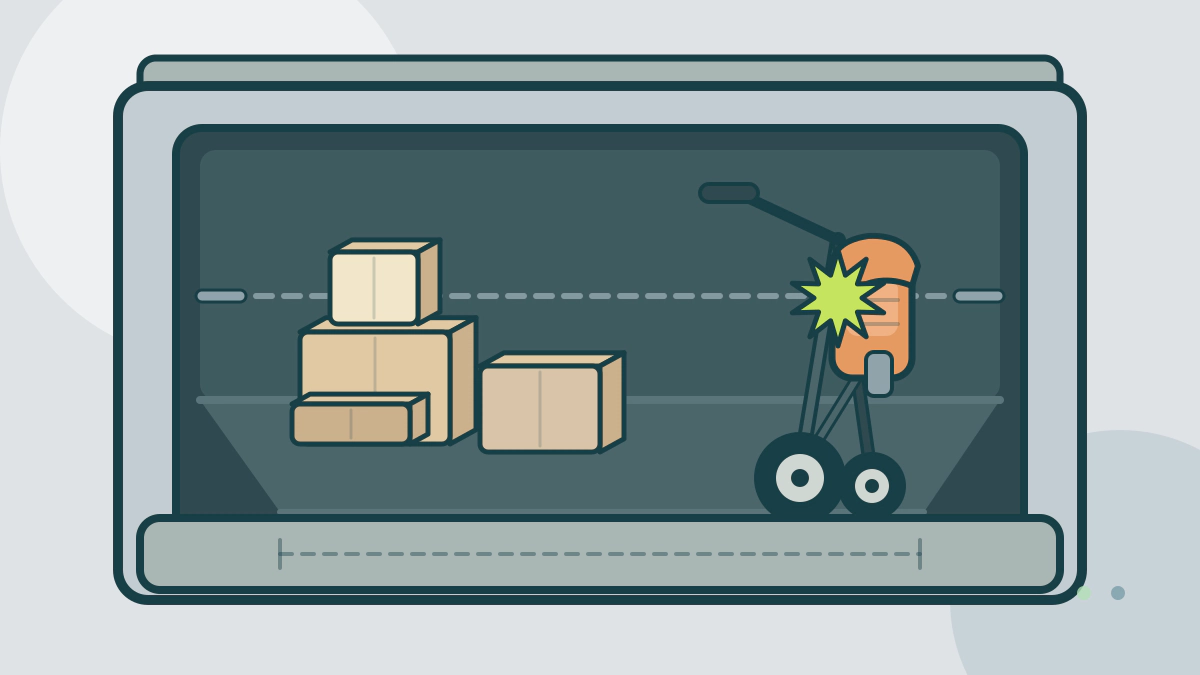
Cargo volume hides shape, load height, seat position and weight limits; use the cubic-foot figure as a filter, then measure what you will actually load.
Why does the cargo number miss so much?
Cargo volume is a useful filter, but it does not tell you whether your stroller, cooler and suitcases will fit, because it hides shape, load height, seat position and the vehicle’s weight limit. A larger number can lose to a smaller one when the opening is wider, the floor is lower or the seats fold flatter.
What the cubic-foot figure actually measures
The Federal Register’s vehicle-data glossary defines cargo volume behind the front row, second row and third row as cubic feet measured under Table 28 of SAE J1100, a dimension standard (Federal Register). The definition is tied to a seating row and a measurement method.
That has two consequences. “Behind the second row” and “maximum cargo volume” describe different vehicle states, usually seats up versus seats folded. And a figure for one row cannot be compared with a figure for another without checking the footnote.
A single number also cannot describe shape. A tall, narrow well behind the third row and a wide, flat floor behind the second row are different loading tools, even when their volumes are close.
The class label is not a cargo ranking
EPA’s size classes use different inputs for different vehicle types. For cars, the class is based on interior passenger and cargo volume. For trucks, including SUVs and minivans, the class is based on gross vehicle weight rating, which is the vehicle’s weight plus carrying capacity (FuelEconomy.gov).
So a “midsize SUV” label says nothing about the size of its cargo area. Compare the row-specific cargo figure and the physical opening.
The weight limit that volume never shows
Cargo volume is measured in cubic feet, but the car carries a weight limit. The Tire and Loading Information label on the driver’s side door jamb states that the combined weight of occupants and cargo should never exceed a stated number of kilograms or pounds (NHTSA). NHTSA explains that this capacity is the rated cargo and luggage load plus 150 pounds for each designated seating position.
Passengers come out of that budget before luggage does. A full third row can use up much of the payload before a single bag goes in. The gross vehicle weight rating, or GVWR, is the loaded limit.
Roof load is a separate limit in the owner’s manual, and a roof box may have a lower limit than the cargo area. Check the manual for the dynamic roof load.
Opening, floor height and the shape of real cargo
The dimensions that decide whether loading is easy are not in the cubic-foot figure. Measure the narrowest width of the tailgate opening, the opening height, the floor length to the seatback, and the height of the load floor from the ground.
A low floor is easier on the back, while a high floor may hide storage underneath. Check whether the floor is flat and continuous when the seats fold, or whether there is a step, a gap or a folded headrest in the way.
Wheel wells, seatback angle and the rake of the tailgate all take bites out of the nominal box. So does underfloor storage: a spare tire or a deep well changes what you can stack. Look at the empty cargo area with the seats in the position you will use.
A showroom routine that takes five minutes
Bring the stroller, cooler, dog crate or biggest suitcase. Ask to load them with the seats in trip configuration, not with every row folded.
Then measure. Record the opening width at its narrowest point, the opening height, the floor length and the load height. Fold the seats yourself; a seat that needs two hands and a removable headrest is a different ownership experience.
Finally, read the labels. The door jamb gives the payload limit, and the owner’s manual gives the roof load, towing limit and any cautions about carrying items inside. Write the numbers down so you can compare the next car on equal terms.
| Number | What it tells you | What it hides |
|---|---|---|
| Cargo volume behind the second row | Space with that row in use | Opening size, floor height and shape |
| Maximum cargo volume | Space with rows folded or removed | Whether the floor is flat and the seats easy to fold |
| Gross vehicle weight rating | The loaded weight limit | How much of it passengers already use |
| Payload from the door-jamb label | Combined occupant and cargo weight | Whether your actual gear fits the space |
For a wider method, see how to rank SUVs by cargo usability. Body-style differences are covered in sedan versus hatchback cargo space. Load safely with how to secure luggage in an SUV, and find more family-fit guidance in the Family, Teen and Accessible Vehicles hub.
Frequently asked questions
Is more cargo volume always better?
No. Opening size, floor height, seat-fold geometry and payload can matter more than the cubic-foot total. A smaller, square load area may be easier for your stroller and bags than a larger, shallow one.
Does the size class tell me the cargo space?
No. EPA classes for SUVs are based on gross vehicle weight rating, not cargo volume, so the class does not rank the cargo area. Compare the figures behind the same seating row.
Can I compare maximum cargo volume between models?
Only when both figures use the same seating configuration and measurement definition. Ask whether the number is behind the second row, behind the first row or with seats removed. The SAE J1100 definitions are row-specific.
How do I find the real weight limit for cargo?
Read the Tire and Loading Information label on the driver’s side door jamb. It gives the maximum combined weight of occupants and cargo. Passengers count toward that limit, and the owner’s manual covers roof load and towing.