EV Charging
Learn charging levels, connectors, electricity units, session costs and charge-time estimates. Real charging performance depends on both the vehicle and the charging environment.
2 researched guides currently published in this section. Unpublished topic titles are not presented as articles.
Read the guides
 EV Charging
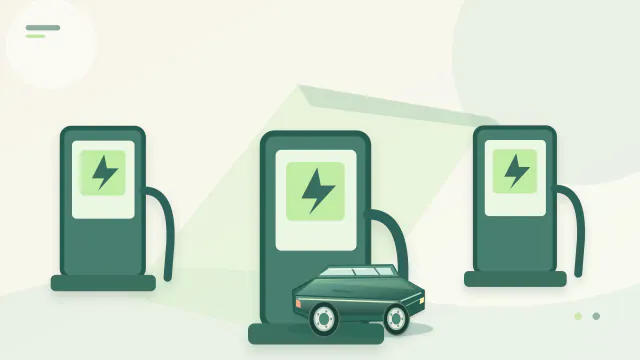
Level 1 vs Level 2 vs DC Fast Charging
Charging speed depends on the electrical supply, charger, vehicle and battery conditions. These three broad categories describe very different charging experiences.
 EV Charging
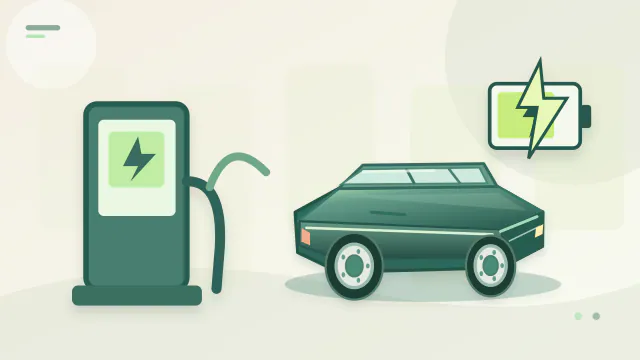
kW vs kWh in EV Charging
Kilowatts measure power: how quickly energy moves. Kilowatt-hours measure energy: how much is stored or delivered over time. Confusing them leads to inaccurate…
Explore subtopics
Topic previews are part of our editorial roadmap, not links to unwritten articles.
Advanced Charging
- Bidirectional EV Charging Explained
- Can Solar Panels Charge an EV?
- EV Charging Adapters: Safety and Compatibility
- Vehicle-to-Load vs Vehicle-to-Home vs Vehicle-to-Grid
- What Is Plug and Charge?
Charging Fundamentals
- How Long Does It Take to Charge an Electric Car?
- kW vs kWh in EV Charging
- Level 1 vs Level 2 vs DC Fast Charging
- What Is an EV Charging Curve?
- Why DC Fast Charging Slows Near Full
Charging Habits
- How to Charge an EV in Freezing Weather
- How to Plan Charging Stops on a Road Trip
- Off-Peak EV Charging: Is It Cheaper?
- Should You Charge Your EV to 100 Percent?
- What Is EV Battery Preconditioning?
Home Charging
- Charging an EV on a Standard 120-Volt Outlet
- Home EV Charger Installation: What Affects Cost?
- How to Choose a Home EV Charger
- NEMA 14-50 Outlet vs Hardwired EV Charger
- When You Need an Electrical Panel Upgrade for EV Charging
Public Charging
- CCS vs NACS vs CHAdeMO Connectors
- EV Charging Etiquette at Busy Stations
- How Public EV Charging Pricing Works
- How to Use a Public EV Charging Station
- What to Do When an EV Charger Is Broken
Verified guides in this category
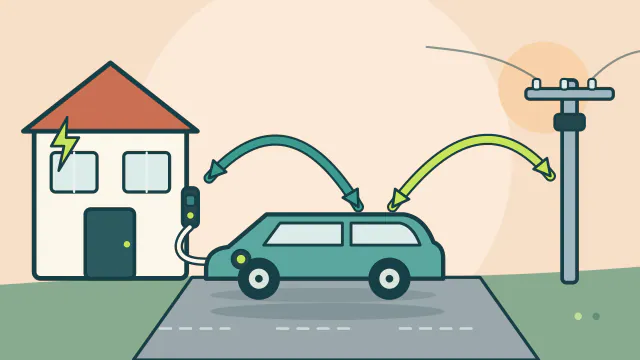
Bidirectional EV Charging Explained
Learn how V2L, V2H and V2G differ, what hardware each needs, why utilities require interconnection, and how warranty terms affect home backup.
Read guide ↗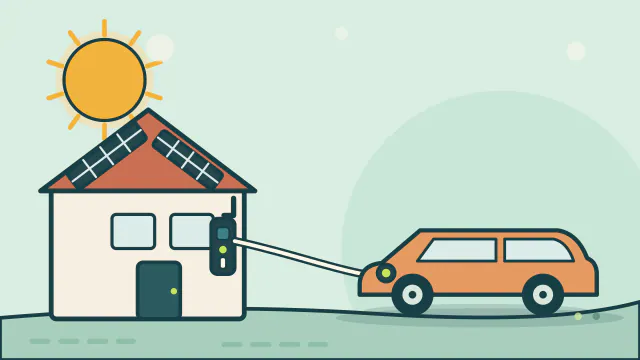
Can Solar Panels Charge an EV?
Rooftop solar can supply an EV through the house wiring, but production, inverter and charger limits decide how many miles the array really covers.
Read guide ↗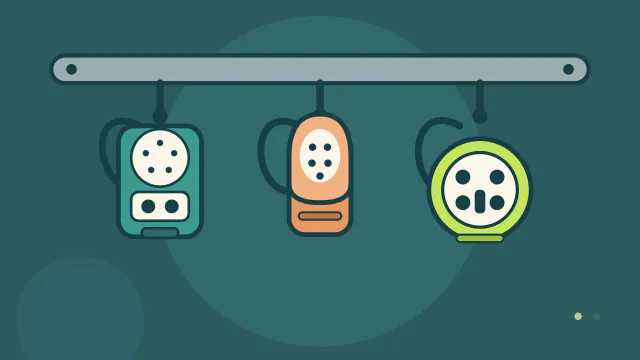
CCS vs NACS vs CHAdeMO Connectors
Compare CCS1, NACS/J3400 and CHAdeMO EV connectors, what each supports, and when an adapter can bridge the difference safely.
Read guide ↗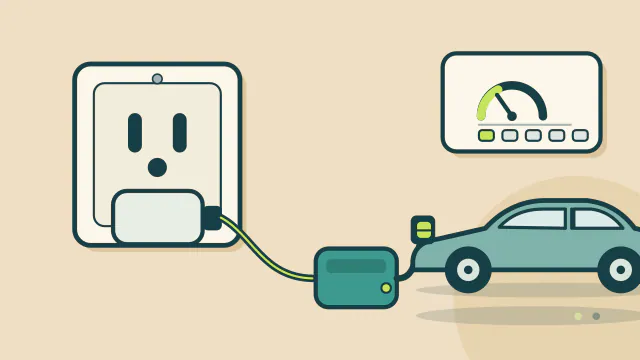
Charging an EV on a Standard 120-Volt Outlet
See what a 120-volt household outlet can add to an EV, what the circuit and cord require, and how to estimate an overnight charge with simple arithmetic.
Read guide ↗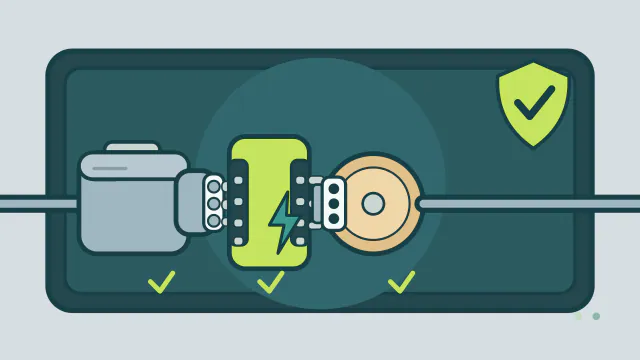
EV Charging Adapters: Safety and Compatibility
Charging adapters bridge connector types, but AC and DC versions are not interchangeable; use the adapter the vehicle maker approves for that car and station.
Read guide ↗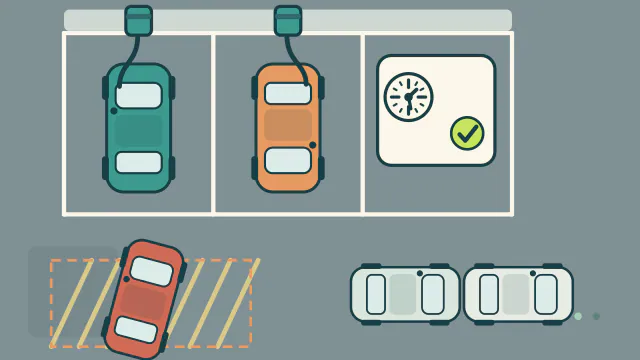
EV Charging Etiquette at Busy Stations
See what charging networks and public agencies actually say about idle fees, unplugging other cars and parking, and where etiquette is only a courtesy.
Read guide ↗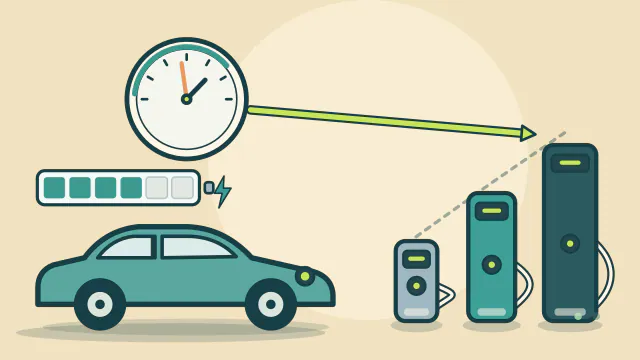
How Long Does It Take to Charge an Electric Car?
See how EPA label charge times are defined, what each charging level adds per hour, and how to estimate a session from battery size and charger power.
Read guide ↗
How Public EV Charging Pricing Works
Learn how charging networks build public EV prices from energy, time, session and idle charges, and what the charger must show before you pay.
Read guide ↗
How to Charge an EV in Freezing Weather
Cold slows the battery and can freeze the charge door. Learn the manual-based routine for overnight charging, fast-charge preparation and safe connections.
Read guide ↗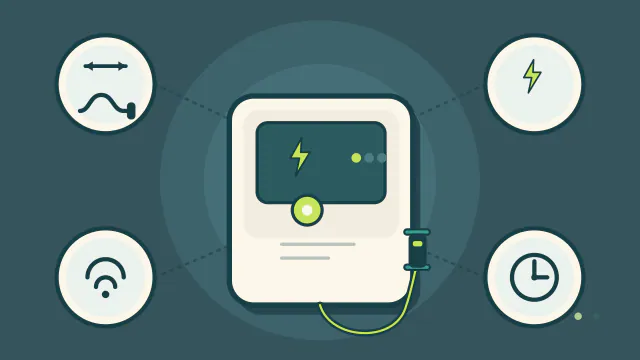
How to Choose a Home EV Charger
Compare home EV charger power, plug types, safety certification and daily features, and learn how to match the equipment to your car and routine.
Read guide ↗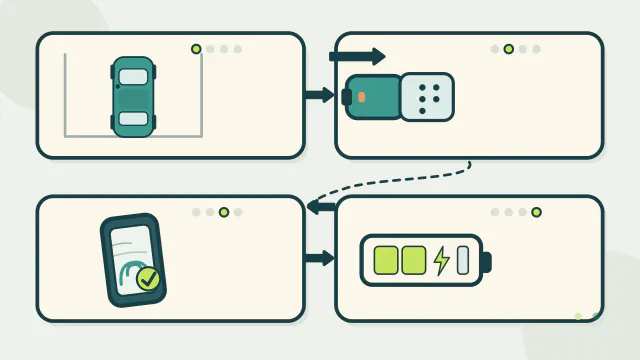
How to Use a Public EV Charging Station
Walk through a public charging session step by step, from choosing a compatible connector and starting the charge to stopping it and freeing the port.
Read guide ↗kW vs kWh in EV Charging
Kilowatts measure power: how quickly energy moves. Kilowatt-hours measure energy: how much is stored or delivered over time. Confusing them leads to inaccurate charging estimates.
Read guide ↗Level 1 vs Level 2 vs DC Fast Charging
Charging speed depends on the electrical supply, charger, vehicle and battery conditions. These three broad categories describe very different charging experiences.
Read guide ↗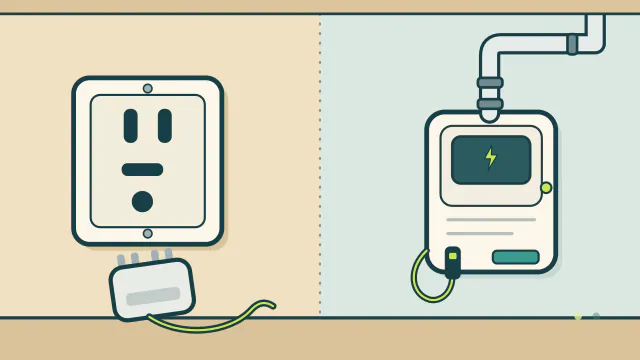
NEMA 14-50 Outlet vs Hardwired EV Charger
Compare a NEMA 14-50 outlet with a hardwired Level 2 charger: amperage limits, outdoor rules, flexibility and what an electrician must verify.
Read guide ↗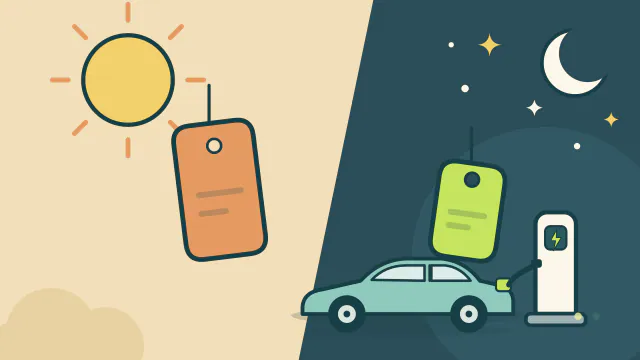
Off-Peak EV Charging: Is It Cheaper?
Learn how time-of-use electricity rates price overnight charging, what EIA data can and cannot tell you, and how to schedule a session in a real EV.
Read guide ↗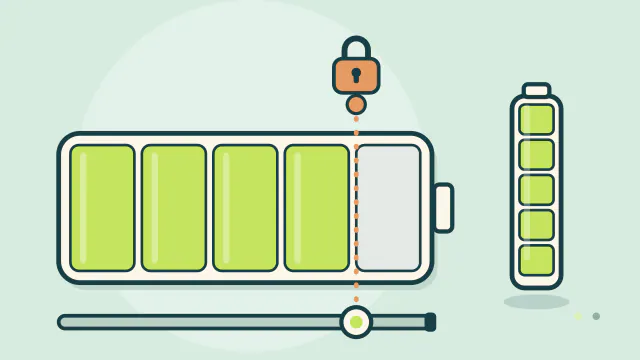
Should You Charge Your EV to 100 Percent?
Compare what Ford and Kia manuals actually say about charge limits, what EPA says about fast charging near full, and when a full battery is the right call.
Read guide ↗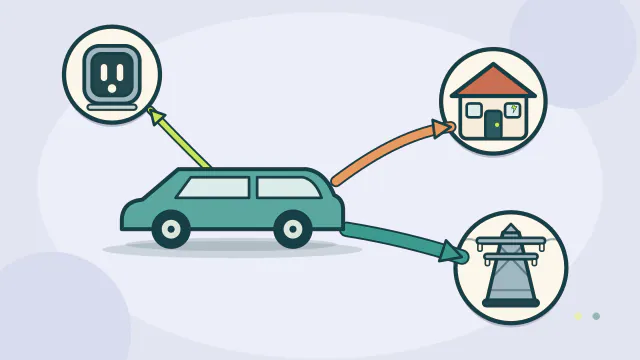
Vehicle-to-Load vs Vehicle-to-Home vs Vehicle-to-Grid
Compare V2L, V2H and V2G by what each one powers, the equipment and approvals each needs, and who can use each mode today.
Read guide ↗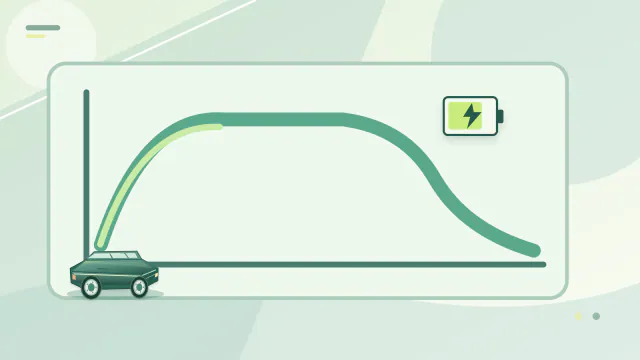
What Is an EV Charging Curve?
Understand EV DC fast-charging curves, peak kW versus sustained power, state of charge, temperature and practical road-trip charging time.
Read guide ↗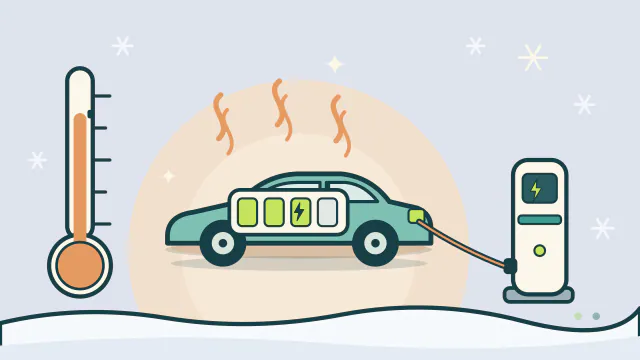
What Is EV Battery Preconditioning?
Learn what EV battery preconditioning does, how it differs from cabin preheating, when cars run it, and what the routine costs in driving range.
Read guide ↗
What Is Plug and Charge?
Plug and Charge lets an eligible EV authenticate and pay automatically when connected, using ISO 15118 certificates instead of an app, card or screen.
Read guide ↗
What to Do When an EV Charger Is Broken
Report a failed public charger to the network, the station operator and the AFDC Station Locator, then handle refunds and safety with official rules.
Read guide ↗
When You Need an Electrical Panel Upgrade for EV Charging
Learn how service size, load calculations, spare breaker slots and load management decide whether an EV charger needs a panel or service upgrade.
Read guide ↗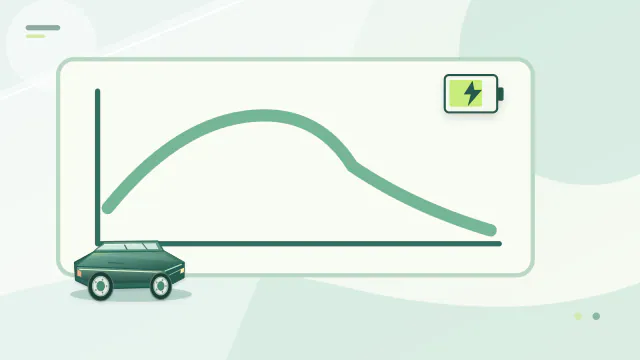
Why DC Fast Charging Slows Near Full
Why DC fast charging often tapers at high state of charge, what affects the curve, and when charging to 80% rather than 100% is more time-efficient on a road trip.
Read guide ↗