Family Teen and Accessible Vehicles
Compare practical vehicles and safety equipment for different households and mobility needs. Check the fit of child restraints, seating access and necessary adaptations in person.
23 researched guides are published in this section. The completed articles are linked below; other topics remain planned. Unpublished topic titles are not presented as articles.
Explore subtopics
Topic previews are part of our editorial roadmap, not links to unwritten articles.
Accessibility and Pets
- Adaptive Driving Controls: An Introduction
- Crash-Tested Pet Restraints: What to Check
- How to Find Qualified Vehicle Mobility Modifiers
- How to Transport a Dog Safely in a Car
- Wheelchair-Accessible SUV vs Accessible Van
Child Passenger Safety
- Common Child Car Seat Installation Mistakes
- How to Check Car Seat Compatibility
- LATCH vs Seat Belt Car Seat Installation
- Rear-Facing vs Forward-Facing Car Seats
- When Can a Child Move to a Booster Seat?
Family Car Shopping
- Best Features to Look for in a Family Road-Trip Car
- Family Car Cargo Space: What Numbers Miss
- How to Compare Car Seat Fit in SUVs
- SUV vs Minivan for Three Kids
- What Makes a Good Car for a Family of Five?
Senior Drivers
- Car Features That Help Older Drivers
- Driver Assistance Features for Older Adults
- Easy-Entry SUVs for Drivers With Limited Mobility
- How to Choose Seats for Back and Hip Comfort
- When to Consider a Driving Ability Assessment
Teen and New Drivers
- How to Choose a Safe First Car for a Teen
- How to Set Driving Rules for a New Teen Driver
- Insurance Considerations for Teen Drivers
- Used Car Safety Features Worth Prioritizing for Teens
- Why Vehicle Size Is Not the Only Safety Factor
Verified guides in this category

Adaptive Driving Controls: An Introduction
Learn how driver evaluation, vehicle selection, prescribed adaptive equipment, qualified installation and training fit together.
Read guide ↗
Best Features to Look for in a Family Road-Trip Car
Prioritize child-seat access, usable cargo, driver assistance, night visibility and real seating comfort, then verify each feature on the exact car.
Read guide ↗
Car Features That Help Older Drivers
A practical shopping list of seat, control, visibility and access features that can make driving easier without replacing good judgment.
Read guide ↗
Common Child Car Seat Installation Mistakes
Check an install the way NHTSA does: one inch of movement at the belt path, one attachment method, a top tether, approved add-ons and a snug harness.
Read guide ↗
Crash-Tested Pet Restraints: What to Check
Check who tested a pet harness, crate or carrier, at what speed and with what test-dog weight before trusting a crash-test label.
Read guide ↗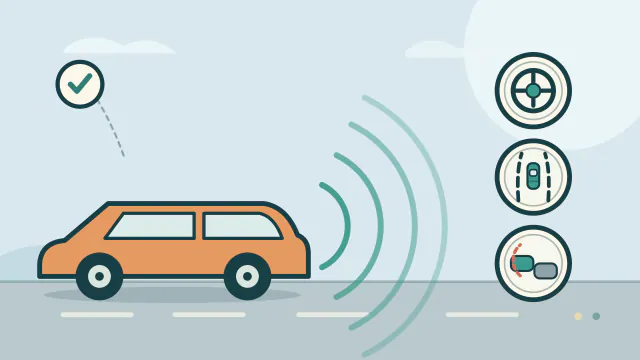
Driver Assistance Features for Older Adults
See which driver assistance systems fit older drivers' crash patterns, what IIHS and NHTSA say, and where each aid still fails.
Read guide ↗
Easy-Entry SUVs for Drivers With Limited Mobility
Learn which SUV measurements decide easy entry, how to test a seat and door at the dealer, and when a modified vehicle makes more sense.
Read guide ↗
Family Car Cargo Space: What Numbers Miss
Cargo volume hides shape, load height, seat position and weight limits; use the cubic-foot figure as a filter, then measure what you will actually load.
Read guide ↗
How to Check Car Seat Compatibility
Check a car seat against your own vehicle before you buy it, using the owner's manual, anchor positions, seat belt type and a test fit.
Read guide ↗
How to Choose a Safe First Car for a Teen
Apply IIHS size, stability-control, crash-rating and headlight thresholds to a teen's first car, then verify the exact trim and build date.
Read guide ↗
How to Choose Seats for Back and Hip Comfort
Use seat adjustment, cushion length, belt fit and head restraint position to judge comfort on a test drive, without guessing from showroom softness.
Read guide ↗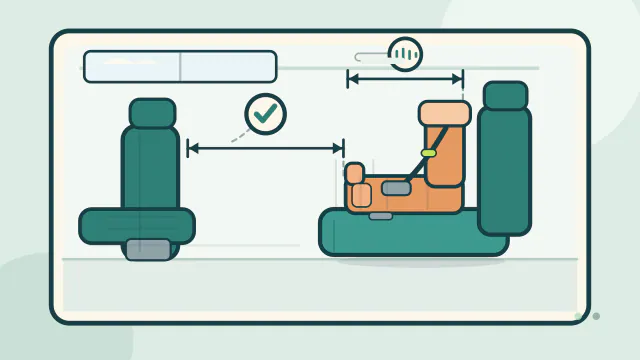
How to Compare Car Seat Fit in SUVs
Use published SUV dimensions, LATCH layout and a real seat-check to judge car seat fit before you buy a family vehicle.
Read guide ↗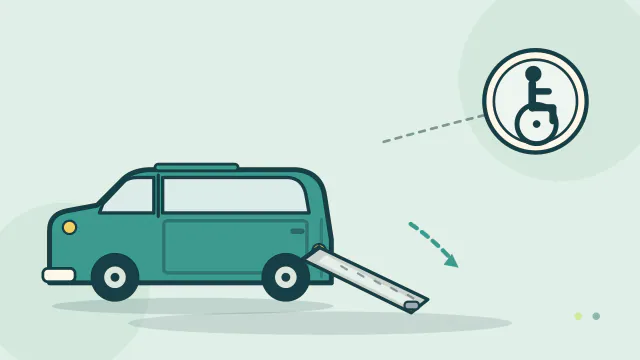
How to Find Qualified Vehicle Mobility Modifiers
Vet a mobility modifier by checking NHTSA registration, NMEDA QAP status, training, written scope and the federal safety labels on finished work.
Read guide ↗
How to Set Driving Rules for a New Teen Driver
Use your state's graduated licensing limits as the floor, then add written household rules for night driving, passengers, phones and seat belts.
Read guide ↗
How to Transport a Dog Safely in a Car
Restrain a dog in the back seat, skip the pickup bed, and manage heat and stops, using AVMA vehicle-safety and travel guidance for US drivers.
Read guide ↗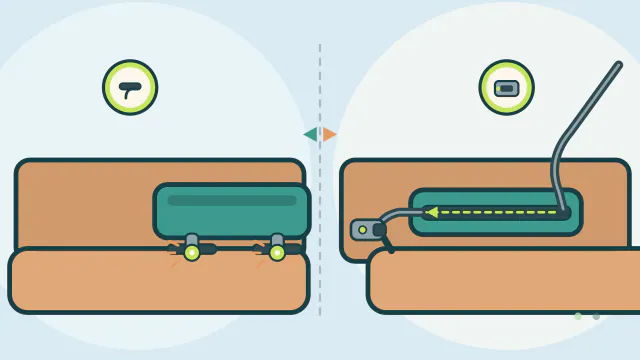
LATCH vs Seat Belt Car Seat Installation
Compare LATCH and a seat belt install by anchor weight limits, locking and seating position, and learn when the belt has to take over.
Read guide ↗
Rear-Facing vs Forward-Facing Car Seats
Learn why rear-facing is safer for a young child, what the seat's height and weight limits change, and when a forward-facing harness is the right step.
Read guide ↗
Used Car Safety Features Worth Prioritizing for Teens
Prioritize stability control, automatic emergency braking, rated headlights and crash results, then confirm each feature by model year, trim and VIN.
Read guide ↗
What Makes a Good Car for a Family of Five?
For two adults and three children, the real test is fitting three restraints across the back, not just counting five seats, plus cargo and weight limits.
Read guide ↗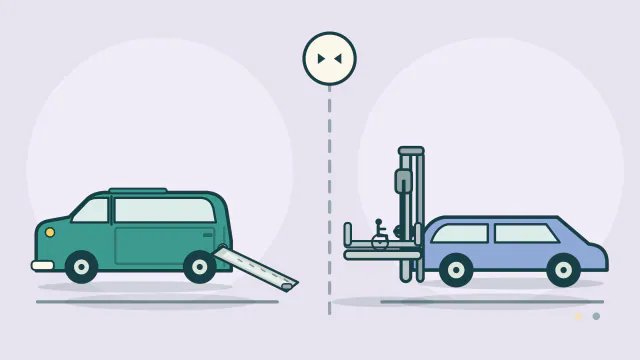
Wheelchair-Accessible SUV vs Accessible Van
Compare accessible SUV and van conversions by entry type, floor space, seating, parking and safety paperwork, using NMEDA and NHTSA guidance.
Read guide ↗
When Can a Child Move to a Booster Seat?
Use the forward-facing seat's height and weight limits plus a seat-belt fit check, not age alone, to decide when a child moves into a booster.
Read guide ↗
When to Consider a Driving Ability Assessment
Learn the changes that justify a driving assessment, how skills evaluations differ from clinical assessments, and how state licensing fits in.
Read guide ↗
Why Vehicle Size Is Not the Only Safety Factor
Vehicle size and weight change crash forces, but structure, restraints, safety technology and driver behavior decide much of the real-world risk.
Read guide ↗