Use the forward-facing seat's height and weight limits plus a seat-belt fit check, not age alone, to decide when a child moves into a booster.
When can a child move to a booster seat?
A child can move to a booster seat after outgrowing the height or weight limit of a forward-facing harnessed seat, and should keep using a booster until the vehicle’s lap-and-shoulder belt fits correctly without it. NHTSA tells parents to keep a child in a forward-facing seat with a harness and tether until the child reaches the top limit set by the seat manufacturer, then move to a booster in the back seat.
Age is only a rough guide. NHTSA’s recommendations place booster use in the 4 to 7 and 8 to 12 age bands, but the trigger is the seat limit and the belt fit, not a birthday. IIHS notes that some children are not ready for an adult belt until about age 12.
The first step is reading the forward-facing seat’s limits
Start with the label on the side of the harnessed seat and the instruction manual. Two limits decide when the harness is finished: the maximum child weight and the maximum height or harness-slot position set by the maker. When either limit is reached, the seat no longer fits, even if the child seems young.
NHTSA makes a related point on its booster installation page. Some children outgrow the harness before they can sit still for a whole trip in a booster. For those children, a harnessed seat with higher height and weight limits is the better next step.
The vehicle matters too. Read the owner’s manual section on child restraints so you know where the tether anchors are and whether the seat fits that seating position.
What a correct seat-belt fit looks like
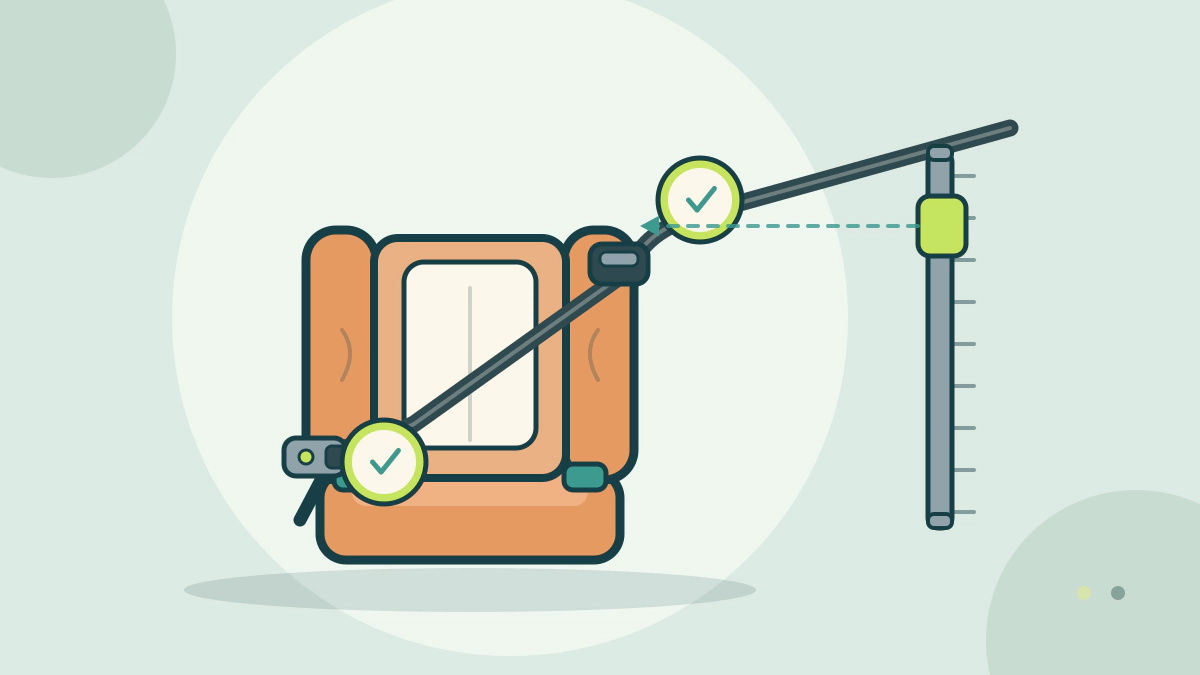
A booster raises the child so the vehicle belt crosses strong parts of the body. NHTSA’s seat belt guidance gives a five-part check. The child should sit with the back against the seat, knees bent naturally over the edge of the cushion, and feet flat on the floor.
| Check | What a pass looks like |
|---|---|
| Back | Child sits upright with the back against the seatback |
| Knees | Knees bend naturally at the front edge of the cushion |
| Feet | Both feet rest flat on the floor |
| Lap belt | Snug across the upper thighs, not the stomach |
| Shoulder belt | Across the shoulder and chest, not the neck or face |
Check the fit in every vehicle the child rides in. NHTSA says a booster may be needed in one car and not another, because seat cushions and belt geometry differ. Test the belt fit on the child, in that seat, before deciding.
Age, height and state law are three different tests
Growth varies widely, so a fixed age cannot settle the question. IIHS notes that adult belts usually fit around 4 feet 9 inches tall, but that is a benchmark rather than a universal rule. NHTSA’s fit checklist is the practical test.
State law is a separate floor. The Governors Highway Safety Association says most states, the District of Columbia and Puerto Rico require a booster or another appropriate device for children who have outgrown a child safety seat but are still too small for an adult belt. The age, weight and height triggers differ by state, so check your state’s rule as well as the fit.
Follow the stricter of the two: the state requirement and the belt-fit result. A child who legally may use a belt but still slouches or puts the shoulder belt behind the back is not ready.
High-back or backless, and when the booster is outgrown
A backless booster raises the child but provides no head or neck support. NHTSA says it should only be used in a vehicle seat that has a head restraint or a high seat back, and it must be used with a lap-and-shoulder belt. A high-back booster can support the head and help position the shoulder belt, but the seat’s own manual decides its limits.
Keep using the booster until the child exceeds its height or weight limit, or until the adult belt passes the fit check. Then move to the seat belt, still in the back seat. NHTSA says to keep children in the back seat at least through age 12.
Booster seats should also be buckled in when no child is riding. NHTSA warns that an unsecured booster can be thrown around the cabin in a crash or sudden stop.
For the seat itself, see when child car seats need replacement after a crash. The Family, Teen and Accessible Vehicles hub covers the wider fit and access picture, and Car Safety and Recalls covers restraint and crash topics.
Frequently asked questions
Can a 4-year-old move to a booster seat?
Only if the child has outgrown the forward-facing seat’s height or weight limit and meets the booster’s own minimum requirements. NHTSA says to keep the harness until that limit, and a 4-year-old may still fit it. Read both labels instead of using age alone.
Is 4 feet 9 inches the rule for leaving a booster?
It is a common benchmark, not a universal legal test. IIHS says adult belts usually fit around that height, but NHTSA’s check also covers the back, knees, feet and belt placement. A child who passes in one vehicle may still need a booster in another.
Does a backless booster work in any back seat?
No. NHTSA says a backless booster needs a lap-and-shoulder belt and a vehicle seat with a head restraint or high seat back. It does not provide head or neck support itself, so check the seating position before using one.
What if state law allows a seat belt before the child fits?
Follow the belt-fit check as well as the legal minimum. State laws vary, and many set an age, weight or height threshold. NHTSA’s advice is to keep the booster until the belt fits correctly, even when the law would allow a belt sooner.