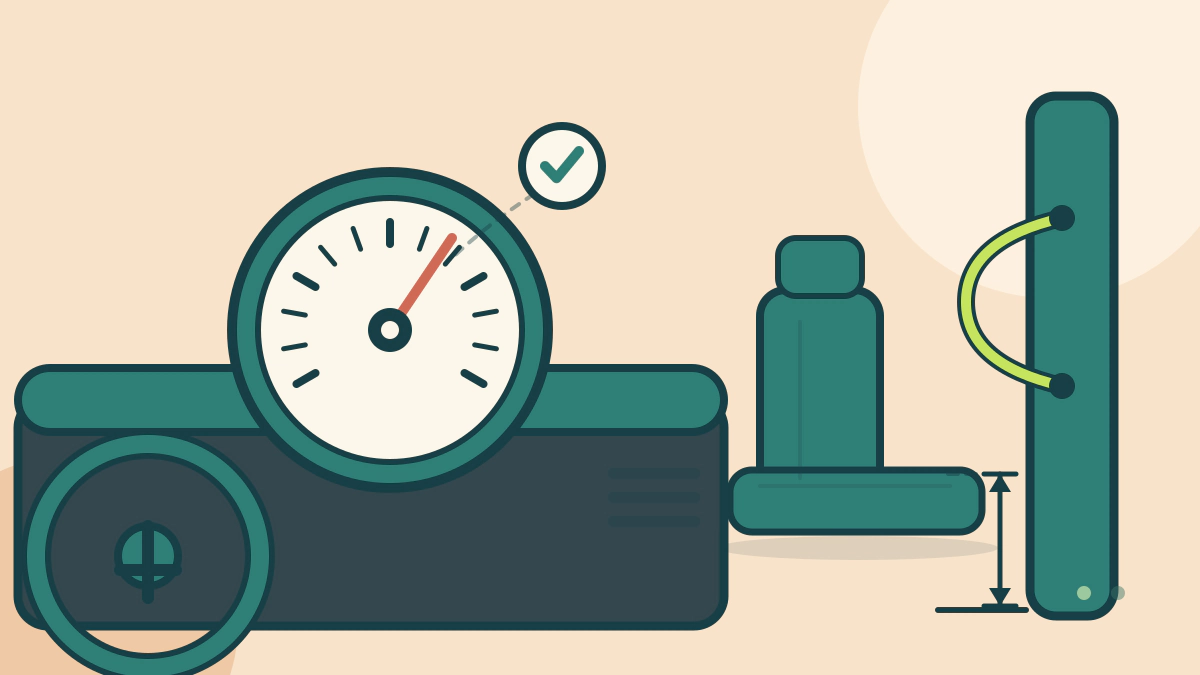
A practical shopping list of seat, control, visibility and access features that can make driving easier without replacing good judgment.
Which car features help an older driver most?
The useful features are the ones that improve the driving position, reduce glare and reach, or make a repeated task easier, and the best list depends on the individual driver. NHTSA says driving decisions should never be based on age alone, while changes in vision, physical fitness and reaction time can raise concerns (NHTSA older drivers).
That framing matters when shopping. A feature that helps one driver may go unused by another. Test each one in the exact trim, with your own glasses, shoes and usual passengers. Then practice it before relying on it in traffic.
Begin with the seat, wheel and pedals
The driving position comes first. NHTSA’s Driving Safely While Aging Gracefully guide says to sit high enough to see the road for at least 10 feet in front of the car; a cushion can help if the seat does not rise enough. It also says to sit at least 10 inches from the steering wheel to reduce the chance of airbag injury.
Look for a power-adjustable driver’s seat with height control, a tilt and telescoping steering wheel, and adjustable pedals if reach is a problem. A power seat with memory can restore a good position after another driver uses the car.
NHTSA also suggests choosing a car with automatic transmission, power steering and power brakes. Those are common now, but confirm the specific vehicle. Heated seats may add comfort, but comfort is not the same as support; check that the seat holds your hips and thighs without pressure points.
Visibility features that are worth a test
Glare and dim displays cause more trouble than many shoppers expect. NHTSA recommends clean glass, mirrors and headlights, correct headlight aim, larger dials and readable symbols, and a brighter instrument panel. Some rearview mirrors dim automatically; that can help at night.
Look for a rearview camera, which NHTSA required on new vehicles from May 2018, and confirm the screen is easy to see in daylight. Test the mirror adjustment range. A larger side mirror can help, but it still needs correct aiming; the procedure is in how to use your car mirrors correctly.
Automatic high beams can reduce the work of switching beams, but they are an aid. NHTSA notes that a driver may not hear an emergency siren, so watch for flashing lights too.
Entry, controls and cargo
A higher seat and a wide door opening reduce bending. So do grab handles, a power liftgate and a keyless entry system that does not require finding a fob in a pocket. These are convenience features, but they can matter when hands are full or grip is limited.
Keep the control layout simple. Physical knobs for climate and audio are easier to find by touch than a menu on a screen. Check that the gear selector, parking brake and window switches are clearly labeled and easy to reach without looking down for long.
For a driver with a specific physical limitation, a standard feature may not be enough. NHTSA’s adapted vehicle guidance recommends a driver rehabilitation evaluation before choosing equipment. The sequence from assessment to training is explained in adaptive driving controls.
Passive safety still counts
Older occupants benefit from crash protection, not only convenience. IIHS reports that side airbags with head and torso protection were estimated to reduce fatalities in near-side impacts by 45 percent for front-seat occupants 70 and older, compared with 30 percent for occupants 13 to 49. It also notes that older drivers tend to drive older vehicles that lack this protection.
Modern seat belts with pretensioners and load limiters are generally equally effective for adults of all ages, according to IIHS. When comparing used vehicles, check the side airbag coverage and the seat belt features for the specific model year, not just the trim name.
A feature checklist for the test drive
| Feature | What it can change | What to check in person |
|---|---|---|
| Height-adjustable power seat | Raises the eye point and reduces the climb in | Full range with your usual shoes; headroom; door sill height |
| Tilt and telescoping wheel | Brings the wheel closer without moving the seat too far forward | Reach with the seat adjusted; view of the instrument panel |
| Auto-dimming mirror and large side mirrors | Reduces night glare and widens the view | Adjustment range; mirror shake; screen glare |
| Keyless entry and push-button start | Avoids twisting or searching for a key | Fob size; button location; emergency start procedure |
| Power liftgate and grab handles | Reduces reaching and lifting | Opening height; closing force; clearance in your garage |
Add driver assistance separately. Features such as automatic emergency braking and blind spot warning are covered in driver assistance features for older adults. They deserve their own test because warnings differ in sound, brightness and timing. For related buying and adaptation guides, see the family and accessible vehicle hub.
Frequently asked questions
Is a higher seat always easier to enter?
No. A higher seat can reduce how far you bend, but it also raises the step-up height. Check the door sill, the seat height and any running board together, and try entering with your usual shoes and clothing.
Do I need a large SUV to get a comfortable driving position?
No. Many sedans and smaller crossovers offer height-adjustable seats, telescoping wheels and adjustable pedals. The right body style depends on your parking space, garage and how easily you can enter and load the vehicle.
Are heated seats a safety feature?
No. They provide comfort and may help a driver relax, but they do not improve crash protection or driving ability. Do not rely on them to make up for a seat that does not support your hips and back.
Can a dealer change the seat or pedal position?
Only within the vehicle’s design limits. For a major change, start with a driver rehabilitation evaluation and use a qualified mobility modifier rather than a generic aftermarket kit.