Car Safety and Recalls
Understand US crash testing, driver assistance, vehicle defects and official recalls. Search safety information using trusted agencies and the correct model year or VIN.
1 researched guides currently published in this section. Unpublished topic titles are not presented as articles.
Read the guides
Explore subtopics
Topic previews are part of our editorial roadmap, not links to unwritten articles.
Active Safety
- ABS vs Electronic Stability Control
- Automatic Emergency Braking Limitations
- Pedestrian Detection in Modern Cars
- Rear Cross-Traffic Alert Explained
- Why Blind-Spot Monitoring Cannot Replace Mirror Checks
Crash Testing
- IIHS Top Safety Pick Ratings Explained
- NHTSA Five-Star Safety Ratings Explained
- NHTSA vs IIHS Crash Testing: Key Differences
- What Is a Small-Overlap Front Crash Test?
- Why Crash-Test Ratings Vary by Model Year
Passive Safety
- Crumple Zones Explained
- How Car Airbags Work
- Side-Impact Protection in Cars
- What Makes a Vehicle More Resistant to Rollover?
- Why Seat Belt Pretensioners Matter
Post Crash Safety
- How to Check for Hidden Damage After a Crash
- What to Do Immediately After a Minor Car Crash
- When Child Car Seats Need Replacement After a Crash
- When Not to Drive a Car After a Collision
- Why Airbag Warning Lights Need Attention
Recalls and Defects
- Can You Sell a Car With an Open Recall?
- How to Check Car Recalls by VIN
- How to Report a Safety Defect to NHTSA
- Vehicle Recall vs Service Campaign
- What To Do If Your Car Has an Open Recall
Verified guides in this category
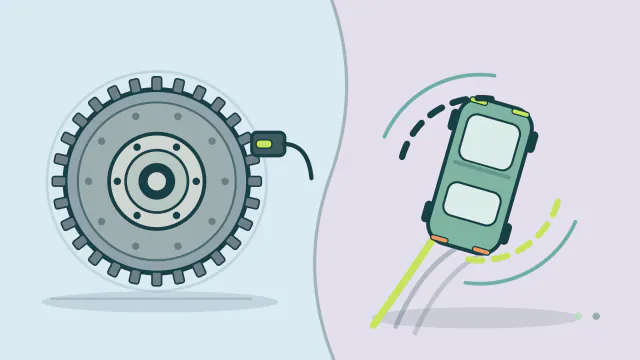
ABS vs Electronic Stability Control
ABS stops wheels locking under braking; stability control uses the same hardware to correct a skid. Compare what each does and what the rules require.
Read guide ↗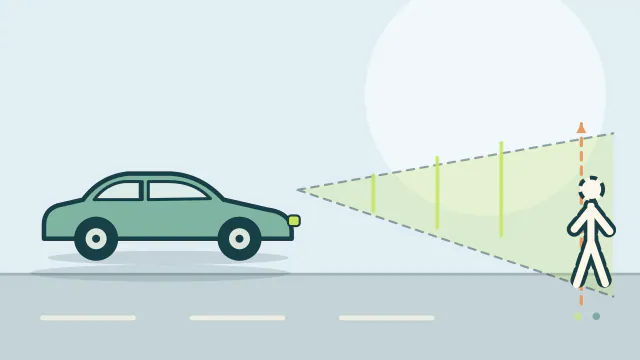
Automatic Emergency Braking Limitations
Automatic emergency braking can prevent some rear-end and pedestrian crashes, but federal tests define how fast and in what weather it must work.
Read guide ↗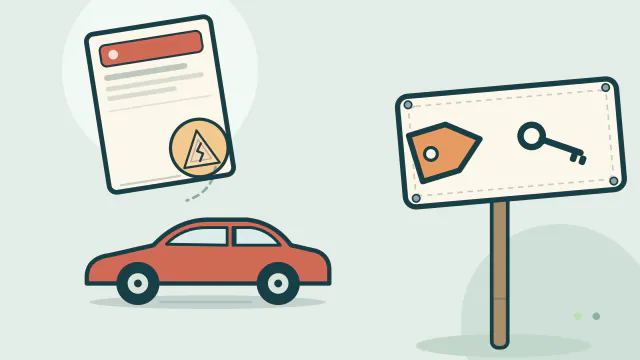
Can You Sell a Car With an Open Recall?
Learn how open recalls affect a used-car sale, who must disclose them, why the free repair follows the vehicle, and what a seller or buyer should check first.
Read guide ↗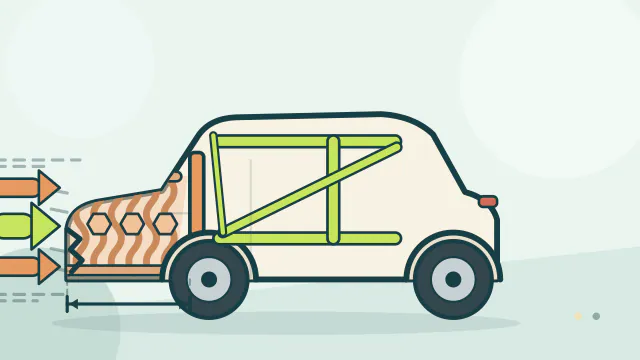
Crumple Zones Explained
See how a car's crumple zones absorb crash energy, why the occupant compartment must stay strong, and where crumple zones stop helping.
Read guide ↗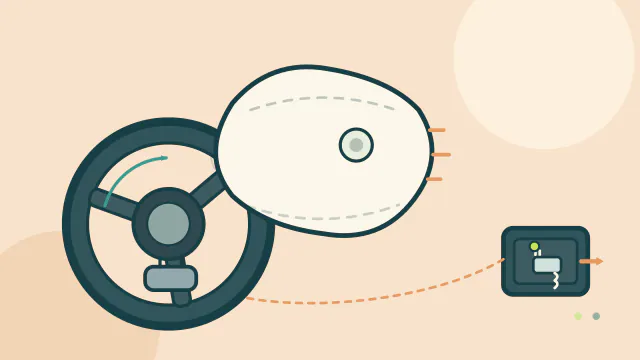
How Car Airbags Work
Follow an airbag from crash signal to inflation, see when frontal and side bags deploy, and learn why replacement and servicing belong to trained technicians.
Read guide ↗
How to Check Car Recalls by VIN
Check for open US vehicle safety recalls using the 17-character VIN, understand what the NHTSA results include and exclude, and know what to do if a recall is listed.
Read guide ↗
How to Check for Hidden Damage After a Crash
Use a structured post-crash check for structural, fluid, suspension and safety-system damage, and learn when a teardown estimate is needed.
Read guide ↗
How to Report a Safety Defect to NHTSA
Learn what NHTSA treats as a vehicle safety defect, how to separate a defect from normal wear, and how to build a report its investigators can use.
Read guide ↗
IIHS Top Safety Pick Ratings Explained
Learn the difference between 2026 IIHS Top Safety Pick and Top Safety Pick+, what tests and standard safety equipment qualify, and how to interpret model-year and build-date restrictions.
Read guide ↗
NHTSA Five-Star Safety Ratings Explained
NHTSA’s New Car Assessment Program uses a five-star system to communicate crash-test and rollover performance. Ratings should be compared within the correct model year and vehicle configuration.
Read guide ↗
NHTSA vs IIHS Crash Testing: Key Differences
Understand how NHTSA's US five-star government ratings differ from IIHS crashworthiness and crash-avoidance ratings, and how to compare specific vehicle years.
Read guide ↗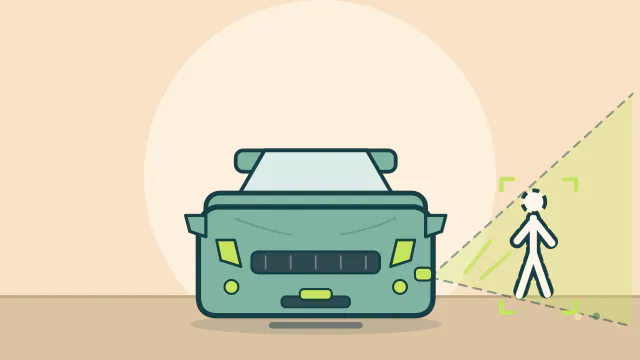
Pedestrian Detection in Modern Cars
Pedestrian detection uses cameras and radar to warn or brake for people in the car's path, but crash data shows the benefit shrinks sharply at night on unlit roads.
Read guide ↗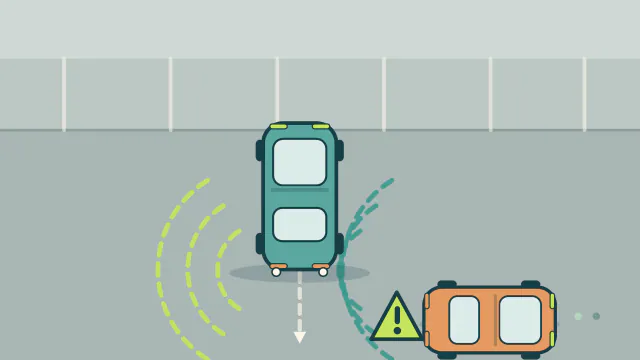
Rear Cross-Traffic Alert Explained
Rear cross-traffic alert warns about vehicles crossing behind you while reversing, but it covers only part of the scene and never brakes for you.
Read guide ↗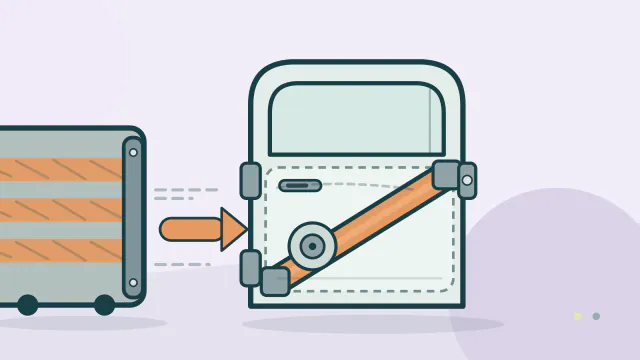
Side-Impact Protection in Cars
Side crashes leave little crush space, so door structure, side airbags, curtain airbags and belt fit do most of the work. Here is what each part does.
Read guide ↗
Vehicle Recall vs Service Campaign
Compare a US safety recall with a manufacturer service campaign: who requires it, who pays, which VIN tools list it and what each notice means.
Read guide ↗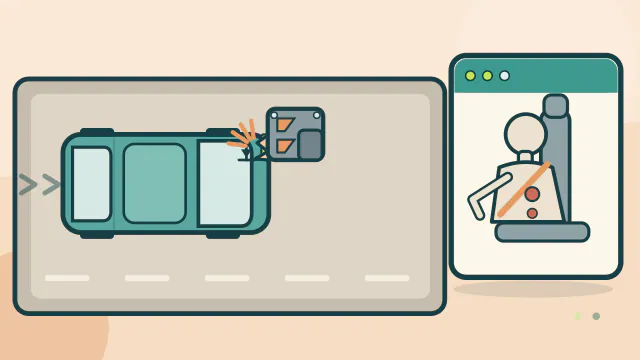
What Is a Small-Overlap Front Crash Test?
Learn how IIHS runs its 40 mph small-overlap front test, what the 25 percent overlap measures, and how to compare the result with other crash tests.
Read guide ↗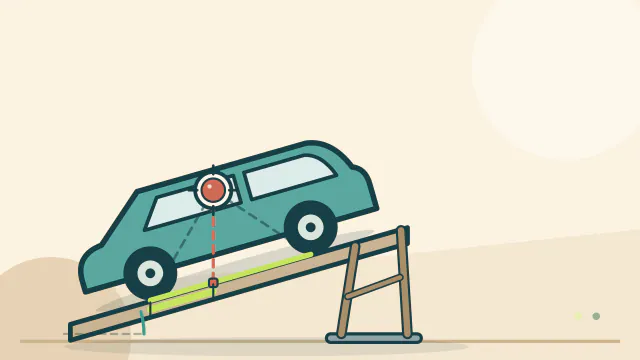
What Makes a Vehicle More Resistant to Rollover?
Rollover resistance starts with a low center of gravity and a wide track, then depends on stability control, roof strength, tires and how the vehicle is loaded.
Read guide ↗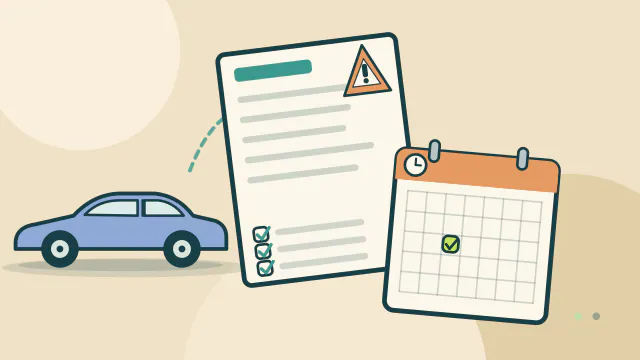
What To Do If Your Car Has an Open Recall
Turn an open recall notice into a finished repair: confirm the VIN, follow interim warnings, book the free remedy, keep the paperwork and escalate a refusal.
Read guide ↗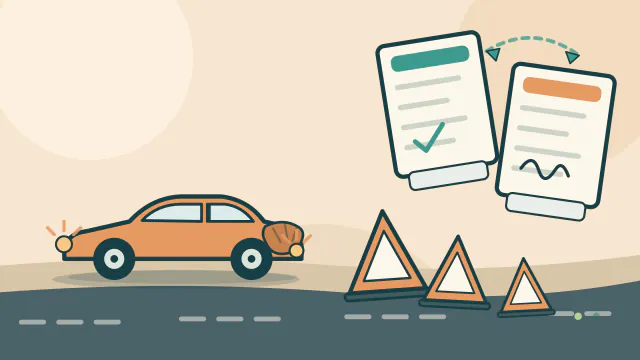
What to Do Immediately After a Minor Car Crash
A step-by-step sequence for the first minutes after a low-speed crash: clearing the lane, calling the right number, exchanging details and filing reports.
Read guide ↗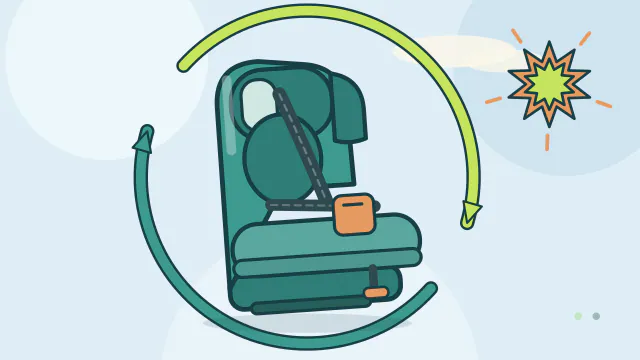
When Child Car Seats Need Replacement After a Crash
Use NHTSA's five-part minor-crash test, then check the seat manufacturer's rule, which can be stricter and may require a new seat after any crash.
Read guide ↗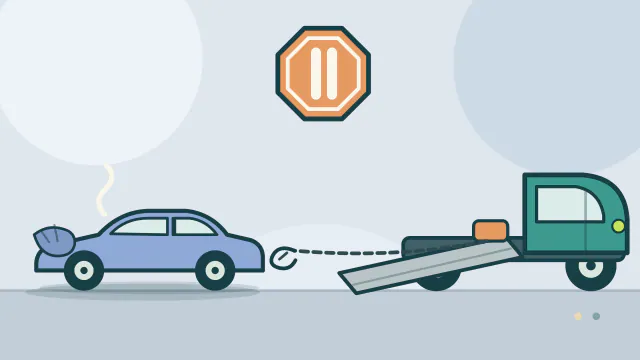
When Not to Drive a Car After a Collision
Learn which crash damage, fluid leaks, airbag deployments and warning lights make a car unsafe to drive, plus what a tow operator, insurer and inspector need.
Read guide ↗
Why Airbag Warning Lights Need Attention
Learn what the airbag warning light monitors, why a lit or missing light matters after a crash, and when a recall or deployed airbag means do not drive.
Read guide ↗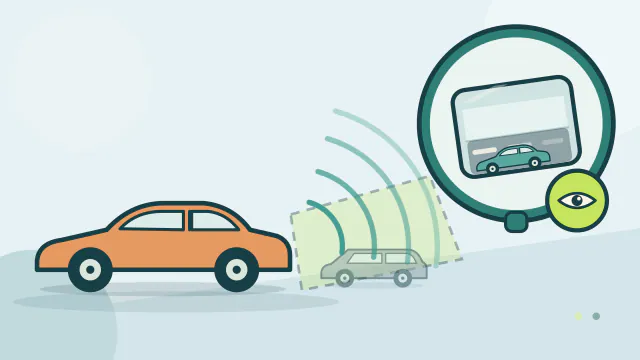
Why Blind-Spot Monitoring Cannot Replace Mirror Checks
Blind-spot monitoring watches a limited zone and warns; it does not show the whole scene. See the gaps in an owner's manual and keep a safer lane-change habit.
Read guide ↗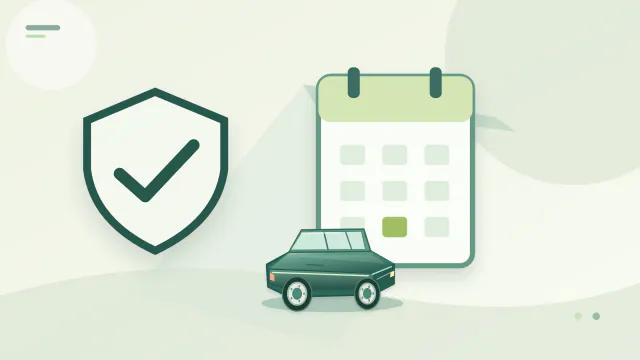
Why Crash-Test Ratings Vary by Model Year
Understand how vehicle redesigns, carried-over test results, different testing protocols and trim-specific safety equipment affect NHTSA and IIHS crash ratings across model years.
Read guide ↗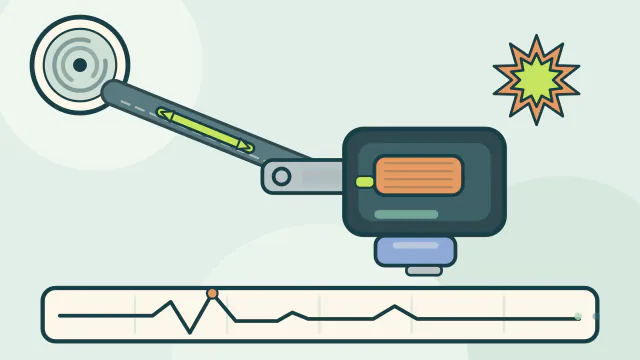
Why Seat Belt Pretensioners Matter
Pretensioners pull slack out of the belt at the start of a crash, and load limiters then release force. Both are one-time parts that need replacement after use.
Read guide ↗