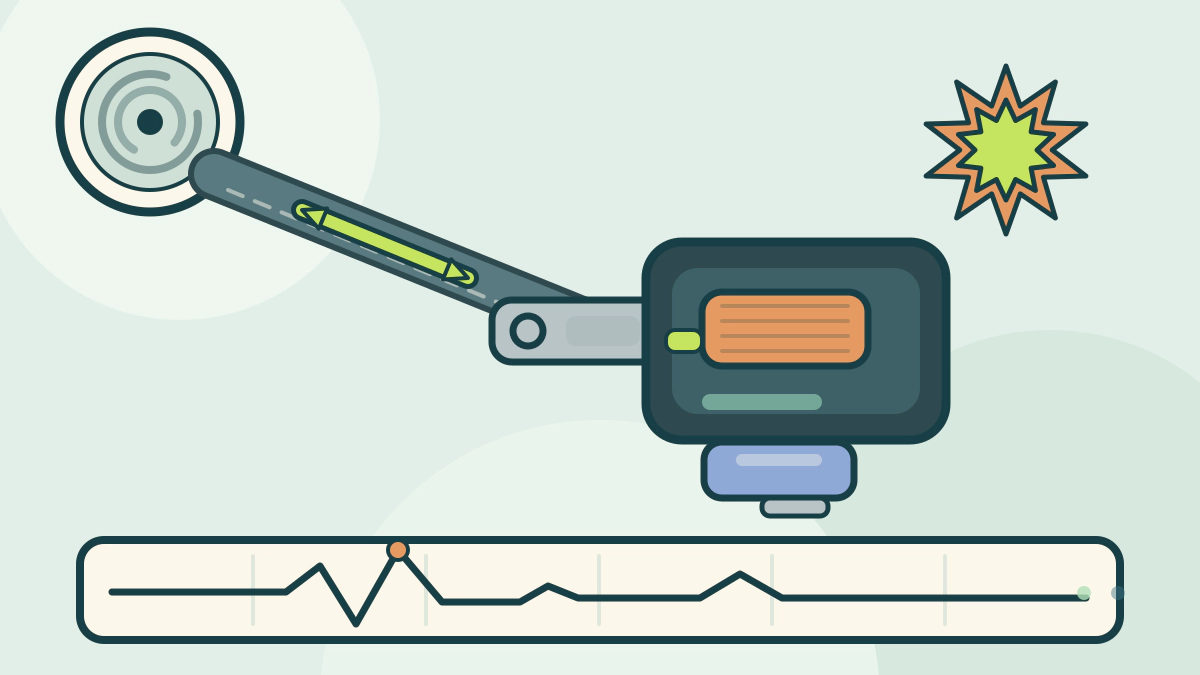
Pretensioners pull slack out of the belt at the start of a crash, and load limiters then release force. Both are one-time parts that need replacement after use.
Why does a pretensioner matter in a crash?
A pretensioner pulls the seat belt tight against the body in the first moments of a severe crash, removing the slack that a locking retractor alone leaves; a load limiter then releases some force so the belt does not over-load the chest.
The occupant and the vehicle are moving together before the impact. When the vehicle stops, the body keeps going until the belt takes up the slack. Less slack means less travel before the belt begins to slow the body.
What does a pretensioner add to a locking retractor?
A locking retractor already reacts. Kia’s 2024 Telluride owner’s manual says the retractor locks when the vehicle stops suddenly or when the occupant leans forward too quickly.
That lock stops webbing from spooling out, but it does not remove the small gap between the belt and the body. The pretensioner does. Kia says the retractor pretensioner pulls the belt into tighter contact in certain frontal collisions.
Which seats have pretensioners?
Fitment varies by model and model year. Kia’s 2024 Telluride manual says the vehicle has pretensioners at the front and rear outboard seating positions, and lists a retractor pretensioner assembly and a rear retractor pretensioner among the parts.
IIHS’s seat belt overview calls the devices crash tensioners and says manufacturers have been slower to add them, and force limiters, in the rear.
Do not assume that every seat in a used car has one. Check the owner’s manual for the exact model year, or ask a dealer to confirm by VIN.
How does a load limiter work with the pretensioner?
The two parts pull in opposite directions on purpose. The pretensioner takes slack out; the load limiter gives some webbing back when the force on the chest gets high.
Kia’s manual says that if the system senses excessive tension on the driver’s or passenger’s belt when the pretensioner activates, the load limiter inside the pretensioner releases some of the pressure. IIHS describes force limiters as devices that allow some webbing to spool out before belt forces get too high.
A belt that stayed fully tight could concentrate force on the ribs. A belt that stayed loose would let the body move too far. The pair balances those risks.
Why does the SRS warning light matter?
Kia ties the pretensioner to the airbag system. The manual says the SRS airbag warning light should appear for about 6 seconds after the vehicle is switched on and then go off. If it does not appear, stays on, or comes on while driving, the system needs inspection.
The manual also says a pretensioner fault can turn on the SRS light even when the airbag itself is fine. The lamp is the shared warning for the restraint system, not just an airbag bulb.
Do not treat a piece of tape over the lamp as a fix. A restraint fault can leave a belt without its crash tightening or a bag without its trigger.
What happens after a pretensioner fires?
It is a one-time device. Kia says pretensioners are designed to operate only once and must be replaced after activation, along with all seat belts worn during a collision. The assembly also becomes hot during activation and should not be touched for several minutes.
The manual warns owners not to inspect, replace or repair the pretensioner system themselves. It also says body work on the front of the vehicle may damage the pretensioner system, so that work should go to an authorized dealer.
NHTSA’s air bag guidance says airbags deploy once and must be replaced after a crash at an authorized repair center. A used car with a fresh front repair and no record of belt or airbag replacement deserves a closer look.
How can a buyer check the belt system?
Pull each belt out fully and let it retract. Look for twists, cuts, fraying or a belt that will not retract smoothly. Check that the buckle latches and releases. Then switch on the ignition and watch the SRS lamp through its self-check.
Ask for repair records if the car has been in a collision. A belt that was simply bolted back in after a deployment is not the same as a new pretensioner assembly. If the history is unclear, have a qualified technician scan the restraint system.
The History of the Three-Point Seat Belt explains how the belt geometry developed. Racing harness vs three-point seat belt covers why a competition harness is a different system. The Car Safety and Recalls hub covers recalls and crash protection more broadly.
| Part | Job in a crash | What it means after a crash |
|---|---|---|
| Retractor pretensioner | Pulls slack out of the belt | Replace after activation |
| Load limiter | Releases some belt force | Replaced with the pretensioner assembly |
| Locking retractor | Locks webbing on sudden movement | Check for smooth operation |
| SRS warning light | Reports a restraint-system fault | Diagnose if it stays on |
| Belt webbing | Holds the occupant in the seat | Replace after it was worn in a collision |
Frequently asked questions
Do pretensioners fire in every crash?
No. Kia says they may activate when a collision is severe enough, and they can also activate in a side collision if the vehicle has a side or curtain airbag.
Can a pretensioner be reused after it fires?
No. Kia says the system operates only once and must be replaced after activation; the assembly also stays hot for several minutes.
Does a pretensioner replace the airbag?
No. It is part of the belt system, and the belt and airbag are designed to work together. NHTSA says airbags supplement belts, not replace them.
Why does the SRS light stay on after a crash?
It can indicate a fault in the pretensioner or airbag circuit. Kia says the light should go out after about 6 seconds; if it stays on or comes on while driving, have the system inspected.