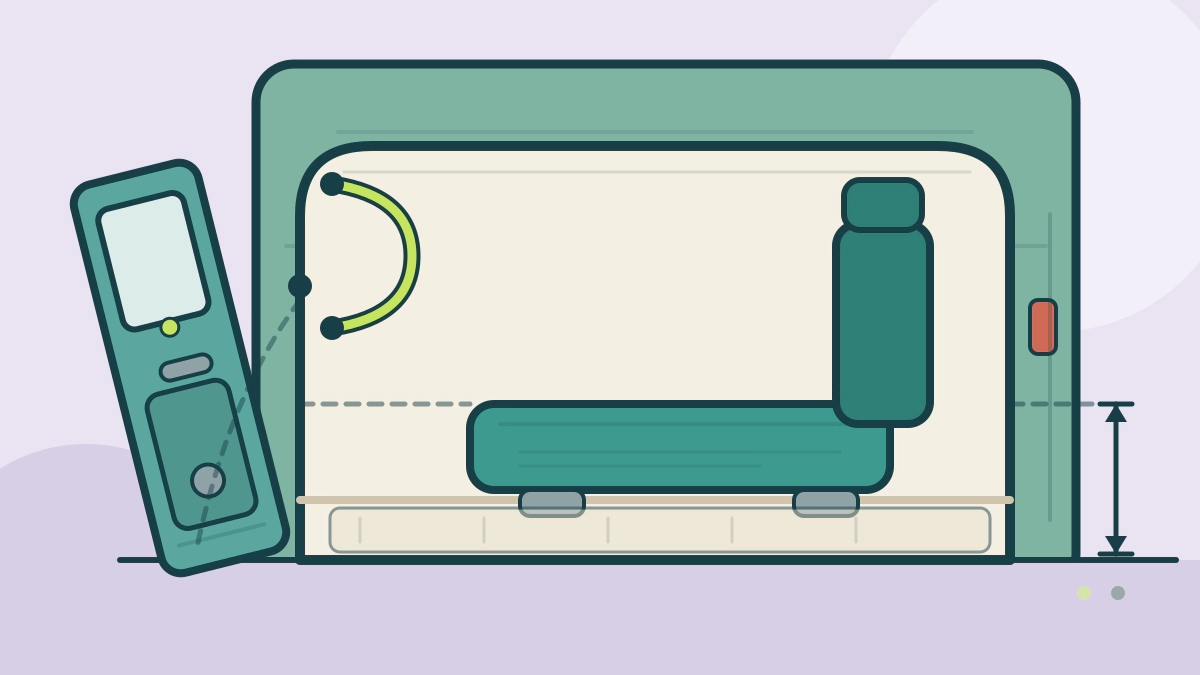
Learn which SUV measurements decide easy entry, how to test a seat and door at the dealer, and when a modified vehicle makes more sense.
What makes an SUV easy to enter?
The best easy-entry SUV is the one you can enter, sit in and leave without strain on an ordinary day, not the one with the newest styling. Door opening size, sill height, seat cushion height and seat adjustment matter more than vehicle class or badge.
Published specifications usually list overall height, ground clearance and cargo volume. They rarely list the height of the driver seat cushion or the width of the door opening. Those are the numbers that decide whether entry is easy, so measure them on the actual vehicle. The family and accessible vehicles hub collects related guides on seats, restraints and mobility equipment.
Measure the door opening and the sill
Open the door to its normal stop. Measure the widest clear width and the tallest clear height, then check where the sill sits above the pavement. A low, flat sill lets you slide a foot in without lifting it high. A high sill adds a step before you reach the seat.
Running boards and side steps change that geometry. On a tall SUV they can split one large step into two smaller ones. Test the vehicle with the board fitted, not a different trim on the showroom floor.
Also check the door check. A door that opens wide and holds its position gives you room to turn and sit. One that swings shut on a slope makes every entry harder.
Compare seat height with your own transfer height
Put the seat in its lowest setting and measure from the pavement to the front edge of the cushion. Repeat at the highest setting. The gap between that cushion height and the height you normally transfer from is the lift your arms and legs must manage.
Power height adjustment, power recline and adjustable pedals help more than soft upholstery. NHTSA’s adapted-vehicle guidance lists high or extra-wide doors, seat adjusters that move in all directions, adjustable foot pedals, support handles and large interior door handles as features worth asking about.
If the seat cannot be adjusted into a safe driving position, the vehicle is the wrong size regardless of how comfortable it feels. Adaptive driving controls may widen the range of vehicles that fit, but they follow a professional evaluation, not a showroom guess.
Keep the air bag distance and sight line
NHTSA recommends at least 10 inches between the center of the steering wheel and the driver’s breastbone. Raise the seat until your line of sight clears the adjusted steering wheel, and slide it back as far as the pedals allow. NHTSA’s adapted-vehicle page suggests a sight line about 3 inches above the adjusted wheel.
A high seat can improve the view but reduce headroom. Check the roofline with a hat on and with the head restraint raised.
A test route for entry and exit
| Check | How to test it | Warning sign |
|---|---|---|
| Door opening | Open to the normal stop and measure clear width and height | You must hold the door or turn your knees sideways |
| Sill height | Measure pavement to sill, then step in and out twice | You need to pull on the door or dash to lift yourself |
| Seat cushion | Measure at lowest and highest settings | The highest setting is still below your transfer height |
| Seat travel | Slide fully back, then forward, and recline | You cannot press the pedals without leaning forward |
| Steering gap | Measure breastbone to wheel center | Less than 10 inches with the seat fully back |
| Grab handle | Pull firmly while seated | The handle flexes, or there is none within reach |
Test entry and exit before the test drive, with the shoes you normally wear. Fatigue shows up after the third or fourth attempt, so repeat the movement rather than judging one easy try.
Parking space and clearance matter too
A vehicle that is easy at the curb can be awkward in a garage. The 2010 ADA Standards require a 60-inch minimum access aisle beside accessible car and van spaces, a 132-inch minimum van space, and 98-inch minimum vertical clearance on routes serving van spaces. Those rules cover public facilities, not your driveway.
NMEDA’s buying steps ask shoppers to check parking space at home and at regular destinations before choosing a vehicle, ramp or lift. Measure your garage opening, the space beside the car and the height of any overhead door.
Stock SUV or modified vehicle?
If you use a wheelchair or scooter, start with a certified driver rehabilitation specialist and a QAP-accredited dealer rather than a standard dealership. NMEDA says the evaluation produces a written prescription, and NHTSA says a complete evaluation covers vision, strength, flexibility, coordination, reaction time and judgment.
For a stock SUV, the same logic applies in smaller form: confirm the seat, door and controls fit before you discuss price. Comparing two cars with different equipment is easier when you score the same measurements on both.
Frequently asked questions
Do I need a van rather than an SUV?
Not always. A stock SUV can work if you can transfer to the seat and stow your mobility device. A converted SUV or van is the better choice when you need to ride in your wheelchair or use a ramp.
Are running boards helpful for limited mobility?
They can be, but only if they create a comfortable intermediate step. Test the exact vehicle with the board fitted, because a poorly placed board can block the space your leg needs.
How do I measure seat height at a dealer?
Use a tape from the pavement to the front edge of the cushion with the seat at its lowest and highest settings. Compare those figures with the height you transfer from at home.
Can I add a swivel seat to any SUV?
Only with qualified assessment and installation. Seat bases, floor strength and air bag systems differ, so ask a mobility modifier and keep the written record.