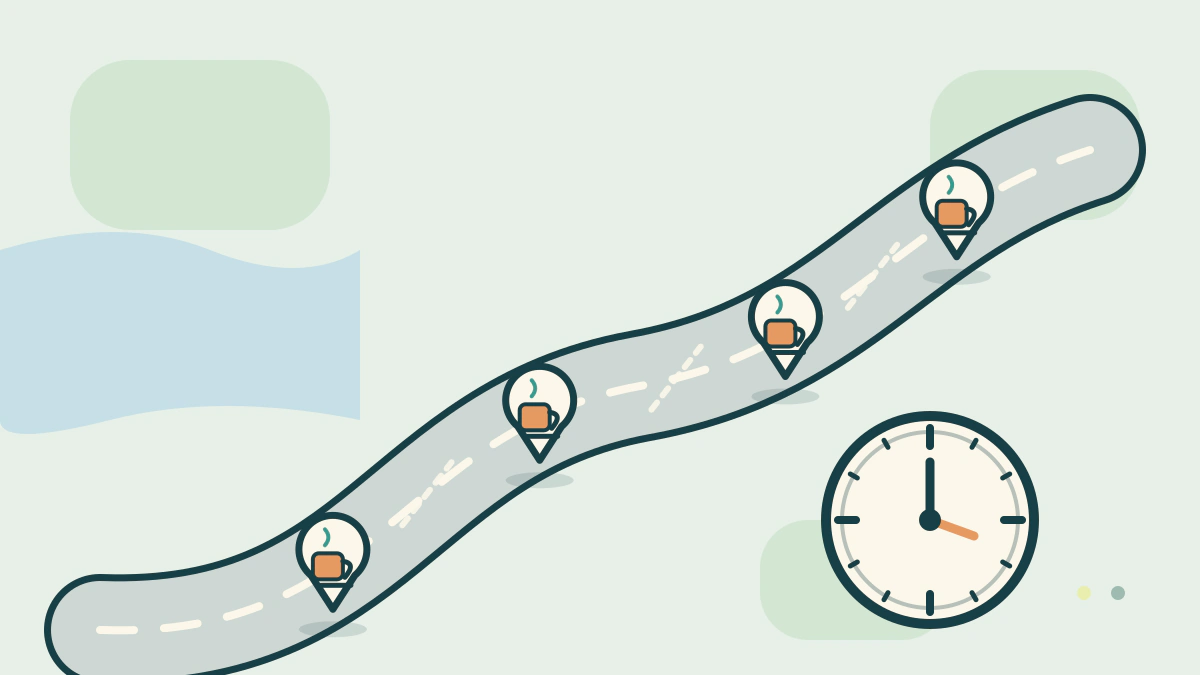
Plan rest stops on a long drive using federal drowsy-driving guidance, a practical two-hour rhythm and clear signs that say stop now rather than push on.
How often should you stop on a long drive?
Plan a break about every two hours, and stop at once if you notice any sign of drowsiness; no federal rule sets a stop interval for ordinary passenger cars. The two-hour rhythm is a planning default, not a legal limit. It gives you a chance to move and reset before fatigue builds.
NHTSA’s drowsy-driving guidance is built around prevention rather than a mileage formula. It says adequate sleep is the only true protection and gives short-term steps for a driver who is already sleepy.
What the law does and does not require
No federal regulation tells a passenger-car driver when to pull over. The FMCSA hours-of-service rules apply to commercial drivers. Property-carrying drivers may drive a maximum of 11 hours after 10 consecutive hours off duty, and must take a 30-minute break after 8 cumulative hours without at least a 30-minute interruption.
Those numbers are a useful benchmark, not a rule you can copy. A family on a holiday drive does not have a dispatcher or a logbook, and fatigue can arrive much sooner. The Driving Guides hub covers related trip-planning topics.
What drowsiness does before you nod off
NHTSA says drowsy-driving crashes most often happen between midnight and 6 a.m. or in the late afternoon, when the body’s internal clock dips. They often involve a single driver running off a high-speed rural road with no evidence of braking.
The agency also explains the microsleep problem. A brief loss of consciousness can last four or five seconds. At 55 mph, the car travels more than 100 yards in that time. A driver can be asleep that long and never remember it.
The American Academy of Sleep Medicine adds the health context. It recommends seven or more hours of sleep before driving and says drivers who usually sleep only four to five hours have 5.4 times the crash rate of drivers who get seven or more. Warning signs include yawning, drifting, nodding off, missing a turn and not remembering the last few miles.
A stop plan that works with a real trip
The table below is a planning guide, not a regulation. Adjust it for weather, traffic, children, pets and how you feel. Decide the stops before the trip, so a delay does not become a reason to skip them.
| Time behind the wheel | Suggested stop | Why it helps |
|---|---|---|
| Under 2 hours | Stop only if you need to | Short hops rarely build the same fatigue |
| Every 2 hours | 10 to 15 minutes out of the car | Movement, food, restroom and a change of scene |
| Around 4 to 5 hours | A longer meal stop, and switch drivers if possible | A real break, not just a fuel stop |
| Around 8 hours | Stop for the day or take a long rest | Even commercial rules require a break by this point |
| Any time | Stop at the first sign of drowsiness | A nap beats every in-car trick |
The last row matters most. A planned stop is a good habit; a stop taken because your eyes are closing is a necessity.
What makes a stop count
A stop at a pump is not a rest stop. Fueling, checking the phone and getting back in does not give the body much recovery. Park away from traffic, get out, walk, drink water and use the restroom.
NHTSA says a short nap can help. It suggests one to two cups of coffee and a 20-minute nap in a safe, lighted place such as a designated rest stop. The effect lasts only a short time, and caffeine alone is not enough when you are seriously sleep-deprived. Do not rely on energy drinks, open windows or loud music to carry you through a long stretch.
When to stop for the day
A long drive is a series of decisions, not one heroic push. If you started tired, stop earlier. If the trip runs into the hours after midnight, take a longer break or find a bed. If you have already caught yourself drifting, end the day rather than bargaining about the next exit.
Planning the overnight stop is part of the answer. The cross-country road trip guide covers route planning, and the pre-road-trip inspection covers vehicle checks that reduce unscheduled stops.
Passengers change the plan
A second licensed driver can share the wheel, which is one of the most effective ways to manage fatigue. The AASM recommends sharing the driving on long trips and avoiding driving alone when tired. A passenger can also watch for signs the driver may miss, such as drifting or prolonged silence.
Children and pets add stops of their own, so build those into the schedule instead of treating them as interruptions.
Frequently asked questions
Is there a legal limit on how long I can drive in one day?
Not for ordinary passenger-car drivers in the US. Federal hours-of-service limits apply to commercial motor vehicles. State driver manuals may offer guidance, but they do not set a personal limit. Fatigue still raises crash risk.
Should I stop every two hours or every 100 miles?
Either can work as a planning reminder, and the two often coincide on highways. Pick the one you will follow. Stop before you feel sleepy rather than chasing an exact number. Adjust for weather, traffic and how rested you are.
Does coffee count as a rest break?
No. Caffeine can improve alertness briefly, but it does not replace sleep. NHTSA suggests coffee plus a short nap as a temporary measure, and says the effect is brief. If you are seriously sleep-deprived, stop driving.
What should I do if I feel sleepy far from a rest stop?
Take the next safe exit or pull-off, even if it is not your planned stop. Do not stop on the shoulder of a busy highway unless it is an emergency. A lighted truck stop, rest area or open business is safer. A nap or a change of driver beats pushing to the next planned break.