E-fuels are made from carbon dioxide, hydrogen and renewable electricity. Learn how they are produced, where they fit and why scale and cost remain limits.
What are synthetic e-fuels?
E-fuels are fuels synthesized from a carbon source and hydrogen, usually made with water electrolysis, using renewable electricity. The DOE 21st Century Truck Partnership roadmap calls them electrofuels and groups them with other synthetic fuels.
The carbon can come from biomass, fossil products, the atmosphere or any industrial process that produces carbon dioxide. The hydrogen usually comes from splitting water with electricity. The electricity is the ingredient that decides whether the result is low carbon.
How the production process works
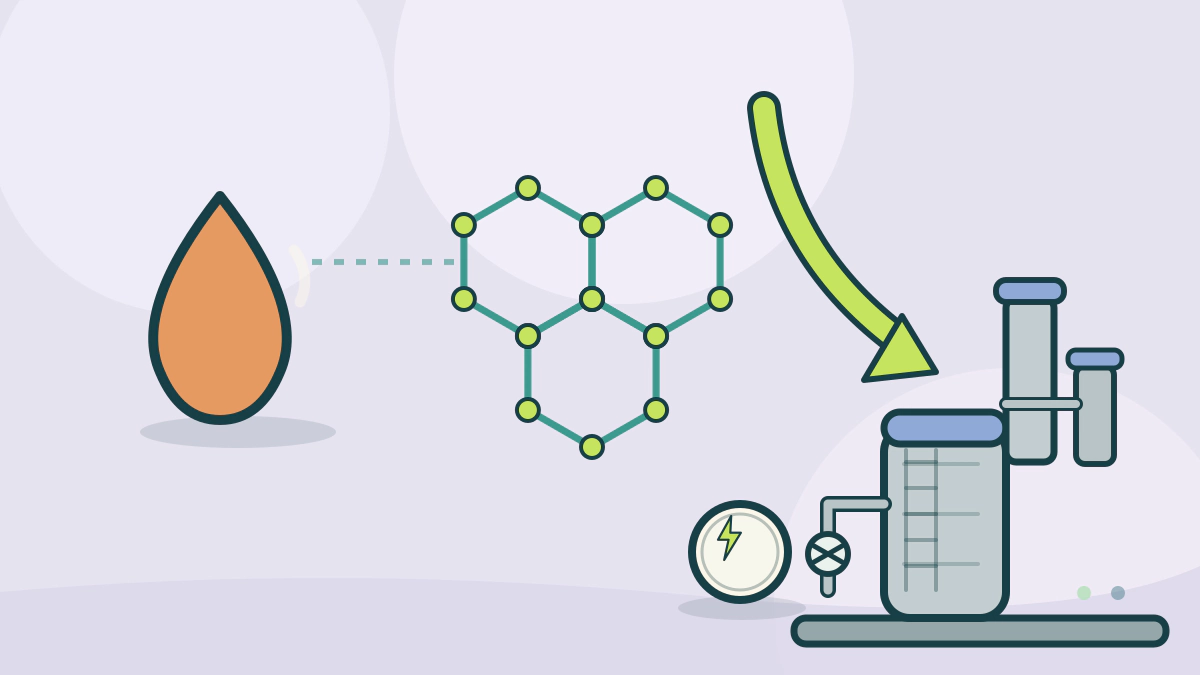
DOE describes a chain rather than a single process. Carbon dioxide is captured, hydrogen is produced, and the two are combined into simple molecules such as methanol or formate. Those intermediates are then converted into conventional fuels using known processes.
A second route reacts water and carbon dioxide directly in an electrochemical or electrocatalytic cell powered by electricity. That path typically does not use a separate hydrogen stream.
The DOE Bioenergy Technologies Office funds a consortium working on this idea. Its shorthand for electrofuels is e-fuels, and its research uses renewable electricity to upgrade carbon dioxide into fuels and chemicals.
A DOE article on NREL analysis gives a concrete example. Carbon dioxide from ethanol fermentation can be split and reconfigured by electrolyzers, and microbes can then turn the products into more ethanol.
Are e-fuels drop-in replacements?
The DOE roadmap says e-fuels have combustion properties similar to fossil fuels. Liquid e-fuels can be produced in sunny or nuclear-powered regions and shipped globally, and the refueling infrastructure for liquid fuels is already robust.
That makes them attractive for vehicles that cannot easily switch to batteries. The same properties create a limit: because they burn like fossil fuels, they do not eliminate tailpipe criteria emissions.
The chemical formula is not what makes a fuel an e-fuel. The definition rests on the carbon source, the hydrogen source and the electricity used to make it.
Why e-fuels get attention
The strongest case is the existing fleet. DOE notes that liquid fuels can serve legacy vehicles and equipment that will remain in service for years, using fuel distribution that already works.
Aviation, marine shipping, chemical manufacturing and heavy industry are also targets because batteries are hard to apply there. DOE’s CO2RUe consortium names those sectors in its mission, and the DOE roadmap points to sustainable aviation fuel commitments in Europe as one example of demand.
The alternative is not free. DOE estimates that e-fuels used in combustion vehicles need two to four times the electric power per mile that a battery-electric vehicle needs. That gap matters when renewable electricity is limited.
How e-fuels compare with biofuels and batteries
| Feature | E-fuels | Biofuels | Battery electric |
|---|---|---|---|
| Main feedstock | Carbon dioxide plus hydrogen | Biomass, fats, oils, crops | Grid electricity |
| Energy input | Renewable electricity, mainly for hydrogen | Sunlight via plants, plus processing heat | Electricity for charging |
| Refueling | Liquid fuels can use existing infrastructure | Blends with diesel or gasoline | Charging equipment, at home or public |
| Tailpipe criteria emissions | Similar combustion emissions to fossil fuels | Generally lower than fossil fuels, but not zero | None from the vehicle |
| Electric power per mile | Two to four times a battery EV, per DOE | Not stated in the same comparison | Baseline |
| Commercial status in the DOE roadmap | Pilot and limited commercial production | In widespread use, mostly blends of 20% or less | Not assessed in the same roadmap section |
The scale and cost barriers
E-fuel production at scale is limited. The DOE roadmap counts only a small number of commercial e-fuel and chemical facilities, and describes large pilot plants as modest in number.
Cost is the main barrier. DOE lists the cost of renewable electricity first, then electrolyzer capital cost and the cost of carbon dioxide. It says policy support may be needed for economic viability.
The electricity source also decides the climate result. E-fuels must be made with renewable electricity to have low carbon intensity, and DOE notes the grid still relies mostly on traditional sources.
Claims that deserve a closer look
A fuel labeled synthetic is not automatically an e-fuel. A liquid made from natural gas or coal is synthetic in the ordinary sense, but it does not meet the carbon dioxide and renewable electricity definition above.
A low-carbon claim also depends on the lifecycle boundary. Ask where the carbon dioxide came from, how the hydrogen was made, which electricity powered the plant and what emissions were counted upstream.
For the wider set of fuel choices, see alternative fuels versus electric vehicles. The policy side is covered in why vehicle emissions rules change, and more fuel topics sit under Fuel and Efficiency.
Frequently asked questions
Are e-fuels the same as biofuels?
No. Biofuels are made from biomass such as crops, fats and waste. E-fuels are synthesized from a carbon source and hydrogen using electricity, and the carbon can come from the air or an industrial plant.
Do e-fuels produce zero emissions?
No. DOE says e-fuels have combustion properties similar to fossil fuels and do not eliminate tailpipe criteria emissions. Their climate benefit depends on using renewable electricity and on the full lifecycle.
Can my car run on e-fuels today?
Some e-fuels are designed as drop-in liquid fuels, but availability is very limited and production is small. Confirm the fuel specification and the manufacturer’s approval before using any alternative fuel.
Why are e-fuels less efficient than battery electric vehicles?
DOE estimates that e-fuels in combustion vehicles need two to four times the electric power per mile of a battery EV. The conversion steps from electricity to hydrogen to liquid fuel lose energy along the way.