Fuel and Efficiency
Make sense of MPG, energy consumption, gasoline grades, fuel systems and the cost of each mile. Compare vehicles on realistic driving patterns and available fuel or charging options.
24 researched guides are published in this section. The completed articles are linked below; other topics remain planned. Unpublished topic titles are not presented as articles.
Explore subtopics
Topic previews are part of our editorial roadmap, not links to unwritten articles.
Alternative Fuels
- Alternative Fuels vs Electric Vehicles
- CNG Vehicles: Advantages and Limitations
- Hydrogen Fuel Cell Cars Explained
- Renewable Diesel vs Biodiesel
- Synthetic E-Fuels: What Are They?
Emissions and Environment
- EPA Vehicle Emissions Labels Explained
- How Vehicle Weight Affects Energy Use
- Tailpipe Emissions vs Lifecycle Emissions
- What Does a Catalytic Converter Remove?
- Why Cold Starts Cause Higher Emissions
Fuel Economy Measurements
- City vs Highway MPG: Why They Differ
- How the EPA Tests Fuel Economy
- How to Calculate Your Actual Gas Mileage
- L per 100 km vs MPG Conversion
- MPG vs MPGe Explained
Gas and Fuel Types
- Can Fuel Additives Improve Gas Mileage?
- E10 vs E15 vs E85 Gasoline
- Ethanol-Free Gas: When Is It Needed?
- Regular vs Premium Gas: Does It Matter?
- What Does Octane Rating Mean?
Improving Efficiency
- Does Driving Faster Reduce MPG?
- Does Idling Use More Fuel Than Restarting?
- Does Roof Cargo Reduce Gas Mileage?
- Eco Mode in Cars: What Does It Do?
- How Tire Pressure Affects Fuel Economy
Verified guides in this category

Alternative Fuels vs Electric Vehicles
Compare battery-electric vehicles with hydrogen, natural gas, propane, ethanol, biodiesel and renewable diesel by infrastructure, emissions and use case.
Read guide ↗
Can Fuel Additives Improve Gas Mileage?
See what EPA and FTC tests say about fuel additives, octane boosters and mileage claims, and which additive uses are maintenance rather than fuel savings.
Read guide ↗
City vs Highway MPG: Why They Differ
City mpg is usually lower because the city test stops, idles and starts cold. See why the highway cycle scores better and when hybrids reverse the gap.
Read guide ↗
CNG Vehicles: Advantages and Limitations
Compressed natural gas can lower fuel costs and some emissions, but limited stations, shorter range and tank service needs shape who can use it.
Read guide ↗
Does Driving Faster Reduce MPG?
Learn when extra speed starts costing fuel, what the government speed tests measured, and how much gas each 5 mph over 50 is likely to add.
Read guide ↗
Does Idling Use More Fuel Than Restarting?
See what idling costs per minute, what a restart really uses, and when shutting the engine off saves money without adding starter wear.
Read guide ↗
Does Roof Cargo Reduce Gas Mileage?
Read the measured fuel penalty of a roof cargo box, why drag matters more than weight, and how to estimate the cost on your own highway trip.
Read guide ↗
E10 vs E15 vs E85 Gasoline
Compare E10, E15 and E85 by ethanol content, approved vehicles, fuel economy and cost per mile, and learn which blend your owner's manual allows.
Read guide ↗
Eco Mode in Cars: What Does It Do?
Eco mode alters throttle response, shift points and climate output to save fuel. See what Kia and Hyundai manuals say it changes, and where it stops.
Read guide ↗
EPA Vehicle Emissions Labels Explained
Read the EPA window sticker section by section: fuel economy, smog and greenhouse gas ratings, tailpipe CO2 and the assumptions behind each number.
Read guide ↗
Ethanol-Free Gas: When Is It Needed?
Learn when ethanol-free gasoline is required, when E10 is allowed, and how boats, small engines, aircraft and modern cars differ in what they can burn.
Read guide ↗
How the EPA Tests Fuel Economy
See how EPA fuel economy ratings are produced in a laboratory, from the five test cycles and dynamometer runs to the combined window-sticker number.
Read guide ↗
How Tire Pressure Affects Fuel Economy
Underinflation raises rolling resistance and wastes fuel. See what EPA and NHTSA say about psi, TPMS, cold checks and the real size of the savings.
Read guide ↗
How to Calculate Your Actual Gas Mileage
Use the fill-to-fill method to measure your own mpg, with a worked example, the errors that spoil the result and reasons your number differs from the label.
Read guide ↗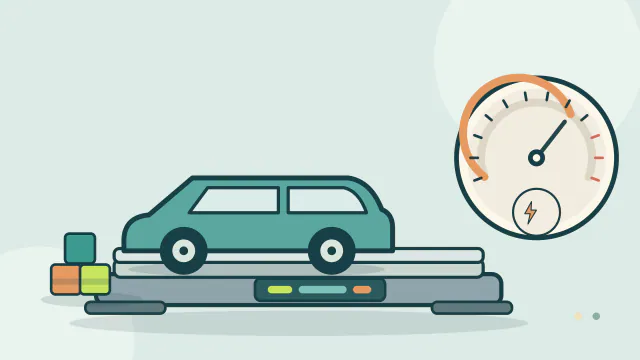
How Vehicle Weight Affects Energy Use
Vehicle weight changes the energy needed to accelerate, climb and roll. See where extra mass costs fuel, with simple physics and EPA test assumptions.
Read guide ↗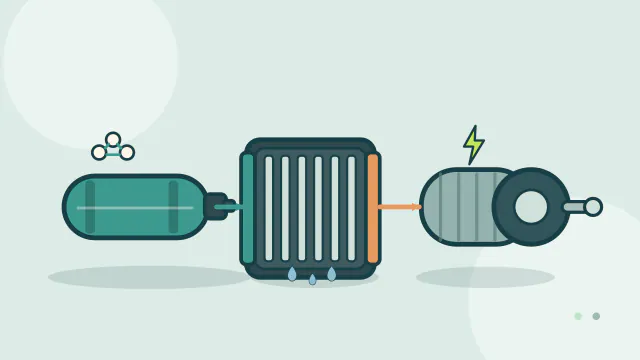
Hydrogen Fuel Cell Cars Explained
See how a hydrogen fuel cell car makes electricity, why its tank shapes the design, what comes out of the tailpipe and where refueling is still limited.
Read guide ↗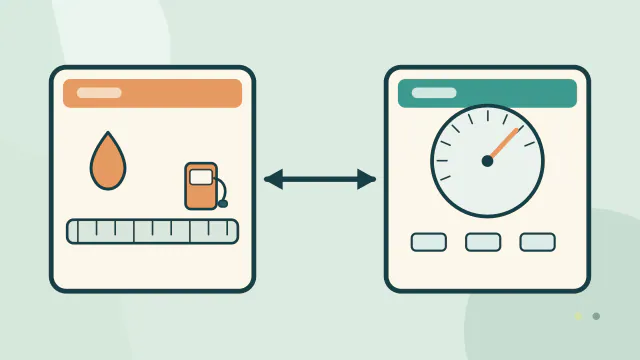
L per 100 km vs MPG Conversion
Convert between liters per 100 km and US mpg with the 235.215 factor, worked examples and a reminder that the two scales run in opposite directions.
Read guide ↗
Regular vs Premium Gas: Does It Matter?
Premium fuel matters only when the owner's manual requires or recommends it. Learn to read the fuel wording, understand the octane rule and run the cost gap.
Read guide ↗
Renewable Diesel vs Biodiesel
Learn how renewable diesel and biodiesel differ in chemistry, feedstocks, standards, blending and vehicle approval, and which one fits your diesel.
Read guide ↗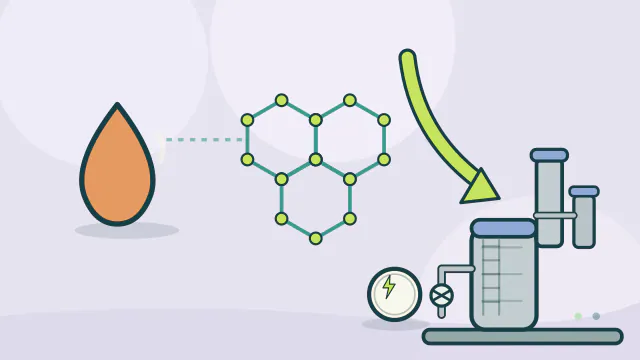
Synthetic E-Fuels: What Are They?
E-fuels are made from carbon dioxide, hydrogen and renewable electricity. Learn how they are produced, where they fit and why scale and cost remain limits.
Read guide ↗
Tailpipe Emissions vs Lifecycle Emissions
Tailpipe emissions cover what leaves the car; lifecycle emissions add fuel production, manufacturing and disposal. See what each boundary includes and hides.
Read guide ↗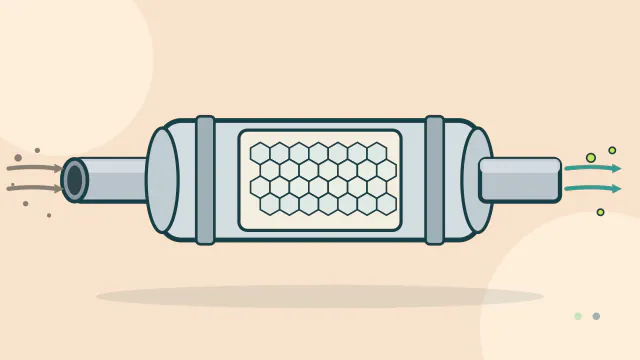
What Does a Catalytic Converter Remove?
A catalytic converter does not trap pollutants. It converts carbon monoxide, hydrocarbons and nitrogen oxides into carbon dioxide, water and nitrogen.
Read guide ↗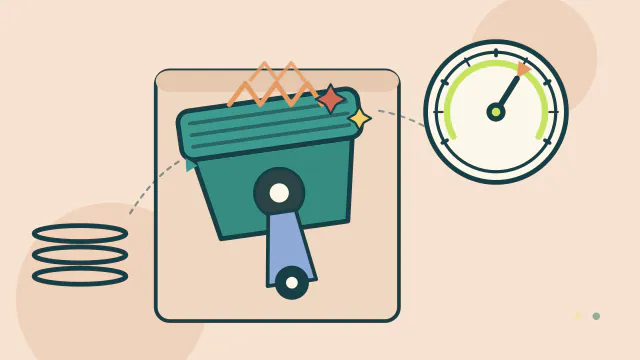
What Does Octane Rating Mean?
Octane measures a gasoline's resistance to engine knock. See how research and motor octane numbers combine into the US pump rating, and why engines differ.
Read guide ↗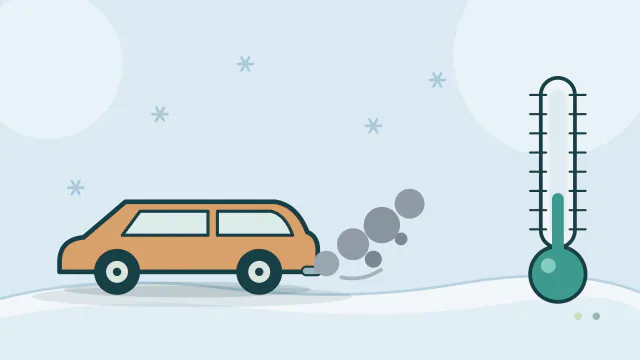
Why Cold Starts Cause Higher Emissions
Cold starts raise emissions because the engine runs fuel-rich and the catalytic converter is too cool to work. See what changes and how to limit the effect.
Read guide ↗