Learn what wheel offset means, how positive, zero and negative offset change wheel position, and how to check fitment with your manual before changing wheels.
What does wheel offset mean?
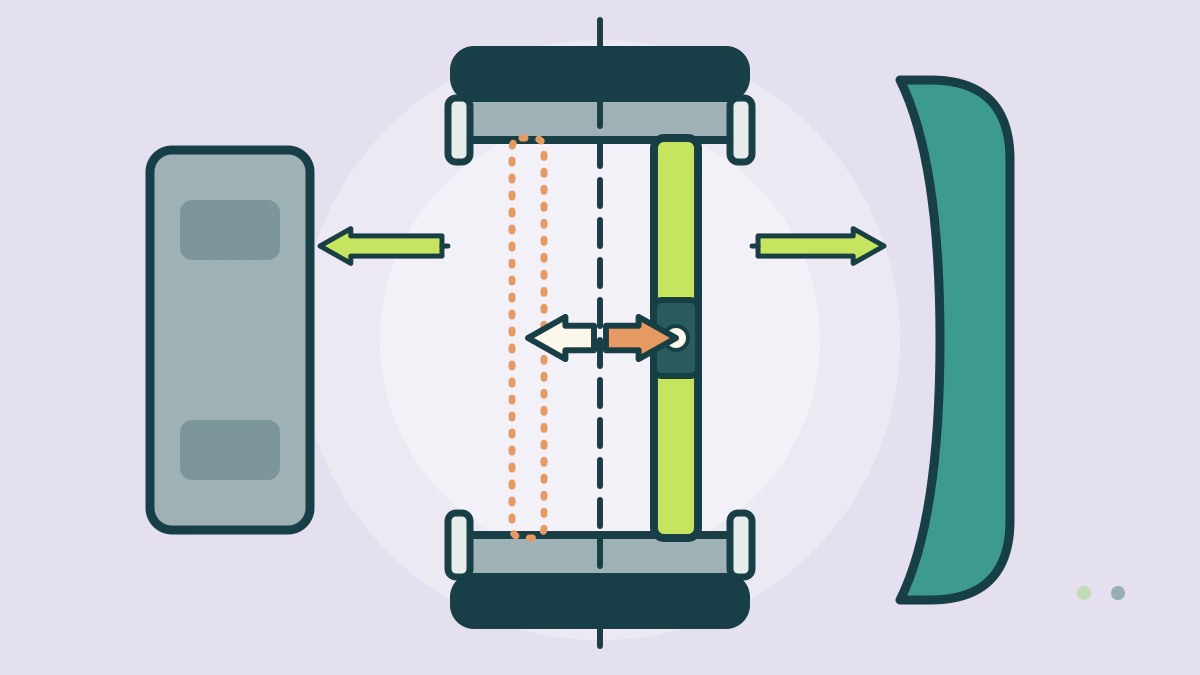
Wheel offset is the distance between a wheel’s mounting surface and the centerline of the wheel. The mounting surface is the face that bolts to the hub. The centerline is the middle of the wheel’s width.
Method Race Wheels, a wheel maker, says offset affects how the wheel sits in relation to the vehicle’s body and suspension. Two wheels with the same diameter and width can sit in very different places if their offsets differ.
Positive, zero and negative offset
Offset has a sign. It tells you which side of the centerline the mounting surface is on.
- Positive offset. The mounting surface is in front of the centerline, toward the face of the wheel. The wheel sits closer to the vehicle’s body, according to Method.
- Zero offset. The mounting surface lines up with the centerline.
- Negative offset. The mounting surface is behind the centerline. The wheel sits further out from the vehicle’s body.
Method also describes the trade-offs. Negative offset gives a wider stance but may mean increased wear on suspension components and possible fender clearance issues. Positive offset may lead to a narrower track.
A worked illustration with made-up numbers
The numbers below are an illustration only. They describe an imaginary wheel 200 mm wide, so the centerline is 100 mm from each edge. They are not specifications for any real vehicle.
For a given offset, the distance from the mounting surface to the outer edge is half the width minus the offset. The distance to the inner edge is half the width plus the offset. The table applies that arithmetic.
| Offset | Mounting surface to outer edge | Mounting surface to inner edge | Position compared with +40 |
|---|---|---|---|
| +40 mm | 60 mm | 140 mm | Baseline |
| +20 mm | 80 mm | 120 mm | 20 mm further out |
| 0 mm | 100 mm | 100 mm | 40 mm further out |
| -20 mm | 120 mm | 80 mm | 60 mm further out |
The hub stays put, so the whole wheel moves out as the offset falls. Moving from +40 to +20 shifts the wheel 20 mm outward. On the same axle, both sides shift, so the track gets 40 mm wider.
This is arithmetic, not a fit guarantee. As offset falls, the outer edge sits further from the hub, so less gap is left to the fender. The inner edge sits closer to the hub, so more gap opens on the suspension side. The real gaps also depend on tire size, suspension design and steering movement.
What a change in offset can affect
A wheel with the wrong offset can touch things it should not. Method points to fender clearance and wear on suspension components. Kia’s wheel replacement section is broader. It says a wheel with an incorrect size may adversely affect:
- wheel and bearing life
- braking and stopping ability
- handling characteristics
- ground clearance and body-to-tire clearance
- snow chain clearance
- speedometer and odometer calibration
- headlight aiming and bumper height
Kia adds that wheels that do not meet its specifications may fit poorly and cause damage or unusual handling and poor vehicle control. That is the manufacturer’s reason for matching the originals.
How to check fitment before changing wheels
Offset is one number among several. Check all of them before buying.
- Owner’s manual. Kia’s manual says new wheels must be equivalent to the factory wheels in diameter, rim width and offset. Its specification table lists wheel size as width and diameter, such as 6.5J x16, but that table does not list offset. Ask a dealer for the original offset.
- Tire label. NHTSA points owners to the tire and loading label for the correct tire size and pressure. Read our guide to the tire pressure placard versus the sidewall.
- Wheel maker. Ask the maker to confirm the wheel fits your exact model, year and trim.
- Everything else. Bolt pattern, nut seat and tire pressure sensors also matter. Our guide to steel wheels versus alloy wheels covers nut seat and sensors.
Kia’s tire replacement section also says tires must match the original size, because tire size affects wheel speed and the ABS and ESC systems. Offset is a wheel dimension, not a drivetrain term; for drivetrain terms see what AWD means.
For efficiency effects of wheel changes, see aftermarket wheels and EV range. The hub page for this topic is Tires, Wheels and Brakes.
Frequently asked questions
Is positive offset the wheel sitting further in or further out?
Further in. With positive offset the mounting surface is in front of the centerline, so the wheel sits closer to the vehicle’s body. Negative offset does the opposite and pushes the wheel outward.
Can two wheels of the same size have different offsets?
Yes. Diameter and width describe the wheel’s size, while offset describes where the mounting surface sits within that width. Two wheels that look the same on paper can sit in different places on the car.
Does offset affect fender clearance?
It can. Method says negative offset may cause fender clearance issues, and Kia lists body-to-tire clearance among the things an incorrect wheel can affect. Tire size matters too, so confirm the whole combination.
Where do I find the right offset for my car?
Start with the owner’s manual for the wheel specification, then ask a dealer or the wheel maker to confirm. Kia’s manual says replacement wheels must match the originals in diameter, rim width and offset.