Tires Wheels Brakes and Suspension
Study tire markings, fitment, wheel geometry, brake systems and suspension wear. These components strongly influence handling, ride quality and stopping performance.
25 researched guides are published in this section. The completed articles are linked below; other topics remain planned. Unpublished topic titles are not presented as articles.
Explore subtopics
Topic previews are part of our editorial roadmap, not links to unwritten articles.
Brake Care
- Brake Pads vs Brake Rotors: Differences
- Brake Squeal vs Brake Grinding
- How Long Do Brake Pads Last?
- How to Recognize Brake Fluid Problems
- When Do Brake Rotors Need Replacement?
Suspension and Ride
- Bad Strut vs Bad Shock: What's Different?
- What Causes a Car to Bounce Excessively?
- Wheel Bearing Noise: How to Recognize It
- Worn Ball Joint Warning Signs
- Worn Shock Absorber Symptoms
Tire Condition and Pressure
- How to Check Tire Tread Depth
- How to Read Tire Size Numbers
- Tire Pressure: Door Sticker vs Sidewall Maximum
- Tire Rotation Patterns Explained
- Why Tires Wear Unevenly
Tire Types and Selection
- All-Season vs All-Weather Tires
- All-Terrain vs Highway Terrain Tires
- Run-Flat Tires: Pros and Cons
- Touring vs Performance Tires
- Winter Tires vs All-Season Tires
Wheels and Alignment
- How to Read Wheel Bolt Patterns
- Steel Wheels vs Alloy Wheels
- What Causes a Bent Wheel?
- What Does Wheel Offset Mean?
- Wheel Alignment vs Wheel Balancing
Verified guides in this category
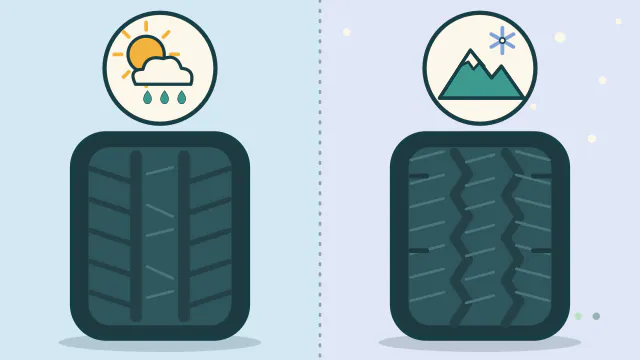
All-Season vs All-Weather Tires
Learn how all-season and all-weather tires differ, what the M+S and three-peak mountain snowflake markings mean, and what the sources do and do not promise.
Read guide ↗
All-Terrain vs Highway Terrain Tires
Compare all-terrain and highway-terrain tires using NHTSA guidance, fueleconomy.gov rolling resistance data and a truck owner's manual on size and towing.
Read guide ↗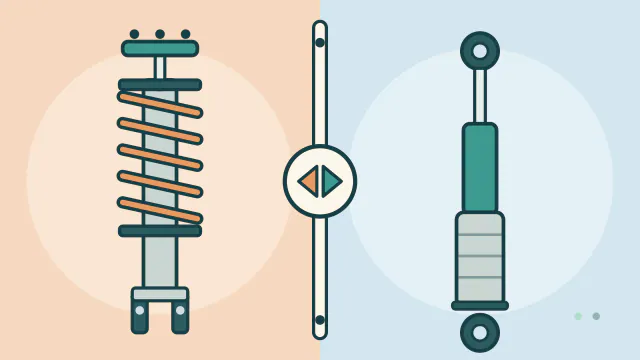
Bad Strut vs Bad Shock: What's Different?
Compare a bad strut with a bad shock absorber using FTC, NHTSA and Pennsylvania inspection sources: what each does, what failure looks like and who names the part.
Read guide ↗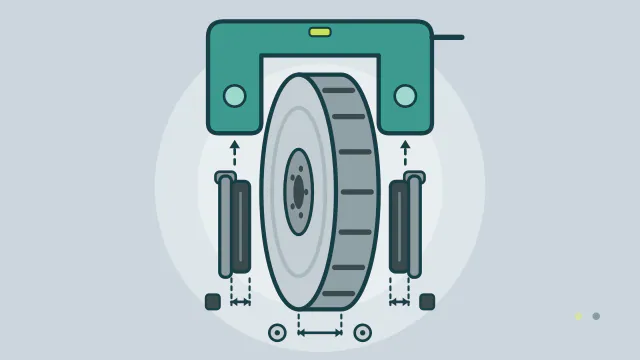
Brake Pads vs Brake Rotors: Differences
Learn how brake pads and rotors differ in job, wear and inspection, using Car Care Council guidance, a Kia owner's manual and Department of Energy brake notes.
Read guide ↗
Brake Squeal vs Brake Grinding
Compare brake squeal and brake grinding: what each noise can mean, why grinding is the more urgent warning, and what to record before a shop visit.
Read guide ↗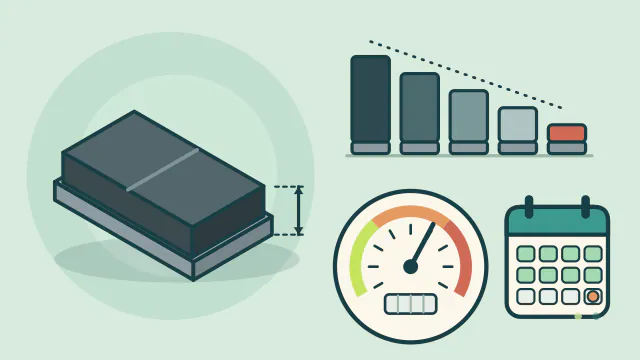
How Long Do Brake Pads Last?
Brake pad life has no universal mileage. Learn what changes wear, what a manual and shop inspection can tell you, and how to track your own pads.
Read guide ↗
How to Check Tire Tread Depth
Check tire tread depth with the penny test, the built-in wear bars or a gauge, measure several spots on each tire, and know when NHTSA says to replace it.
Read guide ↗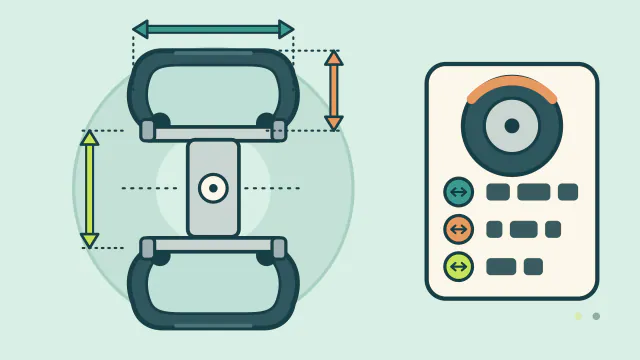
How to Read Tire Size Numbers
Decode a tire size such as P215/55R17 94V part by part, work out sidewall height from width and aspect ratio, and learn where to find the size your car needs.
Read guide ↗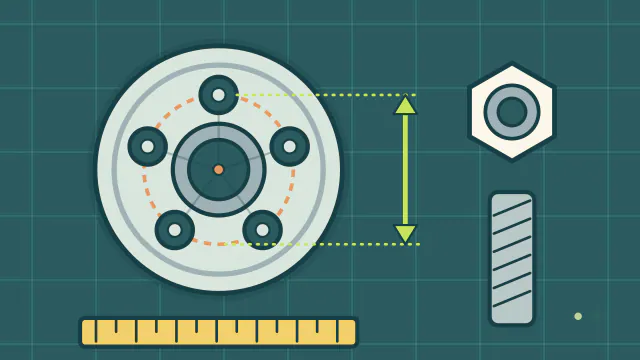
How to Read Wheel Bolt Patterns
Learn how a wheel bolt pattern pairs lug count with circle diameter, how to check it with simple arithmetic, and why fitment needs more than a match.
Read guide ↗
How to Recognize Brake Fluid Problems
Learn the signs of brake fluid trouble, from a sinking pedal and warning lights to a falling reservoir level, and when to stop driving and call a technician.
Read guide ↗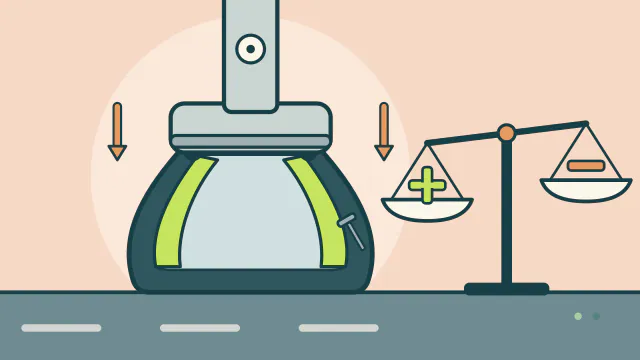
Run-Flat Tires: Pros and Cons
Learn what run-flat tires are, the benefits and limits two owner's manuals describe, why TPMS matters, and what the manuals say about repair and replacement.
Read guide ↗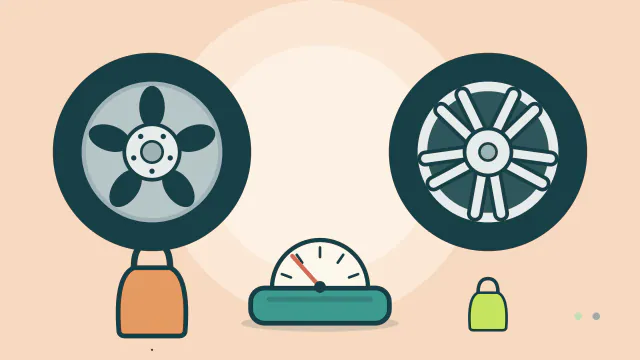
Steel Wheels vs Alloy Wheels
Compare steel and alloy wheels on weight, care, corrosion, TPMS and lug nut fit, using owner's manual statements and clearly labelled reasoning.
Read guide ↗
Tire Pressure: Door Sticker vs Sidewall Maximum
The doorjamb tire placard shows the vehicle maker's recommended cold tire pressure; the number molded on the tire sidewall is a different maximum-pressure marking.
Read guide ↗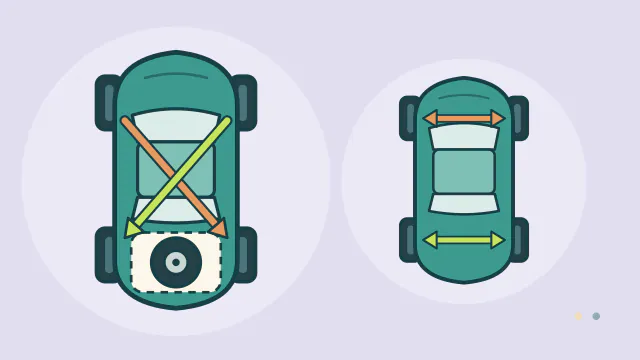
Tire Rotation Patterns Explained
Learn how forward cross and rearward cross patterns move your tires, how drivetrain, spare and directional tires change the plan, and where to confirm yours.
Read guide ↗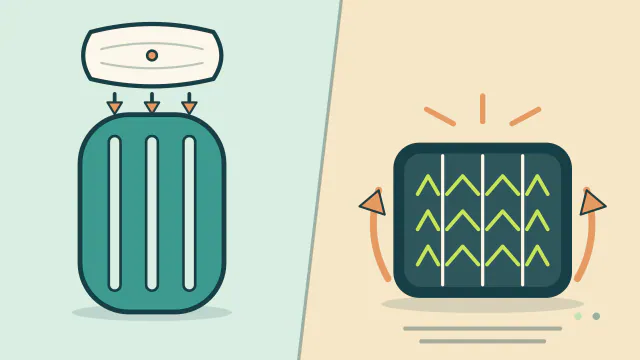
Touring vs Performance Tires
Learn how touring and performance tires differ, what the federal treadwear, traction and temperature grades do and do not tell you, and how to choose.
Read guide ↗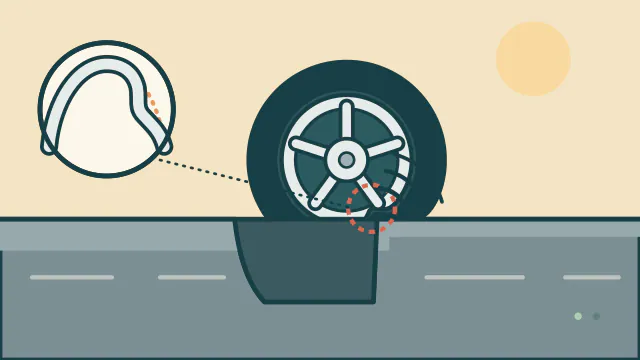
What Causes a Bent Wheel?
Learn what bends a wheel, the symptoms to watch for and why manuals and NHTSA say to inspect after a pothole or curb hit, with alignment and balance explained.
Read guide ↗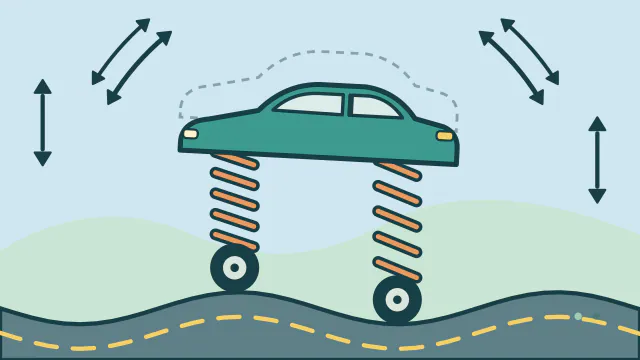
What Causes a Car to Bounce Excessively?
Learn what makes a car bounce: worn shocks or struts, tire pressure, heavy loads and damaged springs, with the FTC bounce test and a Pennsylvania rule.
Read guide ↗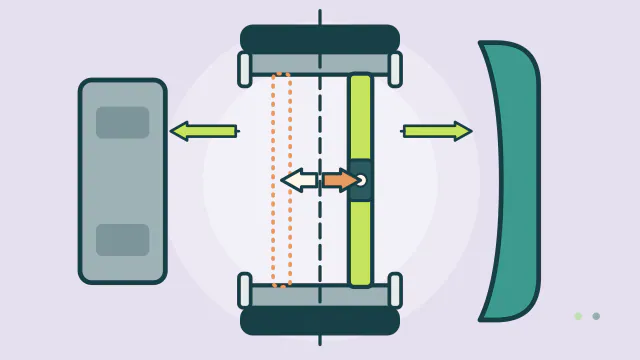
What Does Wheel Offset Mean?
Learn what wheel offset means, how positive, zero and negative offset change wheel position, and how to check fitment with your manual before changing wheels.
Read guide ↗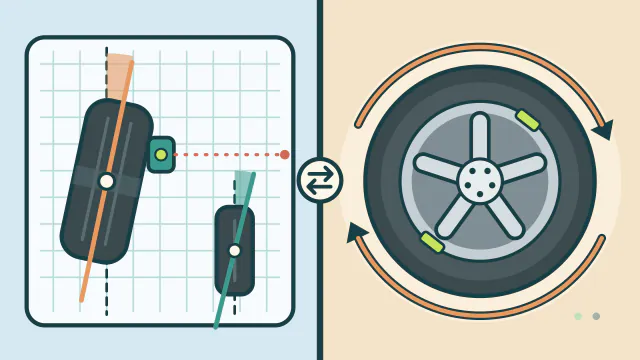
Wheel Alignment vs Wheel Balancing
Learn how wheel alignment (camber, caster, toe) differs from wheel balancing, which symptoms point to each, and what to ask a shop before paying.
Read guide ↗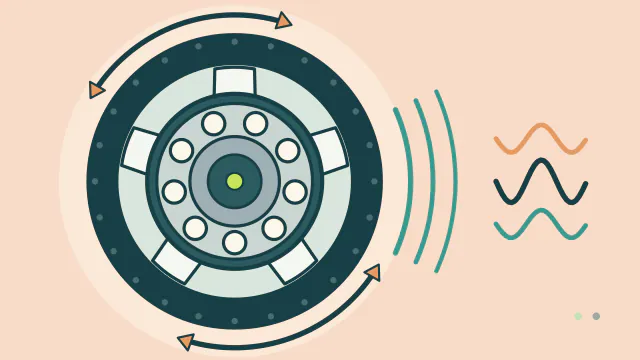
Wheel Bearing Noise: How to Recognize It
Learn how to recognize wheel bearing noise by ruling out tires, brakes and loose wheel parts first, and what shops and manuals say they check at the wheel end.
Read guide ↗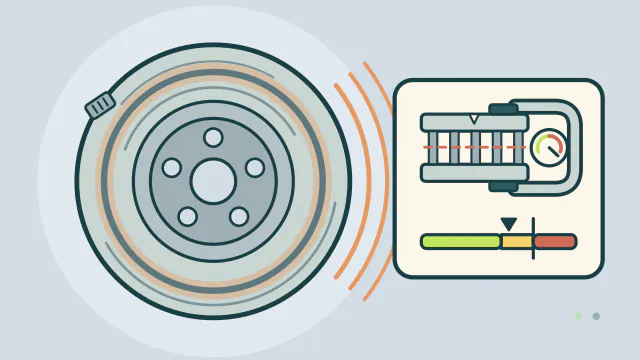
When Do Brake Rotors Need Replacement?
Learn what decides rotor replacement: the minimum thickness set by the maker, scoring, pulsation and rust, using Pennsylvania's inspection rule and manuals.
Read guide ↗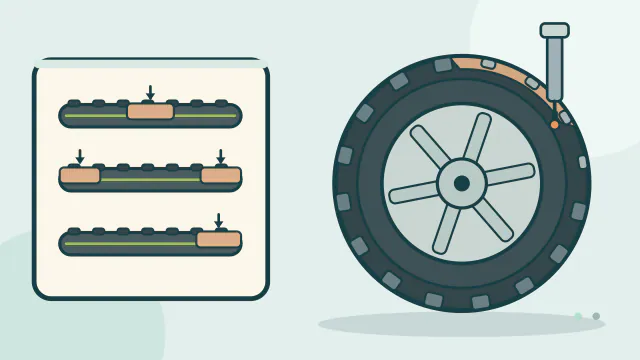
Why Tires Wear Unevenly
Four tires never do the same work. See how drive torque, braking, cornering, pressure, alignment and rotation shape tread wear, and which check comes first.
Read guide ↗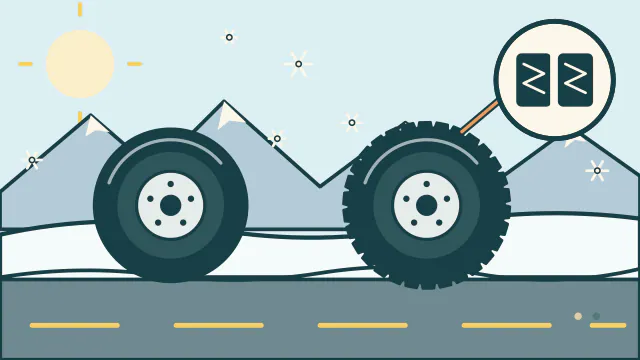
Winter Tires vs All-Season Tires
Compare winter and all-season tires using NHTSA, fueleconomy.gov and manual guidance: compounds, tread, M+S and snowflake markings, pressure and fitting rules.
Read guide ↗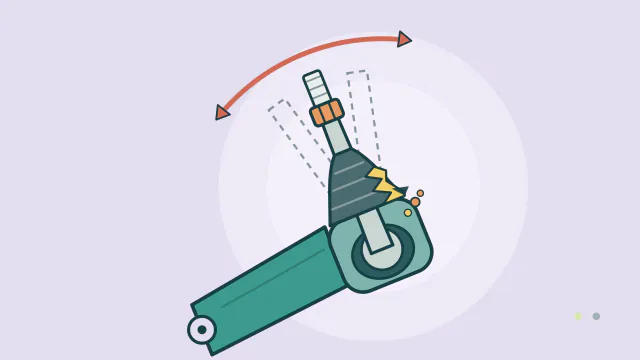
Worn Ball Joint Warning Signs
Learn the warning signs of a worn ball joint, from wandering steering to cracked boots, using FTC, Kia, Ford, Pennsylvania and NHTSA sources.
Read guide ↗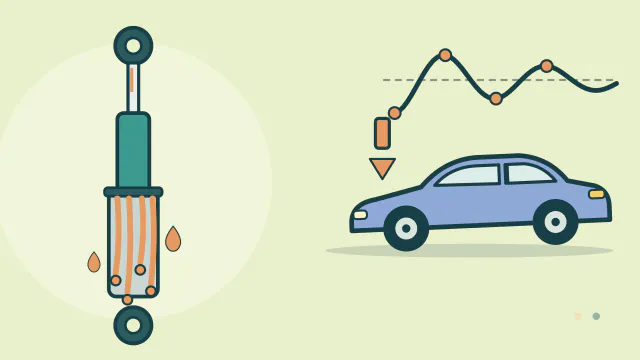
Worn Shock Absorber Symptoms
Learn the symptoms of worn shock absorbers, from leaks and rocking to clunks and tire wear, using FTC, Pennsylvania, Ford and Car Care Council sources.
Read guide ↗