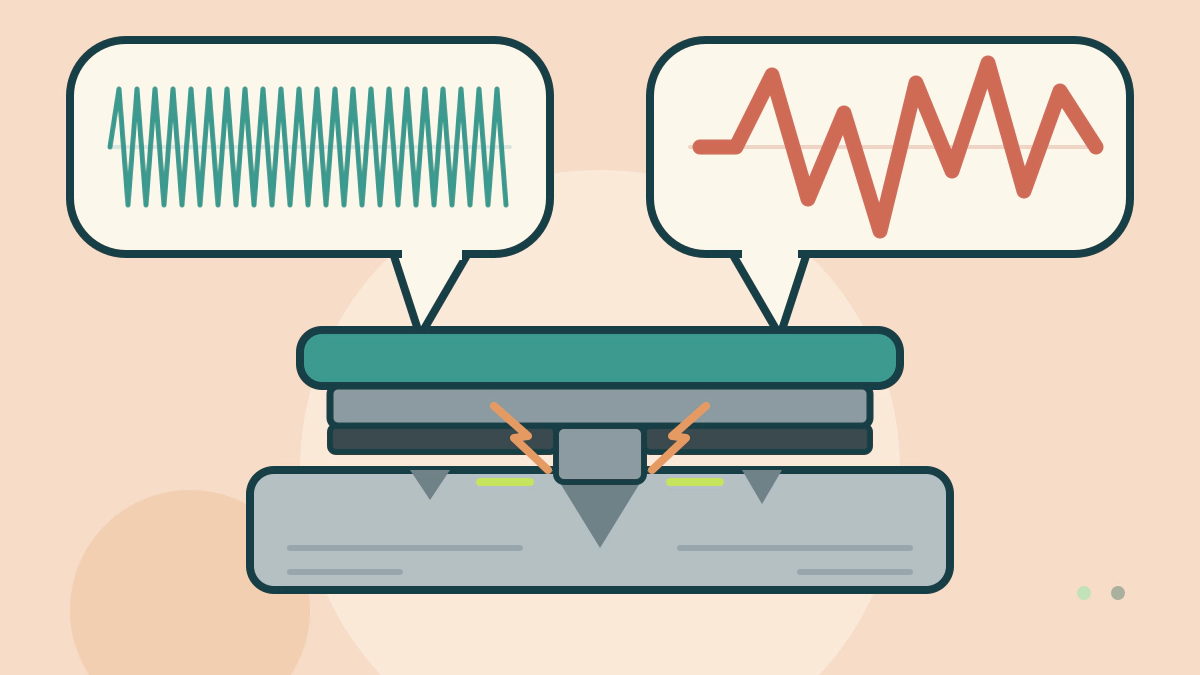
Compare brake squeal and brake grinding: what each noise can mean, why grinding is the more urgent warning, and what to record before a shop visit.
Which brake noise is more urgent?
Grinding is the more urgent noise, because a squeal is often an early warning while grinding can mean the friction material is already worn out. Neither sound can be diagnosed by ear alone. Both need a look at the pads and rotors.
The FTC lists scraping or grinding during braking as a reason to schedule diagnosis and repair. It also describes a high-pitched, piercing metallic screech as a sound caused by brake wear indicators, which are there to tell you maintenance is due.
For the wider question of what a squeal means, read squealing brakes: when to worry.
How squeal and grinding differ
The table uses the FTC’s advice and the 2026 Kia K5 owner’s manual. Your own manual may word things differently.
| What you hear | What the sources say | Sensible response |
|---|---|---|
| Thin, high screech while driving | The FTC says brake wear indicators cause a screech to signal maintenance | Book a brake inspection soon and ask for pad thickness to be measured |
| Brief squeal in certain weather or road conditions | The Kia manual calls it a normal phenomenon, not a malfunction | Note the conditions and see whether it fades |
| Squeal that is continuous | The Kia manual says the brake lining may be worn out | Have the brakes checked |
| Grinding or scraping | The FTC says to schedule diagnosis; the Kia manual says continuous grinding may mean worn lining | Arrange an inspection promptly and limit driving until then |
| Any noise plus a lit brake light, pulling or a sinking pedal | The FTC lists each as a reason for diagnosis and repair | Do not treat it as a noise problem; see the section on stopping driving |
Why a squeal is not always a fault
The Kia K5 manual says that under certain driving or weather conditions you may hear a squealing sound when you step on the pedal. It says this is a normal phenomenon, not a brake malfunction.
The same page mentions roads treated with deicing chemicals. It says the chemicals can cause brake noise and tells drivers to use the brakes, under safe traffic conditions, to clear them from the disc and pad.
Wet brakes are another case. The manual’s good braking practices page says brakes can get wet in water or after a wash. Wet brakes may stop the car less quickly and pull it to one side. It says to apply them lightly until braking returns to normal, and to stop and call for help if it does not.
The manual’s high performance brake section, for cars so equipped, says squeal, squeak or groan can be normal with those large brakes. It still says continuous grinding or squeal may mean the lining is worn out.
What persistent grinding can point to
The Kia manual says the brake lining may be worn out. These sources do not say what else is affected, so only an inspection can show the rotor condition.
Use these questions at the shop:
- What is the measured pad thickness, and what minimum does the manufacturer specify?
- What condition are the rotors in, and how was that checked?
What to record before the visit
Write down:
- When the noise happens: first stops of the day, after rain, every stop, or while coasting.
- Which corner of the car it seems to come from.
- Whether the pedal feels different.
- Whether any warning light stays lit after the engine starts.
On the K5, the parking brake and brake fluid warning light should go out once the parking brake is released and the fluid level is adequate.
When to stop driving
Some symptoms are about braking performance, not noise. The FTC says to schedule diagnosis if the car pulls to one side when braking, the pedal sinks to the floor under steady pressure, or the brake light stays lit. It also says light smoke from a wheel suggests a stuck brake and the car should be towed.
The Kia manual says a brake warning light that stays on with the parking brake released may mean a brake system malfunction needing immediate attention. If you also notice a spongy pedal, read why a brake pedal feels soft or spongy. A shake through the pedal or wheel has its own guide: why a car vibrates when braking.
Catching wear before it is loud
Noise is a late way to learn about pad wear. The Car Care Council says regular brake inspections are the best way to ensure safe, reliable braking and minimize repair costs. It also advises an annual inspection even when you suspect nothing.
The K5 manual adds that disc brake pads should be inspected whenever tires are rotated. Browse more upkeep topics under Tires, Wheels and Brakes.
Frequently asked questions
Is brake squeal ever normal?
Sometimes. The 2026 Kia K5 manual calls squealing under certain driving or weather conditions normal. A continuous squeal, or one with other symptoms, should be inspected.
Can I keep driving with grinding brakes?
The FTC says grinding during braking is a reason to schedule diagnosis and repair, and the Kia manual says the lining may be worn out. Neither source gives a safe distance to drive. Arrange an inspection promptly and avoid long trips until then.
Do rain or a car wash cause brake noise?
They can change how brakes behave. The Kia manual says wet brakes can stop less quickly and pull to one side, and that light applications dry them. If normal braking does not return, stop when it is safe and call for help.
Can the noise tell me which part needs replacing?
No. A noise only points toward a cause. A measurement of the pads and rotors confirms it, so ask the shop for the numbers before agreeing to a repair.