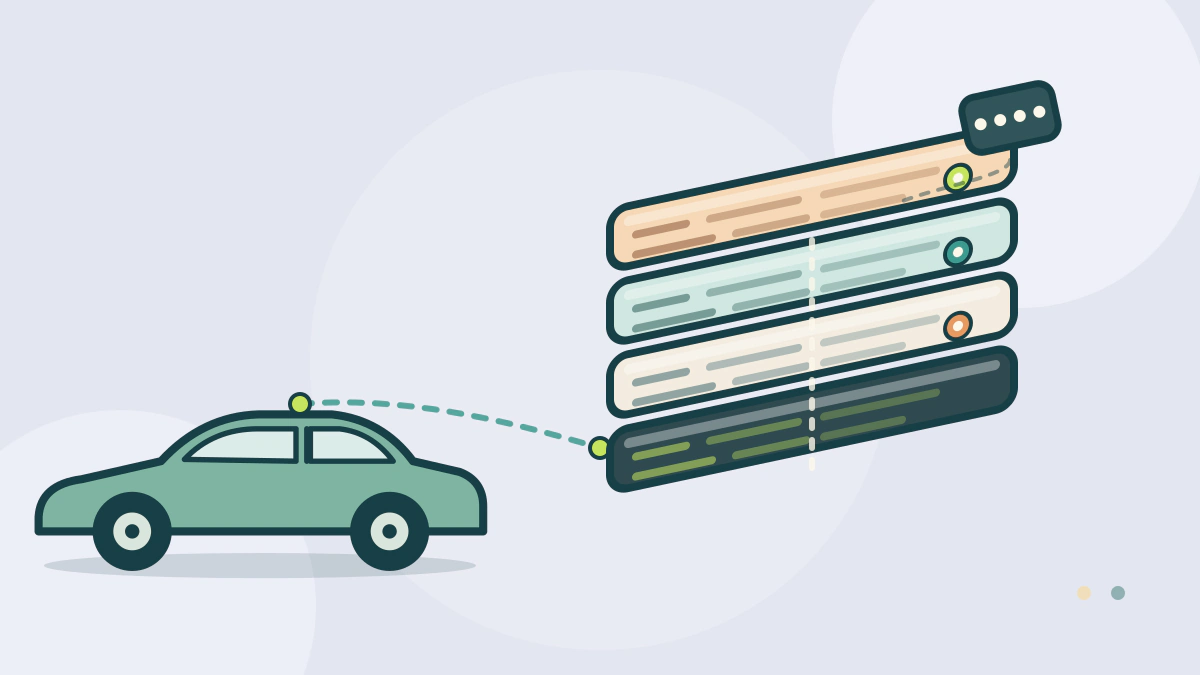
Learn what makes a car software-defined, how centralized computers and over-the-air updates change it, and what buyers should ask before paying for the label.
What is a software-defined vehicle?
A software-defined vehicle is a car whose features and behavior are controlled mainly by software on centralized computers, so those features can be changed or added after the car is built, sometimes through an over-the-air update. The term is not a legal class or a government certification. An SAE technical paper, 2024-01-2035, describes the software-defined vehicle as one where software plays the central role in delivering and improving functions, and ties the idea to centralized computing, a zone-based electrical architecture and over-the-air updates.
How a conventional car differs
Most cars on the road spread control across many electronic control units, or ECUs. Each unit runs software for a small set of jobs, such as engine management, windows or climate control. A software-defined design moves more of that logic onto fewer high-performance computers and connects components by their location in the car, not by the function they perform. SAE’s paper calls this a zone-based architecture with centralized computation.
The practical difference is who can change what. In a conventional car, a feature is largely fixed when the car is built, unless a part is replaced. In a software-defined car, the manufacturer can revise the code that controls a feature without replacing the hardware.
| Area | Conventional vehicle | Software-defined vehicle |
|---|---|---|
| Electronics layout | Many ECUs, grouped by function | Fewer central computers, zone-based connections |
| Feature change | Fixed at build, or changed by replacing parts | Changed by a software update |
| Update route | Workshop visit for most software | Workshop or over-the-air, depending on the system |
| Vehicle records | Configuration spread across control modules | Configuration managed as vehicle data |
| Cybersecurity | Handled system by system | Managed across the vehicle lifecycle |
What an update can actually change
ISO 24089:2023 covers software update engineering for road vehicles. Its scope includes vehicles, vehicle systems, ECUs and the infrastructure used to assemble and deploy update packages. The standard’s introduction notes that in-vehicle software is updated either in a workshop by a skilled person or automatically over the air by the vehicle user.
That explains why the term is broader than “a car that downloads maps.” A software-defined vehicle can receive changes to functions that were engineered to be updateable. It does not mean every system can be rewritten. Brakes, steering and other safety systems still depend on hardware and on validation, and the manufacturer decides which parts of the vehicle are open to updates.
ISO 24089 also stresses individual vehicle configuration information. With frequent update campaigns, the maker needs to know what software each car carries. That record matters at service time, because a fault may sit in a version rather than in a broken part.
Security and safety are part of the definition
More code and more connections create more ways in. ISO/SAE 21434:2021 sets engineering requirements for cybersecurity risk management across the vehicle lifecycle, from concept and development through production, operation, maintenance and decommissioning. The standard is not law by itself, but ISO describes it as an increasingly common expectation across the supply chain.
An update is a delivery channel into the car. If the channel is not controlled, the same path that adds a feature can introduce a fault or an attack.
What owners and buyers should ask
The label alone tells you little. Ask which systems receive updates, how often, and whether the car must visit a dealer. Ask whether a feature is included at purchase or sold as a subscription, and what happens to it when the subscription ends. The software subscription guide covers that question in detail.
Also ask who can service the software. Independent shops may need manufacturer tools and access, which is a different skill set from turning wrenches. The vehicle software diagnostics guide explains what that work involves, and how updates change ownership covers the longer-term trade-offs.
Where the label gets stretched
Not every connected car with an over-the-air infotainment update is software-defined. Some makers use the phrase for a single updatable module. Others mean a platform where several vehicle systems share computing power and can be revised over time. There is no single industry threshold that separates the two.
The useful test is scope. Does the update reach functions that affect how the car drives, charges or protects occupants, or only the screen and its apps? Does the maker publish what changed? Can the owner decline an update without losing a safety function? Those answers say more than the badge on the brochure.
Frequently asked questions
Is a software-defined vehicle the same as an electric car?
No. Electric cars and gasoline cars can both be software-defined, and an electric powertrain does not require the architecture. The term describes how functions are computed and updated, not what turns the wheels. Some electric cars still use many separate control units with limited update paths.
Can a dealer add software-defined features to my current car?
Only if the car was built with the hardware and software architecture to support them. A retrofit screen or module does not convert the whole vehicle. Ask the manufacturer which features are already provisioned and which require new hardware. Do not assume a paid upgrade is available just because a newer model has it.
Do software-defined cars need more maintenance?
They need different maintenance, not necessarily more. Software updates and version checks join the normal service schedule, and some faults are resolved by an update rather than a part. Follow the owner’s manual for the update procedure and do not interrupt an update in progress. Mechanical service still follows the same intervals.
Are over-the-air updates safe to accept?
They can be, when the maker follows a controlled update process and tells you what the update changes. Park safely and follow the instructions before starting one. If an update fails, do not keep driving if the car reports a fault; contact the dealer. Treat an unexplained warning after an update as a reason to have the car checked.