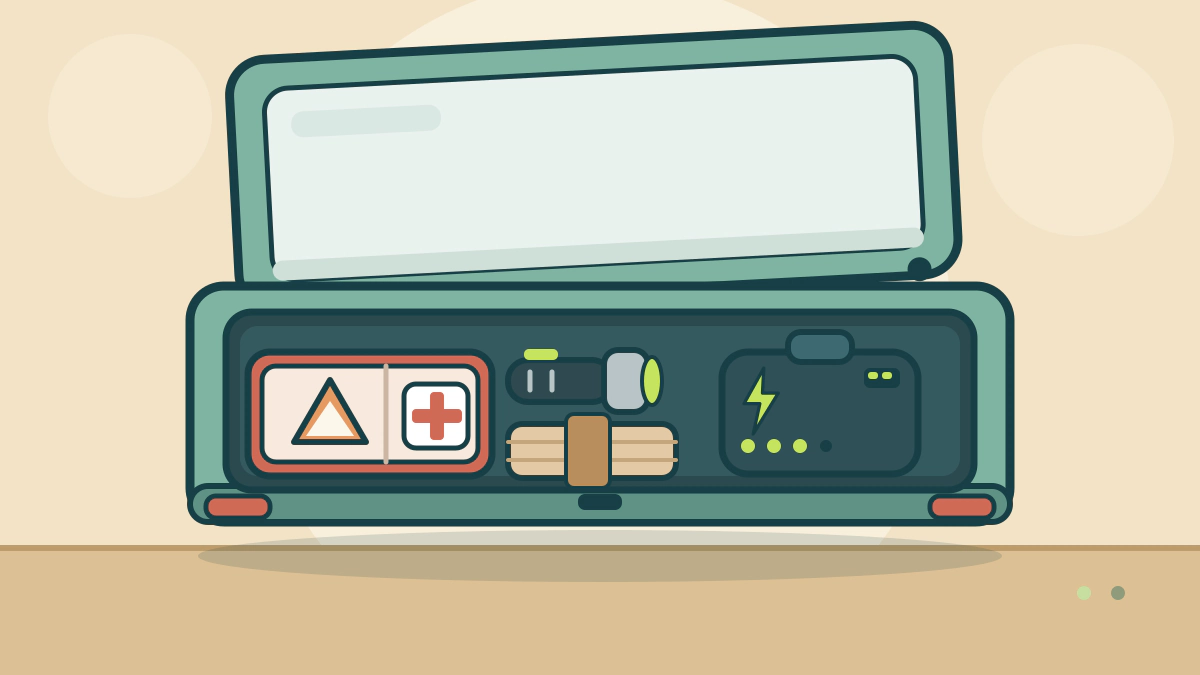
Build a roadside kit from NHTSA, AAA and Car Care Council lists, then add cold-weather gear a state DOT recommends for winter travel.
What should a roadside emergency kit contain?
Start with warning gear, jump-start gear, a flashlight, first aid and water, then add cold-weather items if you drive where temperatures drop. NHTSA, AAA and the Car Care Council list similar core items, with extra clothing and traction aids for winter.
Build the kit around the emergencies you can handle safely. A kit does not replace a call for help when the car is in a dangerous spot.
The core items the major lists share
| Category | Items | Why it matters |
|---|---|---|
| Warning | Flares or reflective triangles, flashlight | Help others see you and the car |
| Power | Jumper cables or a jump pack | A flat battery is a common no-start cause |
| Medical | First aid kit, personal medicines, tourniquet | Treat minor cuts or a serious bleed |
| Comfort | Blankets, water, non-perishable food | Stay warm and hydrated while waiting |
| Traction and tools | Sand or non-clumping litter, shovel, basic tools, duct tape | Free a stuck car or make a small repair |
| Communication | Phone and car charger | Call for help and share your location |
NHTSA’s winter driving page lists a snow shovel, broom and ice scraper; sand or kitty litter; jumper cables, a flashlight and warning devices; a first aid kit with a tourniquet and personal medicines; blankets, bottled water and non-perishable food; and a cell phone with a car charger.
AAA’s emergency kit list adds a blanket, drinking water and snacks for everyone including pets, rags or wipes, a basic tool set with duct tape, an ice scraper and snow brush, a tarp, raincoat and gloves. It suggests keeping the phone and first aid kit in the glove compartment and the bulkier gear in the luggage area.
What the Car Care Council adds
The Car Care Council recommends an emergency kit with jumper cables, a flashlight, blankets, extra clothes, bottled water, non-perishable food and a first aid kit with needed medication. It also says to keep the ice scraper and snow brush where you can reach them.
The lists differ in length, but the overlap is the point. Warning gear, warmth, water, food and first aid appear on every one.
Cold-weather additions from a state DOT
The Colorado Department of Transportation splits its winter list into essential and secondary items. Essential items include a sturdy scraper, snow brush and snow shovel; a flashlight with extra batteries or a crank-powered light; a blanket or sleeping bag; a gallon jug of water; a first aid kit and essential medications; tire chains and a tow strap; jumper cables; flares or reflectors; and a battery or crank-powered radio.
Secondary items include extra clothes, a coat, hat, mittens and boots, hand warmers, non-perishable snacks, non-clumping kitty litter or sand, and a deck of cards or board game. The extra clothes matter if you have to wait in a cold car or walk for help.
Colorado also recommends checking tire tread before winter and lists at least 3/16 inch as its minimum. That is a state guideline, not a universal legal limit; check your own tires and owner’s manual.
Pack for the car you drive
A small sedan has less room than an SUV, so pack the same categories in smaller form. Soft bags fit under seats or in the trunk better than hard boxes. Secure everything so it does not slide into the driver’s footwell or become a projectile in a sudden stop.
If you drive an EV, NHTSA advises keeping the battery charged and reducing drain in cold weather. A blanket and warm layers matter if cabin heating uses battery power. AAA’s list also covers pets, so carry water and food for them.
Check the kit before you need it
Replace water, food, batteries and medicines before they expire. Test the flashlight and jump pack, and recharge the jump pack after use. AAA says to replenish depleted items as needed.
Check the kit before winter and before a long trip. A kit that has been in the trunk for years may have a dead flashlight, a cracked jump pack or missing gloves.
Know when to call for help
A kit is for minor problems and for waiting safely. If the car is in traffic, on a freeway shoulder or in severe weather, call roadside assistance or emergency services and stay with the vehicle when it is safe. For a battery that will not start, see how to jump-start a car safely.
A paid plan is not the only option, and the value depends on how much you drive and where. See is roadside assistance worth paying for before you choose. For seasonal checks, use the winter car maintenance checklist. More equipment guides are in Car Accessories.
Frequently asked questions
How much water should a car emergency kit hold?
There is no single official amount for every trip. AAA says to carry drinking water and snacks for everyone in the car, including pets, and Colorado DOT lists a gallon jug as an essential winter item. Pack for the number of people and the length of the trip.
Should the kit include a tourniquet?
NHTSA’s winter list includes a first aid kit with a tourniquet and any necessary personal medicines. A tourniquet is for severe bleeding and requires training to use correctly. Take a first aid course before you rely on one.
Do I need winter gear if I live in a warm state?
Not every day, but cold-weather gear helps if you travel to mountains or visit cold regions. Colorado DOT’s list is aimed at winter conditions, and NHTSA’s advice applies when temperatures drop. Keep the core kit year-round and add winter items for trips.
How often should I check the kit?
Check it before winter and before a long trip, and replace used or expired items. AAA says to replenish depleted items as needed.