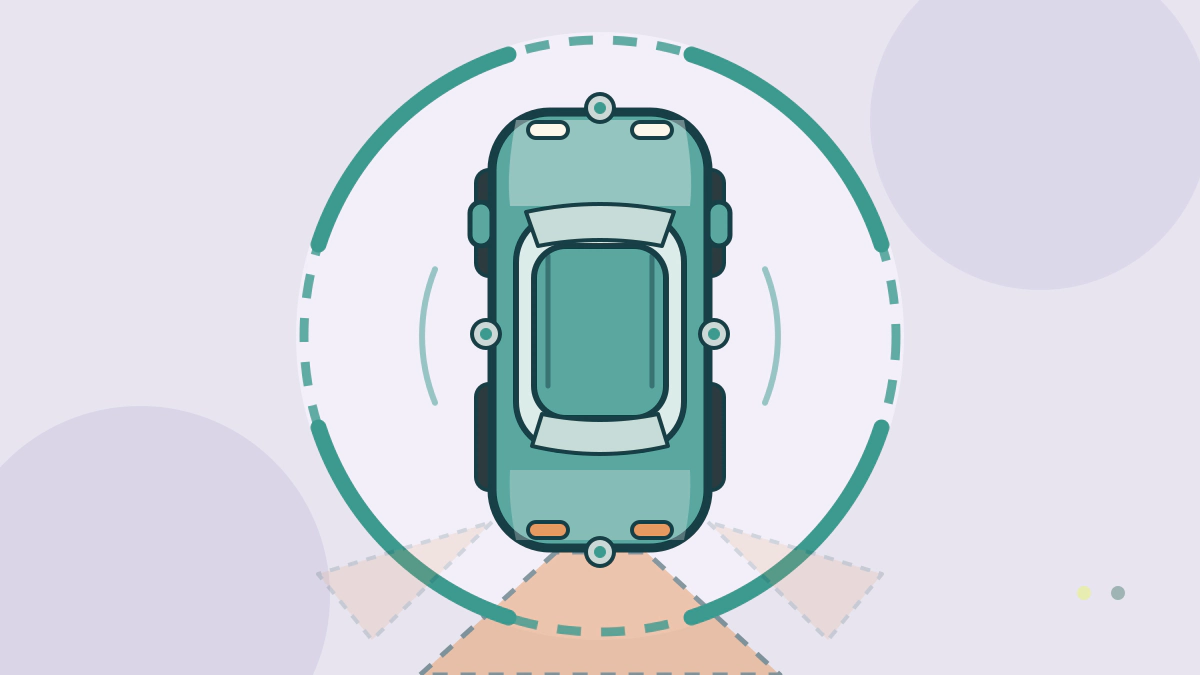
A backup camera is the federally required rear view; a 360 system adds cameras and a synthesized top-down image. Compare coverage, limits and cost.
Is a 360-degree camera better than a backup camera?
A 360-degree camera shows more of the area around the car at parking speeds, but it does not replace the rearview image required by federal safety rule or the driver’s own checks. A backup camera is the baseline system. A surround-view camera is an added convenience with seams and blind spots of its own.
What federal rule requires
Federal Motor Vehicle Safety Standard 111 sets the rear visibility requirement. For passenger cars with a gross vehicle weight rating of 4,536 kg (10,000 lb) or less, the final rule applies to vehicles manufactured on or after May 1, 2018. Each must display a rearview image meeting the standard’s field-of-view, size, response, linger and durability requirements.
The image must appear within 2.0 seconds of the start of a backing event. It must default to the required view at the start of each backing event, even if the driver changed the view before, and it must not remain after the event ends. The stated purpose is to reduce deaths and injuries when the driver lacks a clear view to the rear.
NHTSA’s driver assistance page puts the same point plainly. Backup cameras are not a replacement for mirrors or turning around to look.
What a backup camera gives you
A backup camera is one rear-facing camera and a screen. It shows the area immediately behind the bumper, often with guide lines. The wide angle that makes a small screen useful also stretches perspective, so distance is easy to misjudge.
The federal rule guarantees a minimum performance standard, not image quality. The rule sets field-of-view, image size, response, linger and durability requirements. It does not set resolution, low-light behavior or guide-line design, so those vary by vehicle, as does the screen’s position and size.
What a 360 system adds
A surround-view system uses several cameras and combines them into a top-down image. Mazda’s 2023 CX-5 owner’s manual describes its 360 View Monitor as four cameras set on all sides of the vehicle. They feed a top view plus front, front-wide, side and rear views. The top view is synthesized from those images, not photographed from above.
The same manual shows the operating envelope. The front, front-wide and side views display below about 15 km/h (9.3 mph) and stop after 4 minutes and 30 seconds. The system is a low-speed parking aid, not a driving camera.
| Feature | Backup camera | 360-degree system |
|---|---|---|
| Federal requirement | Required on new passenger cars since May 2018 | Not required; an added feature |
| Cameras | One, facing rear | Several, front, rear and sides |
| Main view | Rear image with guide lines | Synthesized top view plus selectable views |
| Useful speed range | Reverse and low speed | Parking speeds, often below about 9 mph |
| Blind spots | Outside the camera’s angle | Seams and black areas around the vehicle |
| Best use | Confirming the space directly behind | Judging position in a tight lot |
Where the top view can mislead
Mazda’s manual is unusually direct about the limits. It says the black areas at the front and rear of the top-view image and the seams where camera images merge are blind spots. An obstruction visible in the front view may not appear in the top view. A strongly colored object picked up by one camera can tint the whole screen.
Camera angle changes distort the image, and brightness shifts with nearby lighting. Rain, dirt, snow and a cracked lens make all of it worse. A clean lens is part of using the system, not optional care.
Cameras, sensors and calibration
A 360 system is not the same as parking sensors. Sensors detect nearby objects and warn. Cameras show an image. IIHS’s rear crash prevention ratings are based on parking sensors, rear automatic braking and rear cross-traffic alert, not on the quality of a camera image.
NHTSA notes that rear cross-traffic warning covers areas outside the backup camera’s view. That is a reminder that the camera angle is limited even when the screen looks full.
If a camera is replaced or a mirror housing is repaired, the view may need calibration. The ADAS camera calibration guide explains why a clear image is not proof that the aim is correct.
Choosing and using one
Check whether the 360 system is standard or optional on the trim you are buying. Test it in daylight and in a dim garage. Look at the seams, the guide lines and the screen’s glare. Then practice in an empty lot.
Whichever system the car has, the habit is the same: mirrors, a direct look, and a slow reverse. Cameras help with the last few feet. Why blind-spot monitoring cannot replace mirror checks makes the same point for forward motion. More guides are in Car Technology and Electronics.
Frequently asked questions
Is a backup camera legally required in every new car?
Since May 2018, FMVSS 111 requires a rearview image on new passenger cars and other covered vehicles with a GVWR of 4,536 kg or less. The rule sets performance requirements. It does not require a 360-degree system.
Can I rely on a 360 camera instead of mirrors?
No. Mazda’s manual identifies blind spots at the image seams and beyond the vehicle, and NHTSA says backup cameras do not replace mirrors or turning to look. Use the screen as one more check.
Why does the 360 view turn off when I drive?
Mazda’s system is designed for low-speed use. The front and side views stop at about 15 km/h (9.3 mph). Other brands set their own limits, so check your owner’s manual for the exact behavior.
Do parking sensors come with a 360 camera?
Not necessarily. They are separate systems, and IIHS rates rear crash prevention on sensors, rear automatic braking and rear cross-traffic alert. Check the window sticker for each feature.