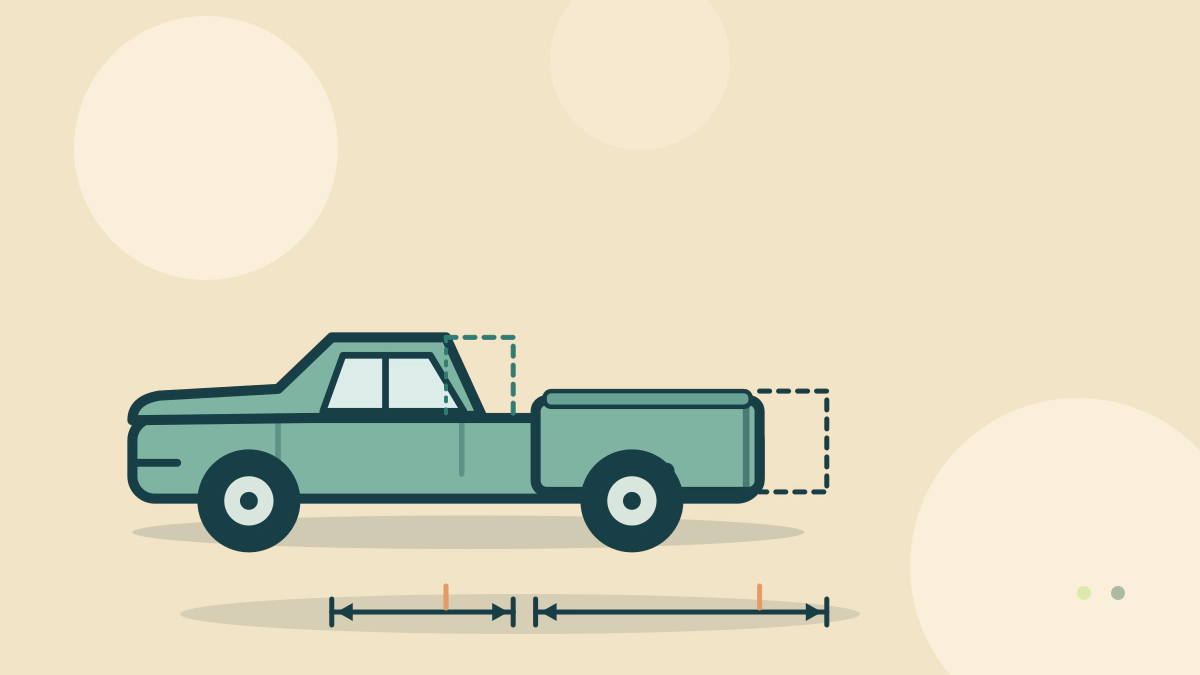
See the five cab and bed combinations Chevrolet lists for the 2026 Silverado 1500, with box lengths, seat counts and payload ranges for each.
What cab and bed combinations does the 2026 Silverado 1500 offer?
Chevrolet lists five combinations, not nine: Regular Cab with the standard or long bed, Double Cab with the standard bed, and Crew Cab with the short or standard bed. This guide covers the 2026 model year.
On November 8, 2026, Chevrolet’s 2026 configurator showed those five cab-and-box styles. The page was read through a text proxy because the site blocks scripted requests. The main Silverado page now leads with the next-generation 2027 truck and links to the 2026 as the previous year. If you are shopping now, confirm which model year is on the window sticker. More models are listed in Car Brands and Models.
| Cab and bed | Box length at floor | Seats | Max payload Chevrolet lists |
|---|---|---|---|
| Regular Cab, Standard Bed | 79.44 in | 3 | 2,293 to 2,412 lb |
| Regular Cab, Long Bed | 98.18 in | 3 | 2,301 to 2,443 lb |
| Double Cab, Standard Bed | 79.44 in | 6 | 2,183 to 2,506 lb |
| Crew Cab, Short Bed | 69.92 in | 6 | 2,174 to 2,489 lb |
| Crew Cab, Standard Bed | 79.44 in | 6 | 2,116 to 2,416 lb |
Box length is measured at the floor. The payload column is the range Chevrolet’s configurator displays for that body style, not the rating for a specific truck.
Why the long bed is tied to the Regular Cab
The 98.18-inch long bed appears only with the Regular Cab. That makes the Regular Cab the only 2026 Silverado 1500 that can carry long lumber or a ladder entirely inside the box. It seats three.
The same cab can also be ordered with the 79.44-inch standard bed. That is about 6 feet 7 inches at the floor, against about 8 feet 2 inches for the long bed. The shorter box makes the truck easier to park and fit in a garage.
The Crew Cab takes the opposite approach. It is the only cab offered with the 69.92-inch short bed, which is about 5 feet 10 inches at the floor. The Crew Cab can also take the standard bed.
That leaves no Double Cab short bed and no Crew Cab long bed for 2026. The standard bed is the only box listed with all three cabs, so it keeps the most options open. Trim and powertrain choices can narrow the list further, so build the truck in the configurator rather than assuming a trim can be paired with every box.
Double Cab and Crew Cab both list six seats
Chevrolet’s configurator lists a passenger capacity of six for both two-row cabs. The Double Cab is the shorter two-row body. The Crew Cab is the larger one. Bring the child seats or the passengers you actually carry and try both, because a six-seat rating does not describe leg room or how easily a rear-facing child seat fits. Crew cab versus extended cab versus regular cab explains the body styles in general.
Payload changes with the body style
The configurator’s highest payload range belongs to the Double Cab standard bed, at 2,183 to 2,506 pounds. The Crew Cab standard bed shows the lowest top figure, at 2,416 pounds. The ranges overlap, so do not read them as a ranking.
Options, four-wheel drive and passengers all consume payload. The figure on the door-jamb label is the one that applies to the truck you are buying. See how to read a pickup truck payload sticker and towing capacity versus payload capacity. Chevrolet’s 2026 page lists a maximum trailering rating of 13,300 pounds, but that figure requires a specific configuration.
Engine choice also changes fuel use. The 2026 2WD listings on fueleconomy.gov show 20 mpg combined for the 2.7L turbo, 17 for the 5.3L V8 and 25 for the 3.0L diesel.
Which combination fits which job?
- Long materials: Regular Cab long bed, the only way to get the 98.18-inch box.
- Three passengers and the longest box: Regular Cab long bed.
- Two rows and the longest box: Crew Cab standard bed or Double Cab standard bed, both at 79.44 inches.
- Two rows in the shortest body: Crew Cab short bed, at 69.92 inches.
Measure your garage and parking space before choosing. The cab and bed determine the truck’s length, and the difference between the shortest and longest combinations is substantial.
What the 2027 model year changes
The 2027 Silverado 1500 is a next-generation truck, not a renamed 2026. Both model years may be on dealer lots during the changeover, so ask for the model year and read the window sticker before comparing cab and bed choices.
Safety ratings and recalls
NHTSA’s 2026 ratings list six Silverado 1500 entries, one for each cab and drive combination. Five show five stars overall. The Crew Cab 4WD entry shows four stars overall. Check the exact entry for the truck you plan to buy on NHTSA’s ratings site.
On November 8, 2026, NHTSA’s recall lookup returned three campaigns for the 2026 Silverado 1500, none for 2025 and two for 2024. A campaign can cover several models, and a count is not a quality score. Check your VIN with how to check car recalls by VIN.
Frequently asked questions
Can you get a Crew Cab Silverado 1500 with the long bed?
No. For 2026, Chevrolet lists the Crew Cab with the short bed or the standard bed only. The long bed is listed with the Regular Cab.
Does the Double Cab come with the short bed?
No. Chevrolet’s 2026 configurator lists the Double Cab with the standard bed only. The short bed is a Crew Cab choice.
How many people fit in a Regular Cab Silverado 1500?
Chevrolet lists a passenger capacity of three for the Regular Cab. It has one row of seating.
Which Silverado 1500 bed is the longest?
The long bed, at 98.18 inches at the floor. It is offered only with the Regular Cab for 2026.