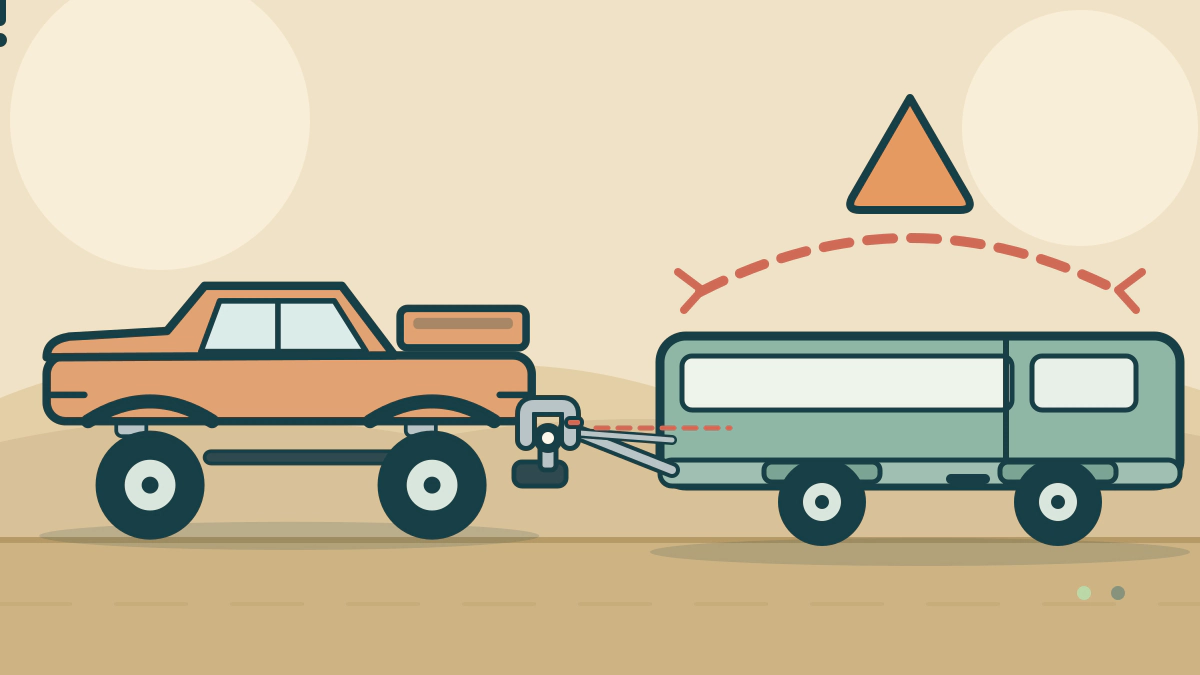
A lift kit changes hitch height, headlamp aim and the assumptions behind a truck's published tow rating. Check these points before towing.
Does a lift kit change a truck’s towing limits?
A lift does not create a new tow rating. It changes the truck the rating was written for. Ford’s 2026 F-150 towing guide says maximum towing figures apply to properly equipped vehicles and vary with cargo, vehicle configuration, accessories, option content and the number of passengers. A suspension lift is exactly that kind of configuration change, so the brochure number no longer describes the truck in your driveway.
The practical answer is to recheck what the lift touched: hitch height, lamp aim, weight distribution and the truck’s own labels. The Car Modifications and Tuning hub covers the wider context.
What the manufacturer rating actually covers
Ford’s guide is careful about conditions. It lists a 150 lb driver and passenger allowance, required equipment and a specific vehicle configuration. It also says the receiver’s weight-carrying and weight-distributing capacities appear on a label affixed to the receiver itself. Those labels, not a model overview, are what an owner can verify.
The guide adds that the New Vehicle Limited Warranty may be voided if you tow without required equipment. That is why a written dealer answer matters more than a verbal one.
For a lifted truck, ask the dealer or kit maker in writing whether the kit is compatible with towing. An off-road kit does not carry a towing validation by default.
Hitch height and trailer level
A lift raises the receiver. That matters because NHTSA’s towing guide says most trailers and tow vehicles should be level, parallel to the ground, during travel. It also lists “adjust the height of the tow vehicle/trailer interface” as a loading step.
A drop or rise ball mount can restore the height. The mount, ball and receiver each have their own weight rating. Ford notes that receivers do not include a ball or mount, so the owner must obtain rated parts.
Tongue weight still follows the same rule: Ford lists about 10 percent of loaded trailer weight for conventional trailers. NHTSA notes that too little can cause sway, while too much can unload the front wheels; a weight-distributing hitch transfers load back to the front axle.
Ford also says not to exceed a 5,000 lb trailer weight without a weight-distribution system on the F-150. That is a model-specific note, not a universal rule, so check the guide for your truck. For the difference between the trailer limit and the load the truck carries, see towing capacity versus payload capacity.
Headlamp aim after the front end goes up
Raising the front suspension tilts the headlamps upward. FMVSS 108 requires each headlamp to be installed with a mounting and aiming mechanism that allows vertical and horizontal aim inspection and adjustment. The standard also defines the lower-beam cutoff and the photometric pattern the lamp must produce.
A beam that was correct at stock height can put light into oncoming traffic after a lift. Pennsylvania’s inspection procedure rejects headlamps aimed more than 4 inches above or below the horizontal center line, or more than 4 inches left or right, on a screen. Other states set their own limits.
Re-aim the lamps after the suspension settles, and again after any tire-size change. Keep the aiming receipt.
Stability, brakes and frontal area
A taller suspension raises the center of gravity. That does not automatically make a truck unsafe, but it changes the margin a stock truck had in corners, lane changes and crosswinds. A trailer amplifies those forces.
The Ford guide also sets a maximum trailer frontal area: 55 square feet for trailers behind trucks rated at 7,700 lb or less, 65 square feet above that, and 75 square feet for fifth-wheel and gooseneck applications. It says exceeding those limits may significantly reduce towing performance. A lift and larger tires add frontal area before the trailer is connected.
Braking deserves the same skepticism. Ford’s guide states that the tow vehicle’s braking system is rated for operation at GVWR, not GCWR. A heavier wheel and tire package or a steel bumper uses some of that margin. Use the payload sticker to see what the added parts leave behind.
A pre-tow check that fits a lifted truck
| Check | What to confirm |
|---|---|
| Door-jamb label | Payload and axle limits for this exact truck |
| Receiver label | Weight-carrying and weight-distributing limits |
| Ball mount | Rated for the trailer and set so the trailer sits level |
| Headlamp aim | Checked on an aiming screen after the lift |
| Frontal area | Trailer and truck within the guide’s limit |
| Scale ticket | Loaded axle weights below GAWR and total below GVWR |
Weigh the loaded truck and trailer at a public scale and compare the axles and total with the labels. If the numbers are close, remove weight rather than hiding an overload with a helper spring or airbag. The pickup versus SUV towing comparison helps if you are still choosing the tow vehicle.
Frequently asked questions
Can a lifted truck tow the same trailer as a stock truck?
It may pull the trailer, but the published rating was established for a stock configuration. Hitch height, lamp aim, frontal area and stability margins change. Use the door-jamb and receiver labels.
Does a lift kit void the truck warranty?
That depends on the warranty terms and the cause of a failure. Ford’s guide says the warranty may be voided if you tow without required equipment. Ask the dealer in writing about the specific kit.
Do I need a weight-distributing hitch after lifting?
Not automatically. It depends on the trailer weight, the receiver rating and the truck’s guidance. Ford says not to exceed 5,000 lb trailer weight without weight distribution on the F-150. Follow the receiver and trailer labels.
Will the headlights need adjustment after a lift?
Plan on it. Raising the front end changes the lamp angle, and FMVSS 108 requires the lamps to be aimable for inspection and adjustment. Have the aim checked after the suspension settles, and keep the result for your state inspection.