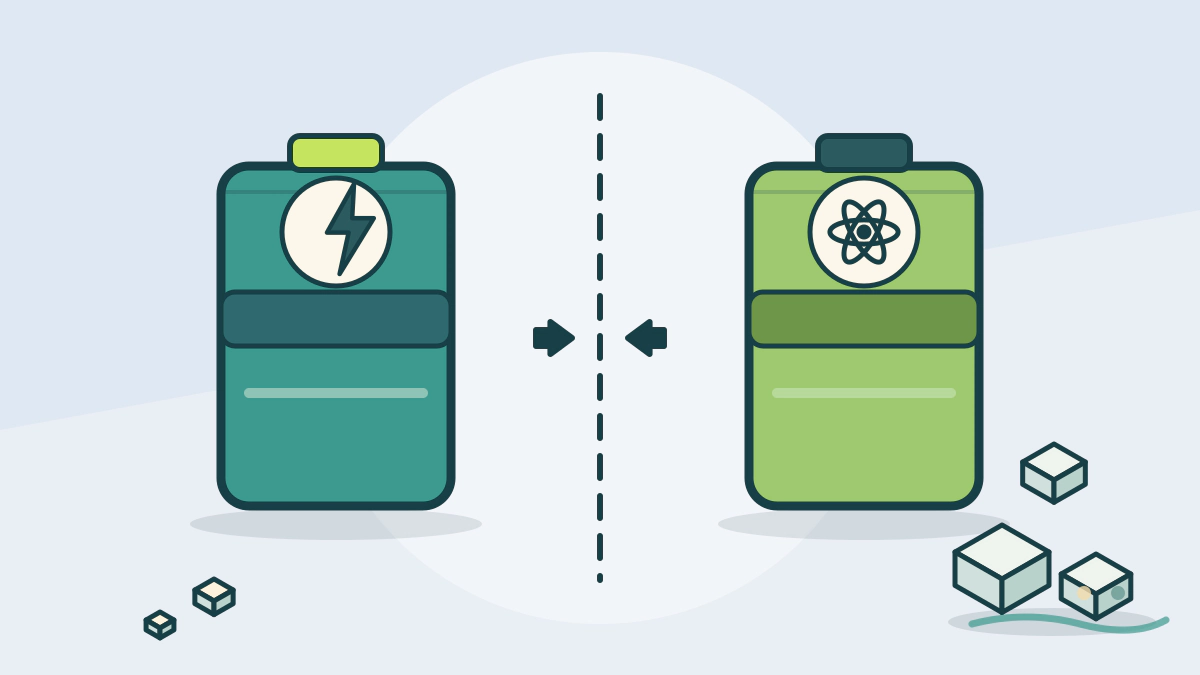
How sodium-ion EV batteries work, where their cold-weather strength and energy-density gap matter, and how far real production has progressed since 2023.
What is a sodium-ion EV battery?
A sodium-ion battery is a rechargeable battery that moves sodium ions between electrodes instead of lithium ions. It uses the same basic cell structure as a lithium-ion battery, but the working ion is sodium. The DOE describes the chemistry in its sodium battery assessment.
Sodium-ion cells can use layered oxide or polyanion cathodes, a hard-carbon or titanate anode, and an organic or aqueous electrolyte. They typically operate near ambient temperature.
Lithium-ion remains the incumbent. The AFDC battery overview notes that most plug-in hybrids and all-electric vehicles use lithium-ion packs.
Because sodium is abundant, the cells generally avoid cobalt and nickel. They also can skip the copper current collector used on the negative electrode of lithium-ion cells.
How is it different from lithium-ion?
The chemistry is related, not identical. Sodium-ion cells generally deliver lower voltage, from about 2 volts to nearly 4 volts depending on chemistry and state of charge.
Sodium-ion was developed around the same time as lithium-ion in the 1980s. Early cells trailed on charge rate, cycle life, energy density and voltage stability, which kept them out of most products.
Prussian blue analog cathodes are one alternative. DOE says these can offer high power, and cycling stability of up to 100,000 cycles is feasible in commercial systems. That is a materials-level statement, not a warranty for a car.
What sodium-ion does better
Cold performance is the headline. IEA reports that the latest sodium-ion cells retain around 90% of nominal capacity at -40 C and can operate at 70 C.
That matters because cold reduces available energy and slows charging in many lithium-ion packs, especially LFP. Our guide to EV ownership in cold climates explains the vehicle-level effects.
Sodium-ion also offers a supply-chain hedge. It does not rely on lithium, and IEA notes it can reduce exposure to lithium price spikes for manufacturers that run multiple chemistries.
Where the energy density gap shows up
| Chemistry | Cell specific energy cited by IEA | Typical role |
|---|---|---|
| Sodium-ion | Up to 175 Wh/kg | Smaller, shorter-range EVs and storage |
| LFP | Up to 205 Wh/kg | Mainstream EV packs |
| NMC | Up to 265 Wh/kg | Longer-range, higher-density packs |
IEA cites those figures for the latest cells. Volumetric energy density is a bigger gap, which matters in a pack with fixed space.
IEA estimates an average SUV with a sodium-ion pack could travel up to 350 km, against 400 to 600 km for lithium-ion under average weather. Those are modeling comparisons, not EPA ratings for a US model.
Which vehicles actually use sodium-ion now?
The first sodium-ion-powered electric car was introduced in China in late 2023. CATL and BYD are now scaling the technology, according to IEA.
Production volume remains small. IEA says sodium-ion cell manufacturing capacity is just over 1% of lithium-ion capacity, and announced 2030 projects equal about 7% of committed lithium-ion capacity.
The hard-carbon anode supply chain is still poorly developed and concentrated in China. That limits near-term expansion outside China.
Sodium batteries are not new to stationary storage. DOE reported molten sodium-sulfur systems with hundreds of megawatts deployed for grid duty, but those are high-temperature designs, not ambient-temperature sodium-ion cells.
IEA expects the best fit to be short-range cars, urban light commercial vehicles, two- and three-wheelers, forklifts and stationary storage. Some hybrid packs combine sodium-ion and lithium-ion cells to limit cold-weather range loss.
For US buyers, that means no broad model choice yet. This article does not identify a US-market sodium-ion EV because production availability changes and should be checked with manufacturers.
Will sodium-ion replace lithium-ion?
Probably not across the whole market soon. The energy-density gap limits long-range vehicles, and the supply chain is far smaller than the lithium-ion base.
The stronger case is cost and temperature resilience in specific uses. IEA links sodium-ion momentum partly to lithium prices, which were more than twice as high in early 2026 as a year earlier.
Chemistry also affects how a pack ages and how it is recycled. Our EV battery degradation guide and LFP vs NMC comparison cover those tradeoffs for lithium-ion packs.
DOE’s battery research program is also pursuing beyond-lithium materials, including sodium, under its batteries portfolio. The Future Mobility and Innovation hub collects related technology guides.
Frequently asked questions
Are sodium-ion batteries lithium-free?
They contain no lithium in the cell chemistry, though other pack materials and electronics may differ. Sodium replaces lithium as the working ion.
Do sodium-ion batteries work in cold weather?
IEA reports that the latest cells retain about 90% of nominal capacity at -40 C. A real vehicle may still lose range from heating and other system loads, so treat cell data as one input.
Are sodium-ion EVs available in the United States?
This article found no verified broad US model availability. Production began in China in late 2023, and manufacturers’ US plans should be checked directly.
Are sodium-ion batteries safer than lithium-ion?
Sodium-ion can use nonflammable aqueous electrolytes in some designs, but cell chemistry alone does not set vehicle safety. Pack design, cooling, crash protection and management systems still matter.