Future Mobility and Innovation
Follow automotive innovations with a clear distinction between production-ready features, pilot programs and long-term concepts. Focus on practical implications over marketing claims.
24 researched guides are published in this section. The completed articles are linked below; other topics remain planned. Unpublished topic titles are not presented as articles.
Explore subtopics
Topic previews are part of our editorial roadmap, not links to unwritten articles.
Automotive Business Innovation
- Car Subscriptions vs Traditional Ownership
- Direct-to-Consumer Car Sales Explained
- How Automotive Software Updates Change Car Ownership
- Right-to-Repair in the Connected Car Era
- Software Subscriptions in Cars: Buyer Risks
Autonomous Driving
- Driver Assistance vs Self-Driving: Key Differences
- How Robotaxis Work
- SAE Levels of Driving Automation Explained
- What Does a Driverless Car Need to Navigate?
- Why Bad Weather Is Difficult for Autonomous Cars
Connected Infrastructure
- How Cars Exchange Road-Hazard Information
- Smart Traffic Lights and Connected Cars
- Vehicle-to-Everything Communication Explained
- What Is Vehicle-to-Grid Integration?
- Wireless EV Charging: How It Works
Future Batteries
- Battery Recycling Methods Explained
- Sodium-Ion EV Batteries Explained
- Solid-State EV Batteries: Potential and Limits
- What Is EV Battery Swapping?
- Why Battery Energy Density Matters
Vehicle Design Innovation
- Brake-by-Wire Explained
- How Aerodynamics Shapes Electric Cars
- How Lightweight Materials Improve Efficiency
- Steer-by-Wire Explained
- What Is an Electric Skateboard Platform?
Verified guides in this category
Battery Recycling Methods Explained
How smelting, chemical leaching and direct recycling recover materials from used EV batteries, what black mass is and why feedstock supply shapes the market.
Read guide ↗
Brake-by-Wire Explained
Understand how brake-by-wire sends pedal input electrically, what FMVSS 135 requires, and how redundancy and service differ from a conventional brake system.
Read guide ↗
Car Subscriptions vs Traditional Ownership
Compare vehicle subscriptions with cash purchase, financing and leasing by control, mileage, insurance, cancellation and total cost.
Read guide ↗
Direct-to-Consumer Car Sales Explained
See how state dealer-licensing and franchise laws block or allow factory-direct sales, and what a direct purchase changes for a US buyer.
Read guide ↗
Driver Assistance vs Self-Driving: Key Differences
Learn what separates driver assistance from self-driving using NHTSA guidance and SAE's 2026 level definitions, including who must watch the road.
Read guide ↗
How Aerodynamics Shapes Electric Cars
See how drag force works, what the EPA highway cycle covers, and why shape and frontal area change electric car range more at highway speed.
Read guide ↗
How Automotive Software Updates Change Car Ownership
Software can change a car after purchase: recalls by download, new features, security fixes and data terms. Here is what owners now have to manage.
Read guide ↗
How Cars Exchange Road-Hazard Information
Learn how connected cars share braking, queue, weather and work-zone warnings through direct short-range messages and longer-range networks.
Read guide ↗
How Lightweight Materials Improve Efficiency
See how lighter steel, aluminum, magnesium and composites cut vehicle mass, what DOE says the fuel-economy gain is, and where the trade-offs land.
Read guide ↗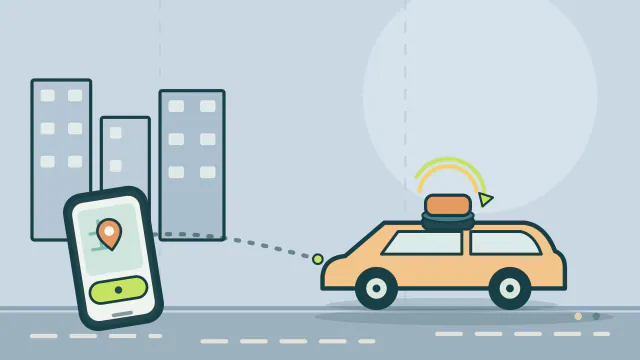
How Robotaxis Work
Follow a robotaxi from app request to drop-off, see the sensors and maps behind it, and learn how US regulators oversee driverless services.
Read guide ↗
Right-to-Repair in the Connected Car Era
Connected cars move repair access from the wrench to the data. See what the FTC found, what Massachusetts requires, and what to ask before you buy.
Read guide ↗
SAE Levels of Driving Automation Explained
Learn what the six SAE levels mean, who must supervise at each step, and which example features show the difference between assistance and automated driving.
Read guide ↗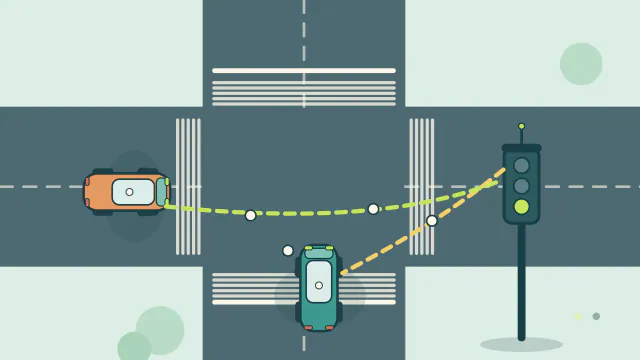
Smart Traffic Lights and Connected Cars
Learn how adaptive signals and connected cars share red, yellow and green timing, and what signal priority and preemption can and cannot do.
Read guide ↗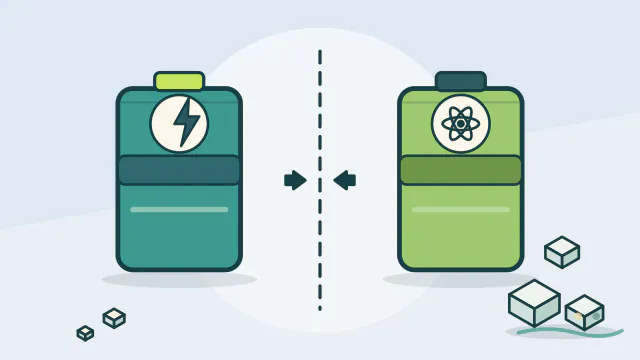
Sodium-Ion EV Batteries Explained
How sodium-ion EV batteries work, where their cold-weather strength and energy-density gap matter, and how far real production has progressed since 2023.
Read guide ↗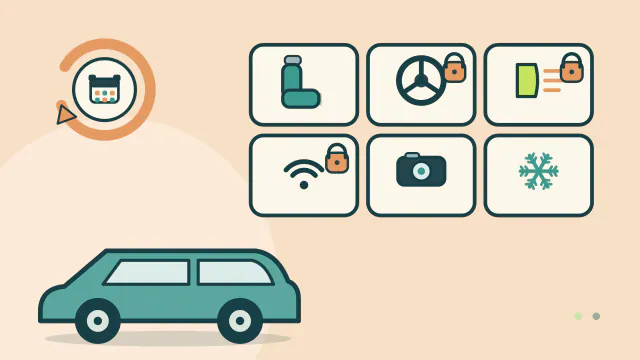
Software Subscriptions in Cars: Buyer Risks
See how car software subscriptions differ from purchase-time options, what renewal terms mean, and where federal auto-renewal rules stand in 2026.
Read guide ↗
Solid-State EV Batteries: Potential and Limits
What a solid electrolyte changes, which solid-state designs are actually in production, and why announced EV launch dates are not delivered vehicles.
Read guide ↗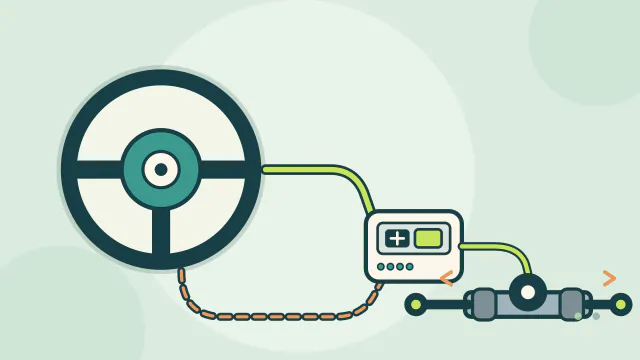
Steer-by-Wire Explained
Steer-by-wire removes the steering shaft and uses sensors, motors and software. See how the Lexus RZ system works and why redundancy matters.
Read guide ↗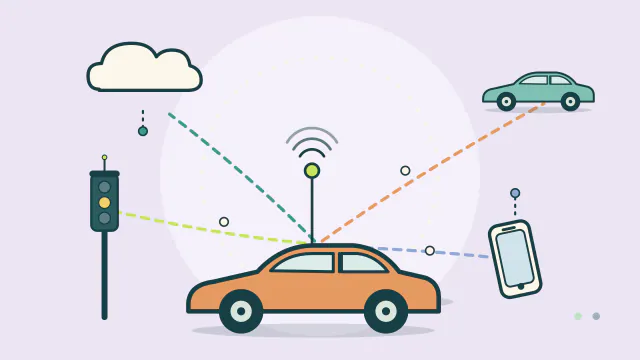
Vehicle-to-Everything Communication Explained
Learn what V2X means for vehicle communication, how V2V, V2I, V2P and V2N differ, and why the term is not the EV power shorthand V2L, V2H or V2G.
Read guide ↗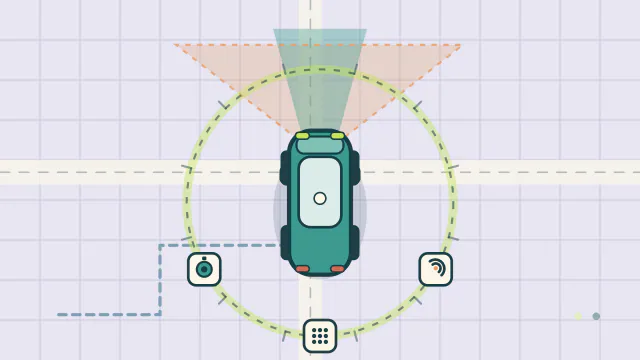
What Does a Driverless Car Need to Navigate?
See the capabilities a driverless car needs to navigate, from sensors and map data to computing, redundancy and operating limits NHTSA says must be defined.
Read guide ↗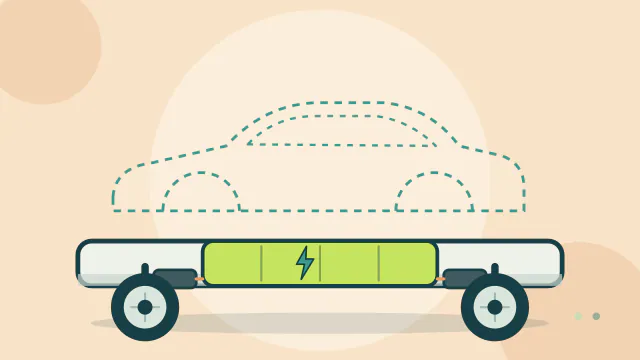
What Is an Electric Skateboard Platform?
A skateboard platform puts the battery, motor and suspension in a flat lower structure. See how makers describe it, what it gains and where the limits are.
Read guide ↗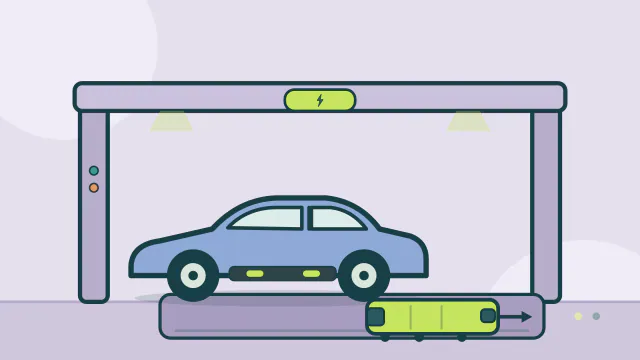
What Is EV Battery Swapping?
Learn how a swap station exchanges a depleted EV battery for a charged one, which operators use the model, and what limits it in the US.
Read guide ↗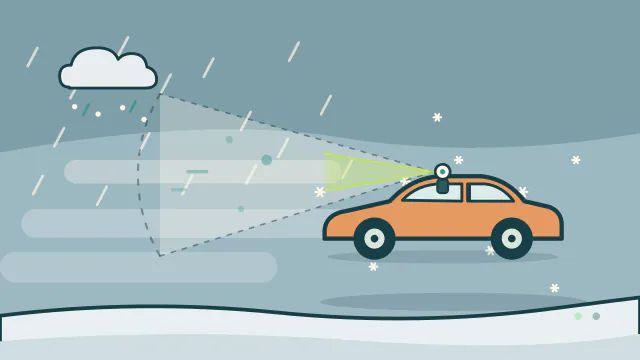
Why Bad Weather Is Difficult for Autonomous Cars
Learn how rain, snow, fog and road spray degrade cameras, radar and lidar, and why automated systems set weather limits and stop when they are exceeded.
Read guide ↗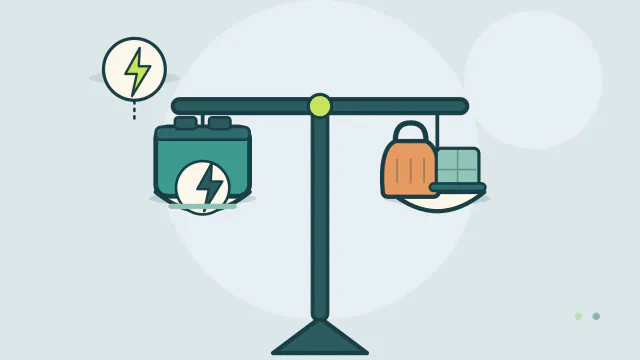
Why Battery Energy Density Matters
Learn what battery energy density measures, why pack figures differ from cell figures, and how weight and volume shape electric car range and design.
Read guide ↗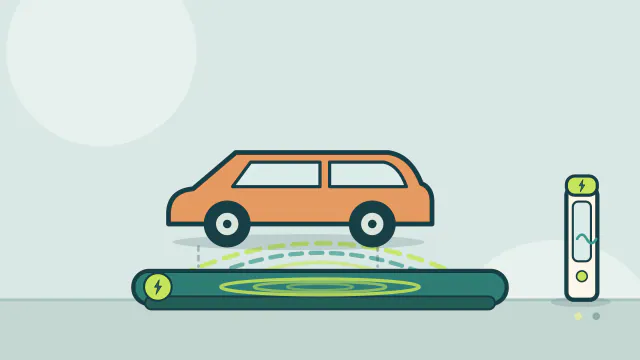
Wireless EV Charging: How It Works
See how inductive charging moves power across an air gap, what SAE J2954 covers, and which fleet and lab demonstrations show its limits.
Read guide ↗