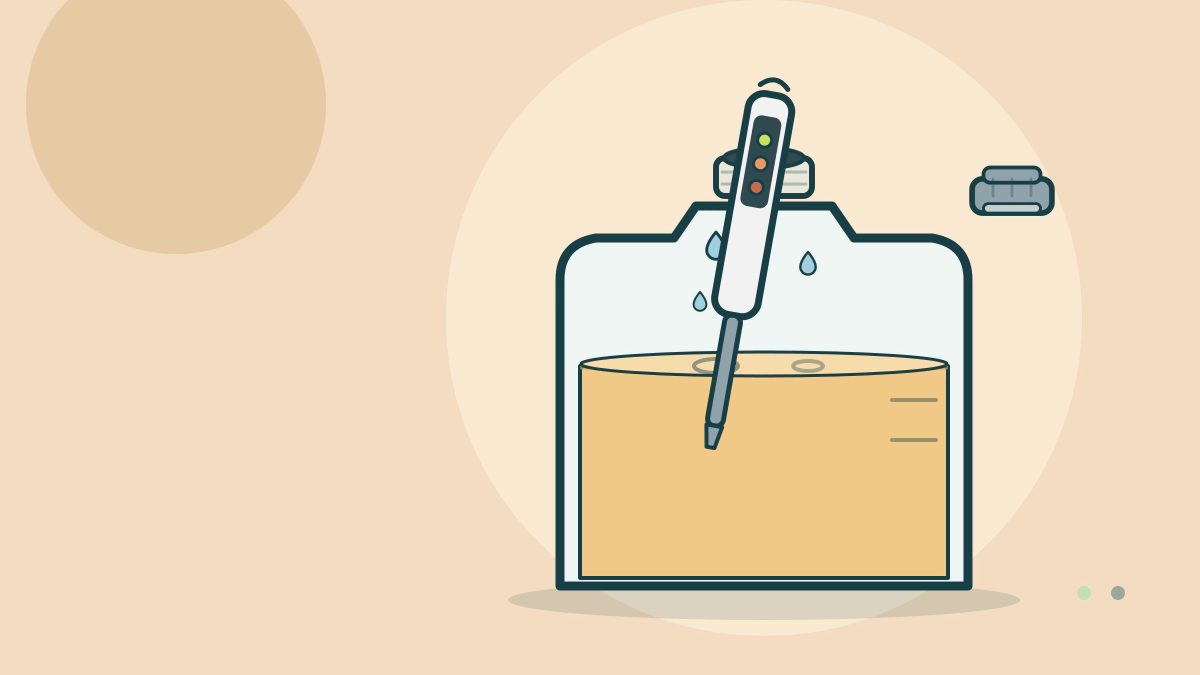
Understand why glycol brake fluid takes on water, how moisture lowers its boiling point and what the federal wet-boiling standard means for replacement.
Brake fluid absorbs water because of how the fluid is built
Brake fluid is hygroscopic: glycol-based DOT 3 and DOT 4 fluids pull moisture from the air, and that water lowers the temperature at which the fluid boils.
The 2026 Kia K5 owner’s manual says it directly. Brake fluid constantly absorbs moisture from the air, which lowers its boiling point. If the boiling point falls too far, vapor pockets may form when the brakes are applied hard. The manual’s brake fluid page gives the same warning.
That is why the federal brake-fluid standard requires a wet boiling point, not only a dry one. Fluid that passes on a bench when new can lose protection after it takes on water in service.
What the federal standard measures
FMVSS No. 116, at 49 CFR 571.116, sets minimum equilibrium reflux boiling points for each DOT grade. It then sets a lower minimum for the same fluid after controlled humidification.
| Grade | Minimum dry boiling point | Minimum wet boiling point |
|---|---|---|
| DOT 3 | 205 C (401 F) | 140 C (284 F) |
| DOT 4 | 230 C (446 F) | 155 C (311 F) |
| DOT 5 silicone | 260 C (500 F) | 180 C (356 F) |
The wet test is not a roadside check. The standard humidifies a 350 ml sample, then measures its water content and boiling point. The specification itself assumes the fluid will pick up water.
The standard also has a water-tolerance test. DOT 3, DOT 4 and DOT 5.1 fluids are diluted with 3.5 percent water and held at minus 40 C for 120 hours, then checked for sludge, sediment or separation.
DOT 5 silicone is handled differently: the standard humidifies it rather than mixing water into it. That fits its different chemistry. Do not treat DOT 5 as an upgrade for a DOT 3 or DOT 4 system; use the grade the vehicle requires.
Where the water comes from
The manual says the fluid absorbs moisture from the air continuously, and that fluid exposed to open air for a long time should never be used because its quality cannot be guaranteed.
The federal labeling rule points the same way. Brake-fluid containers must warn users to store fluid only in its original container, keep it clean and tightly closed, and prevent absorption of moisture. That warning is about storage, and the same care applies to any fluid kept for top-ups.
An opened bottle is a poor top-up source. The Kia manual says exposed fluid should be discarded, so buy a sealed container sized to the job or let a shop use its stock.
Why a lower boiling point matters
Brake fluid is hydraulic fluid. It must stay liquid to transmit pedal force. When it boils, the vapor compresses, and pedal travel can increase or the pedal can feel soft.
The Kia manual links absorbed moisture to vapor pockets under hard braking. That explains why a car can feel normal in easy driving and change under a hard stop. It does not mean every soft pedal comes from water; a leak, air or a failed component can produce the same symptom. Read what a soft or spongy pedal can mean.
The dry-to-wet drop is large. DOT 3 falls from 205 C to 140 C, and DOT 4 from 230 C to 155 C. They show why the wet figure is the useful one in service.
Why replacement is time-based, not just mileage-based
Water enters over time, so a low-mileage car can still have wet fluid. The 2026 Kia K5 normal schedule says to inspect brake fluid every 8,000 miles or 12 months and replace it every 48,000 miles or 48 months. That is one manufacturer’s schedule for one model. See the maintenance table; your manual may differ. A car that sits or makes short trips still ages its fluid.
The manual also warns that brake fluid can damage paint and should not contact your eyes. If it does, flush them with a large quantity of fresh tap water and have them examined by a doctor.
Replacement is not a universal do-it-yourself job. The procedure must remove air and avoid contamination, and it varies by braking system. Ask a qualified technician to follow the manufacturer’s service information. The brake fluid replacement guide covers how intervals differ across brands.
What to do with this information
Check the reservoir level occasionally, but do not judge fluid by color. The federal standard describes the color of new fluid: DOT 3 and DOT 4 are colorless to amber, and DOT 5 is purple. It sets no color test for fluid in service.
Follow the manual’s time and mileage schedule. Do not top up with an old, opened bottle, a different DOT grade or an unknown fluid. If the level keeps falling, find the leak. If the pedal changes, stop driving and have the system checked. The signs are covered in how to recognize brake fluid problems.
More brake and fluid guidance sits under Car Parts and Fluids.
Frequently asked questions
Does brake fluid absorb moisture even when the car is not driven?
Yes. The Kia manual describes continuous absorption from the air, and the schedule includes a time limit as well as a mileage limit.
Can I fix wet brake fluid by topping it up?
No. Adding fluid raises the level but does not remove water already in the system. The Kia manual also warns that frequent additions call for inspection.
Is DOT 4 more resistant to moisture than DOT 3?
Both are hygroscopic and both have a required wet boiling point, so the standard assumes water pickup for each. DOT 4 has higher dry and wet minimums, but that does not make it right for every car.
Does moisture always make the pedal feel soft?
No. The Kia manual says vapor pockets may form under hard braking, so a problem can appear only in demanding use. A soft pedal can also come from air, a leak or a failed component.