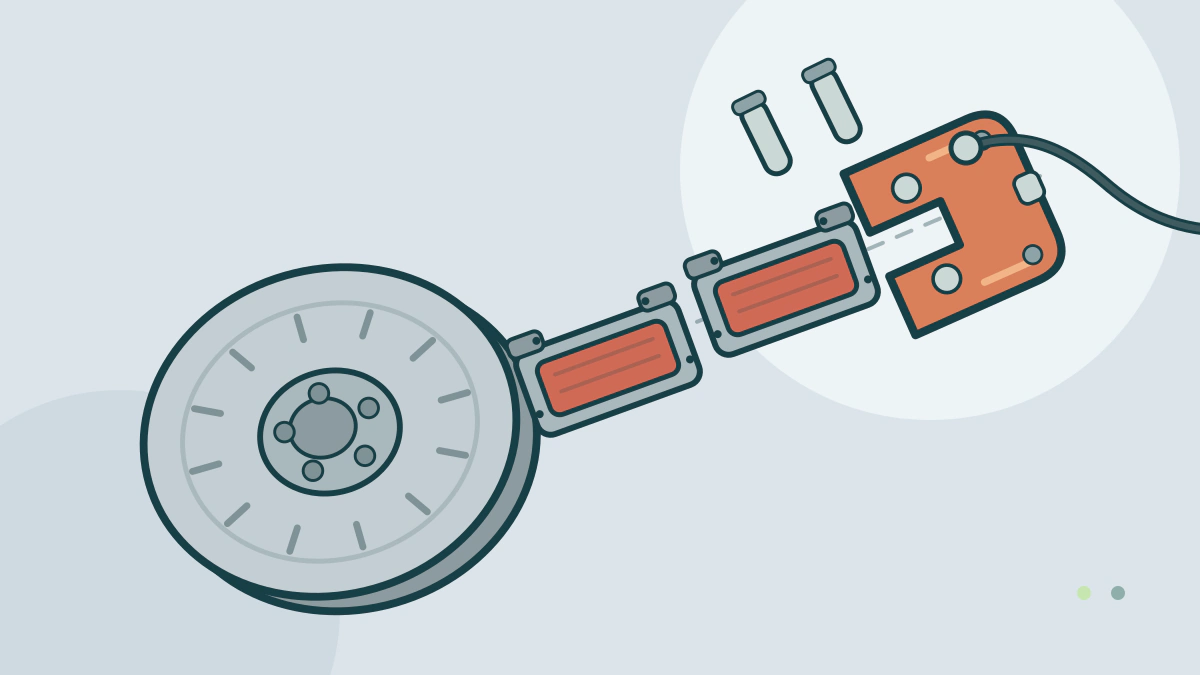
A disc brake clamps two pads against a spinning rotor. Learn the rotor, caliper, pads, hydraulic lines and hardware jobs and how each part is checked.
What are the main parts of a disc brake?
A disc brake uses a caliper to press two brake pads against a rotor that turns with the wheel. The rotor, caliper and pads are the parts you see with the wheel removed. The master cylinder, lines, hoses and fluid are the parts that deliver the force.
The sequence is hydraulic: the pedal pushes fluid, the fluid pushes pistons, and the pistons push pads. Friction turns motion into heat. The vehicle slows.
From pedal to piston
The Car Care Council describes the chain: pressing the pedal creates hydraulic pressure in the master cylinder, and that pressure travels through lines and hoses to the calipers. The calipers then force the pads against the rotors.
Brembo’s technical description puts it another way. A caliper converts hydraulic energy into mechanical energy. Pressure from the master cylinder acts on the caliper pistons, which press the pads against the disc and slow or stop the vehicle.
The Kia manual describes its brakes as power-assisted. It notes that if assist is lost, the pedal still works but needs more force and the stopping distance grows.
The rotor is the friction surface
The rotor, also called the disc, is bolted to the wheel hub and turns with the wheel. The pads clamp its two faces. Heat from each stop goes into the rotor, which is why it is a substantial metal part.
Inspection is about geometry as well as thickness. The Kia maintenance item says to check the pads for excessive wear, the discs for run out and wear, and the calipers for fluid leakage. The Car Care Council includes rotor thickness in a thorough annual brake inspection.
The vehicle maker’s service information states the minimum thickness and runout limits. A rotor below the limit, or worn unevenly, is judged against those specifications rather than against how it looks.
The caliper holds the pads and the pistons
Brembo separates calipers into two layouts. A floating caliper has pistons on one side. The piston pushes one pad, and the sliding body pulls the other pad against the opposite face. A fixed caliper is rigidly mounted and has two or more pistons that act on both sides.
Floating calipers are common on low- and mid-range vehicles. Fixed calipers are used on mid- to high-end and sports vehicles, according to Brembo. Each is a trade-off in cost, weight and design.
The caliper also contains parts that are easy to overlook. Seals keep fluid in and retract the piston after a stop. Dust covers protect the piston bore. Sliding guides let a floating caliper move. A bleed screw lets air out of the hydraulic circuit.
Pads, springs and the wear warning
A brake pad carries the friction material that presses on the rotor. The pad springs return the pads to their resting position and keep them against the pistons, according to Brembo.
The Kia manual describes the wear warning. When the pads wear down, the front or rear brakes produce a high-pitched sound. The sound may come and go, or appear whenever the pedal is pressed. The manual says to replace front or rear pads as pairs and warns that ignoring the sound can eventually reduce braking performance.
Noise is a warning, not a measurement. The guide to brake squeal versus grinding explains why the type of noise matters.
The parts of a disc brake at a glance
| Part | Job | What inspection looks at |
|---|---|---|
| Rotor | Provides the surface the pads clamp | Thickness, run out and wear |
| Caliper | Holds the pads and turns hydraulic pressure into clamping force | Leaks, piston and seal condition, guide movement |
| Pads | Friction material that presses on the rotor | Lining wear and even wear across the axle |
| Hoses and lines | Carry pressurized fluid to each caliper | Cracks, chafing and leaks |
| Brake fluid | Transmits pedal force through the hydraulic system | Level and condition |
What the owner can check, and what needs a lift
An owner can check the brake fluid level and watch for a warning light. The Kia manual says a parking brake and brake fluid warning light with the parking brake released indicates low fluid. It says to stop safely, check the level and look for leaks, and not to drive a car whose brakes do not operate properly.
Pad thickness, rotor thickness, runout and caliper condition need the wheels off and a measurement. The Car Care Council recommends an annual brake inspection that includes lining wear, fluid level, rotor thickness, hoses, lines and warning lights.
Brake work is safety-critical. A soft or spongy pedal, a pulling car or a grinding noise is a reason to stop driving and have the system inspected. See what a soft brake pedal means.
Torque values, wear limits and bleeding sequences are model-specific and belong to the manufacturer’s service information. For the wear parts in more detail, see brake pads versus rotors and when rotors need replacement. The Automotive Mechanical Systems hub covers the rest of the chassis group.
Frequently asked questions
What is the difference between a rotor and a disc?
They are two names for the same part. The rotor is the metal disc that turns with the wheel, and the pads clamp its friction surfaces. The term disc brake refers to the whole assembly that uses that disc.
Are calipers and brake pads always replaced together?
No. Pads wear as a normal service item. Calipers are replaced or rebuilt when they leak, seize or fail a test. The manual’s inspection and the measured condition decide.
Can a single brake pad be replaced on its own?
The Kia manual says to replace front or rear pads as pairs, meaning both sides on the same axle. Follow the axle-pair rule in the manual.
Do disc brakes need special fluid?
The brake system needs the fluid type specified for the vehicle. The reservoir cap and owner’s manual identify it. Wrong fluid can damage seals, so check the specification first.