Automotive Mechanical Systems
Understand the basic operation of combustion engines, transmissions, drivetrains, suspension, braking and electrical systems. The goal is clearer repair conversations and better technical literacy.
20 researched guides are published in this section. The completed articles are linked below; other topics remain planned. Unpublished topic titles are not presented as articles.
Explore subtopics
Topic previews are part of our editorial roadmap, not links to unwritten articles.
Electronics and Sensors
- CAN Bus Explained for Car Owners
- Crankshaft Position Sensor vs Camshaft Position Sensor
- How Automotive Relays Work
- How Does an Alternator Charge the Battery?
- What Does a Car ECU Do?
Engine Fundamentals
- Direct Injection vs Port Injection
- How a Four-Stroke Gas Engine Works
- How Engine Cooling Systems Work
- Timing Belt vs Timing Chain: Mechanical Differences
- What Happens Inside a Turbocharger?
Fuel and Exhaust
- EVAP System Explained for Car Owners
- How a Modern Fuel Injection System Works
- How an Oxygen Sensor Affects Engine Performance
- What Does a Catalytic Converter Do?
- What Does an EGR Valve Do?
Steering Suspension Brakes
- Disc Brake Components Explained
- How Anti-Lock Braking Systems Work
- How Electric Power Steering Works
- MacPherson Strut vs Double-Wishbone Suspension
- What Do Sway Bars Do?
Transmissions and Drivetrains
- AWD vs 4WD Drivetrain Mechanics
- Dual-Clutch Transmission vs Conventional Automatic
- How a CVT Transmission Works
- How a Torque Converter Automatic Works
- What Does a Limited-Slip Differential Do?
Verified guides in this category

CAN Bus Explained for Car Owners
Understand how a vehicle CAN bus lets control modules exchange messages, what network faults can look like and why diagnosis requires more than reading one code.
Read guide ↗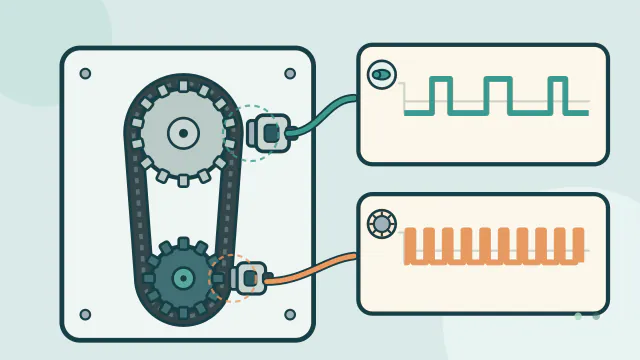
Crankshaft Position Sensor vs Camshaft Position Sensor
Learn what the crankshaft and camshaft position sensors each measure, why an engine needs both signals and how federal OBD rules treat cam-crank alignment.
Read guide ↗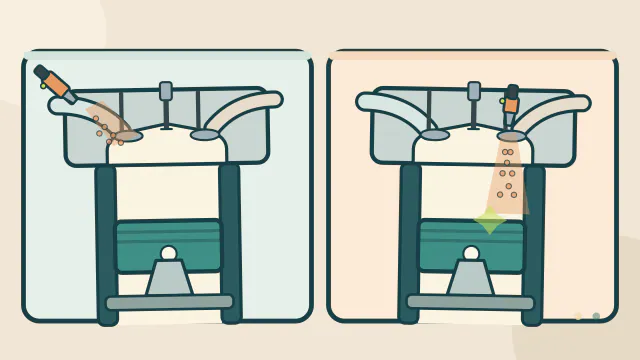
Direct Injection vs Port Injection
Compare direct and port fuel injection: where each injector sprays, how the mixture is prepared, and why some modern engines use both systems together.
Read guide ↗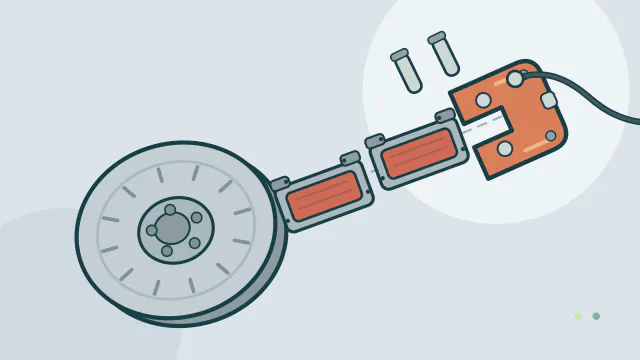
Disc Brake Components Explained
A disc brake clamps two pads against a spinning rotor. Learn the rotor, caliper, pads, hydraulic lines and hardware jobs and how each part is checked.
Read guide ↗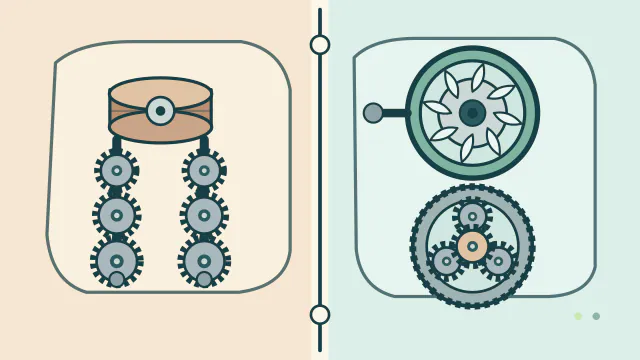
Dual-Clutch Transmission vs Conventional Automatic
A dual-clutch uses two clutches and preselected gears; a conventional automatic uses a torque converter and planetary gears. Compare driving feel and fuel use.
Read guide ↗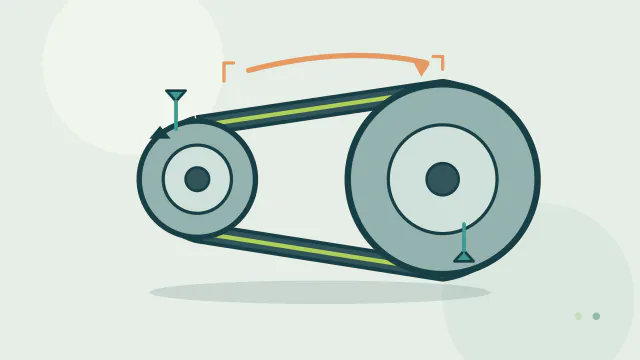
How a CVT Transmission Works
A CVT changes ratio with two moving pulleys and a steel belt or chain, then uses a launch device and a lockup clutch to move the car from rest.
Read guide ↗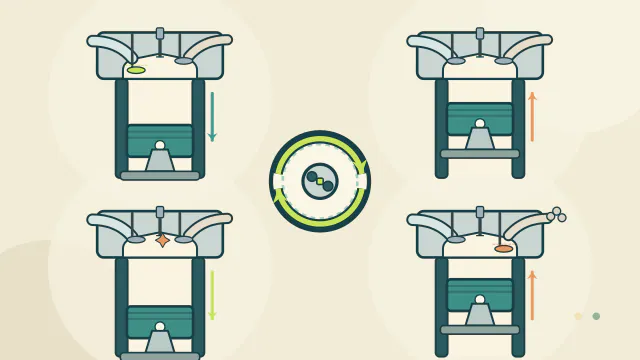
How a Four-Stroke Gas Engine Works
Follow a gasoline engine through intake, compression, power and exhaust, with a labelled cylinder diagram described in words and a clear energy picture.
Read guide ↗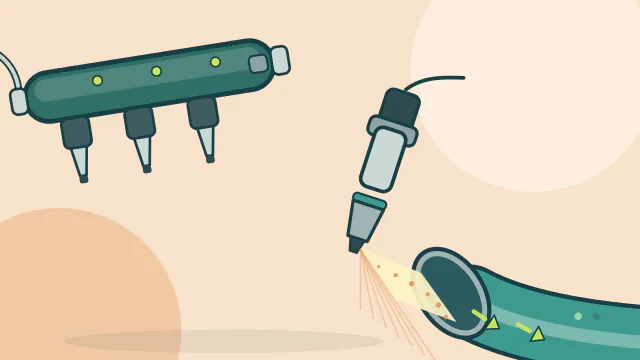
How a Modern Fuel Injection System Works
See how pumps, injectors and the engine control unit meter gasoline, and how port and direct injection differ in pressure, mixture formation and deposits.
Read guide ↗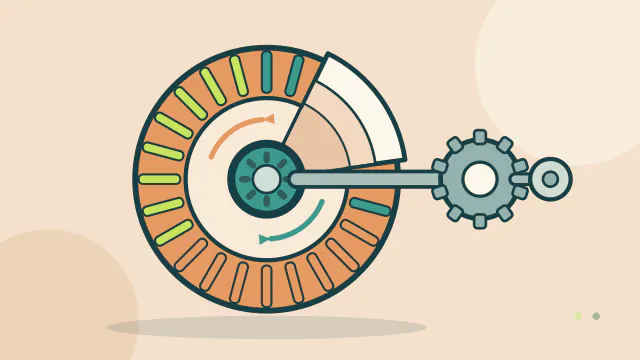
How a Torque Converter Automatic Works
A torque converter automatic launches through a fluid coupling, changes ratio with planetary gearsets and locks the converter to cut slip at road speed.
Read guide ↗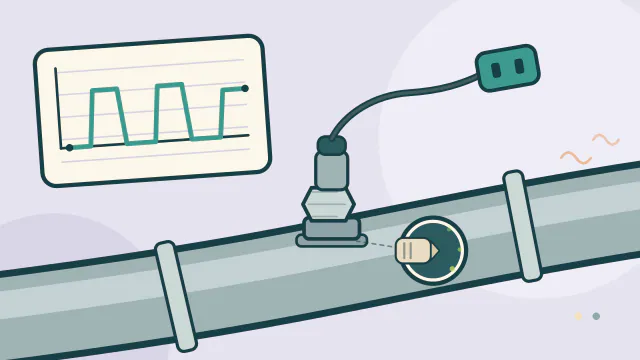
How an Oxygen Sensor Affects Engine Performance
An oxygen sensor reports the exhaust oxygen level so the engine computer can correct fuel delivery. A slow or failed sensor can raise emissions and set a code.
Read guide ↗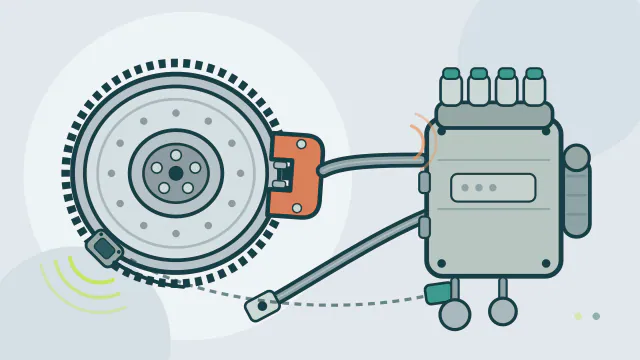
How Anti-Lock Braking Systems Work
ABS reads wheel speed, compares it with the car's motion and pulses brake pressure at each wheel to keep the tires rolling and steering alive.
Read guide ↗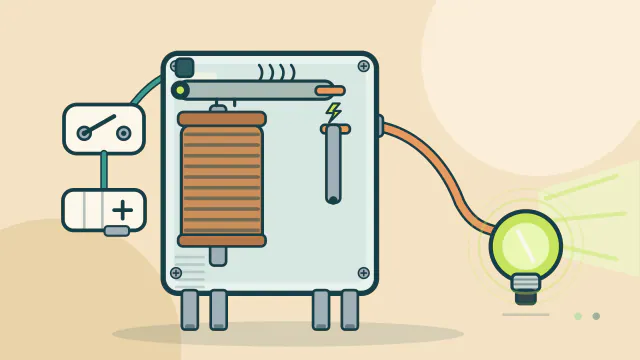
How Automotive Relays Work
See how an automotive relay uses a small coil current to switch a larger load, what normally open and changeover contacts do and where relays sit in a car.
Read guide ↗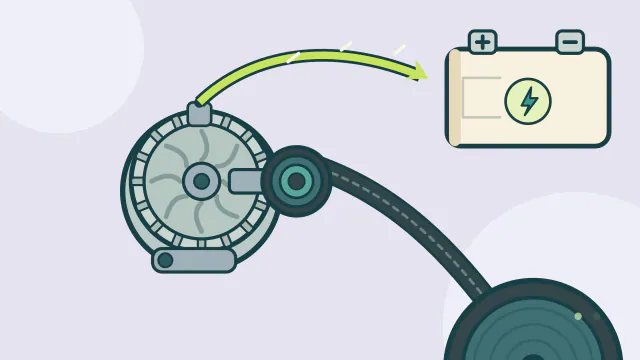
How Does an Alternator Charge the Battery?
Follow the charging path from the engine-driven rotor to the battery: three-phase alternating current, diode rectification and regulator control explained.
Read guide ↗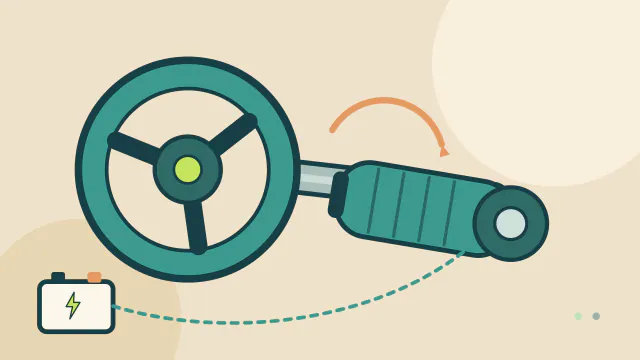
How Electric Power Steering Works
Electric power steering uses a motor, sensors and a control module to assist the driver. See the main layouts and what an EPS warning light means.
Read guide ↗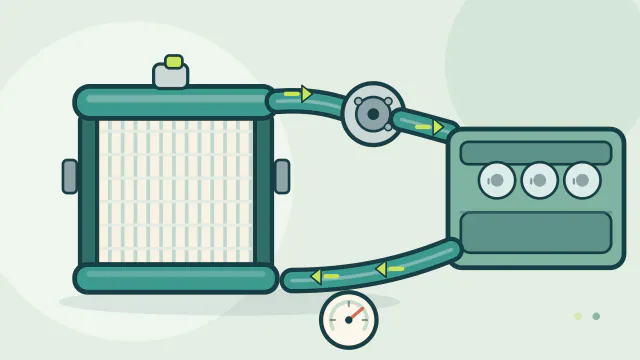
How Engine Cooling Systems Work
Follow coolant from the pump through the engine, thermostat and radiator, and see how pressure, airflow and the heater core keep engine temperature stable.
Read guide ↗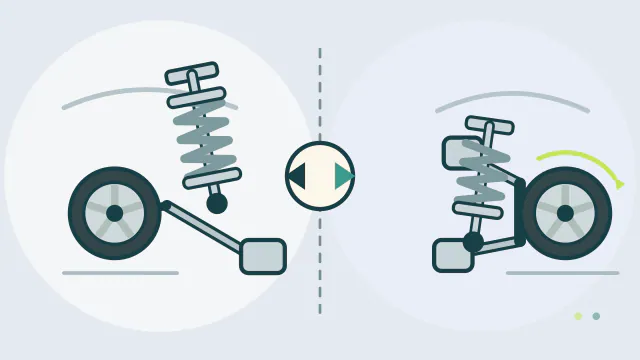
MacPherson Strut vs Double-Wishbone Suspension
Compare MacPherson strut and double-wishbone front suspension by load path, wheel-angle control, packaging and service needs, with real manufacturer examples.
Read guide ↗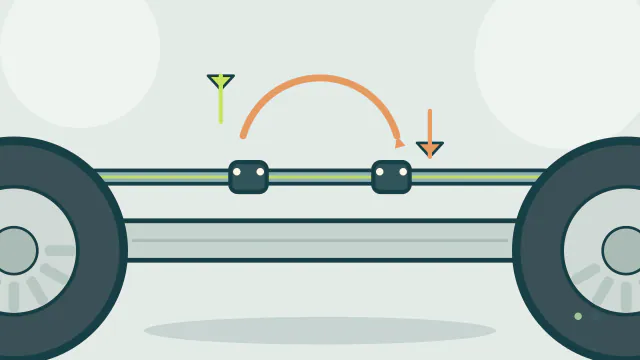
What Do Sway Bars Do?
A sway bar links the left and right sides of a suspension and resists body roll in corners. See how front and rear bars differ and what they trade away.
Read guide ↗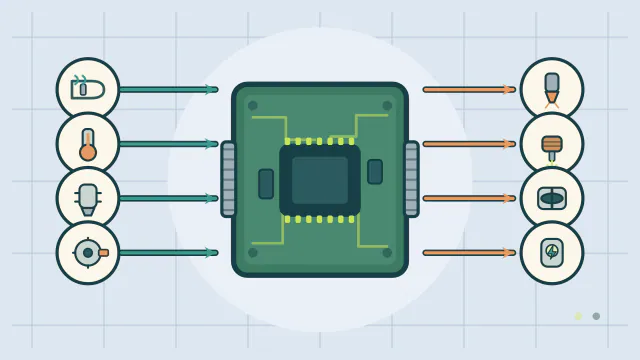
What Does a Car ECU Do?
A car ECU is the computer that runs the engine: it reads sensors, times fuel and spark, commands actuators and watches emissions hardware for faults.
Read guide ↗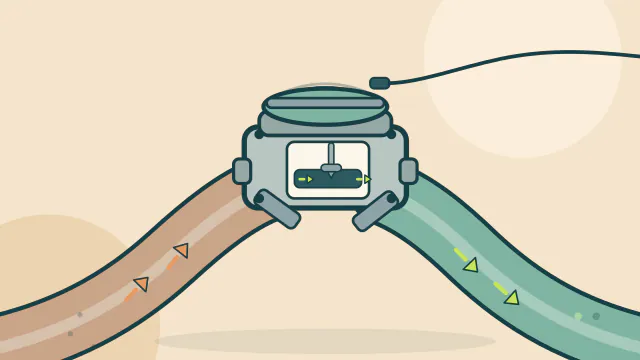
What Does an EGR Valve Do?
An EGR valve sends a controlled amount of exhaust gas back into the intake to lower combustion temperature and reduce nitrogen oxides.
Read guide ↗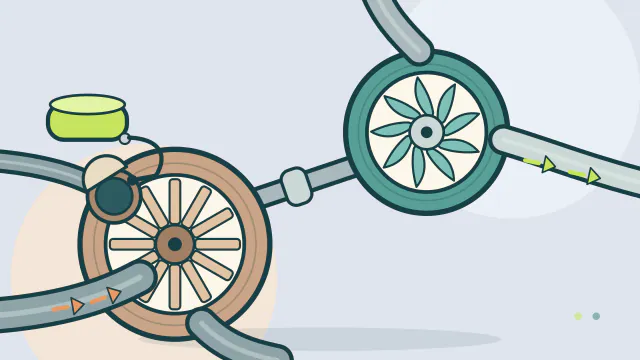
What Happens Inside a Turbocharger?
Trace exhaust energy through the turbine and shaft to the compressor, and see why charge air is cooled, how boost is limited and what heat does to the turbo.
Read guide ↗