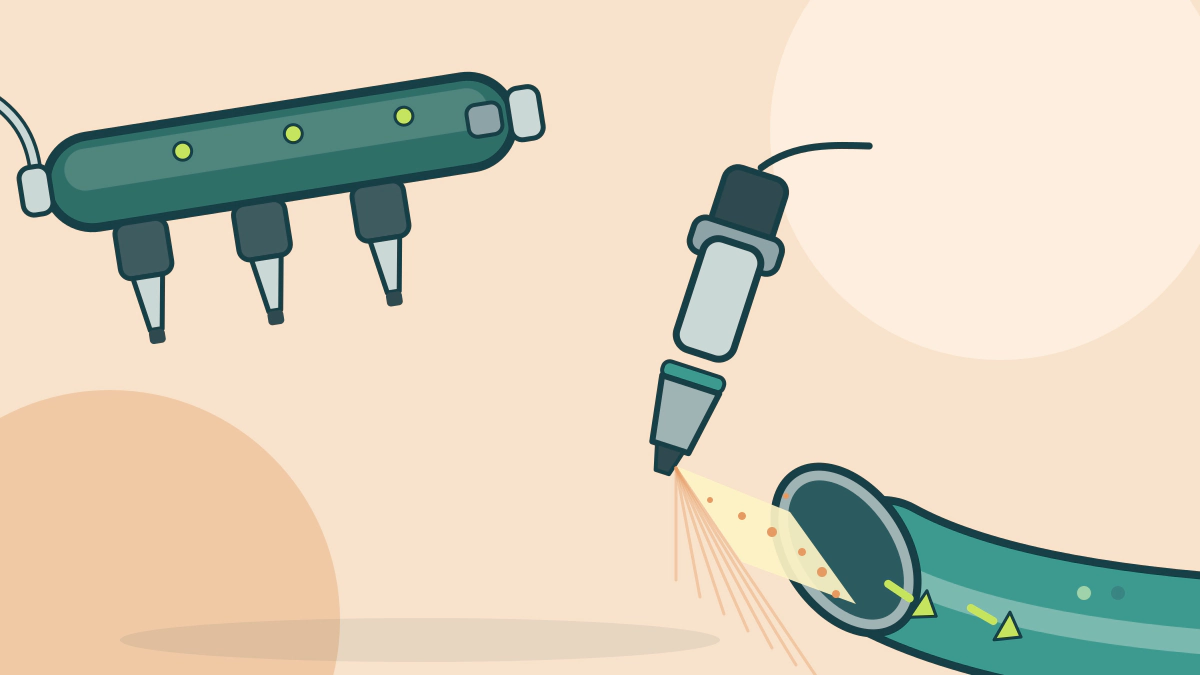
See how pumps, injectors and the engine control unit meter gasoline, and how port and direct injection differ in pressure, mixture formation and deposits.
How does a modern fuel injection system work?
A pump pressurizes gasoline, injectors spray a measured amount, and the engine control unit sets the timing and quantity from sensor data. That replaces the carburetor’s airflow-dependent fuel draw. Bosch’s direct-injection description separates the system into a low-pressure supply, a high-pressure circuit and the injectors.
Modern systems are not all the same. Port injection sprays fuel into the intake manifold, while direct injection sprays it into the combustion chamber. Some engines use both.
The low-pressure and high-pressure sides
Bosch says the fuel supply delivers fuel to the high-pressure pump at up to 6 bar (about 87 psi). The high-pressure pump then feeds the fuel rail at up to 350 bar (about 5,000 psi), and high-pressure injectors meter and atomize the fuel directly in the combustion chamber.
A port-injection system is simpler. Bosch describes it as a low-pressure system at about 6 bar, with injectors spraying fuel before the inlet valve. The mixture forms in the intake manifold and flows into the cylinder during the intake stroke.
| Feature | Port injection | Direct injection |
|---|---|---|
| Where fuel is sprayed | Intake manifold, before the inlet valve | Directly into the combustion chamber |
| Typical pressure | About 6 bar | Rail up to 350 bar |
| Mixture formation | Outside the cylinder | Inside the cylinder |
| Charge cooling | Mostly in the intake port | Fuel evaporation cools the charge in the cylinder |
| Particles | Bosch says it generates fewer particles | Bosch pairs it with port injection to cut particles further |
Why direct injection changes combustion
Bosch says high-pressure injectors atomize fuel inside the chamber, which optimizes cooling, increases efficiency and boosts torque. It also says direct injection excels near full load because of an increased knocking limit, while port injection has lower friction losses at part load.
That is why some engines combine the two. Bosch says port injection’s cleaning effect on intake ports and valves promotes higher exhaust gas recirculation rates. The company also says the pair reduces particle emissions compared with either system alone.
How the control unit decides how much fuel
Bosch describes an electronic Motronic control unit coordinating the subsystems. It uses torque as the central reference variable and regulates mixture preparation and ignition timing.
Sensors provide the inputs. Bosch’s component list includes a high-pressure sensor, a temperature sensor, camshaft and crankshaft position sensors, a knock sensor, lambda sensors and an accelerator-pedal module. Injector opening duration sets the quantity, while rail pressure and sensor feedback keep the delivery accurate.
The driver’s pedal position is only one input. The control unit balances air mass, fuel pressure, temperature and exhaust feedback so the mixture stays close to what the engine and catalyst need.
What owners should know about fuel quality
Kia’s 2023 owner’s manual recommends TOP TIER detergent gasoline to help prevent deposit formation. It limits ethanol to no more than 15 percent and prohibits methanol. It also says not to add fuel-system cleaning agents other than those specified.
Those rules apply to both injection designs, although the hardware differs. A port-injection system washes the intake valve with fuel, while a direct-injection system does not. That difference is one reason some manufacturers combine the two approaches.
The manual for your model year is the authority on fuel and additives. Following it is cheaper than correcting a fuel-system problem later.
When fuel-system work should go to a professional
The high-pressure side of a direct-injection system operates at up to 350 bar. Work on that side calls for the manufacturer’s depressurization procedure and the right equipment, so it is not a casual DIY job. Do not crack a high-pressure line to see whether fuel is present.
Low-pressure checks are more approachable. Kia notes that a loose fuel cap can trigger the check engine light, so start with the simple items the manual lists. Beyond that, use a scan tool and the service information instead of replacing parts by guesswork.
The history of fuel injection explains how the technology replaced carburetors, and the turbocharger guide shows why direct injection and turbocharging are often paired. The Automotive Mechanical Systems hub covers the wider engine picture.
Frequently asked questions
Is fuel injection better than a carburetor?
For precise mixture control and emissions compliance, yes. Electronic injection can adjust fuel quantity as temperature, altitude and load change, which a carburetor cannot do as accurately. A carburetor can still run an engine well, which is why the change took decades.
Do all modern cars use direct injection?
No. Port injection remains common, and some engines use both systems. Bosch describes port injection as a lower-cost, lower-pressure design and direct injection as the higher-pressure option with different combustion benefits.
Does fuel injection need periodic cleaning?
Injectors and fuel pumps are serviced by condition and the manufacturer’s schedule, not by a universal interval. Kia recommends detergent gasoline and warns against unspecified additives. Check the manual before adding any cleaner.
Why is direct-injection fuel pressure so high?
The injector must overcome compression in the cylinder and atomize fuel finely in a short time. Bosch lists rail pressure up to 350 bar. That pressure is also why high-pressure service requires special procedures and training.