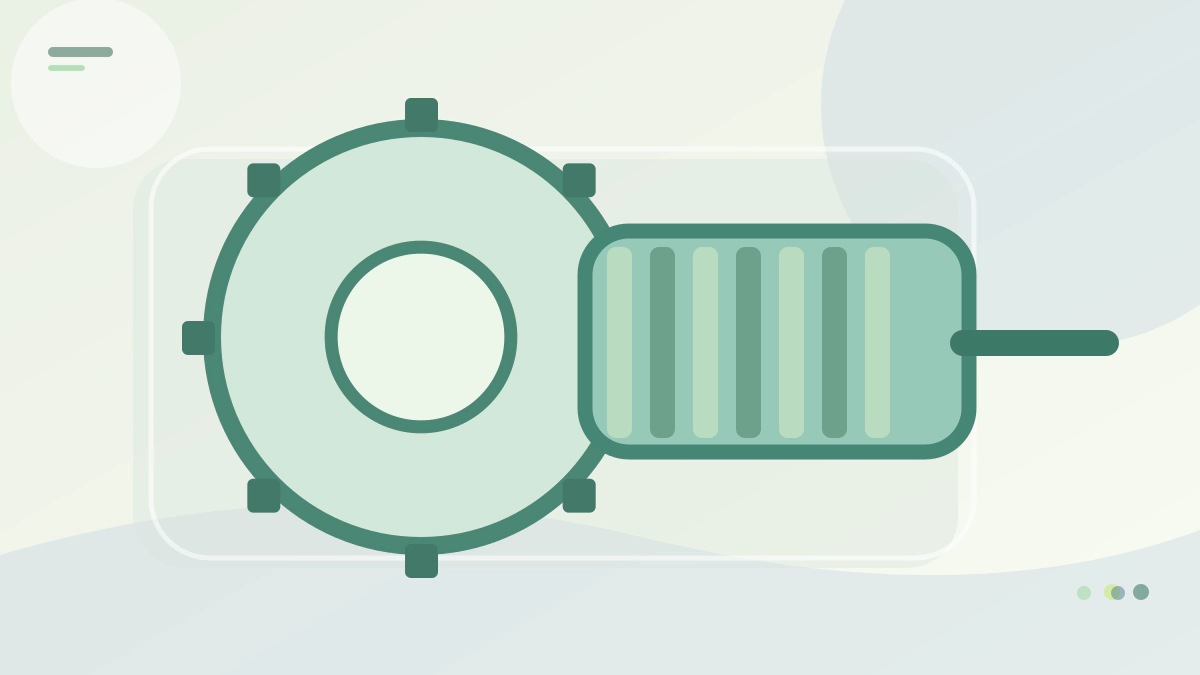
How an Electric Car Motor Works: important differences, practical checks, limitations and safe next steps for US motorists.
How does an electric vehicle motor turn electricity into motion?
Power electronics send controlled electrical energy from the battery to an electric motor, which produces torque that drives the wheels through a reduction gear. Many electric-drive motors also recover energy when slowing down, but system details vary.
What matters is understanding the exact system and operating situation; broad labels or one symptom cannot replace relevant model-year guidance.
How the system or symptom differs
| What you observe | Why it matters | What to confirm |
|---|---|---|
| Traction battery | Stores electrical energy | Identify voltage and usable capacity |
| Inverter and control | Manage motor current and torque | Read vehicle technology data |
| Motor and reduction gear | Convert power to wheel motion | Know drivetrain layout |
Electric motors produce rotational force through interactions of magnetic fields.
Depending on design, an inverter switches battery DC into controlled motor-drive current.
Unlike a conventional gasoline vehicle, many EVs need only a single-speed reduction gear for a broad useful torque range.
Some EVs use more than one motor for front and rear axles.
DOE — How All-Electric Cars Work explains an important part of the underlying system. The DOE — EV Charging and Ownership adds official technical or safety context. Use them as starting points, then verify vehicle-specific instructions before adjusting controls, selecting components or authorizing repairs.
What sits between the battery and the motor
DOE’s AFDC lists the main parts of an all-electric car. The power electronics controller manages the electrical energy from the traction battery. It sets the motor’s speed and the torque it produces.
A DC/DC converter steps high-voltage traction power down for accessories. It also recharges the low-voltage auxiliary battery. A separate onboard charger turns AC power from the charge port into DC for the traction battery.
A thermal system keeps the motor and power electronics within a proper temperature range. Some vehicles use motor generators. These handle both driving and regeneration.
Why an EV motor does not idle
FuelEconomy.gov notes that an EV’s motor stops when the vehicle stops. It wastes no energy idling.
The same page says electric drive systems are much more efficient than the engines and transmissions of conventional vehicles. Some energy is still lost in the drivetrain. Power steering and the cooling and control systems also use energy.
All cabin heat must come from electricity, because there is no engine heat to borrow. In very cold conditions, the page says auxiliary electrical losses can account for more than 33% of energy use in combined city and highway driving.
A careful four-step approach
- Trace energy: Battery to power control electronics
- Identify motor: Understand rotor, stator and torque
- Follow drivetrain: Motor to reduction gear and wheels
- Explore recovery: Regeneration during braking when supported
Make observations when parked or while accompanied by a qualified instructor where appropriate. A safe decision does not rely on an experiment in moving traffic or on guessing at a hidden mechanical problem.
Important exceptions and safety limits
Peak advertised horsepower or torque does not promise constant output under every battery temperature and charge level.
Electric drivetrains have high-voltage hazards even when quiet; never touch orange HV cables or attempt DIY traction-system work without proper qualifications.
The AFDC says high-voltage systems in these vehicles typically run from 400 to 1,000 volts. Battery packs sit in sealed shells. Light-duty vehicles must have features that can deactivate or isolate the electrical system when they detect a collision or short circuit. See the AFDC maintenance and safety page.
Check relevant warning lights, model-year instructions and prior maintenance or repair records.
Differences between trims and generations can invalidate advice that sounds universal.
Written observations are more useful than immediately replacing a part or copying a driving technique outside a controlled learning environment.
Read the related Motor Atlas guide for background on the surrounding system and safe ownership decisions.
Questions and answers
Do electric cars have transmissions?
Yes, many use a reduction gear and differential, though they usually do not require multiple conventional shifting ratios.
Can the same symptom or feature behave differently in another model?
Yes. Hardware, software, climate and vehicle condition can all change the behavior. Find instructions for the actual make, year and powertrain rather than extrapolating from a different car.
When should I ask for professional help?
Use factory descriptions to distinguish the exact battery, inverter, motor and gearbox arrangement. If safety is uncertain, avoid further road testing until the vehicle or your driving technique has been checked.
Bottom line: Power electronics send controlled electrical energy from the battery to an electric motor, which produces torque that drives the wheels through a reduction gear. Use factory descriptions to distinguish the exact battery, inverter, motor and gearbox arrangement.