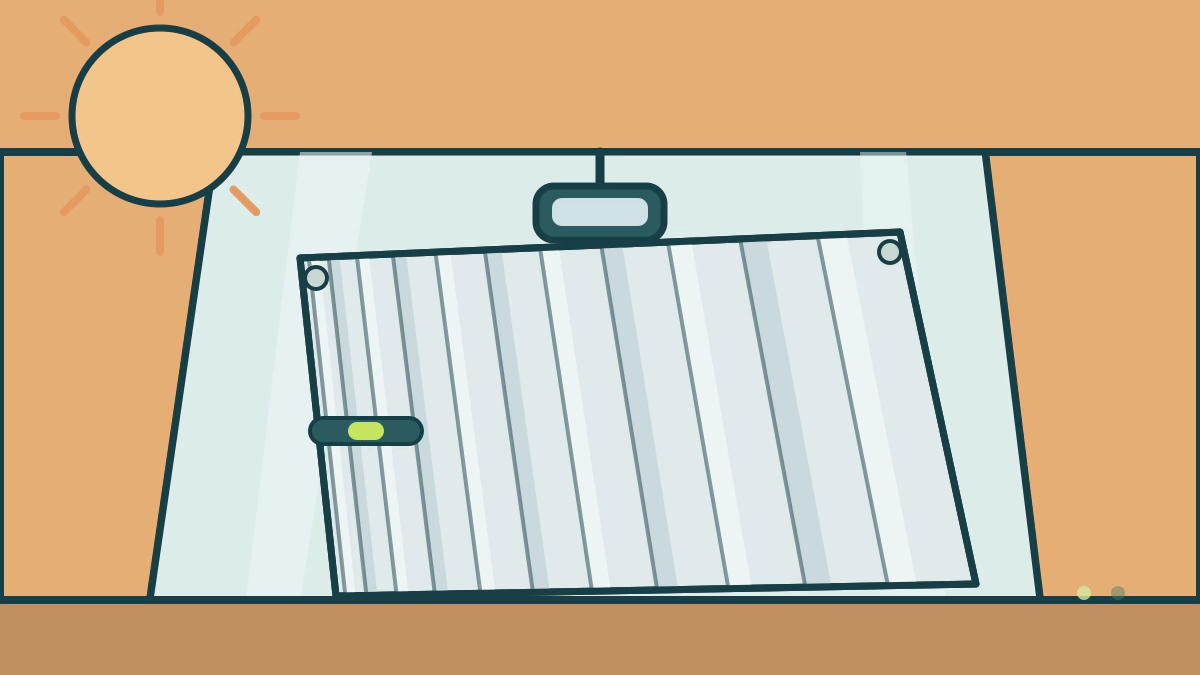
Compare custom, folding and roll-up sunshades, measure a windshield correctly, and judge heat and UV claims without expecting a parked car to stay cool.
Do car sunshades keep the interior cool?
A sunshade blocks sunlight from reaching the dashboard and seats, but it does not turn a parked car into a cool box. Buy one to cut direct sun and glare, not to make the cabin safe to sit in.
NHTSA says plainly that “rolling windows down or parking in the shade does little to change the interior temperature of the vehicle.” It gives that warning while explaining that children die in hot cars every year.
What a shade can and cannot protect
A shade can reduce direct sun, keep belongings out of view and add a little privacy while parked. It cannot make the cabin comfortable on a hot day, and it is no substitute for checking the back seat before locking the car.
Heat still builds up behind the glass. Mazda’s 2024 CX-5 owner’s manual warns not to leave lighters or eyeglasses in the storage boxes while parked under the sun. A lighter could explode and plastic frames could deform and crack. A shade reduces direct light but not that heat.
The main types of sunshade
| Type | Construction | How it fits | Stowage | Watch for |
|---|---|---|---|---|
| Custom-fit panel | Foam core with a reflective side | Cut for a specific model | Rolls or folds | Price, and whether the pattern covers your year |
| Universal accordion | Pleated panels | Trimmed to rough size | Folds flat | Gaps at the edges and around the mirror |
| Roll-up reflective | Thin film | Suction cups or wedged in place | Rolls into a tube | Sagging and cups that let go |
| Umbrella style | Radial ribs | Opens against the inside of the glass | Folds like an umbrella | Contact with the mirror base or sensors |
| Side-window mesh | Mesh sock or panel | Slips over the door frame | Stuff sack | Parked use only; it blocks the view |
Custom-fit shades are sold by vehicle year, make and model. Confirm the listing names your model year before ordering. One manufacturer’s product page describes a foam core, a silver side, a black side and a roll-up strap. Those are product details from the maker, not an independent test. A universal shade is cheaper, but it depends on trimming and still leaves gaps.
Measuring a windshield that actually fits
Start inside the car with the wipers off. Measure the glass width at the top and again at the bottom, because many windshields taper. Measure the height at the center, from the lower edge to the headliner.
Then check the obstacles. The rearview mirror base, the rain sensor and the lane camera housing can sit right where a shade needs to press. The same manufacturer’s page notes that a mounted sensor is often below the rearview mirror and that its shades are patterned around it.
Check the sun visors too. A shade that is too tall will jam against them or push the mirror. Confirm that the shade sits against the inside of the glass, not outside, and that it does not rest on the dashboard.
Mirror, sensors and camera housings
Many cars have a rain sensor, a light sensor or a forward camera in the mirror area. A shade that presses hard on that housing can disturb the mount. Do not hang anything from the mirror or cover the sensor with a suction cup. Dash cam wiring should not cross the sensor area either.
Reading heat and UV claims
A package may say the shade keeps the interior cool, blocks UV or lowers the dashboard temperature. Those are objective advertising claims. The FTC says advertisers must have a reasonable basis for such claims before they run them.
That does not mean every number is comparable. Ask how the test was run: starting temperature, time in the sun, windows open or closed, and where the thermometer sat. A claim without a method cannot be checked against another product.
The manufacturer’s page says its shade protects the interior from UV rays and helps keep temperatures cool. Treat that as the maker’s description. No independent test was cited for this article, and NHTSA’s heat warning still applies. A shade is an added layer at the glass, not a substitute for heat control.
Fitting, storing and using a shade
Clean the glass before fitting suction cups. Fit the shade with the reflective side facing out, and check that it does not trap the mirror or a sensor.
Remove the shade before driving. A panel left across the windshield blocks the driver’s view. Fold or roll it as the maker instructs, and store it where it will not be crushed.
If you add window film as well, check your state’s rules first. Window tint types explains visible light transmission and the limits that vary by state. For interior surfaces that already show sun damage, leather seat cleaning and conditioning covers care rather than cover-up.
Frequently asked questions
Are custom sunshades worth the extra cost?
They fit the glass and clear the mirror and sensors, which is the main job. A universal shade can work, but expect gaps and trimming.
Can I leave a sunshade in place while driving?
No. A shade across the windshield blocks the driver’s view. Remove it before moving the car, and do not use side-window mesh while driving.
Will a sunshade stop the dashboard from cracking?
It reduces direct sun and UV exposure, which can help. It does not remove heat, and NHTSA says shade and open windows do little to change interior temperature. Do not treat any shade as protection from heat.
How do I know which size to buy?
Measure the glass width at the top and bottom, the height at the center, and note the mirror and sensor housing. Buy by year, make and model when you can.