Learn what the ABS warning light reports, which causes owner's manuals and federal rules support, and when the light means stop driving.
What the ABS warning light reports
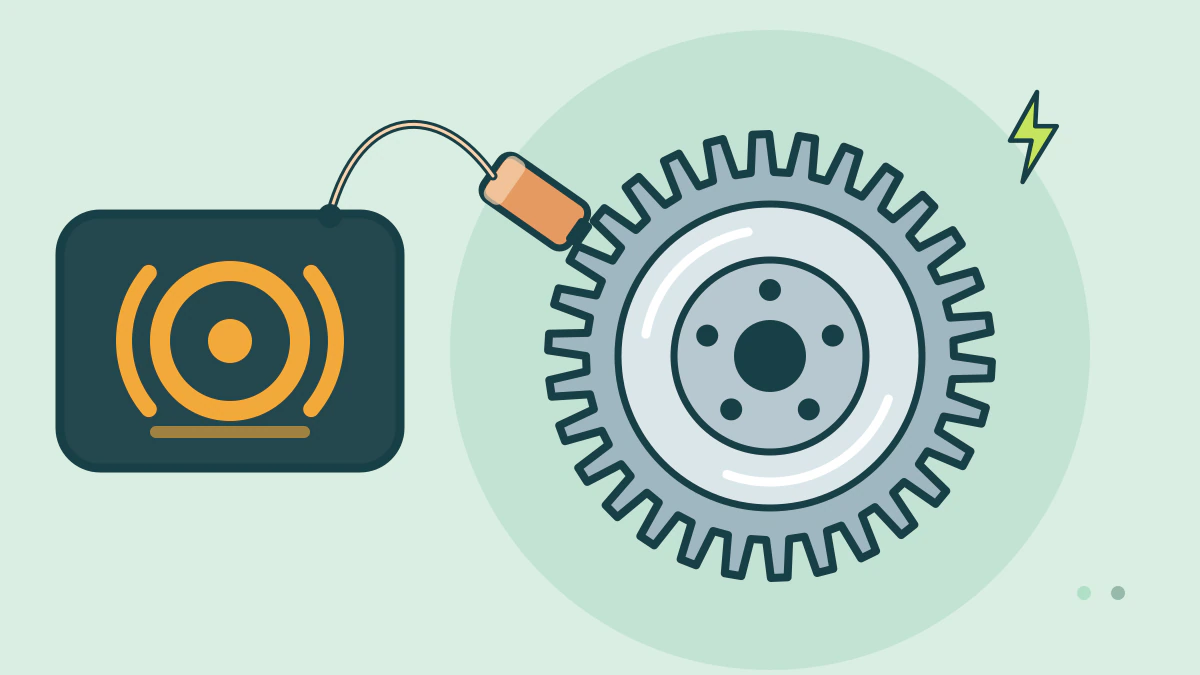
The ABS warning light means the vehicle has detected a fault in the antilock brake system, so ABS may not work when you need it. It does not name the part.
Federal rules set the trigger. FMVSS No. 135 requires a warning indicator for any electrical functional failure in an antilock system. If the antilock fault has its own indicator, it must use yellow and carry a label such as “Antilock” or “ABS”.
Ford’s 2014 Escape manual says the light on while driving indicates a malfunction. The car keeps its normal brakes without ABS, unless the brake system lamp is also lit.
This page is a source summary, not a diagnosis. The manuals read here do not rank parts by how often they fail, so no ranking is given.
When the light is normal and when it is not
Warning lights are meant to come on briefly when the ignition goes on. Ford’s manual says the ABS lamp lights momentarily at that point. Toyota’s 2021 Tacoma manual says such lights come on as a system check and go out after the engine starts or after a few seconds.
Treat these as faults:
- The light never comes on during start-up.
- The light stays on.
- The light flashes (Ford’s manual).
A light that comes on and then goes out is less clear. Toyota’s manual says this does not necessarily mean a malfunction. If it keeps happening, have the vehicle inspected.
Causes the sources actually support
The sources give categories, not a parts list.
| Possible cause | What the source says | Who can confirm it |
|---|---|---|
| Electrical failure in the antilock system | FMVSS 135 ties the indicator to any such failure | A shop that reads the ABS fault data |
| Fault in ABS or brake assist | Toyota says the light flags a malfunction in either one | Dealer or qualified shop |
| Mismatched or problem tires | Toyota says ABS will not function correctly with different tires fitted | Compare tire size and type with the manual |
| Modified suspension | Toyota says modifying it may cause a driving-assist system to malfunction | Shop that knows the modifications |
| Low brake fluid or brake malfunction | Both manuals tie the separate brake lamp to this | Stop and arrange service |
Because tires are on the list, uneven tire wear patterns are worth a look when the light follows tire work.
When the brake light is also on
Check the second lamp first. Ford’s manual says that if the brake system lamp is lit while driving, first make sure the parking brake is not engaged. If it is not, the lamp indicates low brake fluid or a brake system malfunction.
Ford also warns that driving with that lamp on is dangerous, because braking performance may drop sharply and stopping takes longer.
Toyota’s manual describes its brake system light as low brake fluid or a brake system malfunction. It says to stop the vehicle immediately in a safe place and contact the dealer.
The FTC lists a lit brake light, a pedal that sinks to the floor and scraping or grinding as reasons to schedule diagnosis. For a pedal problem, see brake pedal feels soft or spongy.
Driving with only the ABS light on
Toyota’s manual says to have the vehicle inspected immediately. Treat that as the direction for the whole fault.
Toyota describes ABS as a system that helps prevent wheel lock when braking suddenly or on slippery roads. With the light on, plan as if that help may be missing. Leave extra room and slow down on wet or loose surfaces.
Do not confuse a fault with normal ABS action. Both manuals say the brake pedal may pulse, move down slightly, or make noise while ABS is working. Toyota adds that vibration may be felt through the body and steering. The manuals describe all of this as normal while ABS is working.
Federal rules still expect the brakes to work after a fault. FMVSS 135 tests a vehicle with a failed antilock system and requires it to stop within a set distance.
What to do next
Start with the owner’s manual page for the warning light, then book an inspection. Ask the shop what fault it found, how it confirmed it and what the repair covers. The FTC says a written estimate should name the condition, the parts and the labor.
Check the VIN on NHTSA’s recall page for open recalls. If the light appears while buying a used car, read dashboard warning lights during a used-car inspection. Other symptoms are in Car Problems.
Frequently asked questions
Can I drive with the ABS light on?
If only the ABS light is on, Ford’s manual says normal braking continues without ABS, and Toyota says to have it inspected immediately. Drive gently and book service. If a brake system light is also on, stop and do not keep driving.
Will my regular brakes still work with the ABS light on?
Ford’s manual says yes, unless the brake system lamp is also lit. Federal brake rules also test stopping with a failed antilock system. Without ABS, wheels can lock in a hard stop, so allow more distance.
Why did the ABS light come on and then go off?
Toyota’s manual says a light that comes on and then goes out does not necessarily mean a malfunction. If it repeats, have the vehicle inspected. Note when it happens, such as after rain, braking or a cold start.
Is the ABS light the same as the brake warning light?
No. FMVSS 135 allows separate indicators, and a separate ABS indicator must be yellow and labeled for antilock. The brake lamp covers conditions such as low fluid or a brake malfunction, and it is the more urgent of the two.