Ultrasonic parking sensors turn sound echoes into distance warnings. Learn what the beeps and zones mean and which obstacles they often miss.
How do parking sensors measure distance?
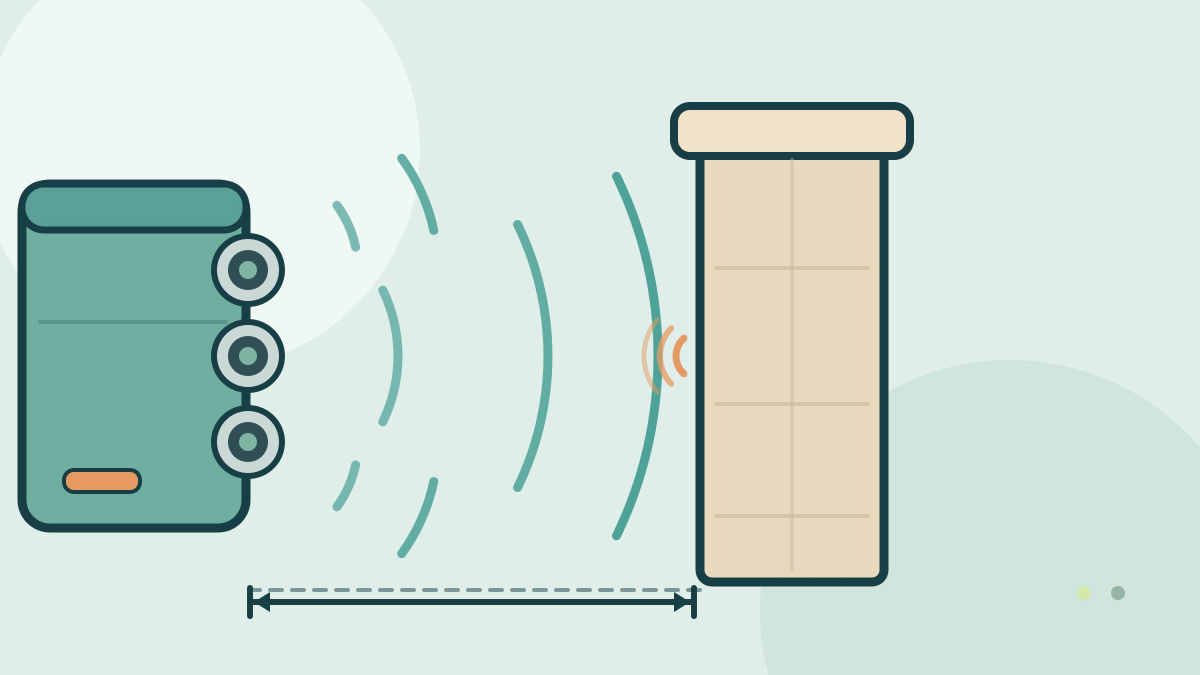
Parking sensors use ultrasonic pulses to estimate the gap between the bumper and a nearby object, then warn the driver with beeps and a distance display. Each sensor transmits a sound wave and listens for the reflection. The time the echo takes to return gives the control unit a distance estimate, as described in a NHTSA sensor-degradation report.
Mazda’s 2025 CX-5 manual puts it in owner terms: the sensors detect obstructions at low speeds, such as during garage or parallel parking, and a buzzer plus a display show the approximate distance (Mazda CX-5 manual).
The sensors sit in the bumper. They are short-range devices by design, which is why they are tied to parking and maneuvering rather than highway driving.
Why ultrasonic sensing suits parking
Ultrasonic sensing is compact, inexpensive and does not need light. The DOT report describes ultrasonic sensors as active sensors that transmit a sound wave and use its time of flight to estimate distance. It calls them good short-distance sensors with parking as a typical application.
A parking sensor does not need to classify a pedestrian far down the road. It needs to notice a wall or a car a few feet away while you creep into a space.
Sound also has limits. Because the signal travels through air, rain, snow, mud and soft materials can weaken or absorb it. The manual’s warning list reflects that.
What the beeps and distance zones mean
Most systems change the beep rate and a display zone as you get closer. Exact ranges vary by model. The 2025 Mazda CX-5 manual gives these distances for its front and rear sensors (Mazda detection range):
| Zone | Front sensor | Rear sensor |
|---|---|---|
| Green | About 39 to 24 in | About 59 to 24 in |
| Yellow | About 24 to 18 in | About 24 to 18 in |
| Amber | About 18 to 14 in | About 18 to 14 in |
| Red | Within about 14 in | Within about 14 in |
Corner sensors on the same vehicle use shorter bands: yellow from about 22 in, amber from about 15 in, and red within about 10 in. Treat those numbers as an example, not a universal specification. Read your own manual for the ranges and for whether the front sensors work in Park.
The display is a guide to approximate distance. It is not a measurement you can use to judge the last inch.
What parking sensors can miss
Mazda’s manual lists obstacles the system may not detect: thin objects such as wire or rope, materials that absorb sound such as cotton or snow, angular shapes, very tall objects that are wide at the top, and small, short objects. Obstructions under the bumper can also be missed.
Conditions matter too. Mud, ice or snow on the sensor, a frozen face, heavy rain, nearby ultrasound sources such as a horn or air brakes, gravel roads, steep inclines and a tilted vehicle can all degrade performance. A hard knock to the bumper can move a sensor out of position, and the manual says to have the system inspected even after a minor impact.
That list is the practical reason to keep the camera, mirrors and a direct look in the reversing routine.
Parking sensors, cameras and automatic braking are different jobs
A backup camera shows an image. Parking sensors give an audible and visual distance cue. Rear automatic braking can apply the brakes. NHTSA describes rear automatic braking as a system that uses sensors such as parking sensors and the backup camera to detect objects behind the vehicle (NHTSA driver assistance). NHTSA also says backup cameras do not replace mirrors or turning around to look.
IIHS rates parking sensors as part of rear crash prevention, alongside rear cross-traffic alert and rear automatic braking (IIHS rear crash prevention).
For the side-traffic problem while reversing, see rear cross-traffic alert explained. For the driving skill itself, see how to parallel park step by step.
When a parking sensor needs service
Start with cleaning. Mazda says normal operation returns when mud, ice or snow is removed, and when a frozen sensor thaws. Check that accessories, a bike rack or a trailer hitch are not blocking the bumper areas.
Watch the self-test. If the beep does not sound or the indicator does not light when you switch the system on, or if a malfunction beep sounds and the indicator flashes, the manual directs you to a dealer.
Ultrasonic sensors generally do not need calibration, but the DOT report notes that they are designed to sit in precise positions and orientations, so misalignment can affect performance. That is why bumper damage should trigger an inspection rather than a quick wipe.
The Car Technology and Electronics hub covers related sensor guides.
Frequently asked questions
Do parking sensors work at highway speed?
No. Parking sensors are low-speed aids, and Mazda’s manual ties them to parking and slow movement. At highway speed, systems such as blind spot monitoring and adaptive cruise control use different sensors. Do not expect a parking sensor to warn you about a fast-closing vehicle.
Can parking sensors detect a small child behind the car?
Not reliably. The manual lists small, short objects among the things the system may miss, and NHTSA says cameras are not a replacement for looking. Walk around the car before reversing, especially in driveways and parking lots where children may be.
Is rear automatic braking the same as a parking sensor?
No. Parking sensors warn. Rear automatic braking can apply the brakes when it detects a likely collision while reversing. NHTSA describes the braking system as using sensors such as parking sensors and the backup camera, but the two features are not interchangeable.
Why do my parking sensors beep in heavy rain?
Rain, water splash, mud, ice and snow can all interfere with the sound signal, according to Mazda’s manual. Clean the sensor faces and let ice thaw, then retest. If the warning continues in dry, clean conditions, have the system checked.