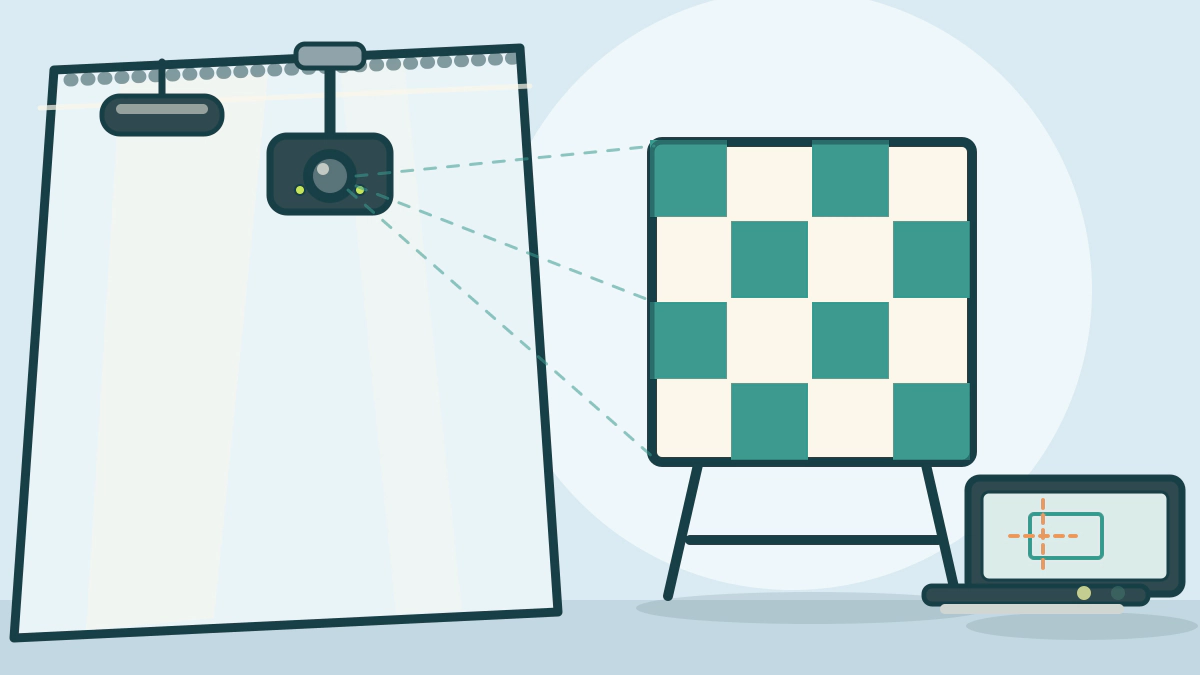
See what ADAS calibration technicians do, from pre-scan and target setup to static and dynamic procedures, training paths and documentation.
What does an ADAS calibration technician do?
An ADAS calibration technician prepares a vehicle, performs the manufacturer’s calibration procedure for camera, radar and ultrasonic systems, and documents that each system met its specified aim. The work sits between collision repair, glass replacement and diagnostics.
Advanced driver assistance systems use sensors and cameras to monitor the surroundings. NHTSA describes camera-based lane departure warning, blind spot warning and ultrasonic parking sensors as separate systems with separate jobs. Each sensor has a mounting position and an aim that the vehicle maker specifies.
Calibration checks or resets that aim after a repair, a replacement or a geometry change. I-CAR states that ADAS must be properly repaired and calibrated after a collision. The same logic applies when a windshield, bumper cover or suspension part moves a sensor.
The work begins before the targets go up
A calibration bay is a measuring instrument. Floor level, lighting, clear space and target distance can all be specified. The technician confirms tire pressure, ride height, steering angle and wheel alignment where the procedure lists them. Loose brackets, damaged glass and incomplete repairs can prevent a successful result.
The technician also scans for codes and confirms that the underlying fault is repaired. A camera can display a clear image and still be outside its geometric specification. That is why a warning light going out is not treated as proof of calibration.
One Hyundai service bulletin filed with NHTSA shows the level of detail. It directs the technician to find the vehicle centerline from the emblem and place a calibration target in front of it. That is one manufacturer’s procedure for one camera, not a universal target position.
Static, dynamic and combined methods
| Method | How it is performed | Typical setting | Common failure |
|---|---|---|---|
| Static | Targets placed at measured positions around the vehicle | Dedicated bay or level shop floor | Wrong distance, slope or lighting |
| Dynamic | Scan tool guides a drive under prescribed conditions | Road or test track | Traffic, weather or poor lane markings |
| Combined | Manufacturer requires more than one stage | Bay plus road | Stopping after the first stage |
| Mobile | Equipment brought to the vehicle | Body shop, glass shop or customer site | Uneven ground or limited space |
AGSC lists static and dynamic calibration procedures among the knowledge required for its Glass Calibration Specialist certification. The method is not a shop preference. The vehicle maker’s service information defines the procedure, the prerequisites and the completion criteria.
Which credentials actually exist
ASE offers an Advanced Driver Assistance Systems Specialist test, listed as L4. Its stated objective covers diagnosis, service and calibration of radar, camera, ultrasonic and other systems. There is no prerequisite to sit the test. A certificate requires evidence of three years of relevant hands-on experience, or an approved mix of training and experience.
I-CAR provides ADAS training for collision repair professionals. Its catalog ranges from short online courses to hands-on classes, including a three-day static calibration course and a Ford-specific two-day course. I-CAR also offers a Platinum path built on its ProLevel training.
AGSC offers a Glass Calibration Specialist certification. The examination has 70 multiple-choice questions and covers static and dynamic procedures, equipment, safety and OEM specifications. It is aimed at the glass trade, where camera brackets and windshields often affect aim.
None of these is a universal license to calibrate every brand. Each shows training or tested knowledge. Access to the manufacturer’s service information and equipment is a separate requirement.
Where the jobs are
Calibration work appears in franchised dealerships, collision repair centers, auto glass companies, independent calibration shops and mobile businesses. A role may be full-time calibration or a mix with diagnostics, body repair or glass installation.
I-CAR calls ADAS one of the fastest-growing specialties in collision repair. That growth does not guarantee a job in every market. It does mean that shops need people who can follow a procedure exactly and explain the result.
The role also carries liability. A signed calibration report may be the only record that a safety system was set correctly before delivery. Good technicians record the VIN, the procedure, the equipment, the pre-scan and post-scan results and any condition that blocked completion.
How to enter the field
The credential routes point to three backgrounds: general repair, collision repair and auto glass. I-CAR’s courses are written for collision professionals, and AGSC’s certification is aimed at the glass trade. A practical entry sequence is to learn one brand’s procedures, complete a foundational ADAS course and practice under supervision. Certification can follow when the experience requirement is met. The automotive diagnostics career path explains the wider technician route. The automotive careers hub covers neighboring roles, including the choice between a dealership and independent shop technician.
Calibration is not the same as wheel alignment. Alignment sets wheel angles. Calibration sets sensor aim relative to the vehicle. A vehicle may need both, and the order matters. Owners can read more about the service side in ADAS camera calibration after windshield replacement.
Frequently asked questions
Do ADAS calibration technicians need a state license?
ASE’s L4 is a certification, not a government license. Repair-business registration is separate and varies by state. Technicians should check both the business rules and any trade credential an employer requires.
Can one technician calibrate every brand?
No. Procedures, targets and software are brand and model specific. A technician needs the manufacturer’s service information for the vehicle in front of them, plus equipment that supports that system.
Is calibration only needed after a collision?
No. Windshield replacement, sensor replacement, suspension work and geometry changes can also trigger it. The vehicle maker’s procedure decides whether calibration is required.
How long does a calibration take?
It varies with the method, the prerequisites and any faults found. A clean static job and a failed calibration followed by diagnosis are very different. A promised universal time is unreliable.