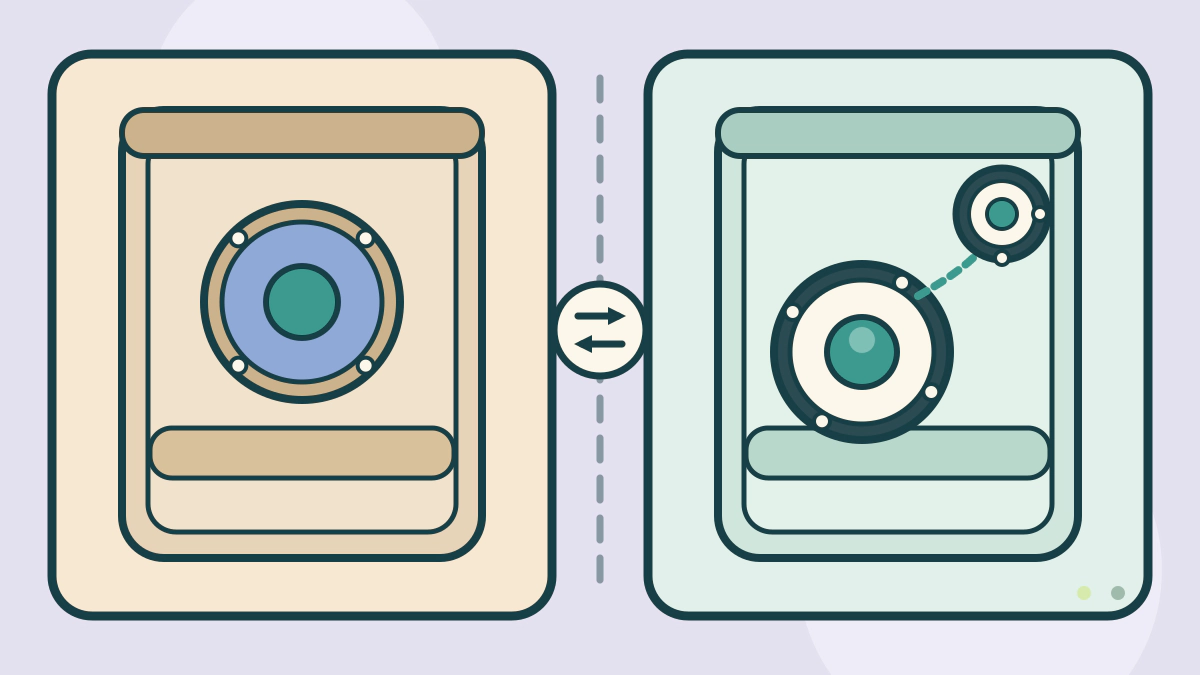
Compare factory and aftermarket car audio on cost structure, warranty coverage and integration with controls, warning chimes and vehicle electronics.
Which is better, factory audio or aftermarket audio?
Factory audio is simpler and stays inside the vehicle warranty; aftermarket audio offers more choice but adds installation and integration risk. Neither is automatically better. The decision turns on how long you keep the car, how much you value convenience and how willing you are to manage adapters and installers.
A factory premium system is ordered with the car and tuned for that cabin; an aftermarket system is assembled from parts and installed afterward. Both sit inside the Car Accessories and Equipment section.
Cost structure, not sticker price
Factory audio is usually bundled into a trim or option package and paid as part of the vehicle transaction. It may affect resale only indirectly.
Aftermarket audio is bought in stages, so spending spreads over time. Each stage adds installation labor and a new compatibility question.
Adapters are the hidden line item. A basic harness handles power and speakers, but a car with data-bus controls, warning chimes or a factory amplifier may need a vehicle-specific harness or integration module. Crutchfield’s harness guide notes that integration adapters cost more than simple bypass parts.
This comparison intentionally avoids dollar figures. Prices vary by vehicle, region and installer, so use local quotes.
Warranty: what actually changes
The FTC states that a vehicle warranty stays in effect when aftermarket or recycled parts are used. A dealer cannot deny coverage just because a part came from another company.
There is an exception. If a defective aftermarket part or an incorrect installation damages a part the warranty covers, the manufacturer or dealer can deny coverage for that damaged part. The FTC says the manufacturer or dealer must prove the aftermarket part caused the damage.
That makes installation quality part of the warranty picture. A clean install with the correct harness is less likely to create a dispute than a cut-and-splice job. Keep receipts and note which parts were added.
Factory audio has a simpler path. A defect in the radio or speakers is handled through the vehicle’s new-car warranty, subject to its terms. Factory warranty explained covers how those limits and exclusions work.
Integration: the part buyers underestimate
Factory audio is wired into the car’s other systems. Warning chimes, hands-free calling and steering-wheel buttons can pass through the radio or amplifier.
Replacing the radio can disrupt those features. Crutchfield’s harness guide warns that audible safety alerts may be lost when the factory radio is removed, and that a special harness is needed to keep them.
Steering-wheel controls and phone buttons usually need an adapter. That same guide describes integration modules that retain factory features, and notes that some are programmed for a specific vehicle and radio.
Premium factory systems add another layer. Crutchfield’s article on amplified factory systems describes analog, crossed-over and digitally controlled designs, each requiring a different interface. A system that looks simple at the dash can be complex at the amplifier.
| Priority | Factory audio | Aftermarket audio |
|---|---|---|
| Simplest ownership | Included and covered by the vehicle warranty | Separate parts, installers and receipts |
| Retaining factory features | Designed together | Depends on adapters and programming |
| Choice of sound | Limited to available trims and packages | Wide choice of speakers, amps and processors |
| Upgrading later | Usually replace whole components | Can be done in stages |
| Long-term keep | Fewer compatibility questions | More flexibility as parts age |
Sound quality and upgrade path
A factory premium system can sound good, but its tuning and power are fixed. Buyers who want a different sound stage or more bass have little room to adjust without replacing parts.
Aftermarket audio allows that choice, but it puts the tuning burden on the installer. Good parts can sound poor if levels, crossovers and equalization are set carelessly.
Crutchfield’s article notes that bypassing a factory amp can produce cleaner sound in some cars, but it requires more work when the amplifier sits under a seat or in the trunk. That is the aftermarket trade-off: more potential, more labor.
Lease, short keep or long keep
Choose factory audio when the car is leased, when you plan to keep it a few years, or when you value one warranty contact and integrated controls.
Choose aftermarket audio when you plan to keep the car, want specific components, or enjoy building a system in stages. Budget for adapters and installation.
A middle path exists: keep the factory radio and replace only the speakers, which avoids touching the display, camera or chimes. Car speaker upgrade basics explains the matching.
For phone integration, Aftermarket CarPlay head units covers the phone, stereo and vehicle checks separately.
Frequently asked questions
Does aftermarket audio void my warranty?
Not by itself. The FTC says using aftermarket parts does not end warranty coverage. Coverage can be denied for a part damaged by an aftermarket part or a bad installation, and the dealer must prove the cause.
Is factory premium audio worth choosing?
It depends on what the package includes and what you would otherwise buy. Compare the speakers, amplifier and features with the aftermarket system you would install.
Can I upgrade speakers and keep the factory radio?
Often yes. The speakers must fit and match the radio’s impedance and power. Low-sensitivity speakers may need an amplifier, and a factory amp may impose its own crossover.
Can aftermarket audio keep steering-wheel controls?
Usually with the right adapter. Steering-wheel-control adapters and integration modules link the new radio to factory buttons. Confirm the exact parts for the vehicle and radio.
Bottom line: factory audio wins on simplicity and warranty integration, while aftermarket audio wins on choice and upgrade flexibility, provided the adapters and installation are planned.