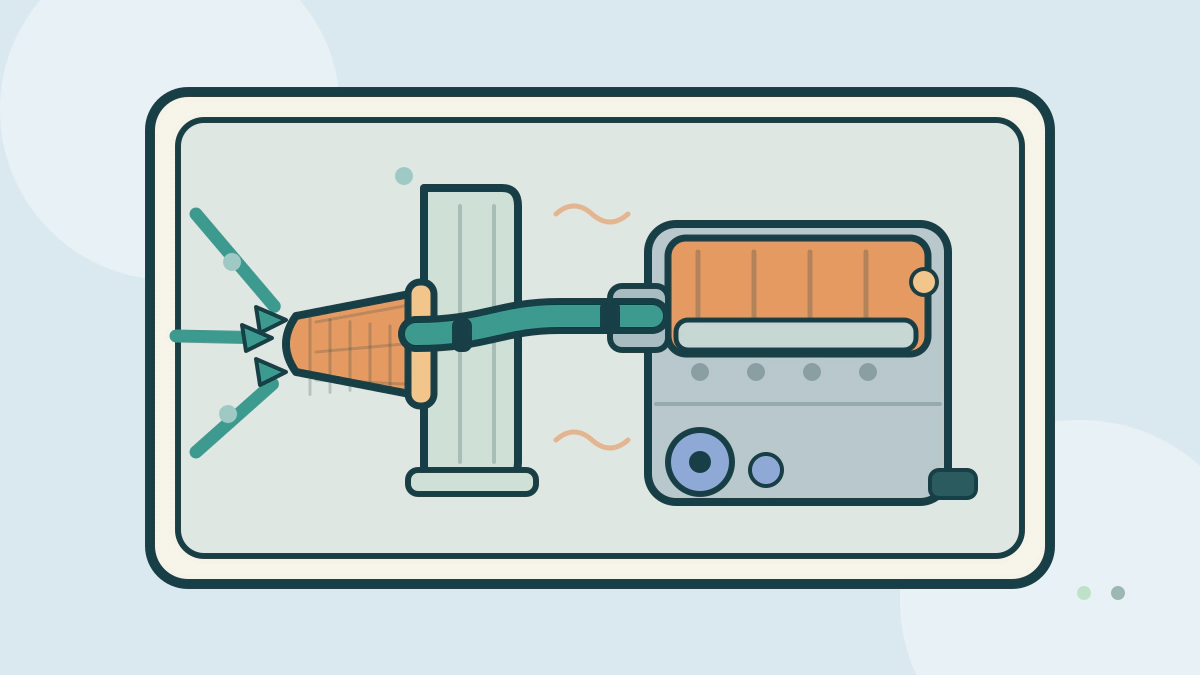
See what a cold air intake really changes, how airflow sensor scaling affects fueling, and where emissions rules and warranty terms limit the gain.
Do cold air intakes add power?
Sometimes a little, and often less than the advertising suggests. The gain depends on the engine, the existing air box and whether the calibration changes with the hardware. A bolt-on intake does not add displacement or boost. On a stock engine the factory box may already flow enough air, so much of what you notice may be sound.
What an intake actually changes
A cold air intake replaces the factory air box and the tube that feeds the throttle body. The aim is cooler, denser air and less restriction. Cooler air is denser, and denser air carries more oxygen in the same volume.
The plumbing does more than carry air. The 2027 Kia Telluride owner’s manual explains that the crankcase ventilation system supplies fresh filtered air to the crankcase through the air intake hose (Kia owner’s manual). Any replacement has to keep that connection working.
An open filter also changes where the engine breathes. It may draw hot air from the engine bay at low speed, and it may sit closer to water and dust.
MAF sensor scaling: the part most buyers miss
The engine computer controls fueling from sensor inputs (EPA tampering policy). It works out how much air is entering, then adds fuel to match. On many engines that calculation starts with a mass air flow sensor in the intake tube.
That sensor is calibrated for the housing it sits in. Fit it into a tube with a different diameter, and the signal for a given airflow changes. The computer can then read more or less air than is really there. Some kits keep the factory housing for this reason. Others include a tune, or an insert that corrects the signal.
This is where a cheap intake can cause a lean condition, a check engine light or poor drivability. If the kit needs a calibration change, the emissions question below covers that change too.
Emissions rules treat the intake as part of the certified design
Under the Clean Air Act, no one may remove or render inoperative a device installed to meet emission standards. No one may sell or install a part that defeats emissions controls (40 CFR 1068.101).
EPA’s tampering policy says the agency generally does not pursue conduct where the person has a documented “reasonable basis” that emissions are unaffected (EPA tampering policy). The policy lists three ways to show that basis: restore the part to the certified configuration, pass the same emissions tests the manufacturer used, or hold a California Air Resources Board Executive Order for the same part on the same vehicle.
For a buyer, the third path is the practical one. A CARB order number matched to your model year and engine is evidence the part was evaluated.
Warranty: the part rule is narrower than the rumor
The Federal Trade Commission says a warranty stays in effect when you use aftermarket parts. A dealer or manufacturer can deny coverage for a damaged part only if it proves the aftermarket part caused the damage (FTC).
That protects you from a blanket denial. It does not promise that an intake-related failure will be paid for. The same Kia manual states that damage or performance problems from a modification may not be covered, and that modifying the engine or emission control system could void warranties (Kia vehicle modifications). For the wider framework, see factory warranty explained. Browse other modification guides under Car Modifications and Tuning.
| Choice | What changes | Effect on a stock engine | Main exposure |
|---|---|---|---|
| Stock replacement filter | Filter element only | Little or none | Lowest |
| Sealed intake, factory sensor housing | Air box and tube | Small, mostly at high rpm | Emissions paperwork |
| Open filter in the engine bay | Filter location and intake temperature | Unpredictable; heat soak possible | Heat, water, emissions |
| Intake plus a tune | Air path and calibration | Largest gain of the four | Tampering and warranty |
When an intake is the wrong purchase
Skip it if no one can tell you what the tune changes, or if the kit moves the filter where it can take in water. Skip it if the car needs maintenance first, because a clogged filter or a dirty sensor costs more power than any air box. A guide such as how often to replace the engine air filter is the better first read.
If you still want the part, ask four questions. Does the kit keep the factory mass air flow housing? Does it keep the crankcase ventilation hose? Which CARB order covers your model year and engine? Does the maker say a tune is required? Then get the warranty answer in writing, with your VIN and the date.
Frequently asked questions
Does a cold air intake really add horsepower?
It can add a small amount on some engines, mostly at high engine speed. On a stock engine the factory box is often adequate, and the gain may be smaller than the sound change suggests. The reliable answer is a before-and-after test on the same dyno and day.
Will a cold air intake void my warranty?
Not automatically. Under the FTC rule, a manufacturer must prove an aftermarket part caused the damage before denying coverage for that damage. Your manual may still say modification-related damage is not covered, so read the booklet and get any promise in writing.
Do I need a tune after fitting an intake?
Only if the new intake changes what the airflow sensor reports. Kits that keep the factory sensor housing usually do not need one. Kits with a different tube diameter often do. The instructions and the part maker should say which case applies.
Can an intake make my car fail an emissions test?
It can if the change affects the certified emission control configuration or sets a diagnostic trouble code. A part covered by a CARB Executive Order for your vehicle is safer, but the order does not guarantee a pass.