Off Roading and Towing
Learn how 4WD hardware, clearance, trailer ratings, payload and recovery equipment affect capability. Always check vehicle-specific limits and follow safe operating practices.
20 researched guides are published in this section. The completed articles are linked below; other topics remain planned. Unpublished topic titles are not presented as articles.
Explore subtopics
Topic previews are part of our editorial roadmap, not links to unwritten articles.
Off Road Driving
- How to Approach Steep Off-Road Hills
- How to Drive on Sand Without Getting Stuck
- Mud Driving Tips for Pickup Trucks
- Safe Water Crossing: What to Check First
- Trail Etiquette for Off-Road Drivers
Off Road Systems
- AWD vs 4WD vs 4WD Low
- How Approach and Departure Angles Affect Off-Road Obstacles
- How to Choose All-Terrain Tires for a Truck
- Locking Differentials Explained
- Off-Road Suspension Lift: Benefits and Trade-Offs
Recovery and Gear
- Essential Off-Road Recovery Equipment
- How to Avoid Unsafe Vehicle Recovery Techniques
- Recovery Straps vs Tow Straps: Safety Differences
- When to Use a Winch for Vehicle Recovery
- Why Factory Tow Hooks May Not Be Recovery Points
Towing Basics
- How to Calculate Safe Towing Weight
- How to Read Trailer Tire Load Ratings
- Payload vs Towing Capacity for Pickup Trucks
- Weight-Distribution Hitches Explained
- What Is Trailer Tongue Weight?
Towing Scenarios
- Electric Truck Towing Range: What Changes?
- How Does Trailer Weight Affect Braking?
- How to Plan a Road Trip While Towing
- How to Tow a Small Travel Trailer With an SUV
- Towing a Boat With a Midsize Pickup
Verified guides in this category
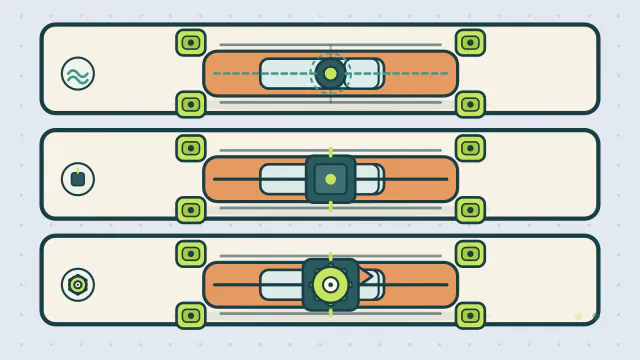
AWD vs 4WD vs 4WD Low
AWD sends torque to both axles automatically, 4WD adds driver-selected modes and 4WD low adds a second gear reduction for slow, heavy off-road work.
Read guide ↗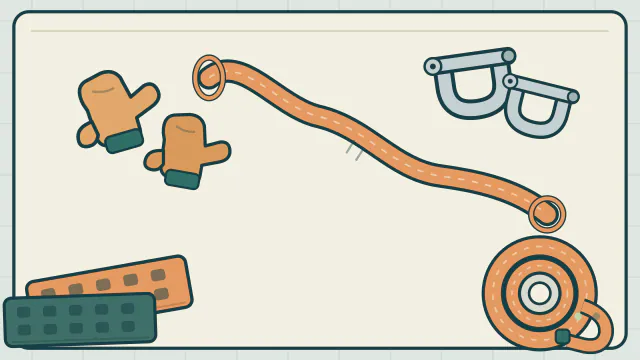
Essential Off-Road Recovery Equipment
Build a recovery kit around rated points, a proper strap, gloves and a plan for communication, digging and tire repair before adding a winch.
Read guide ↗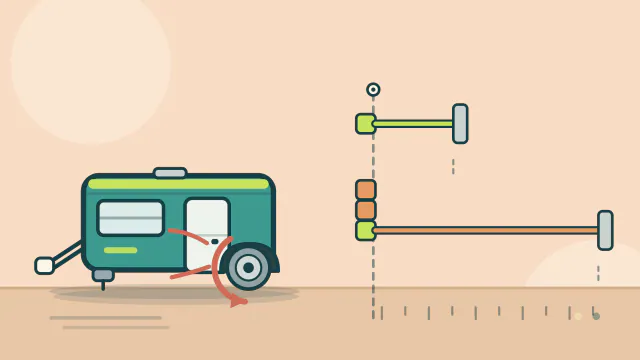
How Does Trailer Weight Affect Braking?
Trailer weight adds energy to every stop. See how trailer brakes, controller settings, tongue load and long grades change braking on a loaded combination.
Read guide ↗
How to Approach Steep Off-Road Hills
Assess a steep off-road hill before committing, select the correct gear and line, maintain controlled momentum and know when to stop or back down.
Read guide ↗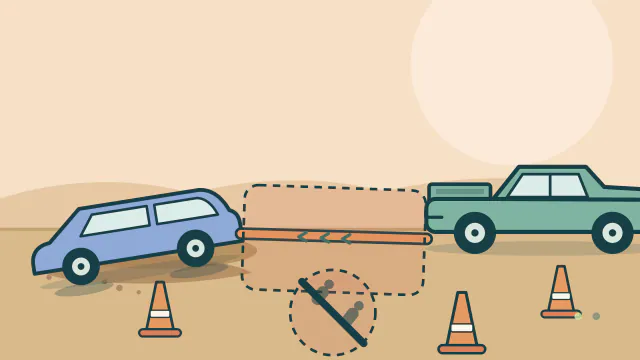
How to Avoid Unsafe Vehicle Recovery Techniques
Unsafe recovery usually starts with an unrated attachment point, a strap or rope under load, or people standing in the line of a pull.
Read guide ↗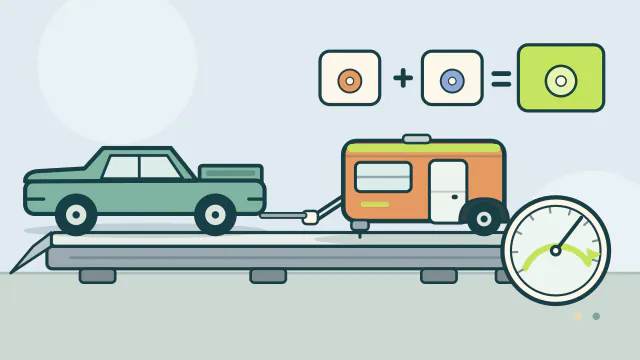
How to Calculate Safe Towing Weight
Work out a safe trailer weight from GCWR, GVWR, axle ratings and tongue weight, with a step-by-step example and the scale checks that confirm it.
Read guide ↗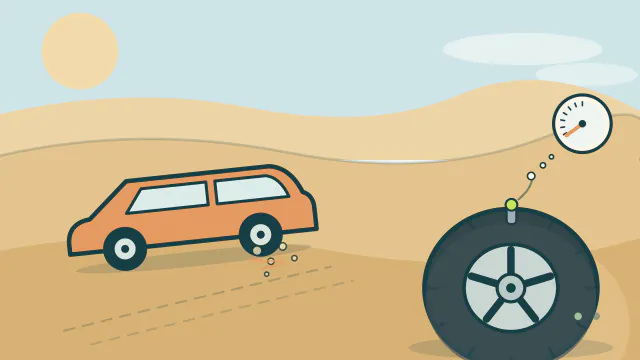
How to Drive on Sand Without Getting Stuck
Prepare tires, gearing and momentum before the sand gets soft, then use smooth throttle and steering so the vehicle keeps moving instead of digging in.
Read guide ↗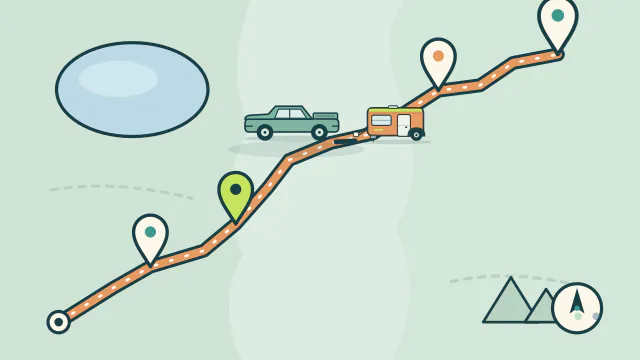
How to Plan a Road Trip While Towing
Plan a towing trip around the loaded trailer: realistic driving days, grades, fuel-stop access, campsite fit and a repeatable hitch and brake check.
Read guide ↗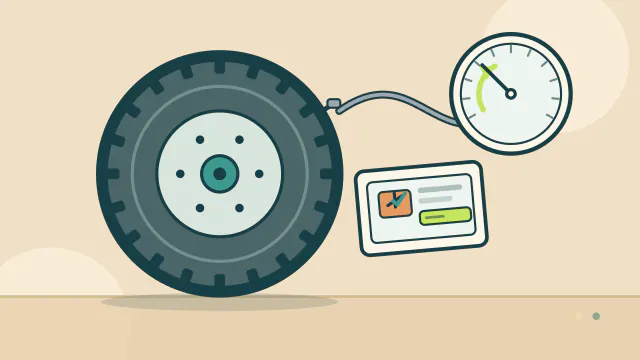
How to Read Trailer Tire Load Ratings
Decode a trailer tire's load figure, load range letter, speed marking and date code, and match the tires to the trailer axle rating with the federal arithmetic.
Read guide ↗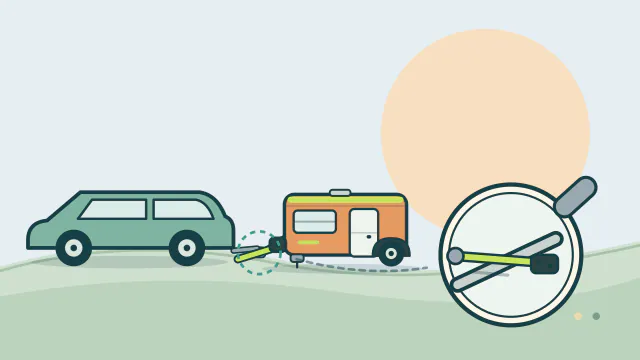
How to Tow a Small Travel Trailer With an SUV
Match a small travel trailer to an SUV using trailer GVWR, tongue weight, payload and hitch ratings, with 2026 Pilot and Outback figures as examples.
Read guide ↗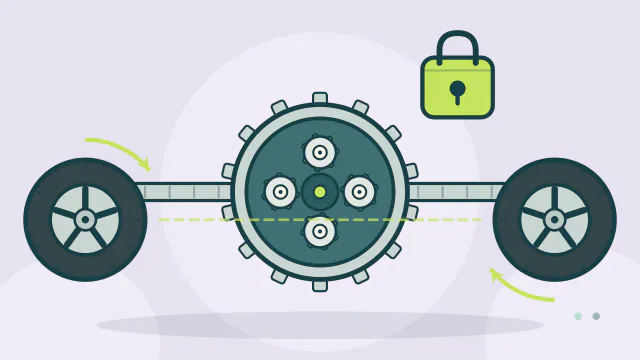
Locking Differentials Explained
A locking differential forces both wheels on an axle to turn together so the tire with grip gets torque; selectable and automatic lockers differ in engagement.
Read guide ↗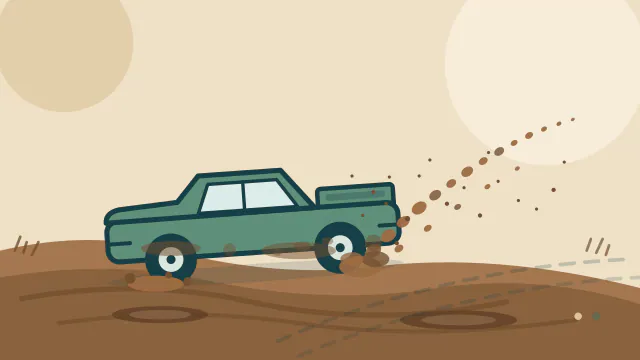
Mud Driving Tips for Pickup Trucks
Engage four-wheel drive before the mud, check the depth, keep steady momentum and stop the wheelspin if the truck starts to dig in.
Read guide ↗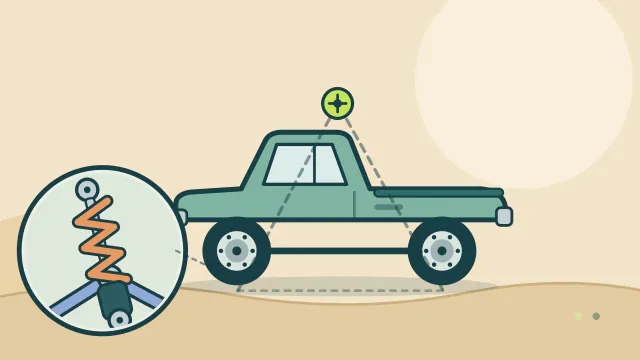
Off-Road Suspension Lift: Benefits and Trade-Offs
A suspension lift adds clearance, tire room and articulation, but it also raises the center of gravity and changes steering, braking and inspection needs.
Read guide ↗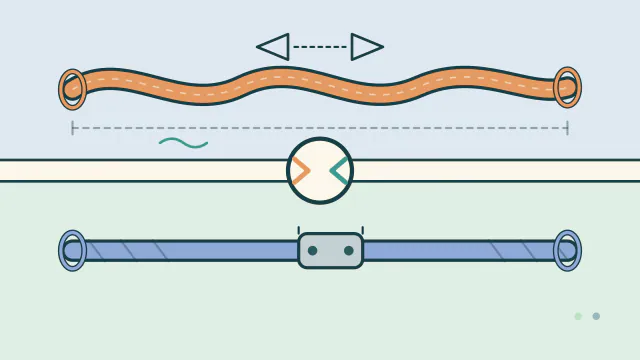
Recovery Straps vs Tow Straps: Safety Differences
Learn how kinetic recovery straps and low-stretch tow straps differ in stretch, load ratings and safe use, and how to size either one to your vehicle.
Read guide ↗
Safe Water Crossing: What to Check First
Check depth, current, bottom and exit before driving into water, then use the vehicle's own fording limit and a slow, steady crossing.
Read guide ↗
Towing a Boat With a Midsize Pickup
Match a boat and trailer to a midsize pickup's ratings, then handle tongue weight, hitch class, brakes, lights and the ramp with manufacturer guidance.
Read guide ↗
Trail Etiquette for Off-Road Drivers
Trail etiquette means staying on designated routes, yielding to hikers, horses and other vehicles, and leaving gates, water and campsites as you found them.
Read guide ↗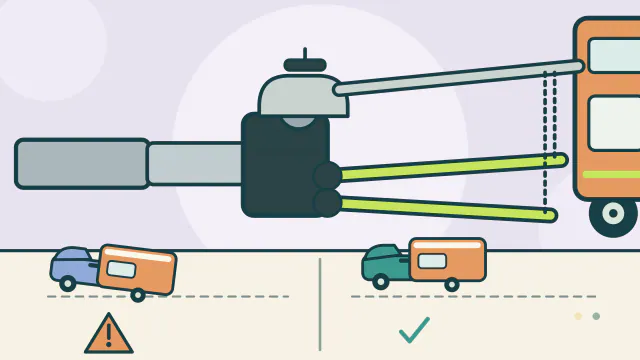
Weight-Distribution Hitches Explained
See how spring bars move tongue load across three axles, when GM's 2026 half-ton guide requires it, and how the fender-height setup works.
Read guide ↗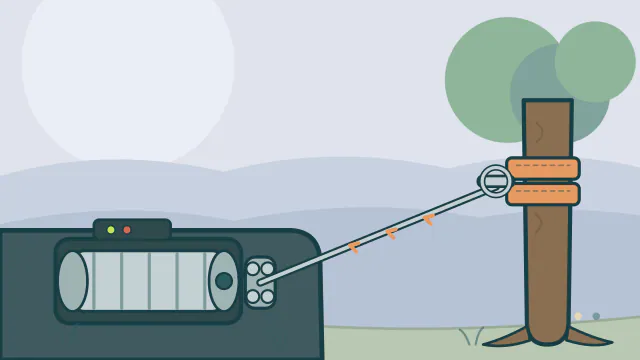
When to Use a Winch for Vehicle Recovery
Decide when a winch is safer than a kinetic pull, how to size the load against the winch rating, and which rigging limits keep the pull controlled.
Read guide ↗
Why Factory Tow Hooks May Not Be Recovery Points
Factory hooks can be recovery points, tow points or tie-downs. Learn how the owner's manual and load limits show which job each one is built for.
Read guide ↗