Motorsports and Performance Driving
Learn about major racing disciplines, track preparation and the engineering ideas that connect racing with road cars. Track driving requires specialized safety preparation.
25 researched guides are published in this section. The completed articles are linked below; other topics remain planned. Unpublished topic titles are not presented as articles.
Explore subtopics
Topic previews are part of our editorial roadmap, not links to unwritten articles.
Motorsport Culture and History
- Evolution of American Road Racing
- Historic Racing Cars vs Modern Race Cars
- History of NASCAR Stock Cars
- How Rally Cars Became Road-Car Legends
- How the 24 Hours of Le Mans Began
Racing Disciplines
- Drag Racing Classes Explained for Beginners
- How Endurance Racing Works
- NASCAR vs Formula 1: Key Differences
- Rally Racing vs Circuit Racing
- What Is Time Attack Racing?
Racing Safety
- Helmet Ratings for Track Driving
- Racing Harness vs Three-Point Seat Belt
- Track Flag Meanings Explained
- What Is a Roll Cage and When Is It Needed?
- Why Track Safety Rules Differ by Organization
Racing Technology
- Aerodynamic Downforce Explained
- How Motorsport Hybrid Systems Work
- Limited-Slip Differentials in Racing
- Racing Slicks vs Road Tires
- Why Race Cars Use Data Logging
Track Day Preparation
- Choosing Safe Track Day Tires
- First Track Day Car Checklist
- How to Inspect a Car After Track Use
- Track Day Insurance: What to Research
- Why Brake Fluid Matters on Track
Verified guides in this category
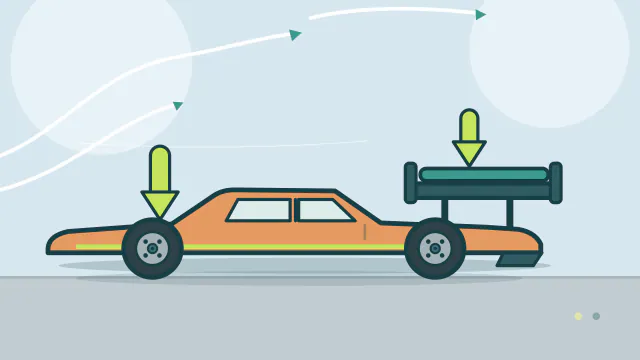
Aerodynamic Downforce Explained
Downforce is lift pointed downward: air pushes a car onto the road as speed rises. See the equation, a worked example and the drag trade-off.
Read guide ↗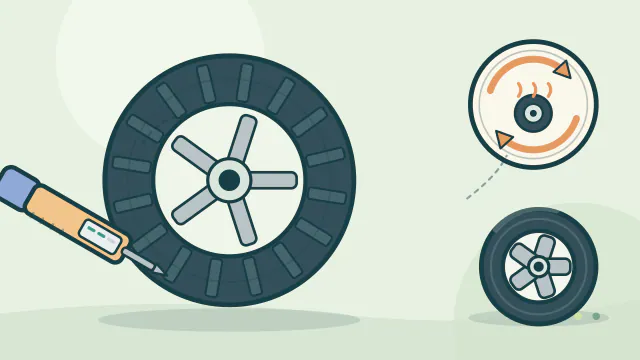
Choosing Safe Track Day Tires
Choose track day tires by organizer rules, tread condition, weather and heat cycles, and learn what UTQG grades do and do not prove.
Read guide ↗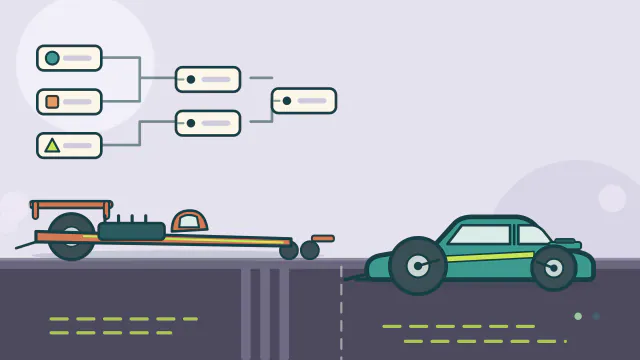
Drag Racing Classes Explained for Beginners
NHRA events can present more than 200 vehicle classes in 15 categories, from 11,000-hp Top Fuel to index and bracket sportsman racing.
Read guide ↗
Evolution of American Road Racing
Trace US road racing from postwar club events through permanent circuits, endurance series, professional sanctioning and today's club-to-pro ladder.
Read guide ↗
First Track Day Car Checklist
Prepare a car for a first track day with the checks organizers actually make: brakes, tires, leaks, battery, belts, loose items and helmet rules.
Read guide ↗
Helmet Ratings for Track Driving
Compare Snell SA, FIA 8859 and 8860, and SFI 31.1 helmet ratings, see what each test covers, and check what your track organizer will accept.
Read guide ↗
Historic Racing Cars vs Modern Race Cars
Historic race cars are built to a past rulebook and kept in period specification, while modern race cars are built to current rules and developed continuously.
Read guide ↗
History of NASCAR Stock Cars
Trace NASCAR stock cars from 1949 showroom sedans through roll cages, aero wars and the 2022 Next Gen car, and see what stayed the same.
Read guide ↗
How Endurance Racing Works
Endurance racing shares one car between several drivers over races from a few hours to 24 hours, with pit stops and classes scored separately.
Read guide ↗
How Motorsport Hybrid Systems Work
See how Formula 1 and Le Mans Hypercar hybrids recover, store and deploy energy, and why the rules limit when the electric motor can help.
Read guide ↗
How Rally Cars Became Road-Car Legends
See how rally rules turned production cars into legends, from Group A homologation specials to Audi quattro, Subaru Impreza and the hybrid Rally1 era.
Read guide ↗
How the 24 Hours of Le Mans Began
The ACO, founded in 1906, created a 24-hour race that first ran on 26 and 27 May 1923, and a Chenard & Walcker won it at a 92 kph average.
Read guide ↗
How to Inspect a Car After Track Use
Work through a post-track inspection of fluids, brakes, tires, fasteners and the underbody using the checks a club tech sheet requires.
Read guide ↗
Limited-Slip Differentials in Racing
Compare open, limited-slip and locked differentials, the clutch, cone and gear types, and how torque bias changes cornering in a race car.
Read guide ↗
NASCAR vs Formula 1: Key Differences
Compare NASCAR and Formula 1 on car rules, circuits, race weekends and points, using the sanctioning bodies' own 2026 regulations and official series pages.
Read guide ↗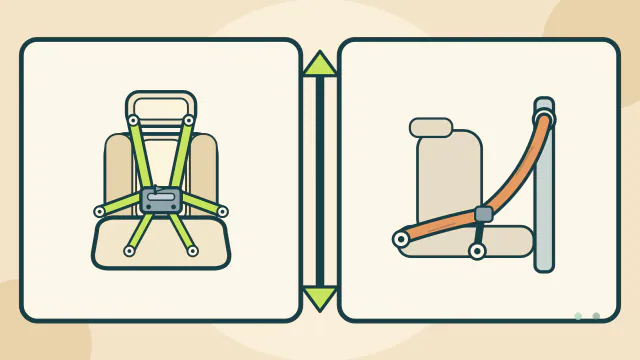
Racing Harness vs Three-Point Seat Belt
Compare a racing harness with a three-point belt on restraint geometry, standards, head-and-neck devices and street legality before changing a car.
Read guide ↗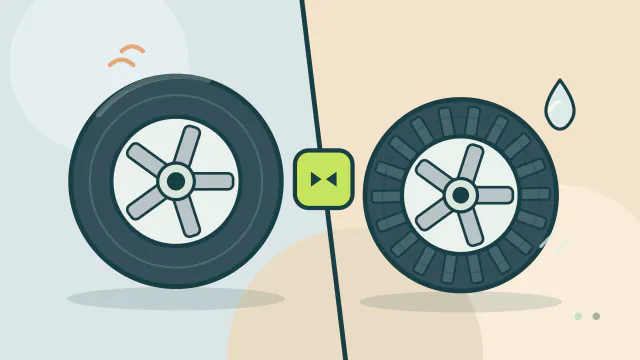
Racing Slicks vs Road Tires
Compare slick and road tires on tread, compound, heat and wet grip, and see why a race tire only works in the conditions it was built for.
Read guide ↗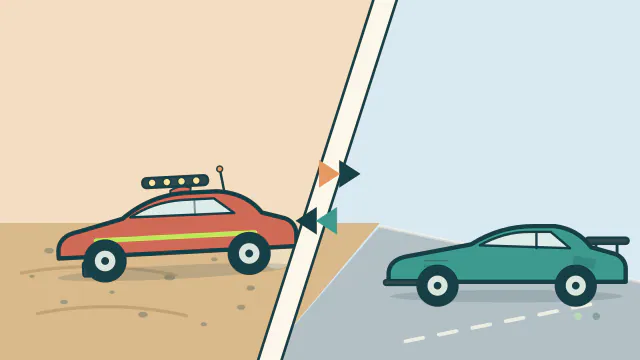
Rally Racing vs Circuit Racing
Compare rally and circuit racing on course layout, starts, timing, co-drivers and surfaces, using WRC and Formula 1 rules and event information.
Read guide ↗
Track Day Insurance: What to Research
How standard auto policies treat track use, what specialty HPDE policies cover, and the agreed value, deductible and organizer questions to check.
Read guide ↗
Track Flag Meanings Explained
Read track flags the way an organizer's rulebook defines them: green, yellow, blue, white, black, red and checkered, with the response each requires.
Read guide ↗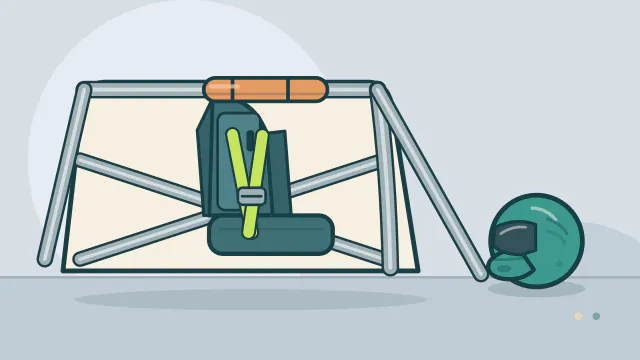
What Is a Roll Cage and When Is It Needed?
A roll cage is a tubular steel survival structure, not a handling upgrade. Learn what it protects, how organizers define it and when rules require one.
Read guide ↗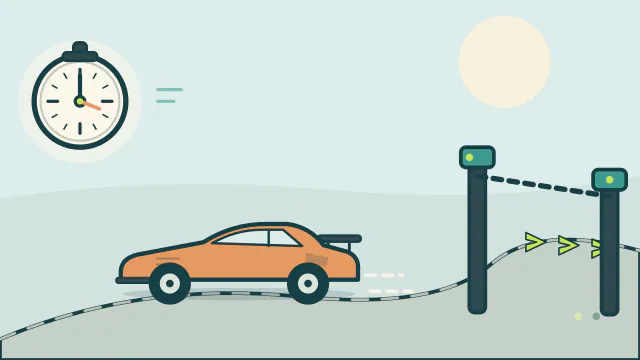
What Is Time Attack Racing?
Learn how time attack works, from scored sessions and hot laps to SCCA classes, track limits and the safety rules that separate it from wheel-to-wheel racing.
Read guide ↗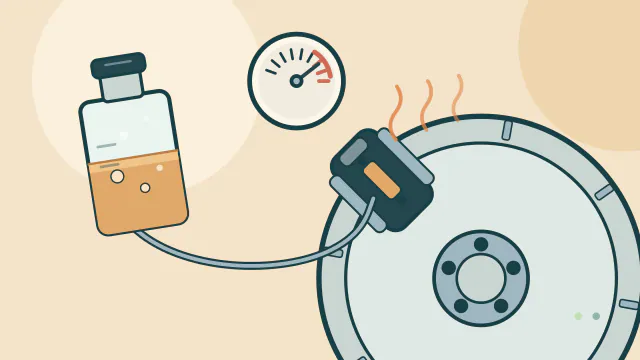
Why Brake Fluid Matters on Track
Track braking can heat brake fluid to its boiling point. See what DOT dry and wet boiling points mean and what manufacturer track guides require.
Read guide ↗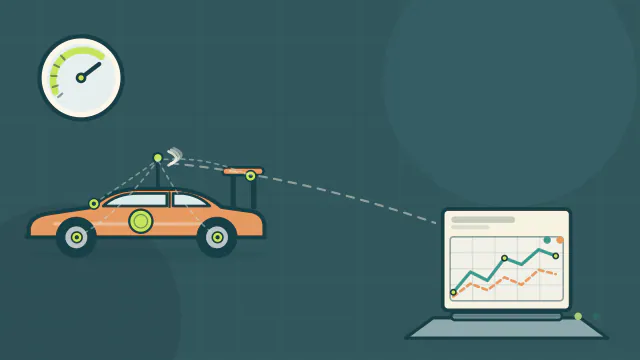
Why Race Cars Use Data Logging
See what a race car data logger records, how sensors and logging rates shape the data, and why teams and sanctioning bodies rely on it.
Read guide ↗
Why Track Safety Rules Differ by Organization
Sanctioning bodies, activity type, car class, insurance and the venue all shape track safety rules. See why one car can pass one organizer and fail another.
Read guide ↗