Classic and Collector Cars
Research the condition, originality, ownership and preservation of older collectible vehicles. Valuation and provenance depend on far more than a famous badge.
24 researched guides are published in this section. The completed articles are linked below; other topics remain planned. Unpublished topic titles are not presented as articles.
Explore subtopics
Topic previews are part of our editorial roadmap, not links to unwritten articles.
American Classics
- C2 Corvette: What Collectors Should Check
- Classic Chevrolet Camaro Generations Explained
- Classic Ford Bronco: Ownership Considerations
- First-Generation Ford Mustang: Buyer Research Guide
- Mopar Muscle Cars: An Introductory Guide
Classic Car Buying
- Classic Car Auctions: What Buyers Should Know
- Classic Car vs Antique Car Definitions
- How to Inspect a Classic Car Before Buying
- How to Verify a Classic Car's VIN and Identity
- What Paperwork Matters for a Classic Car Purchase?
Japanese and European Classics
- BMW E30: Buyer Research Guide
- Classic Datsun Z Cars Explained
- Classic Toyota Land Cruiser: What to Research
- Mazda MX-5 Miata NA: Collector Overview
- Porsche 911 Air-Cooled Generations Explained
Restoration and Preservation
- How to Assess Rust on a Classic Car
- How to Store a Classic Car Long-Term
- Original Parts vs Reproduction Parts
- Restoration vs Restomod: Which Approach Fits Your Goals?
- Why Documentation Matters During Car Restoration
Value and Insurance
- Agreed Value vs Stated Value Insurance
- How Classic Car Mileage Affects Value
- How to Research Classic Car Auction Results
- What Does Matching Numbers Mean for Collectors?
- What Influences Classic Car Values?
Verified guides in this category

Agreed Value vs Stated Value Insurance
Compare agreed value, stated value and actual cash value for a collector car, including total-loss payouts, appraisal clauses and salvage deductions.
Read guide ↗
BMW E30: Buyer Research Guide
Research an E30 by body style, build date, BMW archive record, structural condition, parts support and title before you judge the paint.
Read guide ↗
C2 Corvette: What Collectors Should Check
Use a documentation-first inspection for a 1963–1967 C2 Corvette, covering identity, frame, body, drivetrain, restoration quality and road behavior.
Read guide ↗
Classic Car Auctions: What Buyers Should Know
Read the buyer premium, reserve and as-is terms before you bid, then budget for tax, transport and repairs on top of the hammer price.
Read guide ↗
Classic Car vs Antique Car Definitions
State registration rules, not a national standard, decide whether an old car is classic or antique. Compare five states and the 25-year import line.
Read guide ↗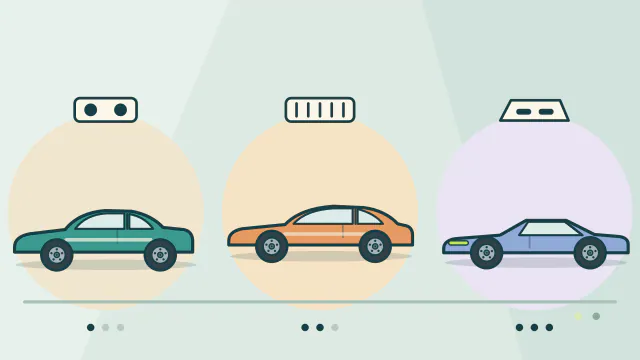
Classic Chevrolet Camaro Generations Explained
Sort the six Chevrolet Camaro generations by model years and identifying cues, then see which changes matter when researching a classic car.
Read guide ↗
Classic Datsun Z Cars Explained
Tell the classic Datsun Z cars apart: the 240Z, 260Z, 280Z and 280ZX, with their model years, engines, body styles and identifying details.
Read guide ↗
Classic Ford Bronco: Ownership Considerations
Work through parts, rust, safety, insurance and title questions before buying a 1966-1996 Ford Bronco, with generation-specific differences.
Read guide ↗
Classic Toyota Land Cruiser: What to Research
Research a classic Land Cruiser by generation, Toyota's own lineage record, import paperwork, rust, parts and your state's registration rules.
Read guide ↗
First-Generation Ford Mustang: Buyer Research Guide
Research an original Mustang by checking Ford's records, body and drivetrain identity, structural condition, title brands and odometer status.
Read guide ↗
How Classic Car Mileage Affects Value
See how odometer readings, documentation, use and rarity shape a classic car's value, and how insurers and auction results treat low mileage.
Read guide ↗
How to Assess Rust on a Classic Car
Learn a panel-by-panel method for judging classic car rust, from magnets and borescopes to the structural areas that should end a deal.
Read guide ↗
How to Inspect a Classic Car Before Buying
Run a classic car inspection in order: paperwork and identity, structure and rust, mechanical condition, cosmetics and a cold-start test drive.
Read guide ↗
How to Research Classic Car Auction Results
Read sold prices, buyer premiums, reserves and condition notes correctly so an auction result tells you what happened, not what a car is worth.
Read guide ↗
How to Verify a Classic Car's VIN and Identity
Check the physical VIN in more than one place, compare it with the title and state record, and know when a mismatch means walking away.
Read guide ↗
Mazda MX-5 Miata NA: Collector Overview
Understand the NA Miata's place in Mazda's four generations, what the first car was engineered to be, and what to verify before calling one original.
Read guide ↗
Mopar Muscle Cars: An Introductory Guide
Understand what Mopar means, which Chrysler-era cars count as muscle, how the Hemi timeline runs, and what to verify before buying one.
Read guide ↗
Original Parts vs Reproduction Parts
Tell original, NOS, licensed reproduction and unlicensed parts apart, and see why matching numbers is a separate question from originality.
Read guide ↗
Porsche 911 Air-Cooled Generations Explained
Map the four air-cooled Porsche 911 generations by type number and year, and see why Porsche's own dates overlap at the edges.
Read guide ↗
Restoration vs Restomod: Which Approach Fits Your Goals?
Compare a factory-style restoration with a restomod by originality, drivetrain changes, emissions rules, insurance and record keeping.
Read guide ↗
What Does Matching Numbers Mean for Collectors?
Understand which engine, transmission, chassis and body numbers collectors check, what a manufacturer certificate proves and why practices vary by maker.
Read guide ↗
What Influences Classic Car Values?
See how rarity, condition, provenance, originality, documentation and demand shape a classic car's value, and why an auction result is not an appraisal.
Read guide ↗
What Paperwork Matters for a Classic Car Purchase?
A classic car deal needs a title, bill of sale, odometer statement and lien release. Imported cars also need customs entry paperwork.
Read guide ↗
Why Documentation Matters During Car Restoration
Build a restoration file with dated photos, parts receipts, title papers and inspection records so condition, work and ownership can be proved.
Read guide ↗